 Instalab

Ortho Molecular Products
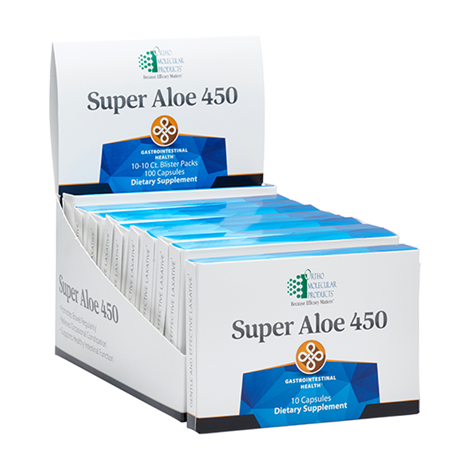
Super Aloe 450 Blister Packs by Ortho Molecular Products
10 packs
Natural Gut Support with Cape Aloe for Digestive Wellness$97.07
Purchase options
Practitioner-grade brand3rd-party testedFree shipping $50+
Gluten Free·Wheat Free·Yeast Free·Artificial Color Free·Artificial Flavor Free
Ortho Molecular Products Super Aloe 450 Blister Packs overview
Constipation from travel, a low-fiber diet, or iron supplements is where an aloe laxative shines. Cape aloe can be a practical short-term tool while you fix basics like hydration, fiber, and movement. It’s also useful if you’re titrating fiber and need a bridge. If you need a stimulant most days, check upstream causes and labs like TSH (thyroid-stimulating hormone, the signal that regulates thyroid output), or review medications that slow the gut.
Cape aloe contains anthraquinone glycosides (plant compounds that turn active in the colon). Your gut bacteria convert them into molecules that both increase chloride secretion into the bowel and speed peristalsis (the wave-like muscle contractions that move stool). More chloride draws water into the stool, softening it, while stronger peristalsis helps you pass it, usually within 6 to 24 hours.
Take one capsule at bedtime with water; wait a full day before re-dosing. Start on a night when you can access a bathroom the next morning. Separate from other medications or supplements by at least two hours. Use for short runs—days to a couple of weeks—while you add daily fiber (food or psyllium), fluids, and consider non-stimulants like magnesium citrate if you need ongoing help.
Avoid during pregnancy or breastfeeding, with bowel obstruction, unexplained abdominal pain, active inflammatory bowel disease flares, or chronic diarrhea. Use caution if you have kidney disease or low potassium. Do not combine with digoxin (a heart medication), stimulant laxative abuse, or drugs that lower potassium such as loop or thiazide diuretics or systemic steroids; electrolyte shifts raise risks.
Frequently asked questions
How long does Cape aloe take to work for constipation?
Most people see a bowel movement within 6 to 24 hours after a bedtime dose. If nothing happens after 24 hours, you can repeat the dose once. If there’s still no result or you have worsening pain or vomiting, stop and contact a clinician.
Is it safe to take an aloe laxative every day?
Use it short term. Daily, long-term stimulant use can cause dependence and electrolyte shifts. If you need it most days, address fiber, fluids, activity, and consider non-stimulant options like magnesium or polyethylene glycol, and check in with a clinician.
Can I take Cape aloe with fiber or magnesium?
Yes, but separate by about two hours. Fiber like psyllium can blunt absorption if taken together. Magnesium (especially citrate or oxide) is a non-stimulant option that softens stool; many people use fiber daily and reserve aloe only when needed.
Does aloe cause cramping or urgency?
It can. Stimulant laxatives increase colon contractions, which sometimes feel crampy. Starting with the lowest dose at bedtime helps. If you get severe cramps, diarrhea, or dizziness, stop and rehydrate with electrolytes, and reassess your plan.
Is Cape aloe safe in pregnancy or while breastfeeding?
No. Stimulant laxatives like aloe are not recommended in pregnancy or while nursing. Discuss safer alternatives with your obstetric clinician, such as fiber, stool softeners, or osmotic agents that do not stimulate the colon.
Can aloe interact with my medications?
Yes. Avoid with digoxin. Use caution with diuretics (like furosemide or hydrochlorothiazide) and systemic steroids, which can lower potassium; aloe can worsen this. Separate from oral drugs by 2 hours to avoid unpredictable absorption during diarrhea.
Will aloe change my colon or stool color?
Chronic stimulant laxative use can cause melanosis coli, a benign brown pigment in the colon seen on colonoscopy; it does not raise cancer risk. Stools may be looser or lighter with higher water content. If you see blood or black stools, seek care.
What if constipation keeps coming back after aloe works?
Recurrent constipation means you should address causes: daily fiber intake, hydration, activity, bowel habits, and medications like iron or opioids. If persistent, discuss labs such as TSH and a plan for non-stimulant options with your clinician.
How to take it & ingredients
Suggested use: 1 capsule at bedtime (allow 24 hours before redosing) or as recommended by your health care professional.
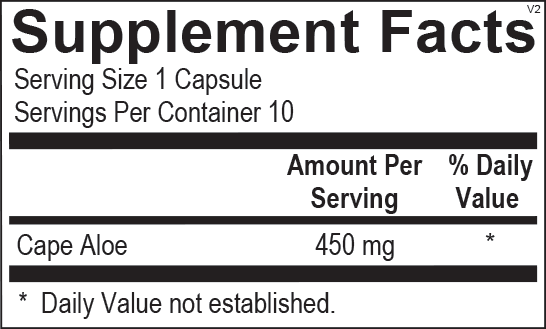
Active ingredients
1 capsule per serving
Cape Aloe
Aloe ferox (solid residue from evaporated liquid aloe)
450 mg
Other ingredients: Hypromellose (Natural Vegetable Capsule), Microcrystalline Cellulose, Magnesium Stearate, Silicon Dioxide
Certifications
Benefits
Warnings
Customers also considered
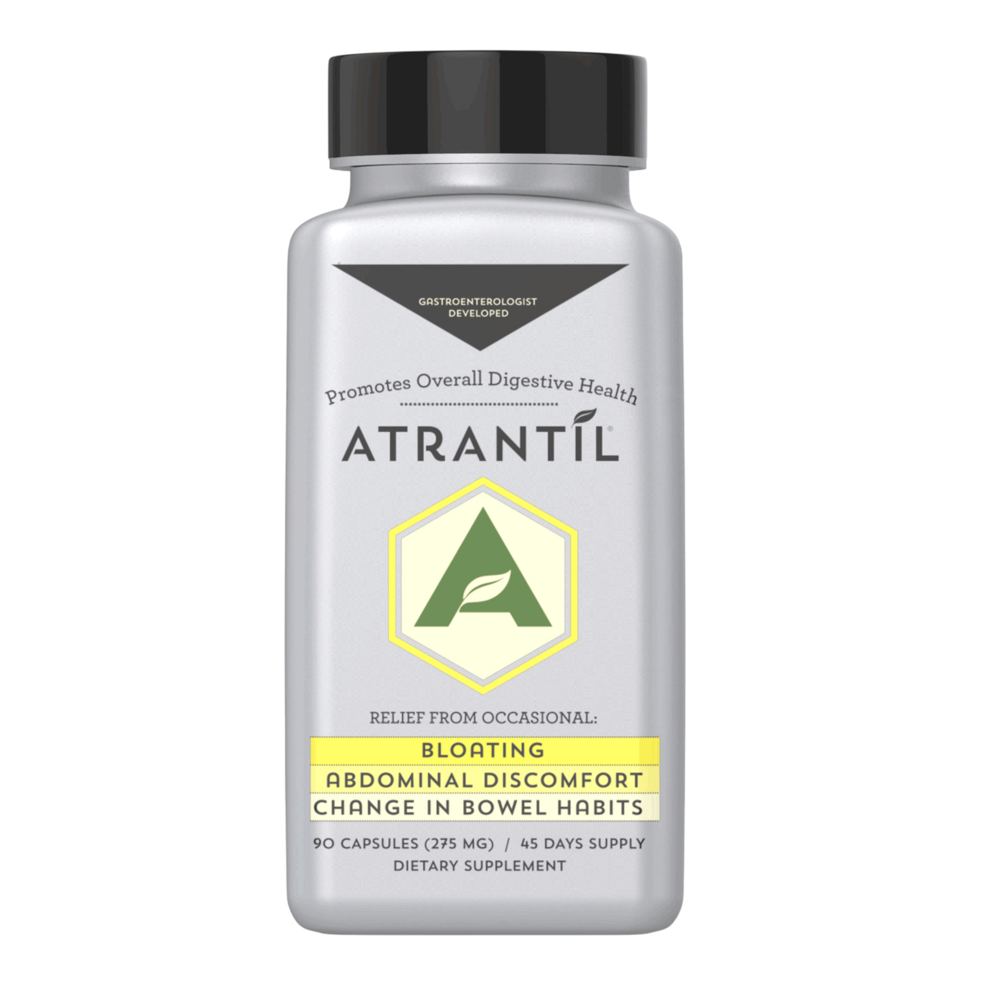
Atrantil
Atrantil
90 capsules
$39.99$31.99 with Subscribe & Save
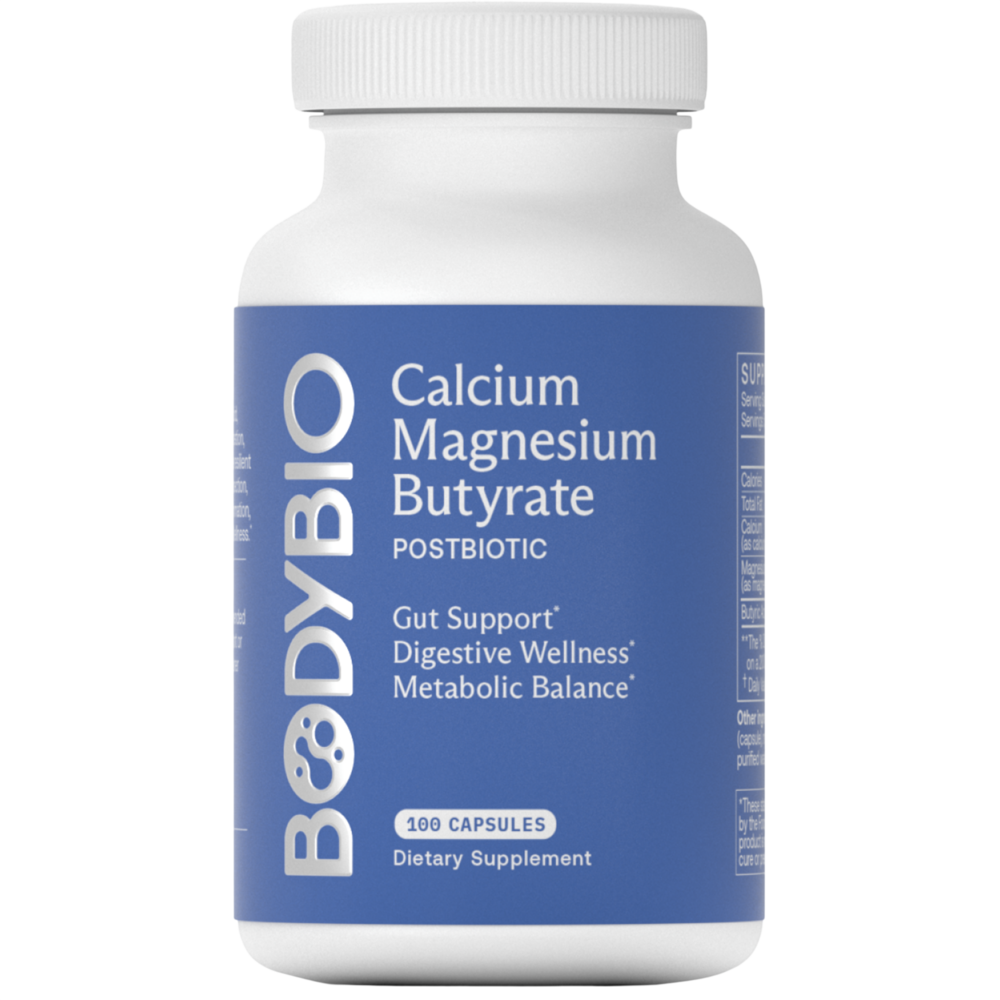
Calcium/Magnesium Butyrate
Body Bio
100 capsules
$36.99$29.99 with Subscribe & Save
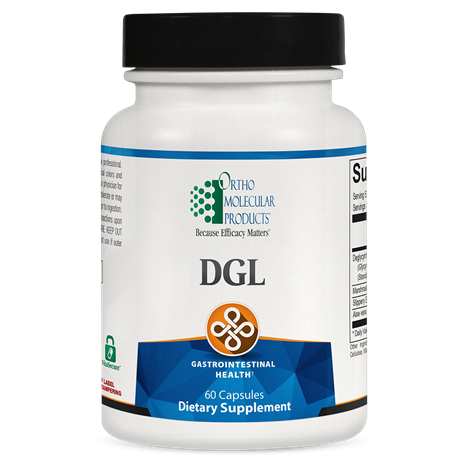
DGL
Ortho Molecular Products
60 capsules
$33.47$30.15 with Subscribe & Save
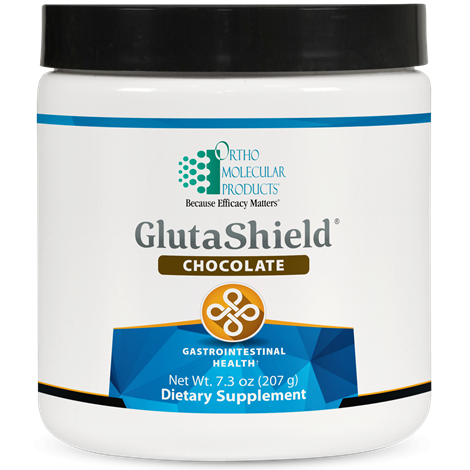
GlutaShield® Chocolate
Ortho Molecular Products
207 grams
$66.10$59.55 with Subscribe & Save