
Can Boosting NAD+ Slow Aging?
The story of NAD+ started in research labs, not wellness ads. NAD, short for nicotinamide adenine dinucleotide, is a molecule found in every living cell, helping our bodies produce energy, repair DNA, and regulate metabolism.
Two decades ago, scientists discovered something astonishing: when they boosted NAD+ levels in worms, mice, and fruit flies, the animals lived longer, aged slower, and showed sharper metabolic and brain function. Restoring NAD+ seemed to rewind the biological clock.
The excitement was contagious. If it worked in worms and mice, maybe it could work in people too. Today, NAD+ boosters are everywhere, promising “cellular rejuvenation” and “youthful energy.” But before you buy into the hype, it’s worth looking at what has actually been proven in humans.


The Basics
Let’s start with the basics: you cannot survive without NAD+.
Every cell in your body, from brain neurons to muscle fibers, depends on NAD+ to stay alive and do its job. It is the coenzyme that powers the chemical reactions that keep you running:
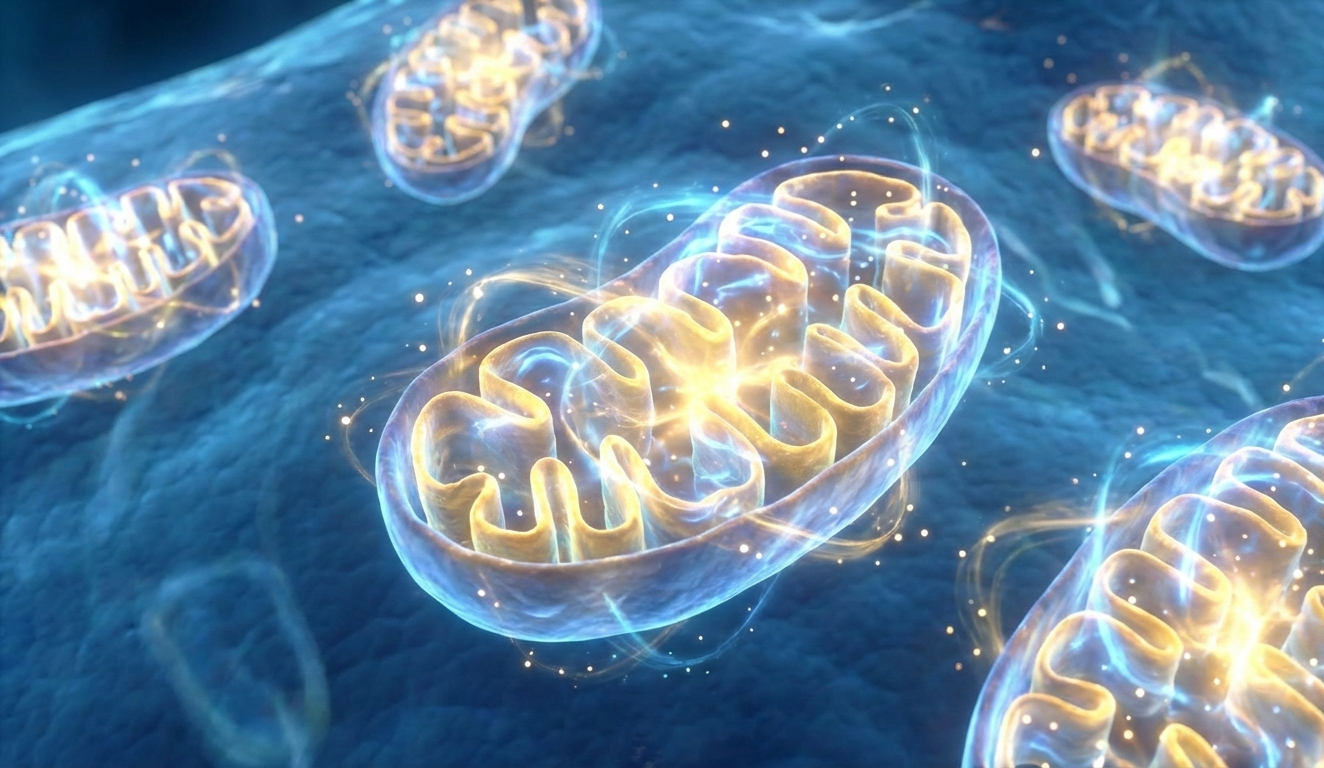
- Energy production — NAD+ is the key molecule that allows your mitochondria to convert food into ATP, your body’s usable energy.
- DNA repair — It fuels enzymes called PARPs and sirtuins that fix daily genetic damage and help maintain genomic stability.
- Metabolism and detox — NAD+ regulates fat and glucose metabolism, circadian rhythm, and the stress responses that keep your cells resilient.
The problem is that NAD+ levels drop as we get older, sometimes by more than 50% by midlife. That decline does not just mean less energy; it is associated with slower repair, chronic inflammation, and the gradual erosion of how efficiently your body functions at the cellular level.
That is why NAD+ supplements have exploded in popularity. Products containing NMN (nicotinamide mononucleotide) or NR (nicotinamide riboside) claim to “refill the tank” by boosting NAD+ levels back to a more youthful range.
The idea makes sense. It is elegant biology. But translating that science from animals to humans is much harder, and the hype often runs faster than the research.
What the Research Shows
So far, studies in humans have confirmed one thing clearly: NAD+ precursors like NMN and NR do raise NAD+ levels. In that sense, they do what they claim to do. They refill your body’s cellular energy tank.
Where things get murkier is what happens next. A handful of small, short-term trials have shown modest improvements in metabolism, cholesterol, and inflammation, especially in older adults or those with prediabetes. But these effects are subtle and often disappear when studies are repeated in larger or more diverse groups.
Most importantly, nearly all of the research to date measures biochemical changes, not real-world outcomes. We know NAD+ levels go up, but we do not yet have evidence that this leads to people living longer or reducing their risk of chronic disease. The studies that do exist tend to be short, often just 8 to 12 weeks, and involve small groups, usually under 50 participants.
So while it is logical to believe that restoring NAD+ could help, especially given its central role in energy metabolism and DNA repair, the outcome research just is not there yet. For now, NAD+ remains one of the most promising but not yet proven frontiers in longevity science.
Prioritizing Your Health Stack
It is tempting to jump straight into advanced supplements, but the best health strategies always start with the fundamentals. If your diet is poor, you are not sleeping well, or you rarely move, NAD+ is not going to make much difference. Those are the big levers, the things that move your health in a meaningful way.
Once those pieces are in place, that is when supplements like NAD+ can make sense. Think of it as an optimization tool, not a rescue plan. NAD+ may help fine-tune energy metabolism or cellular function, but it works best in a system that is already functioning well. In other words, if your foundation is shaky, no molecule will fix it.
So before adding NMN or NR to your cart, look honestly at your health priorities. Clean up your diet. Get consistent sleep. Exercise regularly. Then, if you want to layer in NAD+ support, it can be a smart addition.
Measuring It
If you are curious about your NAD status, there is now a specialized blood test that can give you a detailed look at your cellular energy system.
This NAD Profile measures not just NAD+ itself, but the full family of related molecules that drive metabolism and repair, including NADH, NADP, NADPH, and vitamin B3 derivatives such as nicotinamide and nicotinic acid. It also calculates key ratios such as the NAD/NADH ratio, which reflects how efficiently your cells are producing and using energy.
The test works from a simple self-collected blood sample using a finger prick card, so it is easy to do at home. No fasting is required, and results typically arrive within about two weeks.
These insights can show whether your cells are under metabolic stress, struggling with oxidative damage, or maintaining a healthy energy balance. Because NAD+ is tightly linked to mitochondrial function, your body’s internal power plants, an imbalance here may explain issues like fatigue, slower recovery, or age-related metabolic changes.
By testing, you can see whether NAD+ support actually makes sense for you and later track if your supplement strategy is working.
Choosing the Right Supplement
Unfortunately, the NAD+ supplement marketplace is a mess.
Independent testing has repeatedly found that most NAD+ products do not contain the amount of active ingredient listed on the label. In ConsumerLab’s 2025 analysis, more than two-thirds of products contained far less NAD+, NMN, or NR than claimed, and some had virtually none.
Even top-selling “liposomal” NAD+ products were found to be chemically inactive despite thousands of positive reviews. Out of 21 NMN products tested, only five met their label claims, while twelve contained no detectable NMN at all. Similar issues plagued NR products, with multiple counterfeit and underdosed products discovered.
This means the science might be legitimate, but what is inside most capsules on the market is not. That is why we only recommend products that have been independently validated for purity and potency and shown to actually raise NAD+ levels in humans.
Below are supplements that meet those standards: