
Microdosing Semaglutide: Where the Evidence Ends and the Marketing Begins
The lowest dose of semaglutide ever tested in a major weight-loss trial was 0.5 mg per week, and even that dose lowered HbA1c by about 1.1 percentage points across thousands of patients. The "microdoses" being sold online (often 0.05 to 0.15 mg per week from compounding pharmacies) sit well below anything that's ever been studied in a randomized trial. That gap between what's proven and what's being marketed is the entire story.
If you're searching for "microdosing semaglutide," you're probably weighing a real trade-off: full doses cause real side effects, and the cost of going through proper channels can be punishing. The promise of a smaller dose, fewer side effects, and a smaller bill is genuinely attractive. The problem is that the people selling the idea have the strongest reasons to skip past what the evidence actually says.


What "Microdosing" Actually Means in This Context
In semaglutide's case, "microdosing" is a marketing term, not a scientific one. The official FDA-approved starting dose for both Ozempic (for diabetes) and Wegovy (for weight management) is 0.25 mg per week, with a planned titration to 1.0 mg or 2.4 mg over four to five months.
That 0.25 mg starting dose isn't a maintenance dose. It's a tolerability bridge, a four-week ramp designed to let your gut adjust before the active dose begins.
Online sellers using the word "microdose" typically mean something different: a long-term maintenance dose that stays well below 0.25 mg, sometimes reported as low as 0.05 mg weekly in marketing materials. Almost all of these products come from compounding pharmacies rather than Novo Nordisk, the only manufacturer of FDA-approved semaglutide.
What the Dose-Response Data Shows
The biggest network meta-analysis to date pooled 28 randomized trials covering 23,622 participants, comparing semaglutide at 0.5, 1.0, and 2.0 mg weekly against placebo and other diabetes drugs. The pattern is consistent: more semaglutide produces more HbA1c reduction and more weight loss, with diminishing returns at the top of the curve.
| Weekly Dose | HbA1c Reduction | Weight Loss (T2D) | Notes |
|---|---|---|---|
| Placebo | 0 | 0 | Reference |
| 0.5 mg | ~1.1 percentage points | ~2.5 kg | Lowest dose tested in trials |
| 1.0 mg | ~1.4 percentage points | Intermediate range | Standard T2D maintenance |
| 2.0 mg (Ozempic) | ~1.6 percentage points | ~5.0 kg | Higher T2D dose |
| 2.4 mg (Wegovy) | Not the primary endpoint | ~12% body weight | Weight-management dose |
At the weight-management dose of 2.4 mg, the largest pooled analysis of four placebo-controlled trials in 3,087 adults without diabetes found an average weight loss of 12.1% (about 12.3 kg) at 68 weeks compared to placebo, and 33% of participants lost at least 20% of their starting weight. The 2.4 mg dose is what's been shown to produce the dramatic before-and-after results people associate with these drugs.
What about doses below 0.5 mg? The honest answer is that we don't really know.
They've been studied for pharmacokinetics (how the drug moves through the body) in small Phase 1 trials, but no large randomized trial has tested whether 0.1 mg or 0.15 mg per week actually causes meaningful weight loss or HbA1c improvement at 12 months. The dose-response curve has only been mapped from 0.5 mg upward.
The Side-Effect Question That Drives This Search
The reason "microdosing" sounds appealing is real: gastrointestinal side effects on full-dose semaglutide are common and sometimes severe. In one large weight-loss trial, 49% of participants on 2.4 mg weekly reported nausea, vomiting, diarrhea, or constipation, compared with 26% on placebo.
Most events were mild and transient, but for some people they're enough to stop treatment. About 2-3% of patients in clinical trials discontinued because of side effects.
Real-world data tells a harsher story. A 2025 analysis of 15,811 commercially insured adults starting semaglutide for weight management found that 46% had stopped within five months.
Cost was the strongest predictor of dropout, but tolerability problems and dose-escalation difficulties were also major factors. Most users deviated from the recommended monthly escalation schedule, often staying at lower doses longer than the protocol suggests.
This is the legitimate medical question buried inside the microdosing trend: can a slower titration or a lower maintenance dose preserve some benefit while reducing side effects? The answer for properly supervised low doses (the 0.5 mg or 1.0 mg range) is yes, with proportionally smaller weight loss. The answer for sub-0.25 mg sustained doses is unknown.
Prescribed by a licensed physician. Sent to your pharmacy.
What the Evidence Says About Compounded Versions
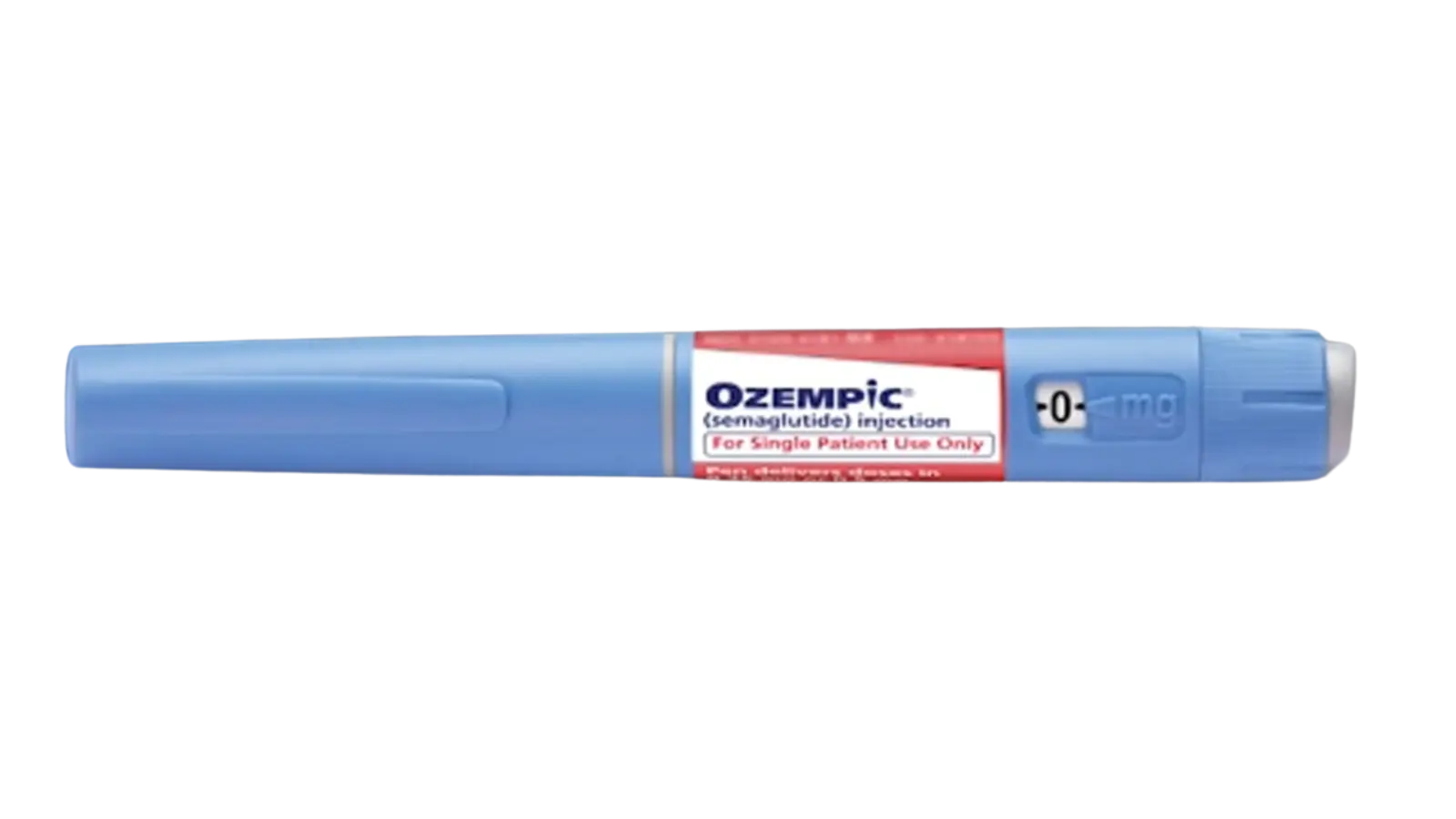
Here's where the practical risk shows up. The FDA-approved single-dose pens come from Novo Nordisk's manufacturing line with strict quality controls. Compounded versions are made in pharmacy back rooms using semaglutide powder of variable origin, often with vitamin B12 or other additives marketed as "performance enhancers."
A 2024 review of the legal and safety considerations around compounded injectable semaglutide flagged four recurring problems:
- The active ingredient often comes from non-FDA-registered foreign suppliers, with no guarantee of purity or potency
- Some compounded products use semaglutide salts (sodium or acetate forms) that the FDA has not approved and that haven't been studied for safety in humans
- Dosing errors have been common, including patients accidentally injecting 10 times the intended dose because of confusion between micrograms and milligrams
- Marketing claims about "personalized doses" or B12 add-ins are not supported by clinical trial data
A 2025 medical news follow-up documented cases where patients receiving compounded semaglutide reported pancreatitis, hospitalizations from accidental overdoses, and lab-confirmed contamination.
The microdosing pitch often combines two things: a sub-therapeutic dose (no proven benefit) and a compounded source (unverified safety). Each problem is real on its own. Together they amount to paying for an experiment that isn't tracking results.
What Actually Works If You Want to Start Low
If your reason for wanting to microdose is to minimize side effects, the standard FDA titration protocol is already designed for this. The four-week ramp at 0.25 mg, then 0.5 mg, then 1.0 mg, gives your body time to adapt.
Some clinicians slow the ramp further for sensitive patients, holding 0.25 mg for eight weeks instead of four, or pausing at 0.5 mg for several months before deciding whether to escalate. These slower protocols use studied doses with predictable pharmacokinetics, supervised by a clinician who can adjust based on what you're actually feeling.
Instalab's GLP-1 Program ($99) connects you with a licensed physician who can prescribe Ozempic at the standard 0.25 mg starting dose, monitor your labs (including HbA1c and metabolic markers), and adjust your titration schedule based on tolerability. This is the way to get a "low-and-slow" approach without leaving the boundaries of what's actually been tested.
For people with type 2 diabetes specifically, holding at 0.5 mg or 1.0 mg long-term is a recognized clinical option, with the dose-response data above to back it up. For people without diabetes seeking weight loss, the trial data favors reaching the 2.4 mg weight-management dose, though slower titration or temporary dose holds can buy time for side effects to settle.
How to Think About the Trade-Off
The framing that makes microdosing sound smart, "less drug means fewer side effects with most of the benefit," is half right. Lower doses do produce fewer GI events.
They also produce proportionally less weight loss and less HbA1c reduction, in line with the dose-response data. Below 0.5 mg, that proportionality breaks down, because we don't have trial data telling us where the floor of efficacy actually sits.
If you're genuinely committed to a low-dose semaglutide approach, the choice is between a documented dose (0.5 mg from an FDA-approved pen, with a real prescription and monitoring) and an undocumented one (a compounded sub-therapeutic dose with no efficacy data and meaningful safety concerns). The first costs more upfront but tracks against decades of pharmacokinetic and outcomes data. The second is cheaper because it's cutting the corners that the trial data depends on.
What This Means If You're Considering Microdosing Semaglutide
The honest summary: there's no published clinical evidence that doses below 0.25 mg of semaglutide weekly produce meaningful weight loss or metabolic benefit, and the compounded versions selling those doses have a documented track record of dosing errors and quality problems. The smaller doses that do have evidence (0.5 mg and 1.0 mg) work best when prescribed and monitored by a clinician who can adjust based on your labs and tolerability. If side effects are your concern, a slower titration of FDA-approved semaglutide will get you further than a "microdose" from a compounding pharmacy at any price.