
Probiotics for Gut Health: Sorting Evidence from Marketing Hype
A meta-analysis pooling randomized controlled trials across eight gastrointestinal diseases found that probiotics cut the overall relative risk by 42%, but two of those eight conditions showed no benefit at all. That gap between "probiotics help" and "which probiotic helps which problem" is where most of the confusion lives.
The supplement aisle offers hundreds of options with colony counts in the billions, and most of the labels promise everything from better digestion to a stronger immune system. Some of those claims hold up under clinical scrutiny. Many don't.
The difference almost always comes down to three things: the specific strain, the condition you're trying to address, and the dose.


Not All Strains Do the Same Thing
A systematic review of 228 clinical trials found that probiotic efficacy is both strain-specific and disease-specific. That's a critical distinction. A Lactobacillus strain that prevents antibiotic-associated diarrhea may do nothing for bloating, and a Bifidobacterium strain that helps with constipation may not touch irritable bowel syndrome.
The review demonstrated this clearly within the Lactobacillus species alone: certain strains showed strong evidence for preventing antibiotic-associated diarrhea, while other strains from the same species had no effect at all. L. rhamnosus GG and Saccharomyces boulardii CNCM I-745 both showed significant variation in their effectiveness depending on the specific disease being treated.
This means a probiotic labeled simply "Lactobacillus" or "probiotic blend" tells you almost nothing about whether it will help your particular problem. The strain designation (the letters and numbers after the species name) is what matters.
Where the Evidence Is Strongest
Probiotics have the most clinical support for a handful of specific digestive conditions. A large meta-analysis of 43 randomized controlled trials found that probiotics reduced the risk of persistent IBS symptoms by 21% compared to placebo. They showed measurable improvements in global IBS symptoms, abdominal pain, bloating, and flatulence scores.
For antibiotic-associated diarrhea, the case is even clearer. The broad meta-analysis covering eight gastrointestinal conditions found significant benefits for six of them, including antibiotic-associated diarrhea, infectious diarrhea, Clostridium difficile disease, pouchitis, Helicobacter pylori treatment, and IBS itself. Across all these conditions, multiple probiotic species and treatment lengths showed positive effects.
The two notable failures: traveler's diarrhea and necrotizing enterocolitis showed no significant benefit from probiotics. If you're packing probiotics for an overseas trip expecting digestive protection, the evidence doesn't support that.
How Probiotics Actually Work in Your Gut
The mechanisms are more complex than "good bacteria crowd out bad bacteria," though competitive exclusion is part of the story. Probiotics operate through at least four distinct pathways: modifying the existing microbial community, competing with pathogens for attachment sites on your intestinal wall, strengthening the physical barrier between your gut and your bloodstream, and modulating your immune response.
The barrier function piece is particularly interesting. Your intestinal lining is a single layer of cells held together by structures called tight junctions. When those junctions loosen, larger molecules slip through into your bloodstream, triggering inflammation. Research in animal models has shown that specific probiotic strains can upregulate tight junction proteins like ZO-1, physically reinforcing the intestinal barrier. This protection has been demonstrated even under inflammatory conditions that would normally break down barrier integrity.
Probiotics also communicate directly with your immune system. They interact with pattern recognition receptors on intestinal cells, triggering signaling cascades that can either ramp up or dial down immune responses depending on context. Multiple Lactobacillus and Bifidobacterium species have been shown to increase natural killer cell activity and macrophage function while simultaneously promoting regulatory T cells that keep inflammation in check.
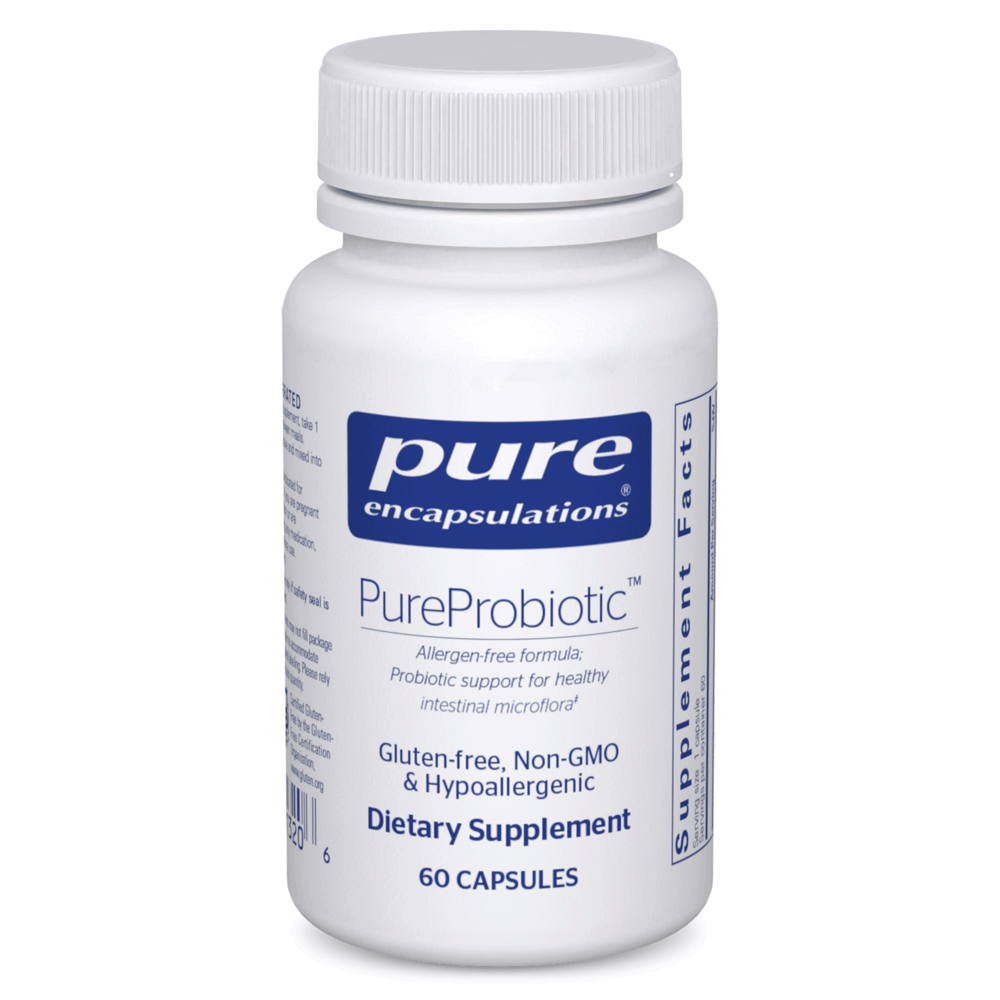
Clinically studied. Shipped to your door.
The Healthy Gut Paradox
Here's something the marketing rarely mentions: if you're already healthy, probiotics may not change your gut microbiome composition at all. A systematic review of seven randomized trials in healthy adults found no evidence that probiotic supplementation altered fecal microbiota diversity, richness, or evenness compared to placebo. Only one of the seven studies found any significant change in overall bacterial community structure.
This doesn't mean probiotics are useless for healthy people. They may still provide barrier-strengthening and immune-modulating benefits without measurably shifting which bacteria are present. But if you're taking probiotics hoping to "improve your microbiome" as measured by a gut test, the evidence suggests that's not how it works in people without an existing imbalance.
The story changes when something disrupts the ecosystem. Antibiotics, infections, dietary shifts, and chronic stress can all throw gut microbial communities out of balance. That's when probiotics seem to do their most measurable work, helping restore function rather than enhancing an already-functioning system.
What to Look for When Choosing a Probiotic
The research points to a few practical guidelines:
- Match the strain to the problem. L. rhamnosus GG and S. boulardii have the broadest evidence base across multiple conditions. For IBS specifically, multi-strain formulations and Bifidobacterium-containing products have performed well in trials.
- Dose matters. Clinical trials typically use doses in the range of 1 billion to 10 billion CFU (colony-forming units) daily, with positive effects observed across a range of dosages. The supplement's CFU count should reflect viable organisms at time of expiration, not at manufacture.
- Duration matters too. Many clinical trials showing benefit ran for several weeks or longer. A one-week trial is unlikely to tell you much.
- Single strain vs. multi-strain is context-dependent. Both showed positive effects across the meta-analyses, but multi-strain formulations may offer an advantage for conditions like IBS where the underlying dysbiosis varies between patients.
Instalab carries clinically studied probiotics with strains selected specifically for digestive and immune support, which can simplify the strain-matching process.
Prebiotics, Postbiotics, and Synbiotics
Probiotics don't work in isolation. They need fuel, and that fuel comes from prebiotics, the dietary fibers that probiotic bacteria ferment into short-chain fatty acids like butyrate. These fatty acids serve as the primary energy source for the cells lining your colon and have their own anti-inflammatory effects.
Synbiotics, which combine a probiotic with a matched prebiotic, showed benefits for constipation-predominant conditions in early trials, with a relative risk of treatment failure of 0.78 compared to placebo. The research here is still catching up to the product marketing, but the biological rationale is sound: feeding the bacteria you're introducing should help them establish.
Postbiotics, the metabolic byproducts that probiotic bacteria produce, are a newer area of interest. Some evidence suggests that even dead bacterial cells and their components can influence immune function and barrier integrity. This may help explain why some fermented foods appear to show benefits even when their live bacterial content is limited.
Making Probiotics Work for Your Gut
The most honest summary of the probiotic research is that these organisms can produce real, measurable health benefits, but only when the right strain meets the right condition at the right dose. A meta-analysis covering thousands of patients across dozens of trials confirms that probiotics work for specific gastrointestinal conditions. The strain-specificity data confirms that generic products without identified strains are a gamble.
If you're dealing with IBS, recovering from antibiotics, or managing a diagnosed gut condition, the evidence supports trying a well-characterized probiotic formulation for at least a month. If you're generally healthy and curious, probiotics are safe for most people but may not produce dramatic changes you can feel. The real risk isn't side effects; it's spending money on a product that doesn't match your actual biology.