Supplements to Reduce Cortisol: Only One Has Strong Human Evidence
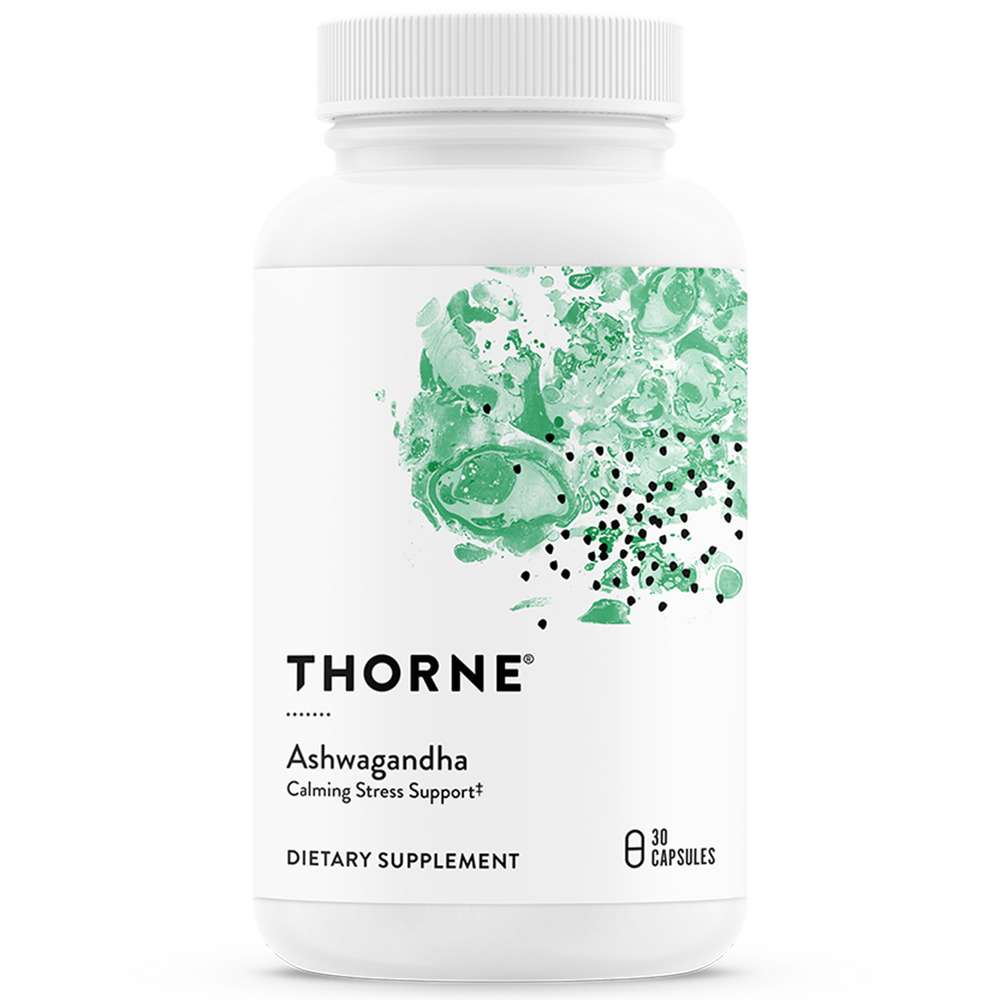
Ashwagandha is the only supplement with consistent, replicated human trial data showing it can meaningfully lower cortisol levels. Across multiple reviews covering dozens of clinical trials, it reduced cortisol somewhere between 11% and 33%, depending on the study. Everything else you see marketed as a "cortisol-lowering supplement" either has weak data, mixed results, or evidence that comes mostly from animals.
That gap between ashwagandha and the rest is worth understanding before you spend money on a supplement stack. The research paints a pretty clear picture of what works, what might help, and what's mostly wishful thinking.


Ashwagandha Is Not Close to a Tie
The evidence behind ashwagandha for cortisol reduction is unusually strong for a supplement. A systematic review pooling nine clinical trials in stressed adults found that ashwagandha supplementation reduced cortisol by roughly 11 to 33% over periods ranging from 30 to 112 days, with no serious short-term adverse effects reported. A separate review of ten trials in healthy adults found it counterbalanced hormone levels and reduced markers of stress and inflammation.
One randomized controlled trial tested a relatively low dose of 240 mg per day for 60 days and still found significantly reduced morning cortisol compared to placebo. A larger meta-analysis covering 12 RCTs and over 1,000 participants confirmed significant reductions in both stress and anxiety.
The proposed mechanism involves modulation of the HPA axis (the hypothalamic-pituitary-adrenal axis, your body's central stress-response system) along with anti-inflammatory effects. This isn't just "people felt calmer." Measurable cortisol levels dropped in blood and saliva tests.
The Dose That Actually Matters
Based on the meta-analysis of 12 trials, the optimal dose for stress reduction clusters around 300 to 600 mg per day of standardized extract. But one trial showed meaningful cortisol reduction at just 240 mg per day, which suggests the threshold may be lower than many products suggest.
The duration also matters. Most positive results came from studies lasting one to three months. This isn't a supplement that works after a single dose on a stressful day.
| Factor | What the Research Shows |
|---|---|
| Effective dose range | 240 to 600 mg/day of standardized extract |
| Time to see effects | 30 to 112 days across trials |
| Cortisol reduction | ~11 to 33% depending on the study |
| Serious adverse effects | None reported in short-term trials |
| Long-term safety data | Not well studied |
The "Stress Stack" Ingredients: Promising but Unproven for Cortisol
You'll find plenty of supplements combining magnesium, B vitamins, rhodiola, and L-theanine (from green tea) marketed as cortisol support. The reality is more complicated.
An acute stress trial tested combinations containing these ingredients and found they modulated brain-wave markers of relaxation and reduced subjective stress and anxiety. But the effects on salivary cortisol were mixed and unclear. A 28-day trial of a specific blend (magnesium with B6, B9, B12, rhodiola, and L-theanine) significantly reduced stress scores and improved sleep. However, cortisol was not the primary outcome measured, so we can't say much about whether it actually lowered levels.
These ingredients may genuinely help you feel less stressed. But feeling less stressed and having measurably lower cortisol are not the same thing, and the research hasn't clearly connected these formulas to cortisol reduction.
Lemon Verbena: An Interesting Outlier
One eight-week trial tested a phenylpropanoid-rich lemon verbena extract and found it reduced perceived stress and produced roughly a 15.6% cortisol decrease compared to baseline. That sounds compelling, but there's a catch: the between-group cortisol differences (lemon verbena versus placebo) were not statistically significant.
In practical terms, that means the cortisol drop could have been due to chance, placebo effects, or natural variation over time. It's a single trial with a suggestive but inconclusive result. Worth watching, not worth betting on.
What About Vitamin C, Zinc, Omega-3s, and Probiotics?
These get mentioned frequently in cortisol conversations, but the evidence is thin.
| Supplement | Evidence Level | Key Limitation |
|---|---|---|
| Vitamin C | Limited/indirect | Small trials, not consistently showing cortisol reduction |
| Magnesium | Limited/indirect | May improve HPA-axis function, but human cortisol data are sparse |
| Zinc | Limited/indirect | Suggested benefits, not confirmed in robust trials |
| Omega-3s | Limited/indirect | May support HPA regulation, but evidence is inconsistent |
| B vitamins (alone) | Limited/indirect | Better studied in combinations than solo for cortisol |
| L-carnosine | Mostly animal data | Corticosterone reductions seen in animals, not confirmed in humans |
| Probiotics | Mostly animal data or secondary endpoints | Cortisol effects not a primary finding in human trials |
None of these are useless. They play real roles in your body's stress physiology. But the research provided doesn't support using any of them specifically to lower cortisol levels. If someone is selling you a "cortisol support" formula built primarily around these ingredients, the marketing is ahead of the science.
Before You Buy Anything
The honest summary looks like this:
If you want a supplement specifically to lower cortisol, ashwagandha at 300 to 600 mg per day of standardized extract for at least one to three months has the strongest case. It's the only option backed by multiple systematic reviews and over 1,000 participants across randomized trials showing measurable cortisol reductions.
If you want general stress relief, multi-ingredient formulas with magnesium, B vitamins, rhodiola, and L-theanine may help you feel calmer, but don't expect confirmed cortisol changes from the current data.
Two important caveats the research flags directly. Long-term safety data for ashwagandha and other cortisol-targeting supplements are not well established. And interactions with medications, particularly for people with endocrine, psychiatric, or autoimmune conditions, have not been adequately studied. This is a conversation to have with your doctor before starting, not after something feels off.