
Wegovy Pill: How Oral Semaglutide Compares to the Injection
A daily 25 mg pill of semaglutide produced 13.6% body-weight loss in 307 adults over 64 weeks of treatment, compared with 2.2% on placebo. That is the trial that put a pill version of Wegovy on the market. The injection still wins by a hair, around 14.9% in the largest weight-loss trial of the 2.4 mg weekly dose, but the gap is smaller than most people expect from swapping a needle for a tablet.
The shot has dominated the GLP-1 weight-loss conversation since launch for one practical reason: needles work, and absorbing a peptide drug from a tablet is genuinely hard. The chemistry has now caught up. If your only objection to semaglutide is that you do not want to inject yourself, that objection no longer settles the question.


Pill vs Shot: The Numbers Side By Side
Here is what the major trials show.
| Form | Dose | Trial | Duration | Mean Weight Loss vs Placebo | Citation |
|---|---|---|---|---|---|
| Oral tablet | 25 mg/day | Oral Semaglutide 25 mg | 64 weeks | -13.6% vs -2.2% | |
| Oral tablet | 50 mg/day | OASIS 1 | 68 weeks | -15.1% vs -2.4% | |
| Injection | 2.4 mg/week | STEP 1 | 68 weeks | -14.9% vs -2.4% | |
| Oral tablet | up to 14 mg/day (Rybelsus) | 2-year T2D cohort | 24 months | -4.4% (oral) vs -7.5% (injection) |
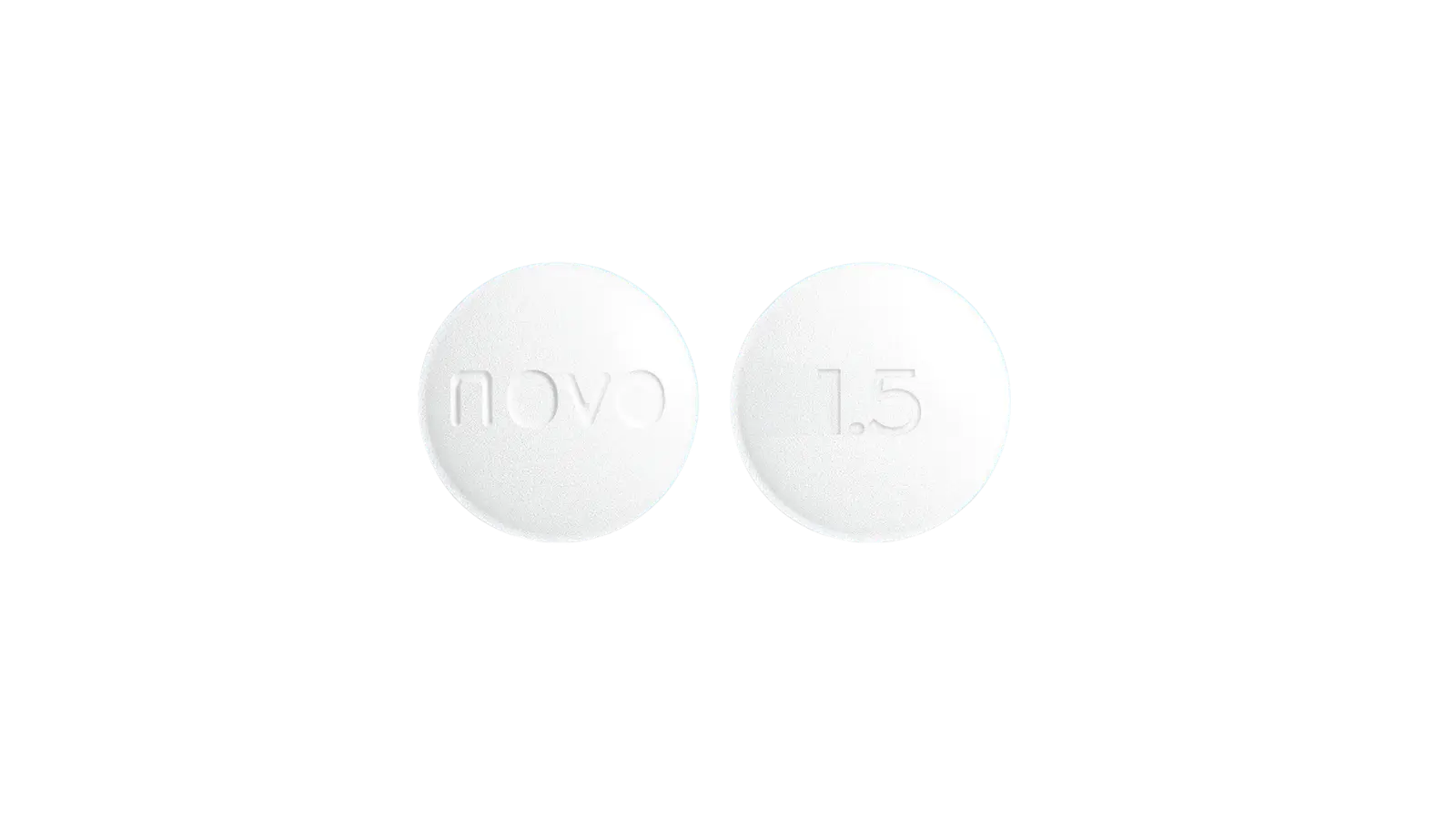
The pattern is consistent. At 50 mg per day, the pill matches the injection. At 25 mg per day, the dose now sold commercially as the Wegovy pill, the tablet loses roughly one to two percentage points to the shot.
That gap is real but small. At the Rybelsus dose of 14 mg, used for type 2 diabetes rather than weight management, the gap to the injection widens because the dose itself is smaller.
That conclusion holds up across independent reviews. A 2024 analysis of oral GLP-1 receptor agonists and a 2025 meta-analysis of 12 randomized trials covering 6,253 adults with diabetes both found oral semaglutide non-inferior to the injection for blood-sugar control, with injection producing slightly larger weight reductions on average.
What "Wegovy Pill" Actually Is
The active drug is the same molecule whether you swallow it or inject it. What changes is the delivery system and the daily dose.
The pill is a once-daily tablet, titrated up over several weeks to a 25 mg maintenance dose. The injection is once-weekly at 2.4 mg. Same drug, same mechanism, very different schedules.
The pill formulation co-packages semaglutide with an absorption enhancer called SNAC. The SNAC creates a small protected zone in the stomach where the peptide can cross intact into the blood, without affecting intestinal junctions. This is the same delivery system used by Rybelsus, the lower-dose oral semaglutide already approved for type 2 diabetes.
Why the Pill Needed a Higher Dose
Direct pharmacokinetic studies have measured the oral bioavailability of semaglutide at roughly 0.66% relative to subcutaneous dosing. That is not a typo. To make up the gap, the daily tablet has to deliver many times the active drug of the weekly shot: 25 mg per day versus 2.4 mg per week works out to about 70 times more semaglutide passing through the body per week with the pill, even though only a sliver of it is absorbed.
Two practical consequences flow from this. First, the tablet has to be taken on an empty stomach with a small sip of water and no other intake for a window after dosing, or absorption drops further. Second, the much higher oral doses cost more to manufacture per milligram of active drug, which has historically kept the pill priced near or above the shot.
Prescribed by a licensed physician. Sent to your pharmacy.
Side Effects: Roughly the Same Story
Whether the molecule arrives via stomach or skin, the side-effect profile is dominated by gastrointestinal symptoms: nausea, vomiting, diarrhea, and constipation. All are dose-dependent and mostly mild to moderate.
In OASIS 1, gastrointestinal adverse events occurred in 80% of the oral 50 mg group versus 46% on placebo. STEP 1 reported nausea and diarrhea as the most common adverse events with the 2.4 mg weekly injection, typically transient and mild-to-moderate, with 4.5% of participants discontinuing treatment because of gastrointestinal symptoms. Most events in both trials were mild to moderate, and serious adverse events were uncommon and similar to placebo across the two forms.
One real difference shows up in real-world persistence data. People are more likely to stop the daily pill than the weekly shot.
A retrospective cohort tracking 242 adults with type 2 diabetes found 85% of oral users were still on therapy at six months, compared with 95% of subcutaneous users; the gap widened over 12 to 18 months. The drivers were a mix of GI side effects and the inconvenience of empty-stomach daily dosing.
Pill or Injection: How to Decide
If your priority is the deepest weight loss with the largest body of clinical evidence, the injection has the edge. STEP 1 alone enrolled 1,961 adults, several times the size of the OASIS pill trials, and the average weight loss is one to two percentage points higher than the 25 mg pill.
If your priority is avoiding needles, daily dosing, or both, the pill closes most of that gap. A 13% weight loss over 64 weeks is in the range some patients consider as an alternative to bariatric surgery, and the average reader would have a hard time telling 13% from 15% from outside their own body.
A few practical considerations cut against the pill specifically. The empty-stomach dosing window matters: take it with food and you lose much of the absorption you paid for. People who do not eat breakfast often, or whose mornings are unpredictable, may find the routine harder than a once-weekly injection on a fixed day.
The American Gastroenterological Association already recommends semaglutide 2.4 mg as a preferred long-term agent for adults with overweight or obesity who do not respond to lifestyle changes alone. The high-dose oral form fits the same recommendation as an alternative for people who want to skip the needle.
What This Means If You Are Considering Either Form
The pill version of Wegovy is no longer hypothetical. It exists, it works, and it is generally priced in the same range as the injection per month of treatment. The choice now is mostly about your lifestyle: weekly shot with slightly larger weight loss on average, or a daily pill on an empty stomach with slightly smaller but still substantial weight loss.
Instalab's GLP-1 Program ($99) pairs you with a licensed physician who reviews your labs, prescribes either the pill or the injection based on what fits your situation, and adjusts the dose over time. You do not have to guess between forms or chase down which one your insurance covers; the program handles the prescription, monitoring, and dose changes as a single workflow.