2-minute questionnaire
Tell us your most recent A1C or fasting glucose, kidney history, and any prior metformin experience. We ask the same questions an endocrinologist would.
 Instalab
Metformin ER (generic Glucophage XR®). Decades of outcome data in diabetes, and a leading molecule in longevity research. $49 online visit, no Instalab+ needed. Pay your pharmacy directly for the medication.
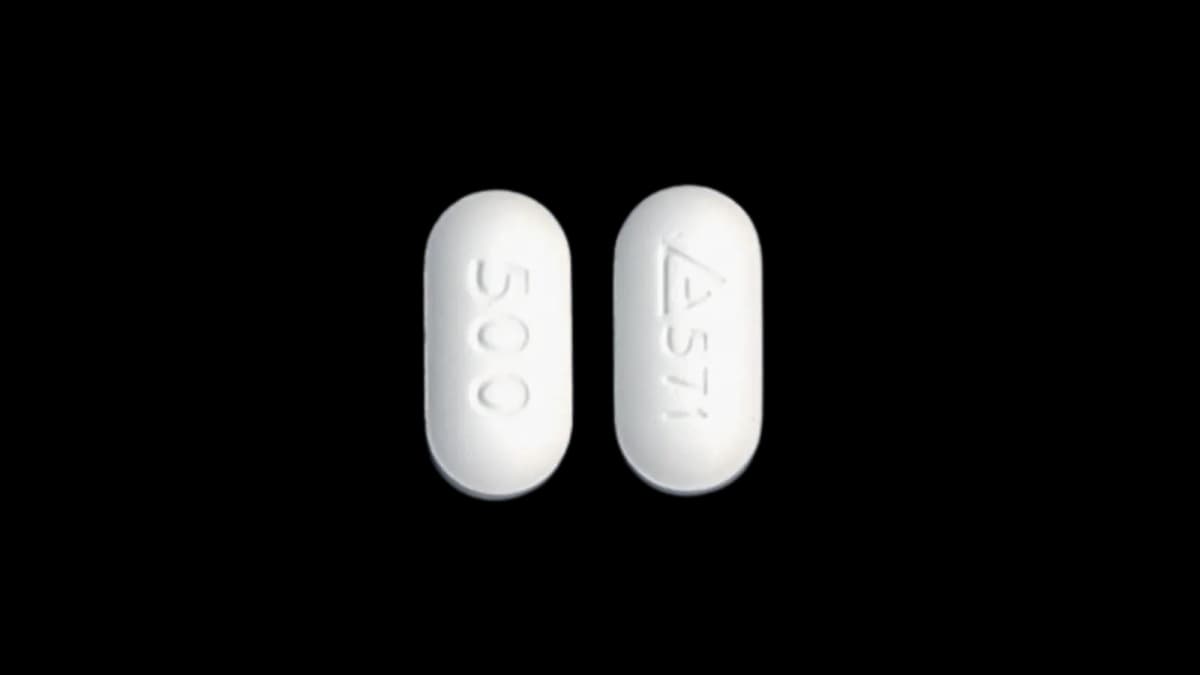
A 2-minute questionnaire, a $49 online visit, and your prescription sent to the pharmacy you choose. The visit is a physician review of your answers: no appointments, no calls, no Instalab+ needed.
Tell us your most recent A1C or fasting glucose, kidney history, and any prior metformin experience. We ask the same questions an endocrinologist would.
A licensed physician reviews your health history and determines whether metformin ER is appropriate for your glycemic profile and kidney function, usually within 1 business day.
If approved, we send the prescription to your preferred pharmacy,. You pay the pharmacy directly, usually just a few dollars a month.
Fasting glucose moves within days, but full A1C effect lands at about three months. Recheck then to see how 500mg is working for you.
Two line items: a one-time online visit and the metformin itself, dispensed by your pharmacy. No Instalab+ needed.
One-time physician review of your health history, with follow-up support included
Generic, dispensed by your pharmacy
The online visit is a one-time fee, not a subscription. It covers a physician review of your health history and, if the physician determines treatment is appropriate, a prescription with refills for up to one year, sent to the pharmacy you choose. You pay the pharmacy directly for the medication. Renewing after a year takes a new online visit; dose changes require Instalab+, which never charges visit fees.
For patients who need their A1C below 6.5% — established type 2 diabetes, GLP-1 combination therapy, or aggressive prediabetes management. Instalab+ includes the physician consults and lab follow-up that titration requires.
Step up to 750mg, 1000mg, or 2000mg as your 3-month A1C evolves. Same drug, same once-a-day routine — your physician adjusts based on response and tolerability, not yours alone.
Instalab+ also covers online visits, so dose changes and renewals never cost extra.
Explore Instalab+ →It's the standard starting dose of metformin ER. Taking it with your evening meal minimizes the GI side effects that metformin is known for, while still delivering a meaningful A1C reduction for most people.
If your A1C at 3 months calls for more, Instalab+ includes the physician oversight needed to titrate up safely.
500 mg ER Available to everyone
Starter dose · once daily with dinner · ~1.0 to 1.5% A1C reduction
One tablet, once a day, with your evening meal. Most patients see fasting glucose drop within days, with the full A1C effect landing at about three months.
Metformin activates AMPK in the liver, which suppresses hepatic glucose production. It also improves peripheral insulin sensitivity in muscle and fat. Because it doesn't stimulate insulin release, it doesn't cause hypoglycemia as monotherapy. Two landmark trials anchor the evidence: UKPDS 34 (Lancet 1998) found a 36% reduction in all-cause mortality in overweight T2D patients over a median 10.7 years. The Diabetes Prevention Program (NEJM 2002) showed metformin cut progression from prediabetes to T2D by 31% over 2.8 years.
Published in The Lancet in 1998, UKPDS 34 randomized 1,704 overweight adults with newly diagnosed type 2 diabetes to metformin or conventional therapy and followed them for a median of 10.7 years. The metformin group had markedly lower all-cause mortality, diabetes-related mortality, and myocardial infarction. It established metformin as the baseline every newer T2D medication is compared against.
Metformin is FDA-approved for type 2 diabetes. It is not approved for longevity or anti-aging, and no human trial has proven it extends lifespan. The pathways below are why the research community keeps studying it, not reasons to take it. This section is educational context, not a treatment recommendation.
Metformin activates the cell's master energy sensor, the same pathway that caloric restriction and exercise engage. AMPK activation is a central theme in almost every modern theory of aging.
Downstream of AMPK, metformin promotes autophagy, the process by which cells recycle damaged proteins and organelles. Cleaner cells age slower in animal models.
Metformin indirectly dampens mTOR signaling. Chronically elevated mTOR is linked to cellular senescence; modulating it is a mechanism shared with rapamycin and caloric restriction.
Metformin mildly inhibits mitochondrial complex I, which, counterintuitively, appears to trigger adaptive stress responses that support longer-term metabolic health (hormesis).
Metformin reduces markers of systemic inflammation like CRP and IL-6. Chronic low-grade inflammation (“inflammaging”) tracks with cardiovascular, metabolic, and neurodegenerative disease.
Metformin improves insulin sensitivity and normalizes IGF-1. Hyperinsulinemia and elevated IGF-1 are among the best-mapped drivers of accelerated aging across model organisms.
UKPDS 34 (Lancet 1998), 10.7-year median follow-up in overweight type 2 diabetics vs. conventional therapy.
Diabetes Prevention Program (NEJM 2002), 2.8-year follow-up in prediabetic adults. The 15-year DPP Outcomes Study showed the effect moderates to about 18% but persists.
Targeting Aging with Metformin, led by Dr. Nir Barzilai, is a proposed RCT designed to test whether metformin delays age-related disease in non-diabetic adults. As of early 2026 it has secured partial funding but has not yet started enrolling patients, and no human trial has shown metformin extends lifespan.
Metformin is FDA-approved for type 2 diabetes, not for longevity or aging. The research above is emerging.
Three patients, three months in.
“My A1C was 7.8 when I got diagnosed. Three months on 500mg ER with dinner, down to 6.4. No stomach issues at all.”
“Regular metformin gave me daily diarrhea for weeks. Switched to ER and it's night and day, same A1C drop, no side effects.”
“Prediabetes ran in my family. I wanted to be proactive. A1C moved from 6.3 back into the normal range and I lost about 5 pounds.”
Metformin ER is a prescription medicine. Important safety information applies. Common side effects are gastrointestinal (diarrhea, nausea, metallic taste) and usually transient.
Common Questions
Answer the questionnaire. A physician reviews your case, and if metformin ER is appropriate, your prescription goes out.
No commitment to treatment.