 Instalab
Adult Multivitamin
Comprehensive daily multivitamins covering essential vitamins and minerals at evidence-based doses.
Our vetting standard
Every adult multivitamin formula here clears the same bar.
- Clinically studied, effective doses
- Bioavailable, well-absorbed forms
- Practitioner-grade, trusted brands
- Third-party tested for identity and potency







See if it's actually working
A multivitamin should lift whichever of these was low at baseline; if the same marker is still low at three months, the dose or the form is wrong for you.
Adult Multivitamin FAQs
Do I need a multivitamin if I eat a healthy diet?
A varied diet covers most needs, but national surveys consistently show shortfalls in vitamin D, magnesium, B12, and folate, especially in older adults, vegetarians, and people on calorie-restricted diets. A daily multivitamin acts as nutritional insurance for the gaps.
What should I look for in a multivitamin?
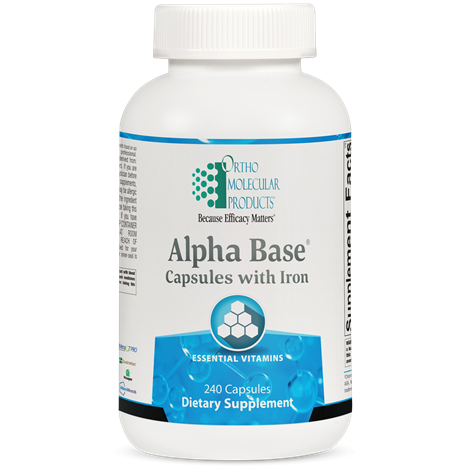
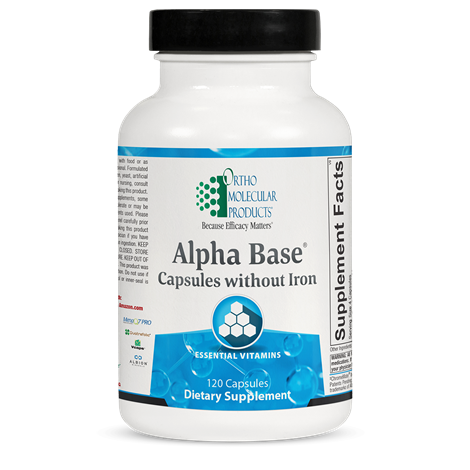
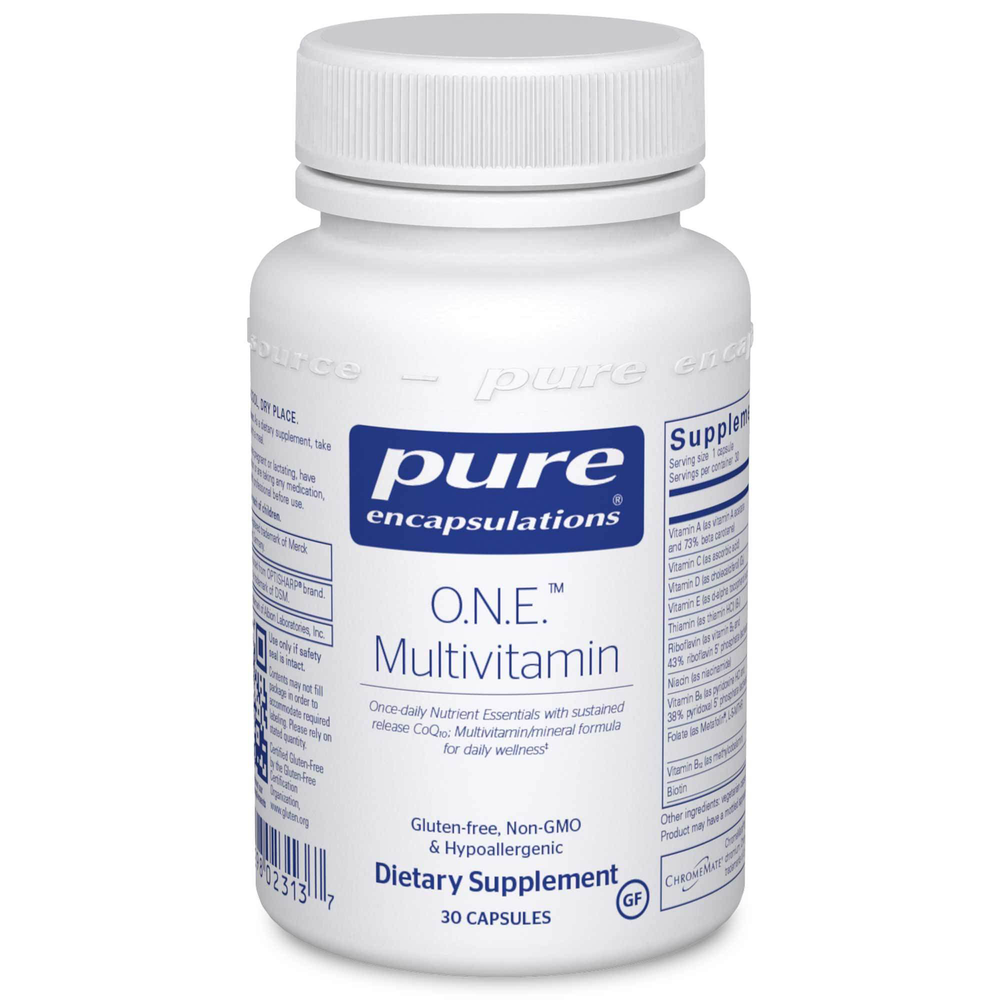
Look for active forms (methylfolate over folic acid, methyl-B12 over cyanocobalamin), chelated minerals for absorption, vitamin D3 over D2, and doses near 100% Daily Value rather than mega-doses. Avoid products with iron unless your labs show deficiency.
When is the best time to take a multivitamin?
With a meal that contains some fat. The fat-soluble vitamins (A, D, E, K) and CoQ10 absorb better with dietary fat. Splitting the dose between breakfast and lunch can also reduce stomach upset.
Should men and women take different multivitamins?
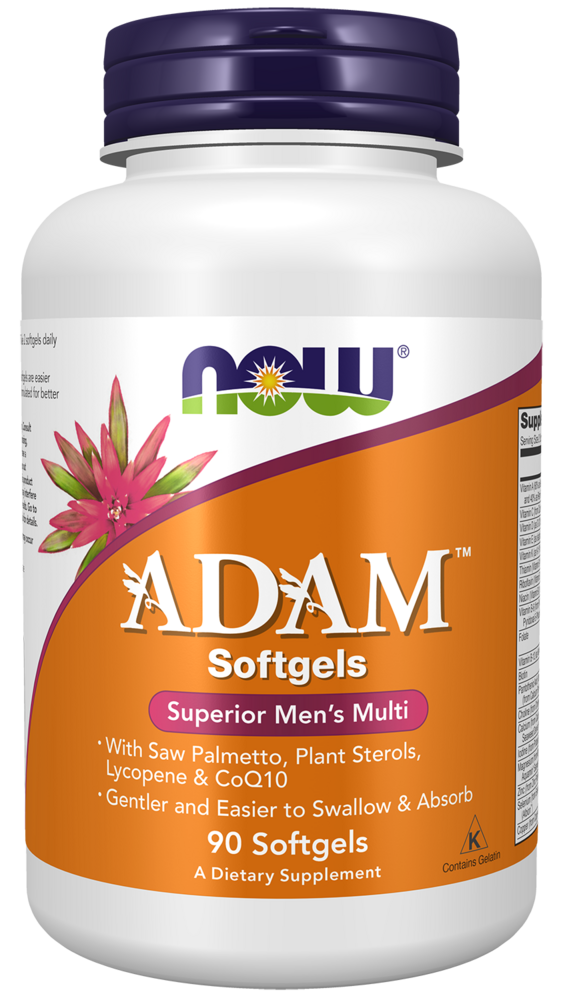
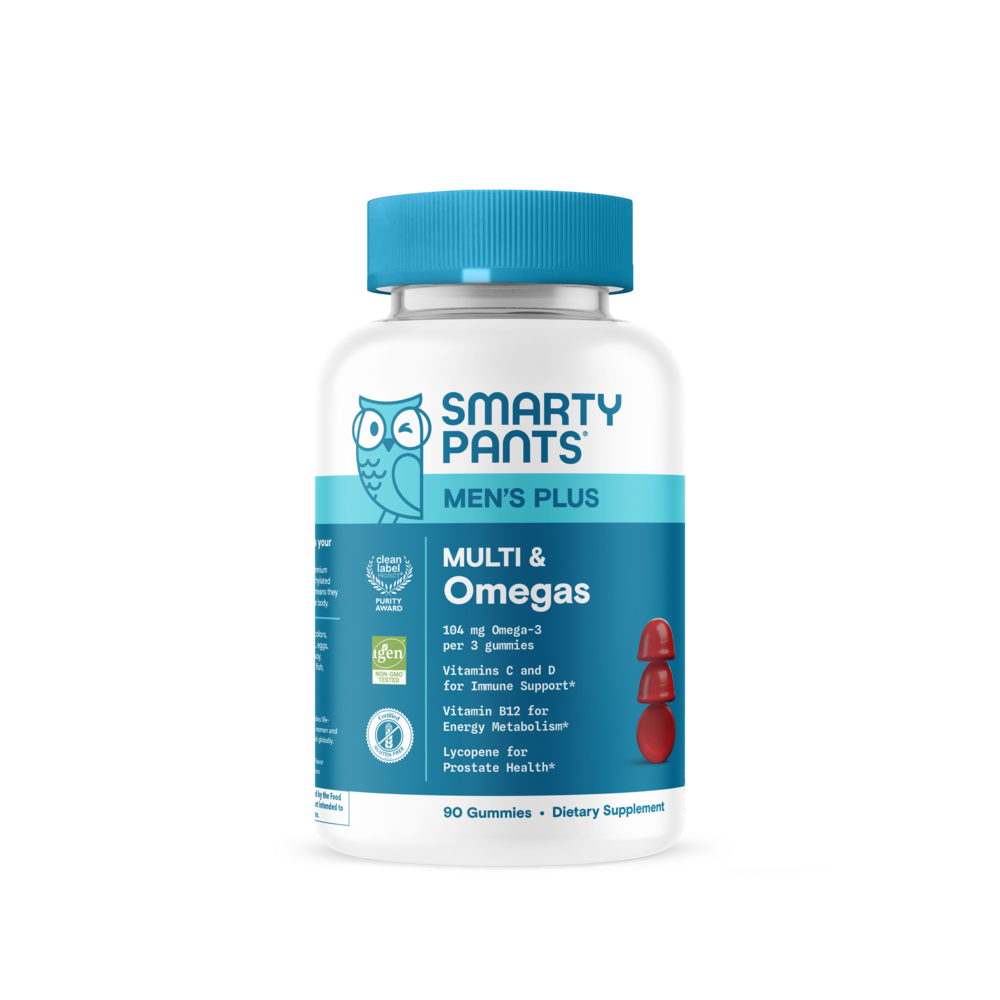
Yes, in two key areas: iron (women of reproductive age generally need more; men and postmenopausal women generally need less) and calcium (premenopausal women may need more). Many gender-specific multis adjust these plus add targeted nutrients like prostate-support botanicals or hormone-cycle nutrients.
Are gummy multivitamins as good as capsules?
Gummies typically contain less of certain nutrients (especially iron, magnesium, and minerals that taste poor) and add 2–4 g of sugar per serving. They're a reasonable option if you won't take capsules, but capsules and tablets generally deliver more comprehensive coverage at lower cost.
Can I take a multivitamin with my prescriptions?
Most multivitamins are compatible with most prescriptions, but minerals can interfere with thyroid medication, certain antibiotics (tetracyclines, fluoroquinolones), bisphosphonates, and levodopa. Take medications and the multivitamin at least 2–4 hours apart, and check with your pharmacist.
Are mega-dose multivitamins better?
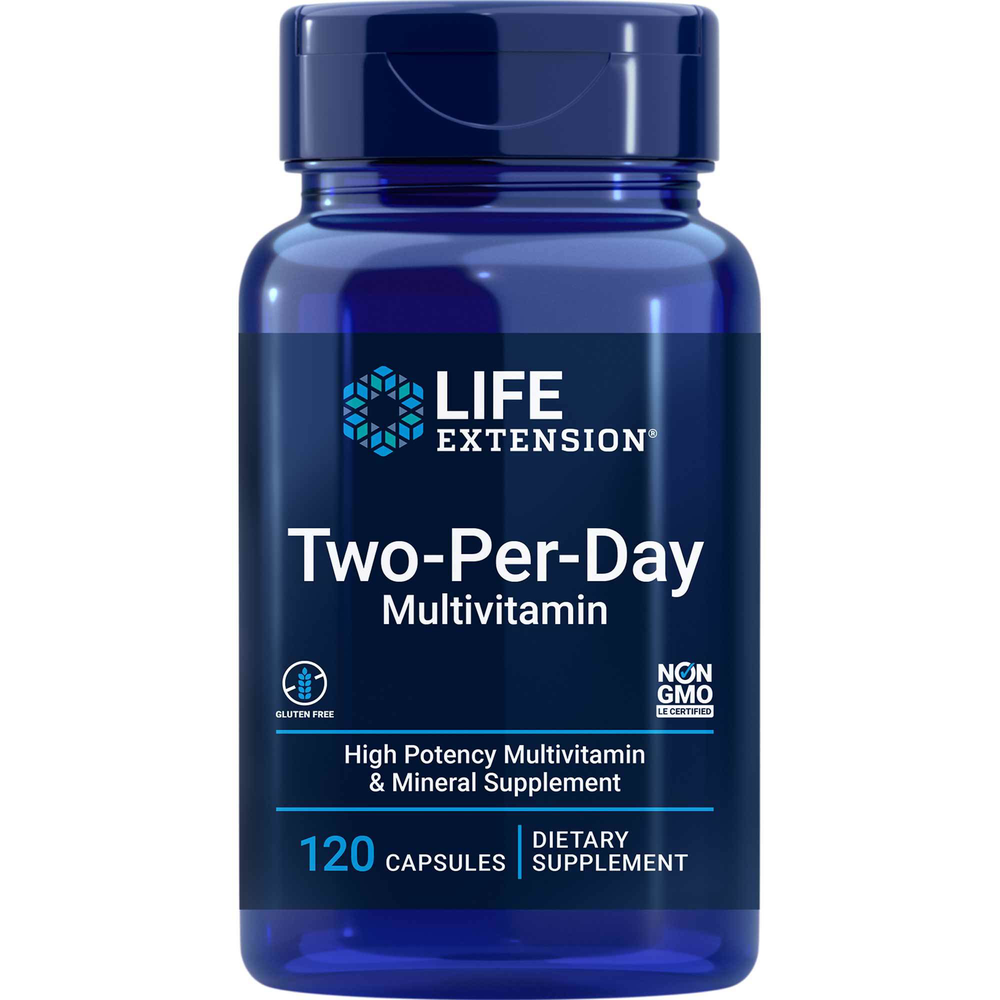
No. For most nutrients, doses near 100% DV are sufficient and safer. Mega-doses of fat-soluble vitamins (A, E) and minerals (iron, zinc, copper) can cause toxicity over time. Vitamin D and B12 are exceptions where higher daily intakes are well-tolerated.
How long until I notice effects from a multivitamin?
If you have a true deficiency (low ferritin, low B12, low vitamin D), corrected energy and cognition can show in 2–6 weeks. If your nutrient status is already adequate, you typically won't "feel" a multivitamin — its role is preventive over years, not symptom relief.
Can I take a multivitamin during pregnancy?
Use a prenatal multivitamin during pregnancy and preconception, not a standard adult multi. Prenatals deliver more folate (or methylfolate), more iron, choline, and DHA at evidence-based doses for fetal development. Some adult multis exceed safe vitamin A levels for pregnancy.
Who should not take a multivitamin?
People with hemochromatosis or iron-overload conditions should avoid iron-containing multis. Smokers should avoid high-dose beta-carotene products. Anyone with kidney disease, copper-storage disorders (Wilson's), or on warfarin should consult a clinician before starting any multi.