 Instalab
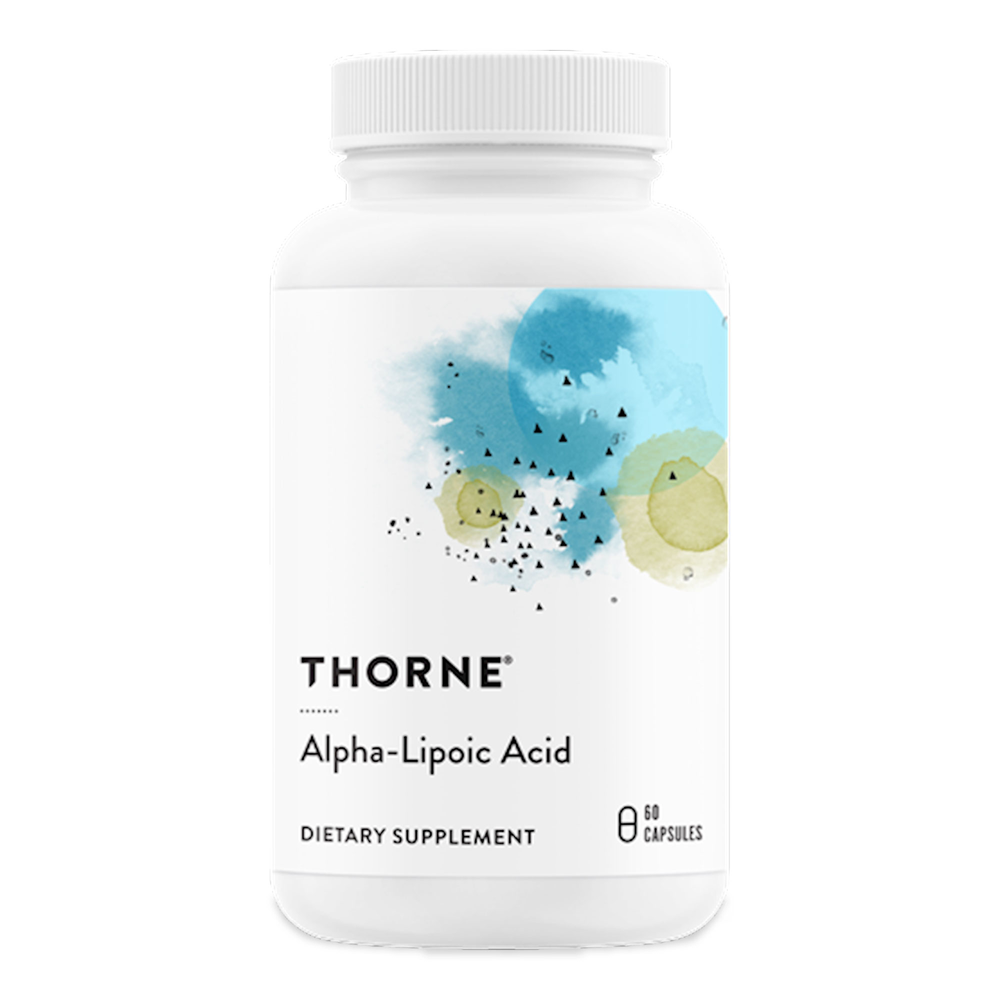
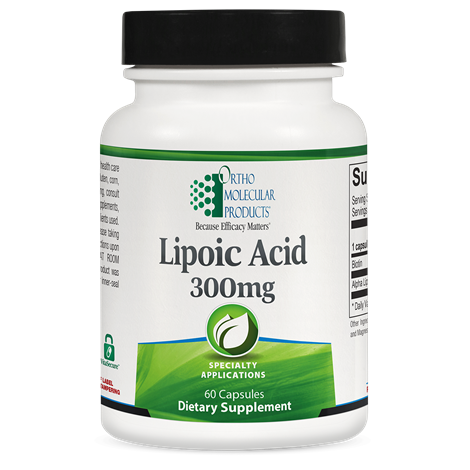
Alpha Lipoic Acid
Alpha lipoic acid is a universal antioxidant used for blood sugar support and nerve health.
Our vetting standard
Every alpha lipoic acid formula here clears the same bar.
- Clinically studied, effective doses
- Bioavailable, well-absorbed forms
- Practitioner-grade, trusted brands
- Third-party tested for identity and potency
See if it's actually working
Fasting insulin and HOMA-IR move first; HbA1c needs the full three months to reflect the change because it averages the whole red-cell lifespan.
Alpha Lipoic Acid FAQs
What is alpha lipoic acid (ALA) used for?
ALA is a water- and fat-soluble antioxidant that regenerates other antioxidants (vitamin C, vitamin E, glutathione) and supports mitochondrial energy production. It's most studied for diabetic peripheral neuropathy, insulin sensitivity, and oxidative stress.
How much ALA should I take?
Typical doses are 300–600 mg per day for general antioxidant support and up to 1,800 mg per day in clinical studies of diabetic neuropathy. R-ALA, the bioactive isomer, is dosed about half as much as the racemic mixture.
Should I take ALA with or without food?
ALA absorbs best on an empty stomach. Take it 30 minutes before a meal or 2 hours after. Splitting larger doses (e.g., 300 mg twice daily) can improve tolerance and steady plasma levels.
What's the difference between R-ALA and racemic ALA?
Racemic ALA contains both R-ALA (the natural, bioactive form) and S-ALA (synthetic, inactive). R-ALA alone is roughly twice as bioavailable, so 300 mg of R-ALA approximates 600 mg of racemic ALA. R-ALA also has a longer plasma half-life. Look for stabilized R-ALA on labels.
Does ALA help with weight loss?
Meta-analyses show small but statistically significant reductions in body weight (~1.5 kg) and waist circumference with 600–1,800 mg per day for 8–12 weeks. The effect is modest and works best alongside diet changes — ALA is not a standalone weight-loss tool.
Can I take ALA with diabetes medications?
ALA improves insulin sensitivity and can lower blood glucose. If you take metformin, sulfonylureas, or insulin, monitor glucose closely when starting and coordinate with your prescriber, since dose adjustments may be needed to avoid hypoglycemia.
What are the side effects of ALA?
ALA is generally well-tolerated. The most common side effects are mild stomach upset, skin rash, and a temporary metallic taste. High doses can theoretically lower B-vitamin (especially biotin) status, so some practitioners pair ALA with a B-complex during long-term use.
How long does it take ALA to work for neuropathy?
In randomized trials of diabetic peripheral neuropathy, symptom improvement (pain, numbness, paresthesias) typically appears within 3–5 weeks at 600 mg per day, with continued improvement through 6 months. Don't expect overnight effects.
Is ALA safe during pregnancy?
There isn't enough safety data to recommend ALA during pregnancy or breastfeeding. Stick to food-first antioxidant strategies during this window unless your clinician specifically recommends ALA.
Who should not take ALA?
Avoid ALA if you have thiamine (B1) deficiency, untreated alcoholism, or are scheduled for surgery within two weeks. Use caution if you take thyroid medication — high-dose ALA can interfere with thyroid hormone activity in some studies.