 Instalab
Amino Acids
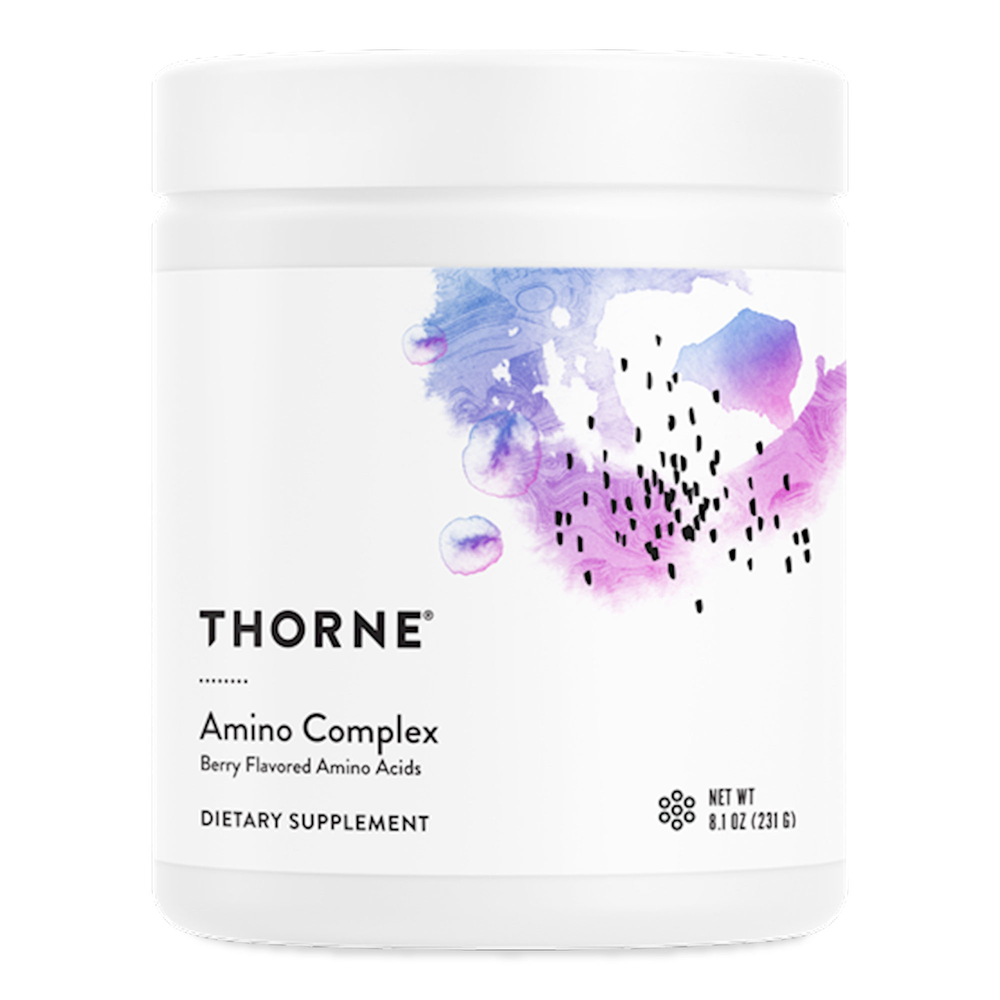
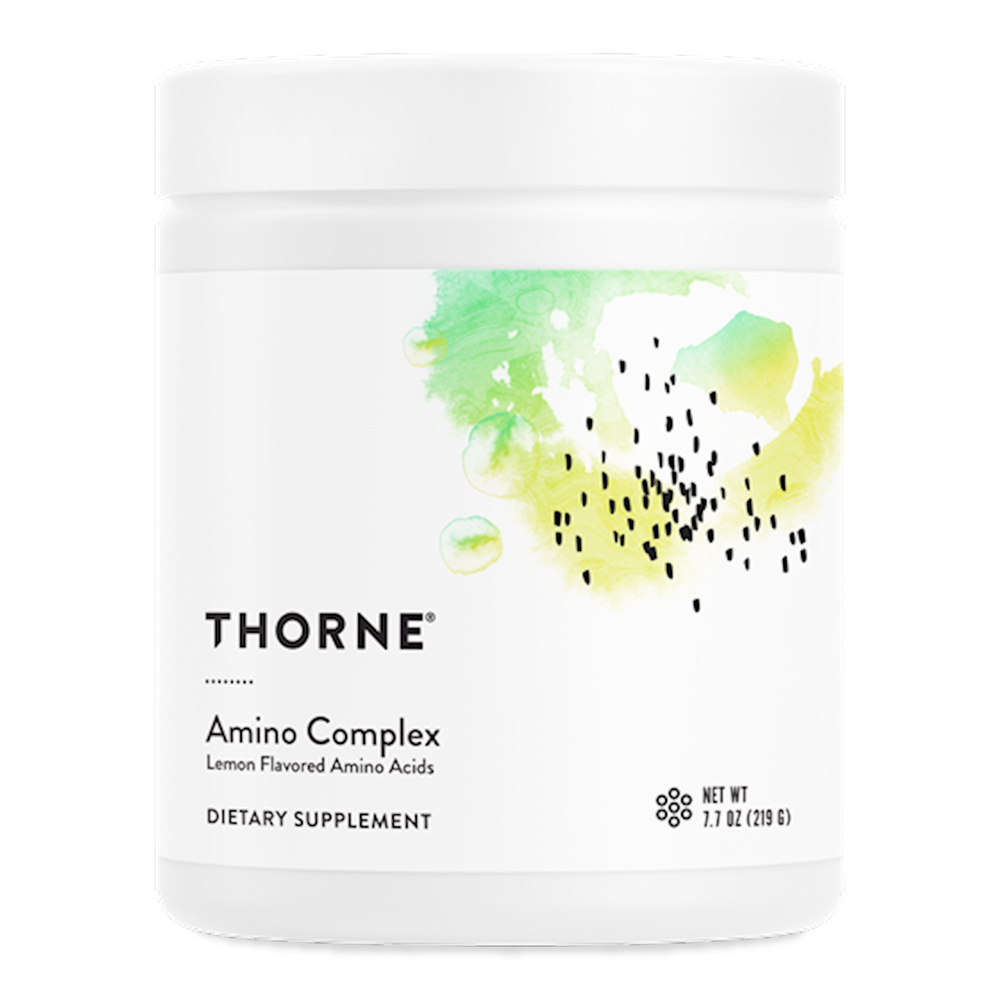
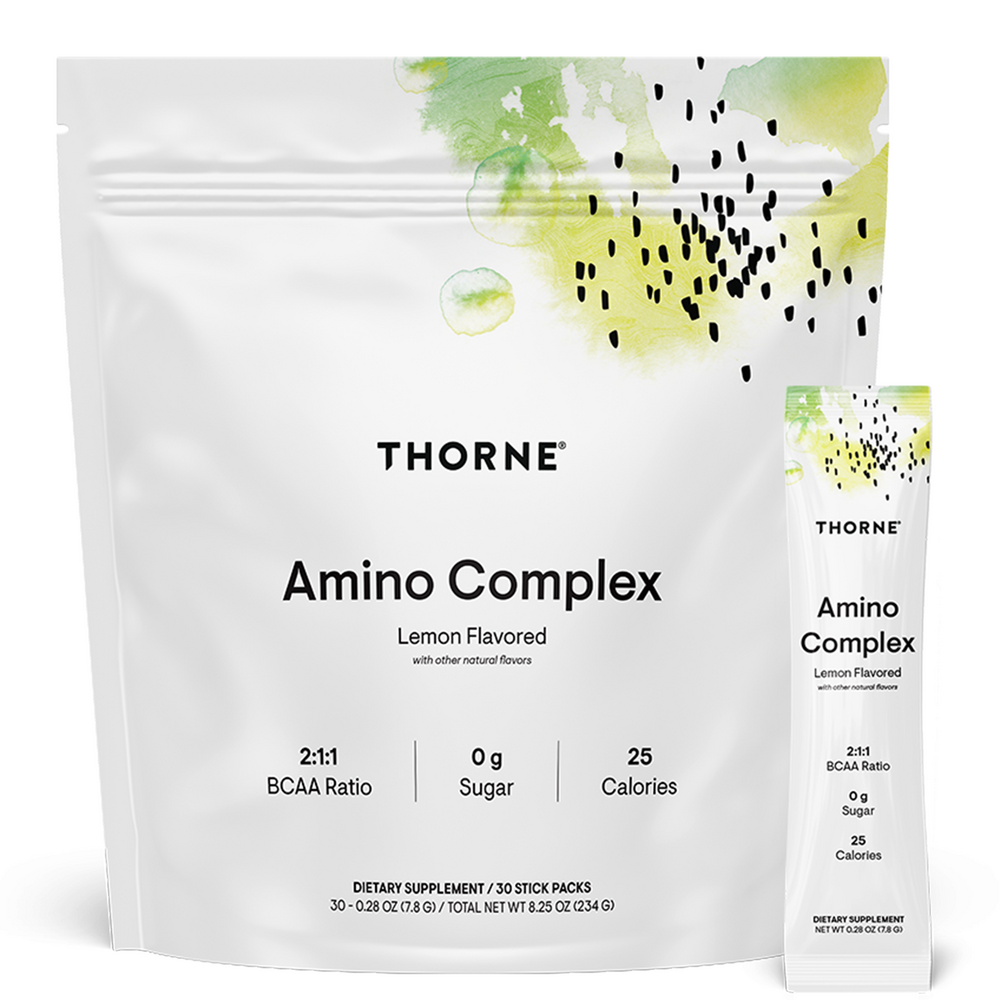
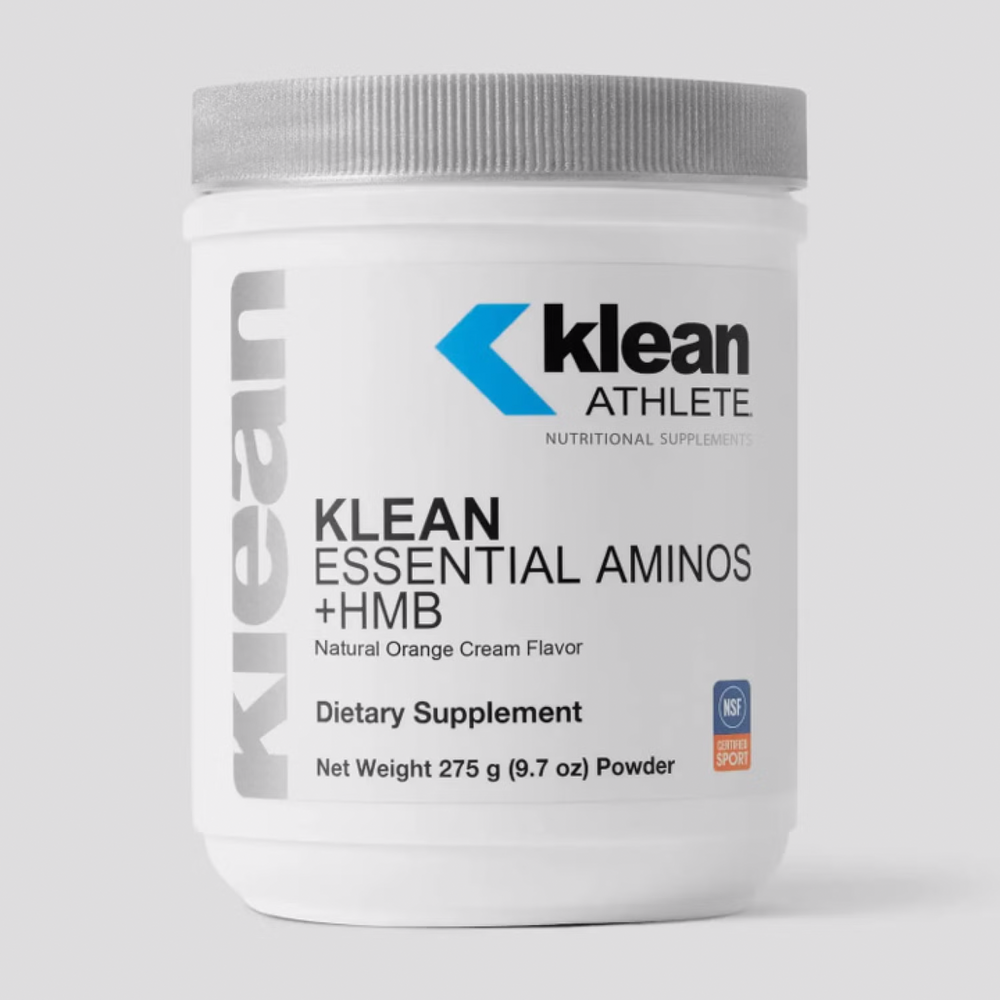
Essential and branched-chain amino acid blends support muscle repair and recovery.
Our vetting standard
Every amino acids formula here clears the same bar.
- Clinically studied, effective doses
- Bioavailable, well-absorbed forms
- Practitioner-grade, trusted brands
- Third-party tested for identity and potency
See if it's actually working
Plasma amino acids confirm the supplement is filling a real gap; whether that gap was the thing limiting you shows up as lean mass on a DEXA scan and in training performance, not in the amino levels themselves.
Amino Acids FAQs
What are amino complex supplements?
Amino complexes contain a balanced mix of essential amino acids (EAAs), the building blocks the body cannot make on its own. They support muscle protein synthesis, recovery, and tissue repair, and are useful for people who don't hit protein targets through food alone.
How are EAAs different from BCAAs?
BCAAs cover only three of the nine essential amino acids (leucine, isoleucine, valine). EAAs include all nine and trigger a more complete muscle protein synthesis response. Recent trials show EAAs outperform BCAAs gram-for-gram for muscle building.
When should I take amino acids?
Most people take them around training (before, during, or after workouts) or between meals on lower-protein days. A typical serving provides 5–10 g of EAAs.
Do I need amino acids if I already eat enough protein?
If you regularly hit 0.7–1.0 g of protein per pound of body weight from food, EAAs offer marginal benefit. They're most useful for people who train fasted, struggle to hit protein targets, eat plant-based, are aging (anabolic resistance), or are dieting in a deficit.
Can EAAs replace a protein shake?
Not really. Whole protein delivers EAAs along with non-essential amino acids, calories, and other nutrients. EAAs are best as a low-calorie, fast-absorbing complement (e.g., during long training sessions or fasted morning workouts), not a wholesale replacement for daily protein intake.
How much leucine should be in my EAA?
Leucine is the primary trigger for muscle protein synthesis. Aim for 2.5–3 g of leucine per serving. Most quality EAA blends provide this within a 5–10 g total dose by weighting the formula toward leucine.
Are EAAs safe for daily use?
Yes. EAAs at typical doses (5–15 g per day) are well-tolerated and considered safe for healthy adults during long-term use. Very high doses on top of high dietary protein add nitrogen load to the kidneys, so people with chronic kidney disease should consult a clinician.
Will EAAs break a fast?
Technically yes — amino acids stimulate insulin and mTOR, breaking a strict fast. They will not break a fat-loss fast meaningfully (very few calories), but they will break an autophagy-focused fast. Choose based on your fasting goal.
What's the difference between EAAs and whey protein?
Whey is a complete protein containing all EAAs plus non-essential amino acids and bioactive peptides. EAAs are pure free-form amino acids that absorb faster (peak in ~30 min vs ~90 min for whey) but lack whey's broader nutritional profile. Whey is generally better value per gram of protein.
Who should not take EAAs?
People with chronic kidney disease, urea cycle disorders, maple syrup urine disease, or phenylketonuria should avoid free-form amino acid supplements without medical supervision. Pregnant and breastfeeding women should rely on whole-food protein sources instead.