 Instalab
Antioxidants
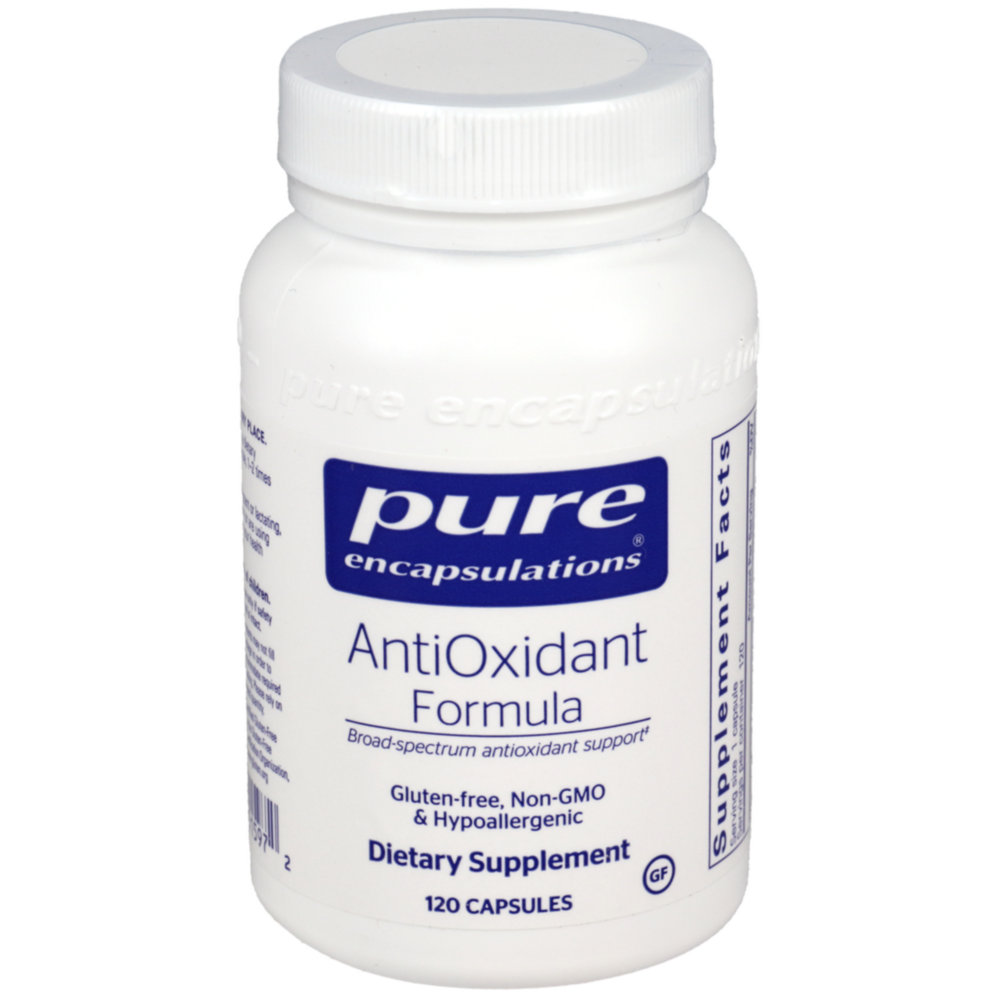
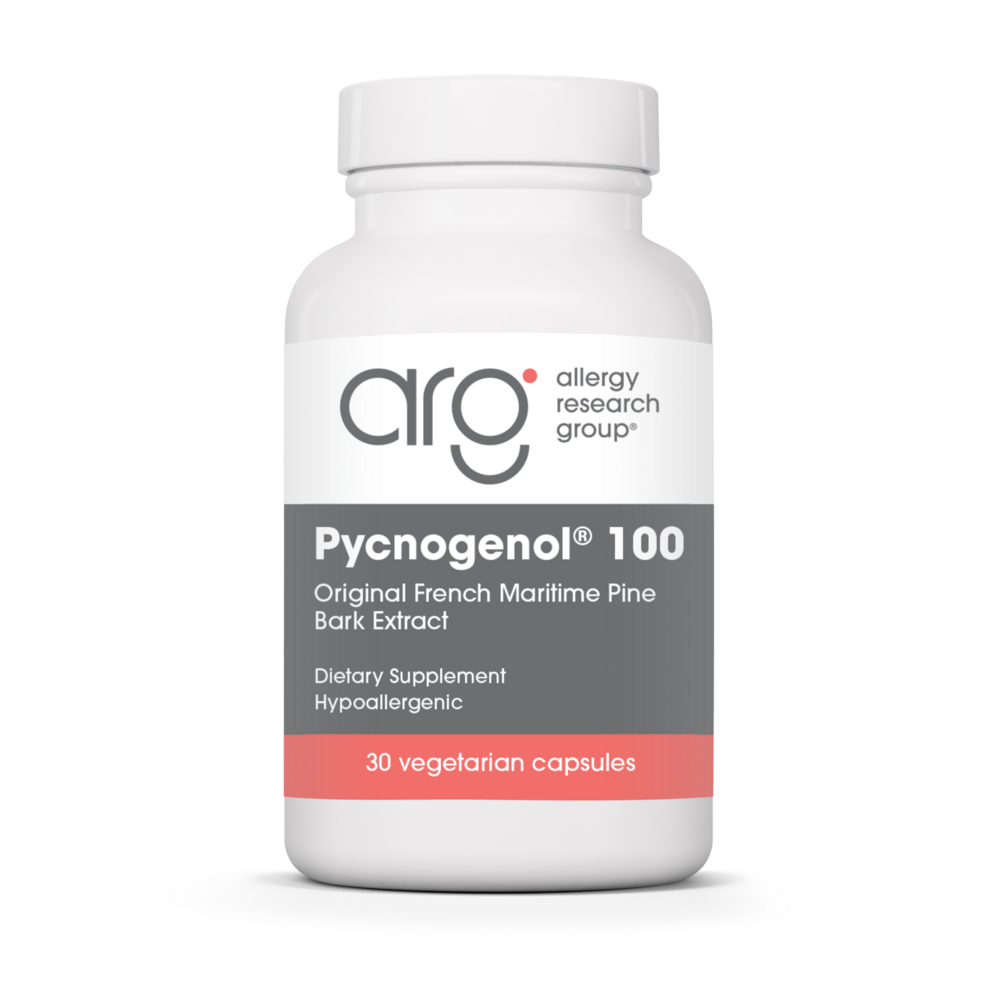
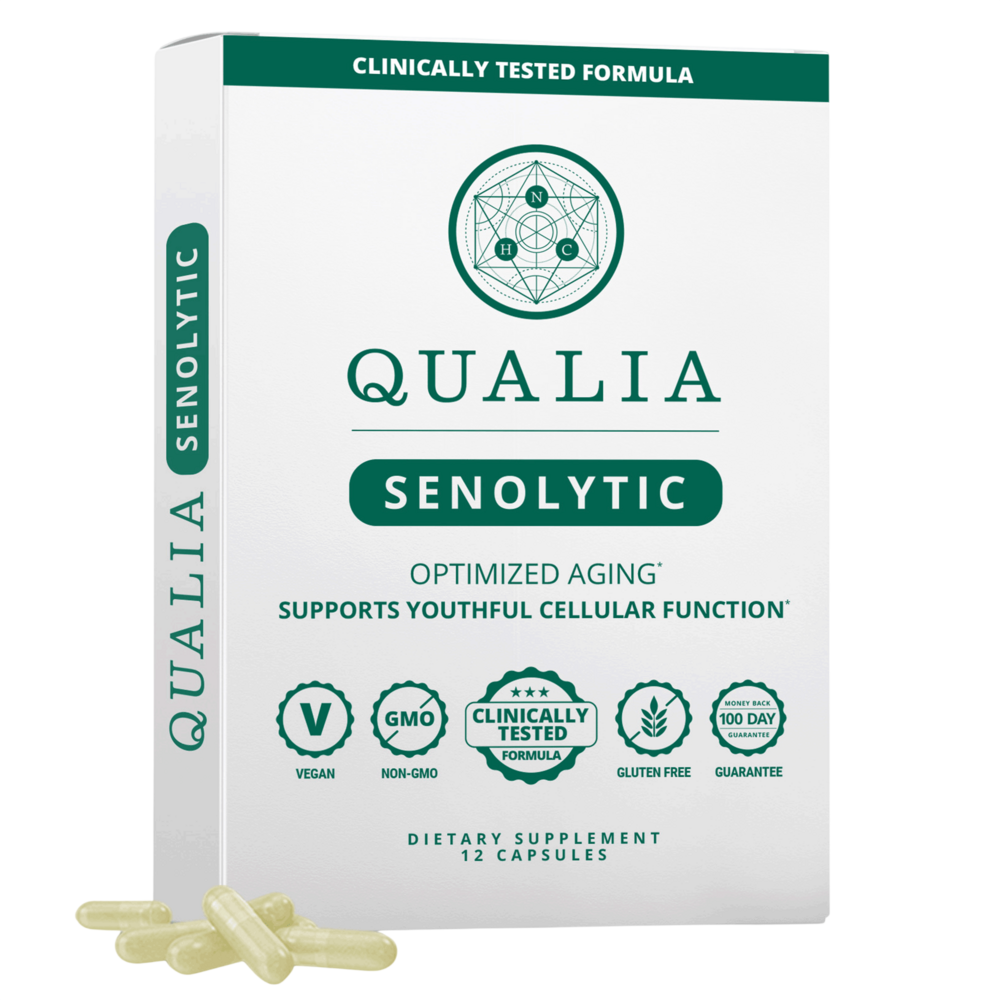
Antioxidant blends combat oxidative stress with vitamins, polyphenols, and bioactives.
Our vetting standard
Every antioxidants formula here clears the same bar.
- Clinically studied, effective doses
- Bioavailable, well-absorbed forms
- Practitioner-grade, trusted brands
- Third-party tested for identity and potency
See if it's actually working
Glutathione and the individual antioxidant levels should rise into range; hs-CRP falling alongside them is the sign the oxidative load actually eased.
Antioxidants FAQs
What do antioxidants do?
Antioxidants neutralize free radicals, the reactive molecules generated by metabolism, pollution, UV exposure, and intense exercise. Chronic oxidative stress contributes to aging, cardiovascular disease, and neurodegeneration, so balanced antioxidant intake supports long-term health.
Should I take antioxidants from supplements or food?
Food first. Berries, leafy greens, dark chocolate, green tea, and colorful vegetables provide antioxidants in synergistic combinations. Supplements help bridge dietary gaps, especially for compounds like CoQ10, alpha lipoic acid, and astaxanthin that are hard to get from food alone.
Can I take too many antioxidants?
Yes. Mega-dosing isolated antioxidants (especially vitamin E above 400 IU/day or beta-carotene in smokers) has been linked to worse outcomes in some trials. A balanced blend at moderate doses is safer than high-dose single-nutrient supplements.
Will antioxidants blunt my workout adaptations?
Possibly. High doses of vitamin C (>1,000 mg) and vitamin E (>400 IU) taken right around training have been shown in some studies to dampen mitochondrial biogenesis and strength gains. If you supplement antioxidants, take them away from training (e.g., morning if you train in evening) to preserve adaptations.
What are the most evidence-backed antioxidants?
CoQ10, alpha lipoic acid, astaxanthin, glutathione (or NAC as a precursor), curcumin, resveratrol, and the dietary antioxidants vitamin C, vitamin E, and selenium have the strongest research. Polyphenol-rich foods like green tea, berries, and pomegranate consistently outperform isolated supplements.
Are antioxidant supplements safe long-term?
Most are safe at recommended doses. Caution areas: vitamin E above 400 IU may increase bleeding risk; selenium above 200 mcg may increase diabetes risk; beta-carotene at high doses raises lung cancer risk in smokers. Stick to label doses and food-first sources for chronic use.
Should I take antioxidants if I have cancer?
Talk to your oncologist. Some antioxidants may interfere with chemotherapy and radiation, which work in part by generating oxidative stress to kill cancer cells. Decisions about supplement use during cancer treatment should be individualized.
How long until I notice effects from antioxidants?
Antioxidants don't produce dramatic short-term symptoms — their value is preventive. Lab markers like oxidized LDL, F2-isoprostanes, and 8-OHdG can shift in 4–12 weeks. Skin texture, recovery time, and energy may show subjective improvement over 1–3 months.
Can I take antioxidants with statins or blood thinners?
CoQ10 is often paired with statins (which deplete it). Vitamin E, fish oil, and turmeric can add to anticoagulant effects with warfarin or aspirin — coordinate with a clinician if you're on blood thinners. Most other antioxidants are compatible with cardiovascular medications.
Are antioxidants safe during pregnancy?
Food-based antioxidants (fruits, vegetables, green tea in moderation) are encouraged during pregnancy. High-dose isolated antioxidant supplements lack pregnancy safety data and should only be used under clinician guidance, with the exception of standard prenatal vitamins.