 Instalab
Ashwagandha
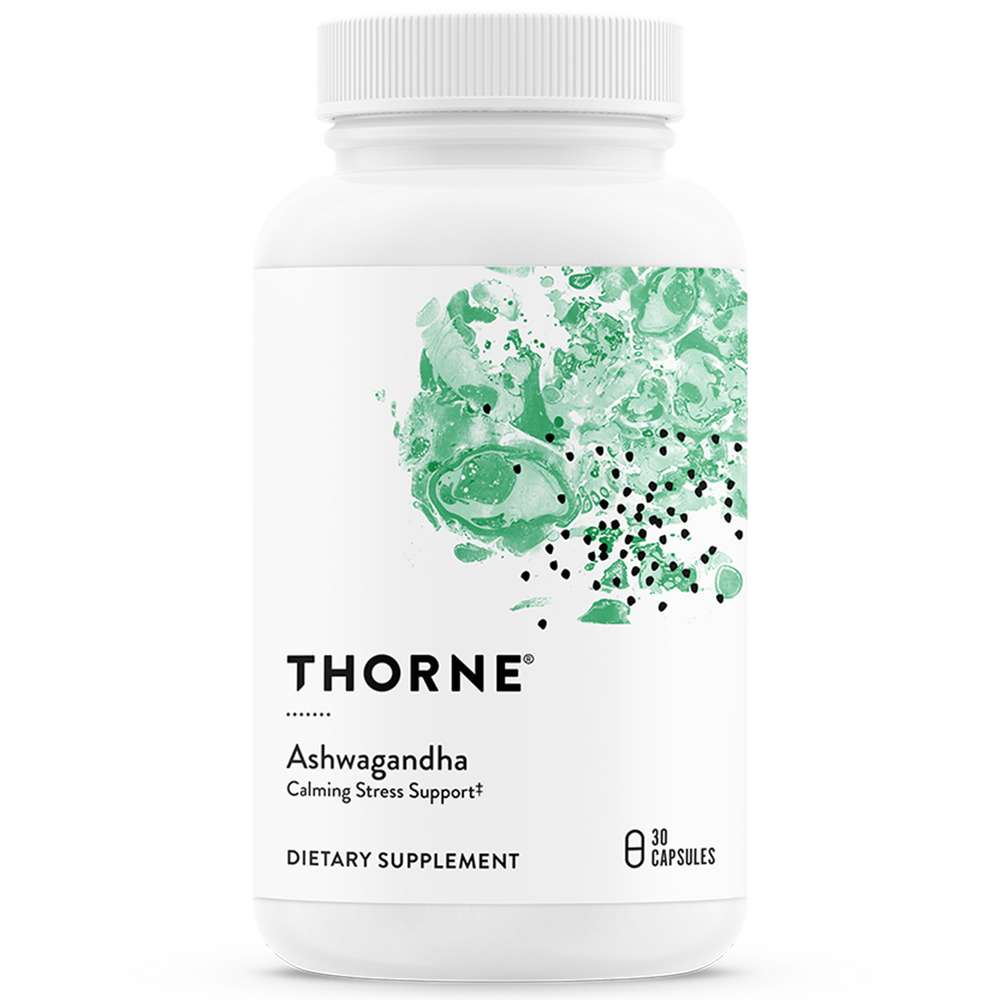
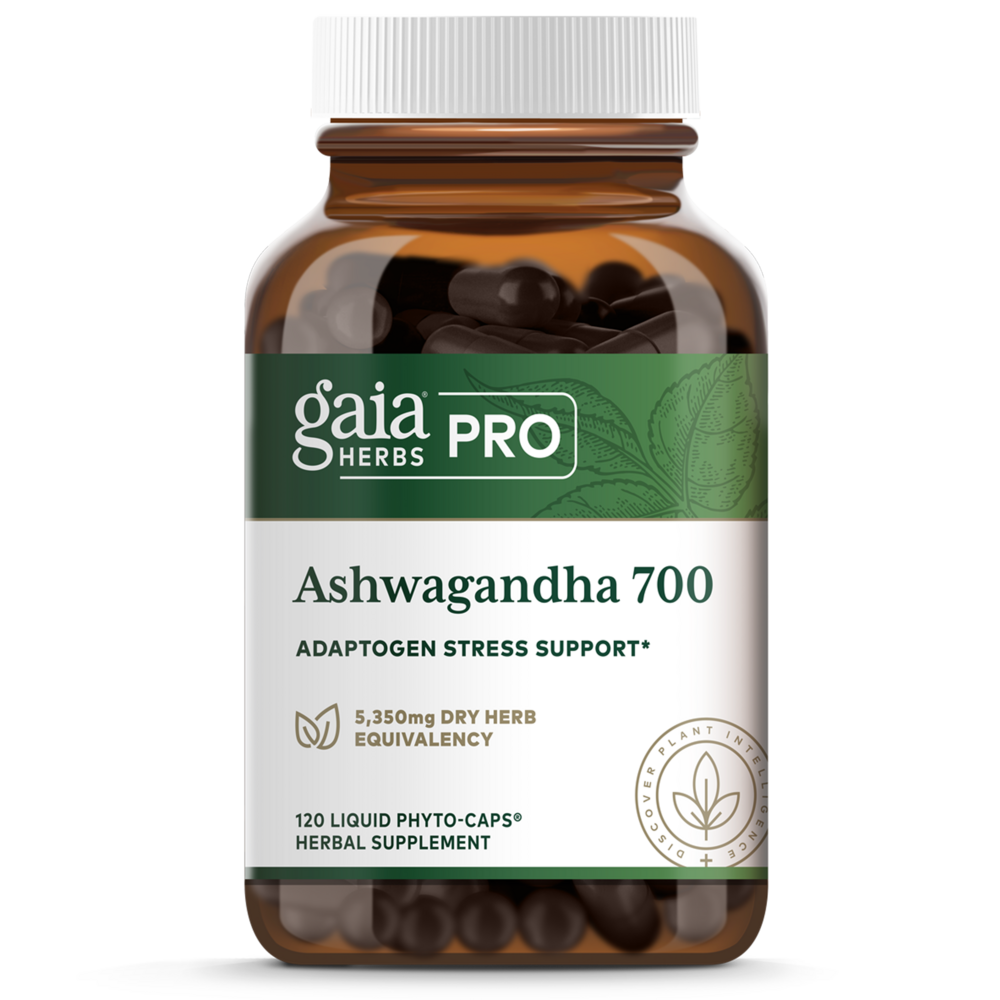
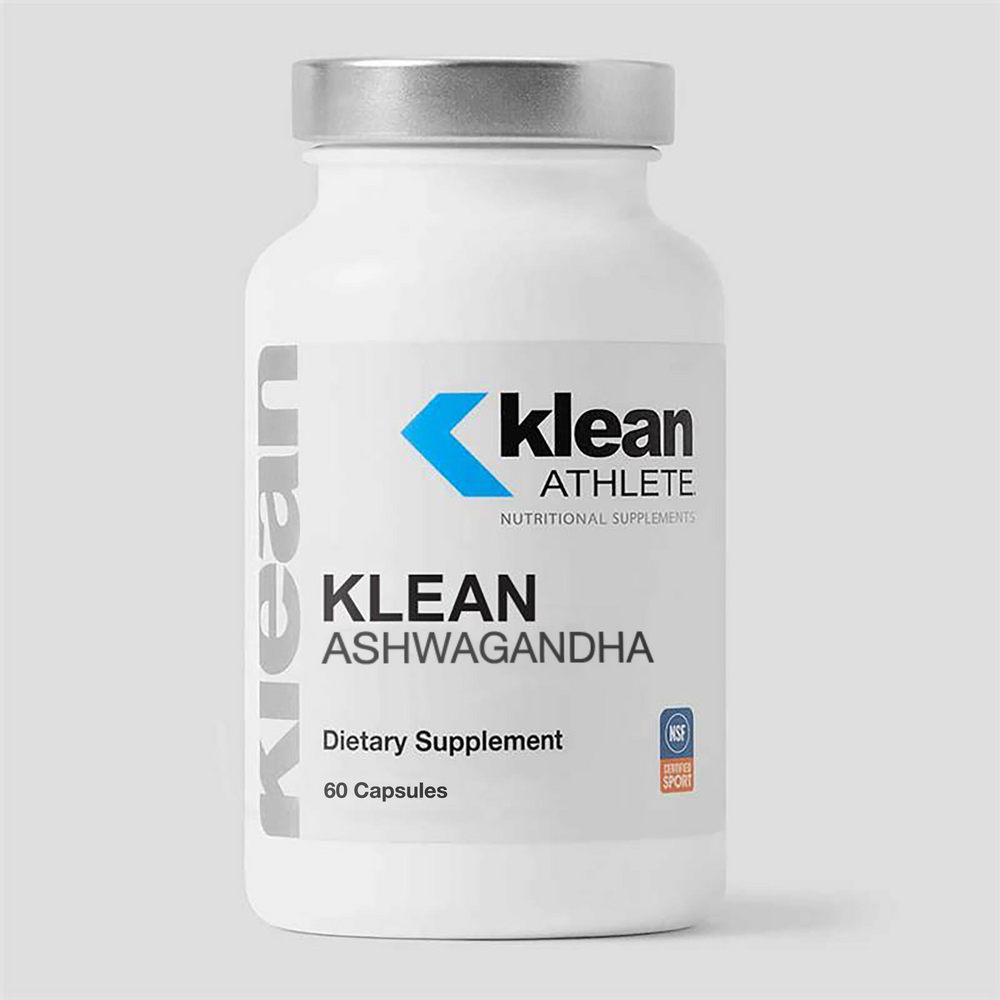
Ashwagandha is an adaptogen used to support stress response, sleep, and resilience.
Our vetting standard
Every ashwagandha formula here clears the same bar.
- Clinically studied, effective doses
- Bioavailable, well-absorbed forms
- Practitioner-grade, trusted brands
- Third-party tested for identity and potency
See if it's actually working
Read this as a safety retest first: ashwagandha has documented case reports of liver injury and of thyrotoxicosis, so rising ALT or a suppressed TSH means stop, whatever the cortisol did.
Ashwagandha FAQs
What does ashwagandha do?
Ashwagandha is an adaptogenic herb that helps the body manage stress by lowering cortisol and supporting the HPA axis. Clinical trials show benefits for perceived stress, sleep quality, anxiety, and even strength gains during resistance training.
How much ashwagandha should I take?
Studied doses range from 300 mg to 600 mg per day of a standardized extract (KSM-66 or Sensoril are the most-studied). Effects on stress and sleep typically show within 4–8 weeks of consistent use.
Are there side effects to be aware of?
Most people tolerate it well. It can be sedating at high doses and may affect thyroid function (typically increasing thyroid hormone), so people with hyperthyroidism, those on thyroid medication, or pregnant women should consult a clinician before starting.
When is the best time to take ashwagandha?
For sleep and evening cortisol, take it at dinner or 1 hour before bed. For daytime stress support, take it with breakfast. Splitting the dose (e.g., 300 mg morning + 300 mg evening) provides round-the-clock cortisol regulation. Take with food for better absorption.
What's the difference between KSM-66 and Sensoril ashwagandha?
KSM-66 is a root-only extract (5% withanolides), associated with strength, testosterone, and fertility benefits. Sensoril uses both root and leaf (10% withanolides), is more sedating, and is more studied for sleep and anxiety. Both are clinically validated — choose based on your primary goal.
Does ashwagandha boost testosterone?
In men with stress, infertility, or low baseline T, ashwagandha (KSM-66, 600 mg) increased testosterone 14–22% in trials lasting 8–16 weeks. In healthy men with normal T, increases are smaller. It's a stress-mediated effect more than a direct hormonal stimulant.
Should I cycle ashwagandha?
Many practitioners recommend 8–12 weeks on, then a 2–4 week break. Long uninterrupted use can blunt cortisol responsiveness or affect thyroid balance. Cycling helps maintain efficacy and lets you reassess whether you still need it.
How long does ashwagandha take to work?
Subjective improvements in sleep and stress often appear within 1–2 weeks. Cortisol reductions, testosterone changes, and strength benefits typically take 4–8 weeks of consistent dosing. Don't judge effectiveness from a single dose.
Can I take ashwagandha with antidepressants or anxiety medications?
Use caution. Ashwagandha can add to sedative effects of benzodiazepines and CNS depressants. It may also interact with thyroid medications. Coordinate with your prescriber before adding it to SSRIs, benzodiazepines, or thyroid hormone replacement.
Is ashwagandha safe during pregnancy?
No. Ashwagandha is contraindicated in pregnancy due to traditional use as an abortifacient and limited safety data. Avoid during breastfeeding as well unless specifically cleared by your OB.
Who should not take ashwagandha?
Avoid during pregnancy, with hyperthyroidism, with autoimmune conditions (lupus, MS, RA — it can stimulate immune activity), and before surgery (sedative effects). Use caution if you take immunosuppressants, sedatives, or thyroid medication.