 Instalab
B Complex
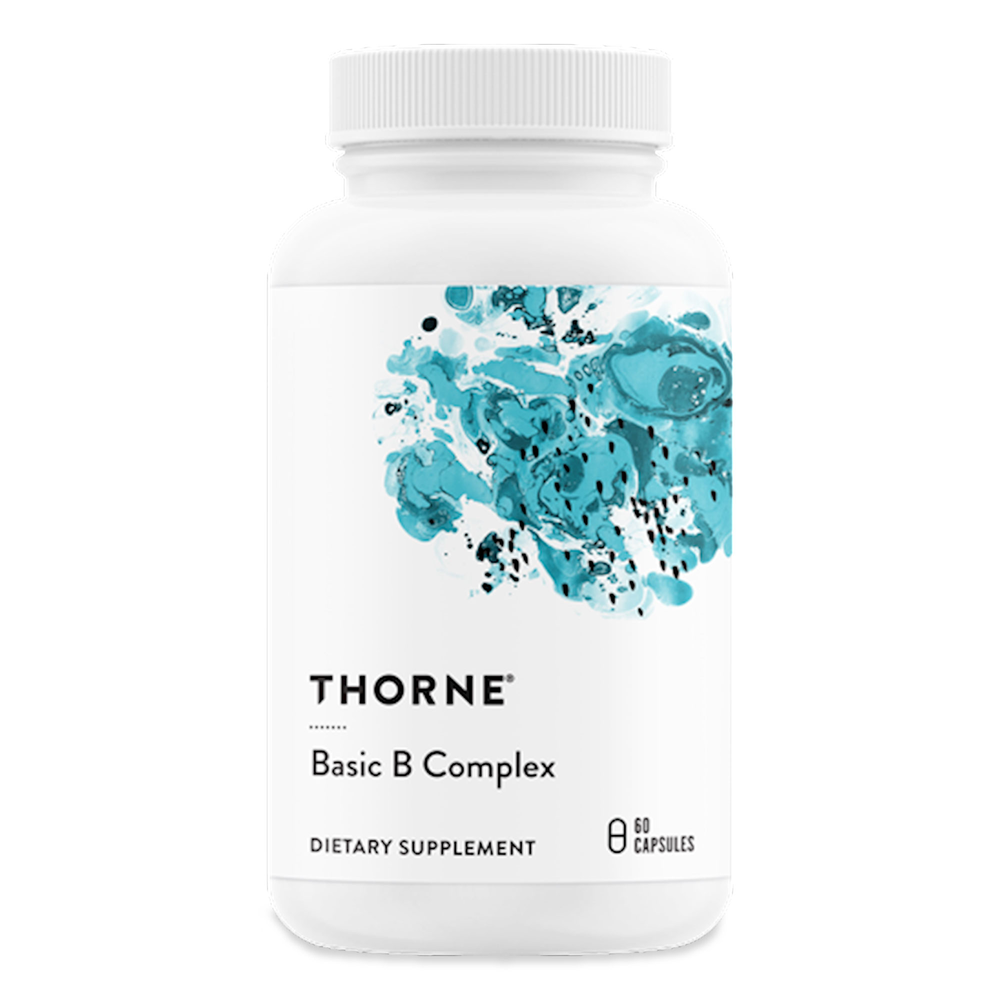
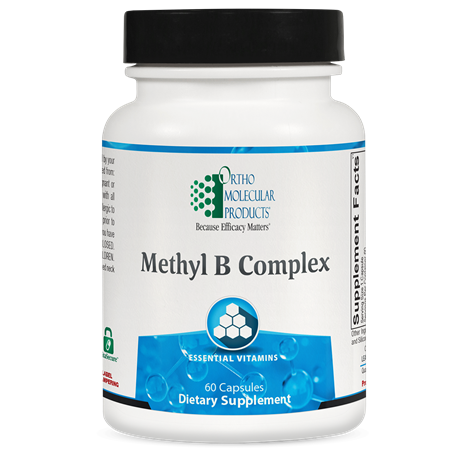
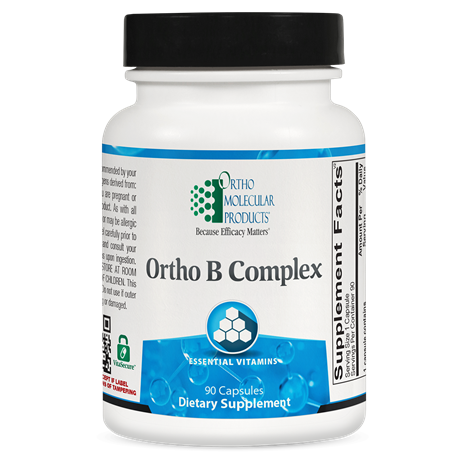
B-complex formulas deliver all eight B vitamins in active forms for energy, nerve, and methylation support.
Our vetting standard
Every b complex formula here clears the same bar.
- Clinically studied, effective doses
- Bioavailable, well-absorbed forms
- Practitioner-grade, trusted brands
- Third-party tested for identity and potency
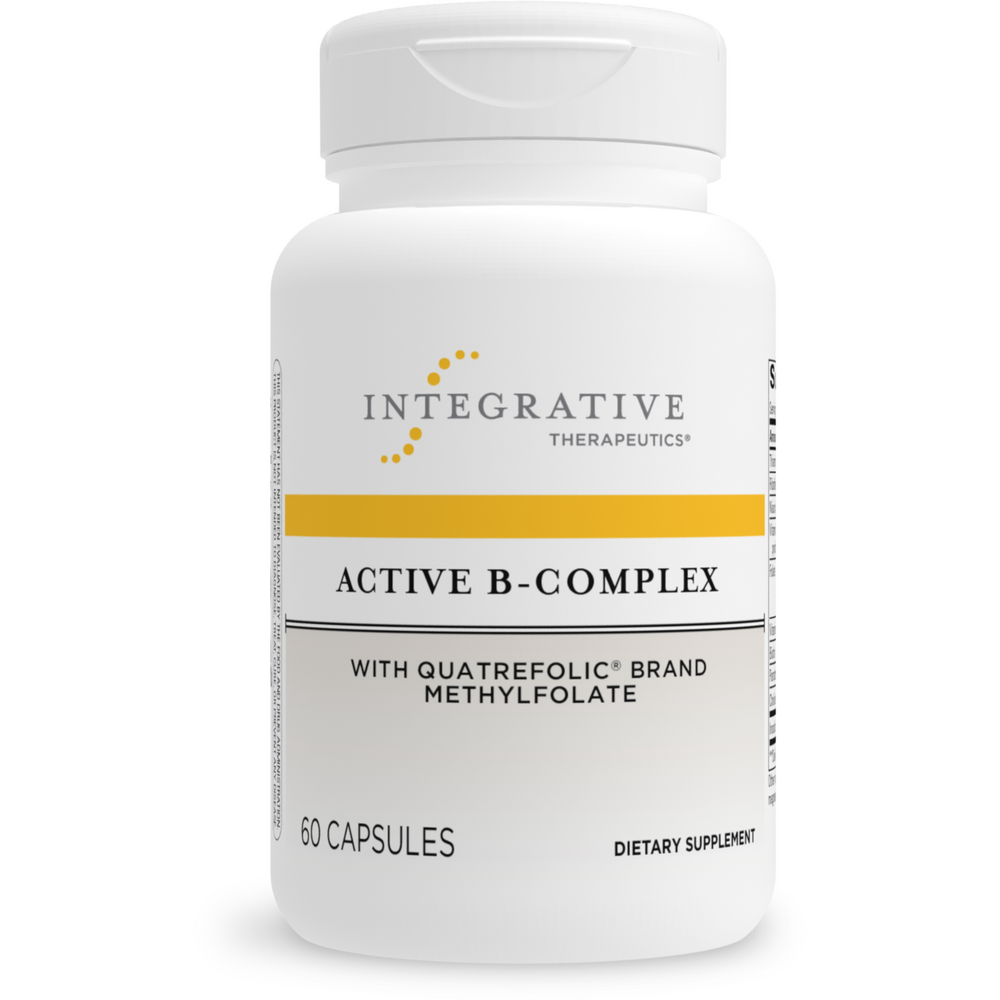
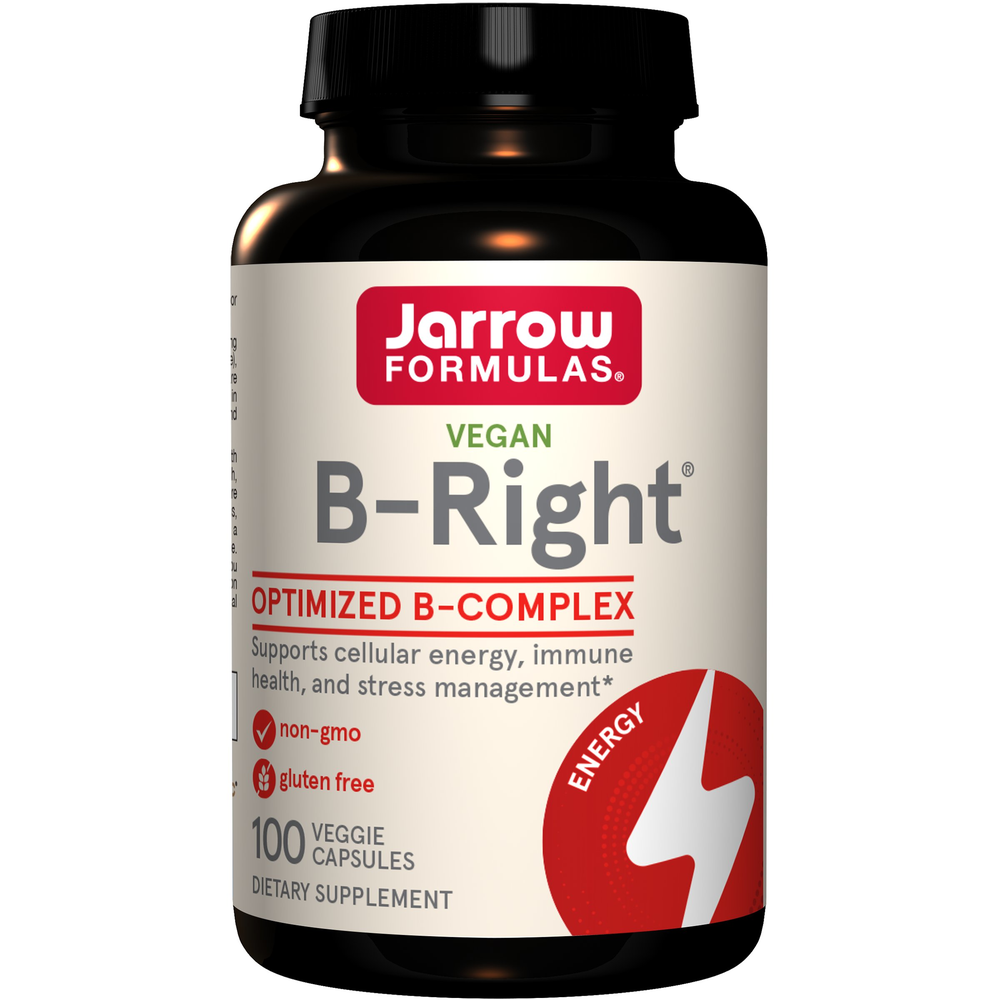
See if it's actually working
Every B that was low should be back in range and homocysteine should fall; a homocysteine that will not move points to a B12, riboflavin or kidney issue rather than a dosing one.
B Complex FAQs
What does a B complex do?
B vitamins work together to convert food into energy, build red blood cells, support nervous system function, and run methylation reactions that affect detoxification, neurotransmitter production, and DNA repair. Deficiencies in any one B can affect the others.
Why do active forms (methylated B vitamins) matter?
Methylated forms (methylfolate, methyl-B12, P5P, riboflavin-5-phosphate) bypass conversion steps the body needs to use the vitamin. People with MTHFR variants, methylation issues, or absorption problems benefit most from active forms.
Will B vitamins make me jittery?
Some people feel an energy lift from B vitamins, particularly B12 and B5. Take it with breakfast or lunch rather than evening to avoid sleep disruption. If the dose feels too stimulating, lower it or switch to non-methylated forms.
Why does my urine turn bright yellow?
That's riboflavin (B2). It's water-soluble, brightly colored, and excess is excreted in urine within hours. Bright-yellow urine after B-complex is normal and harmless — it just means you absorbed more than you needed.
Should I take B complex on an empty stomach?
With food is usually better — it improves absorption and reduces nausea. The exception: if you also take levodopa for Parkinson's, take vitamin B6 (P5P) at a different time, since it can reduce levodopa effectiveness.
Can I get B vitamins from food?
Most B vitamins (B1, B2, B3, B5, B6) are widely available in whole grains, meat, eggs, and vegetables. B12 is unique — it's only found in animal products and fermented foods, so vegans and vegetarians need supplementation. Folate is abundant in leafy greens.
Who needs more B vitamins than average?
Vegans and vegetarians (B12), people on metformin or proton-pump inhibitors (B12), people with MTHFR variants (folate), pregnant women (folate, B6, B12), older adults (B12 absorption declines with age), heavy alcohol users (B1 thiamine), and people on hormonal birth control (B6, folate).
What's the difference between folate and folic acid?
Folate is the natural form found in food. Folic acid is the synthetic form used to fortify cereals and many supplements. Methylfolate (5-MTHF) is the active form. About 30–40% of people have MTHFR variants that reduce conversion of folic acid — they should choose methylfolate.
Are there side effects from high-dose B vitamins?
Excess B6 above 200 mg/day chronically can cause nerve damage. High-dose niacin (B3) above 500 mg can cause flushing, liver stress, and elevated blood sugar. The rest are water-soluble with low toxicity, but B vitamins can cause mild nausea or vivid dreams in sensitive people.
Are B-complex vitamins safe during pregnancy?
Yes, and often essential. Folate (or methylfolate), B6, B12, and choline are critical for fetal development. Most prenatal vitamins include them at appropriate doses. Don't double up by taking a separate B-complex on top of a prenatal without checking total amounts.