 Instalab
Branched Chain Amino Acids
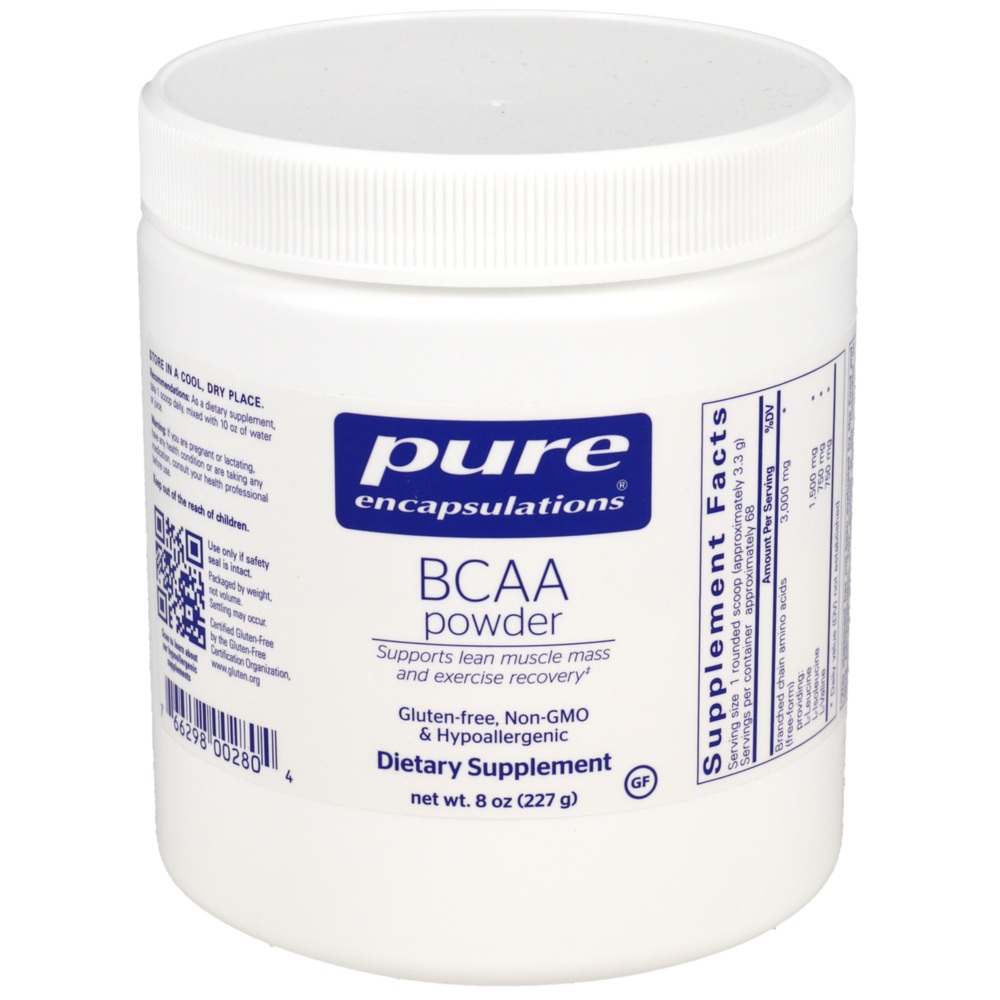
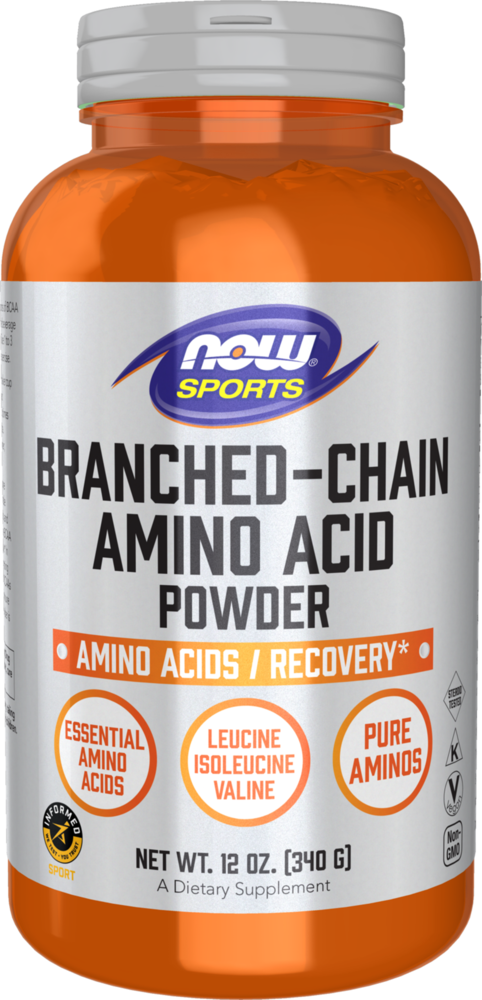
Branched-chain amino acids (leucine, isoleucine, valine) support training output and recovery.
Our vetting standard
Every branched chain amino acids formula here clears the same bar.
- Clinically studied, effective doses
- Bioavailable, well-absorbed forms
- Practitioner-grade, trusted brands
- Third-party tested for identity and potency
See if it's actually working
Plasma leucine, isoleucine and valine confirm intake, but recovery and training output are what justify staying on it over whole-protein feeding.
Branched Chain Amino Acids FAQs
What do BCAAs do?
BCAAs (leucine, isoleucine, valine) make up about a third of muscle protein. Leucine in particular triggers muscle protein synthesis. They're often used to reduce training fatigue and soreness, especially in fasted workouts or calorie-restricted phases.
Should I take BCAAs or EAAs?
EAAs (essential amino acids) include all nine essentials and produce a more complete protein synthesis response. If you already eat 1.6 g/kg of protein per day, BCAAs are largely redundant. EAAs offer more benefit for people training fasted or eating low protein.
When should I take BCAAs?
Around workouts, especially fasted training or long sessions. A typical dose is 5–10 g with a 2:1:1 leucine-to-isoleucine-to-valine ratio.
Will BCAAs break a fast?
Yes, technically. BCAAs (especially leucine) raise insulin and activate mTOR, breaking a strict fast. They contribute minimal calories but disrupt autophagy. If you're fasting for fat loss only, the impact is small; if you're fasting for autophagy, skip BCAAs.
Do BCAAs help with weight loss?
Indirectly. BCAAs may help preserve lean muscle during a calorie deficit, which keeps your metabolic rate higher and improves body composition. They're not a fat burner — the value is muscle preservation, especially in aggressive cuts or fasted training.
What ratio of leucine:isoleucine:valine is best?
2:1:1 is the most-studied ratio and matches the natural proportion in muscle protein. Higher leucine ratios (4:1:1, 8:1:1) have been marketed but don't outperform 2:1:1 in head-to-head trials. Total leucine of 2.5–3 g per dose drives the protein synthesis response.
Can BCAAs cause side effects?
BCAAs are well-tolerated. High doses can compete with tryptophan and tyrosine for blood-brain barrier transport, which has been linked in some studies to mood changes or fatigue. Most people tolerate 5–20 g per day without issue.
Are flavored BCAAs full of artificial junk?
Many are. Cheaper BCAAs use sucralose, artificial colors, and synthetic flavors. Look for naturally flavored versions sweetened with stevia or monk fruit. Unflavored BCAAs taste bitter but are the cleanest option for mixing into smoothies or other drinks.
Are BCAAs safe during pregnancy or breastfeeding?
BCAAs from food are essential during pregnancy and breastfeeding. Supplemental high-dose BCAAs aren't well-studied in this window — get amino acids from whole protein sources (eggs, dairy, meat, legumes) and skip the powder unless your clinician advises otherwise.
Who should not take BCAAs?
Avoid BCAA supplements if you have maple syrup urine disease (a genetic disorder of BCAA metabolism), advanced liver disease, or chronic kidney disease without a clinician's input. People with ALS may want to avoid high-dose BCAAs based on observational data.