 Instalab
Bergamot
Citrus bergamot polyphenols support healthy cholesterol and metabolic markers.
Our vetting standard
Every bergamot formula here clears the same bar.
- Clinically studied, effective doses
- Bioavailable, well-absorbed forms
- Practitioner-grade, trusted brands
- Third-party tested for identity and potency
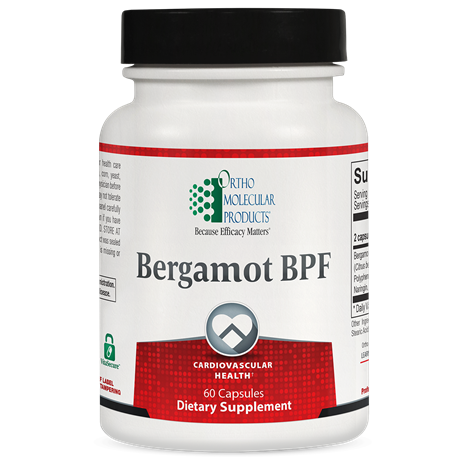
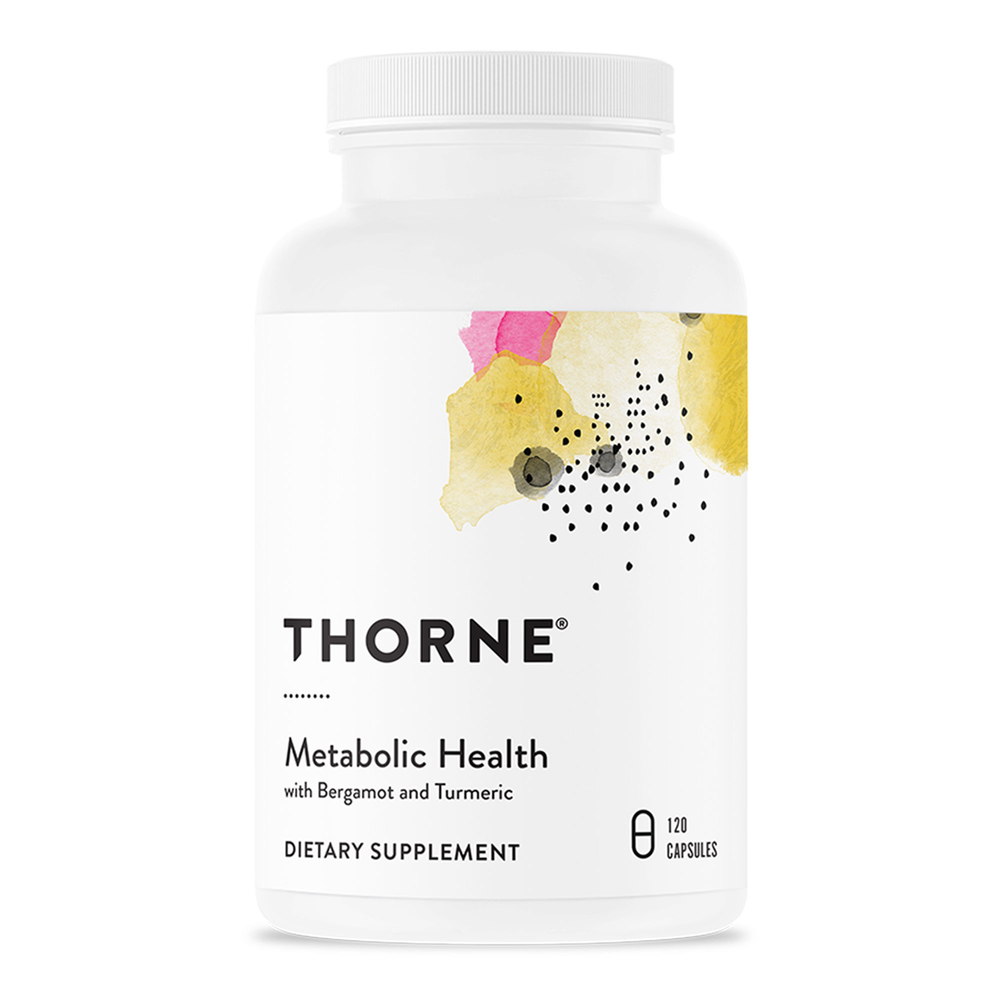
See if it's actually working
ApoB is the marker that decides this one: a lower LDL number without a lower ApoB has not changed your cardiovascular risk.
Bergamot FAQs
What is bergamot used for?
Bergamot (Citrus bergamia) is rich in unique flavonoids (brutieridin, melitidin, naringin) that inhibit cholesterol synthesis through pathways similar to statins. Trials show 500–1,000 mg per day reduces LDL, triglycerides, and blood sugar in people with metabolic syndrome.
How much bergamot should I take?
500–1,000 mg per day of a standardized extract (BPF, bergamot polyphenolic fraction). Studies show measurable LDL reductions within 8–12 weeks. Take with food.
Can bergamot replace a statin?
Not for high-risk patients. Bergamot typically lowers LDL by 15–25%, less than even low-dose statins. It's a reasonable adjunct or option for borderline cases, but discuss with a clinician if you have established cardiovascular disease or very high LDL.
Bergamot vs red yeast rice — which is better for cholesterol?
Red yeast rice produces larger LDL reductions (often 20–30%) because it contains a natural statin (monacolin K). Bergamot has a gentler mechanism without statin-like side effects (muscle pain, liver enzyme changes). Some people stack low-dose red yeast rice with bergamot for additive benefit.
Can I take bergamot with a statin?
Yes, often beneficial. Bergamot has been studied as add-on to statins and can produce additional 10–15% LDL reduction. It may also help reduce statin-induced muscle symptoms in some people. Coordinate with your prescriber to ensure no interactions.
How long does bergamot take to work?
LDL reductions typically appear within 4–8 weeks at 500–1,000 mg/day, with maximum effects by 12 weeks. Triglyceride reductions can show even sooner (4–6 weeks). Get a baseline lipid panel before starting and recheck at 12 weeks.
What are the side effects of bergamot?
Bergamot is well-tolerated. Mild GI upset is the most common side effect. Unlike statins, it does not commonly cause muscle pain, liver enzyme changes, or memory effects. Citrus allergy is a rare contraindication.
Does bergamot help blood sugar?
Yes, modestly. Trials show fasting glucose reductions of 5–15% and meaningful improvements in insulin sensitivity at 1,000 mg/day for 12+ weeks. Effects are most pronounced in people with metabolic syndrome or prediabetes.
Is bergamot the same as bergamot essential oil?
No. The supplement uses a polyphenol extract from the bergamot fruit. Bergamot essential oil (used in Earl Grey tea and aromatherapy) does not contain the cholesterol-lowering polyphenols and is not a substitute. Look for BPF (bergamot polyphenolic fraction) on supplement labels.
Is bergamot safe during pregnancy?
Pregnancy safety data is limited. Bergamot from food (the fruit) is fine. Concentrated bergamot polyphenol supplements should be avoided during pregnancy and breastfeeding unless your OB specifically clears their use.
Who should not take bergamot?
People with citrus allergies, those on tight statin regimens (without coordination), and pregnant or breastfeeding women. Also use caution if you take CYP3A4 substrates, since bergamot polyphenols may slightly affect drug metabolism similar to grapefruit.