 Instalab
Betaine
Betaine (TMG) supports methylation, homocysteine balance, and exercise output.
Our vetting standard
Every betaine formula here clears the same bar.
- Clinically studied, effective doses
- Bioavailable, well-absorbed forms
- Practitioner-grade, trusted brands
- Third-party tested for identity and potency
See if it's actually working
Homocysteine dropping is the whole point of betaine; it also raises TMAO in some people, but no evidence supports serially testing that to guide the dose, so it stays a caveat rather than a retest.
Betaine FAQs
What does betaine do?
Betaine (also called TMG, trimethylglycine) donates methyl groups to convert homocysteine back to methionine. It supports cardiovascular health, liver function, and exercise performance. Some research shows it improves power output and body composition during resistance training.
How much betaine should I take?
2.5 g per day, often split into two 1.25 g doses, is the dose used in most performance studies. Higher doses up to 6 g per day are used clinically for elevated homocysteine.
Is betaine the same as betaine HCl?
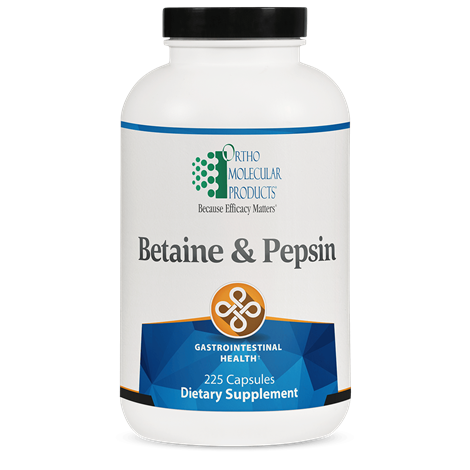
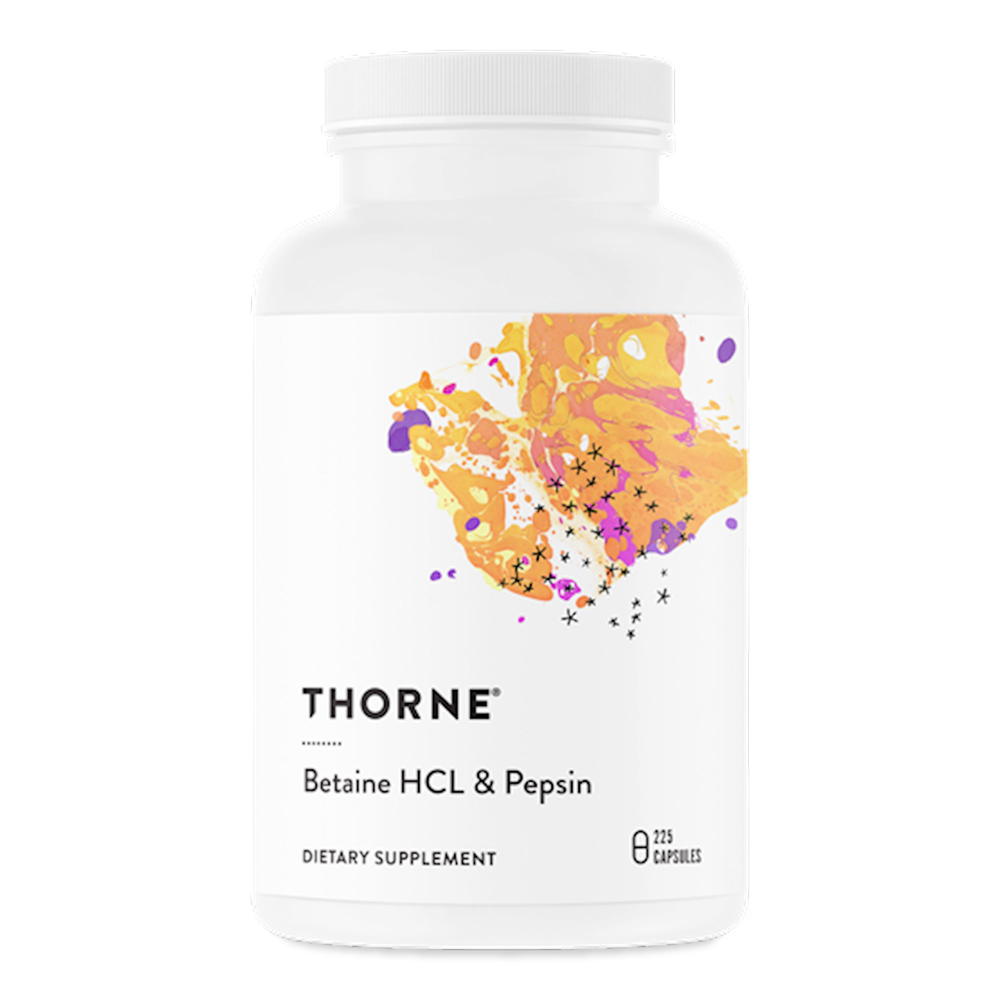
No. Betaine HCl is used to acidify the stomach and aid digestion. The TMG form (anhydrous betaine) is what's used for methylation, homocysteine, and performance. Read labels carefully — they're different supplements.
Can I get betaine from food?
Yes. Top food sources are beets (the original namesake), spinach, quinoa, wheat bran, and shellfish. A typical Western diet provides 100–400 mg per day, far below the 2,500+ mg used in performance studies. Food alone is fine for general health but supplementation is needed for performance doses.
Does betaine actually improve workouts?
Meta-analyses show small improvements in power, strength endurance, and body composition with 2.5 g per day for 6+ weeks. Effects are modest — roughly a 5% improvement in power output. Most useful for trained lifters at performance plateaus, not novice gains.
How is betaine different from creatine?
Creatine recharges ATP for short, explosive efforts. Betaine works through methylation, increased creatine synthesis, and cellular hydration (osmolyte effect). They share some pathways but stack well together. Creatine has stronger and more consistent performance evidence than betaine.
Will betaine lower my homocysteine?
Yes. Betaine is one of the most effective single supplements for lowering homocysteine, especially in people with elevated levels (>10 µmol/L). 3–6 g per day reliably lowers homocysteine, often by 20–40%. Best stacked with B6, B12, and folate for full methylation support.
How long does betaine take to work?
For homocysteine, reductions appear within 4–6 weeks. For exercise performance, 4–6 weeks is also typical. Don't judge effectiveness from a single dose — TMG works through gradual methylation cycle support, not acute effects.
What are the side effects of betaine?
Most people tolerate it well. High doses (>6 g) can raise total cholesterol slightly in some people due to increased SAMe and lipid metabolism shifts. GI symptoms (nausea, diarrhea) are uncommon at performance doses. Monitor lipids if you use high doses long-term.
Is betaine safe during pregnancy?
Betaine from food is fine. Supplemental high-dose betaine isn't well-studied during pregnancy. Choline (which the body can convert to betaine) is essential during pregnancy and is included in prenatals. Stick to food sources unless your clinician advises otherwise.
Who should not take betaine?
People with cystathionine beta-synthase deficiency or certain genetic methionine cycle disorders should only use betaine under medical supervision. People with elevated cholesterol should monitor lipids when starting betaine, since it can raise LDL slightly in some individuals.