 Instalab
Bile Acids
Bile acid supplements (TUDCA, ox bile) support fat digestion, liver function, and bile flow.
Our vetting standard
Every bile acids formula here clears the same bar.
- Clinically studied, effective doses
- Bioavailable, well-absorbed forms
- Practitioner-grade, trusted brands
- Third-party tested for identity and potency
See if it's actually working
Falling ALP and GGT with better-formed stools and a lower fecal fat means bile flow improved; rising bile acids with itching is the signal to stop.
Bile Acids FAQs
Who needs bile acid supplements?
People without a gallbladder, with sluggish bile flow, fat malabsorption, or who experience floating, greasy stools after fatty meals. They support digestion of fats and absorption of fat-soluble vitamins (A, D, E, K).
What's the difference between TUDCA and ox bile?
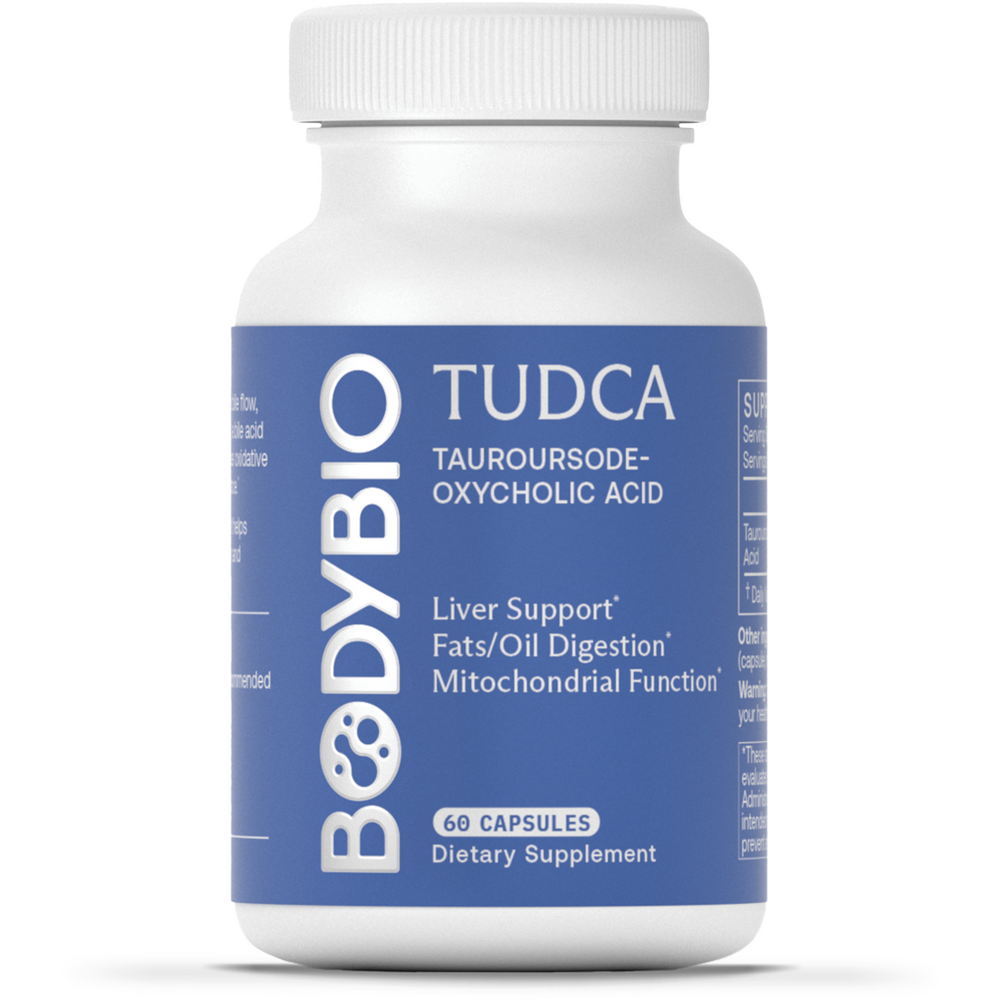
Ox bile provides bile salts to help break down dietary fat. TUDCA (tauroursodeoxycholic acid) is a hydrophilic bile acid studied for liver protection, ER stress, and bile flow support. They serve different purposes — many formulas combine them.
How and when should I take bile acids?
With meals containing fat. Typical doses are 125–500 mg of ox bile or 250–500 mg of TUDCA with each main meal. Start low and increase if tolerated.
Do I need bile acids if I had my gallbladder removed?
Many post-cholecystectomy patients benefit from ox bile with meals to support fat digestion. Without a gallbladder, bile drips continuously rather than concentrating, which can cause fat malabsorption, diarrhea after fatty meals, and reduced fat-soluble vitamin absorption. 250–500 mg ox bile per meal is typical.
What are the benefits of TUDCA?
TUDCA is studied for liver protection (NAFLD, hepatitis), ER stress reduction, neurodegeneration, and retinal health. It's used at 250–1,500 mg/day for liver support and at higher doses (1,750+ mg) in research for ALS and Huntington's disease. It also supports bile flow and reduces gallstone risk.
How long does it take to notice effects from bile acids?
For digestive symptoms (greasy stools, post-meal nausea, fat malabsorption), improvement often appears within days. For liver markers (ALT, AST) with TUDCA, expect 4–12 weeks of consistent use. Monitor symptoms and labs accordingly.
What are the side effects of bile acid supplements?
Loose stools or diarrhea are the most common, especially when starting or at higher doses. Reduce dose if this happens. Rare: stomach upset, heartburn. Take with food and divide doses across meals to minimize.
Can I take bile acids with statins or other medications?
Bile acid supplements can affect absorption of fat-soluble medications and bile-acid-modifying drugs (cholestyramine, colesevelam). Take statins, thyroid medication, and fat-soluble vitamins at separate times if you take cholestyramine or other bile binders.
Is ox bile vegetarian?
No. Ox bile is derived from cattle. Vegetarians and vegans can use TUDCA (now available in synthetic forms), ginger, dandelion root, or artichoke leaf for bile flow support, though these don't provide bile salts directly for fat digestion.
Are bile acids safe during pregnancy?
Pregnancy safety data is limited for both ox bile and TUDCA. Mild bile-flow issues during pregnancy (cholestasis of pregnancy) are typically managed with prescription ursodeoxycholic acid (UDCA), the parent compound of TUDCA, under OB supervision. Don't self-supplement during pregnancy.
Who should not take bile acid supplements?
Avoid if you have complete bile duct obstruction, active gallstone disease without medical guidance, or severe inflammatory bowel disease. People taking cholestyramine, colesevelam, or other bile-acid sequestrants should coordinate use with their prescriber.