 Instalab
Binders
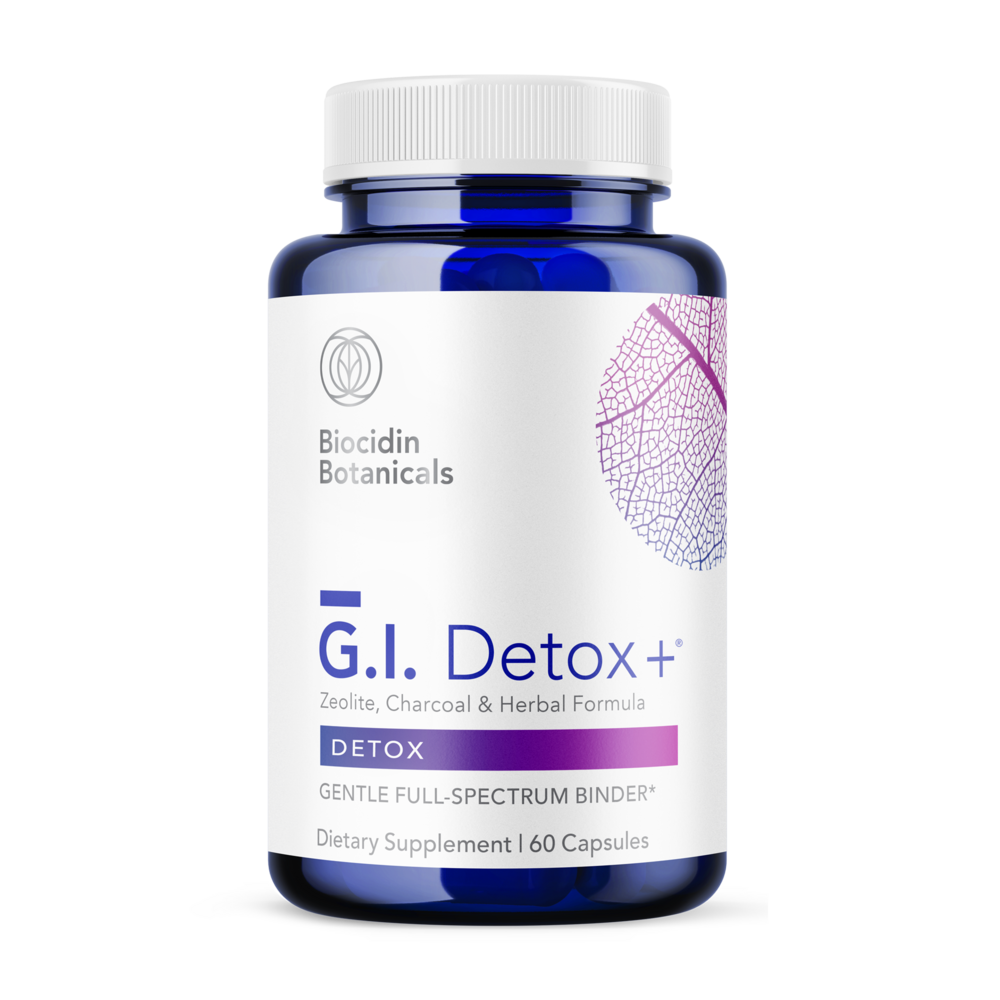
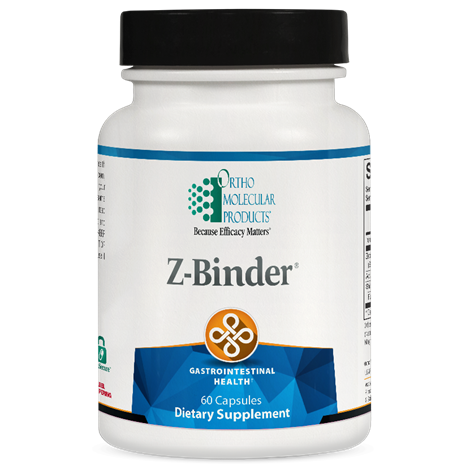
Binders like activated charcoal, zeolite, and chlorella sequester toxins and metals in the gut.
Our vetting standard
Every binders formula here clears the same bar.
- Clinically studied, effective doses
- Bioavailable, well-absorbed forms
- Practitioner-grade, trusted brands
- Third-party tested for identity and potency
See if it's actually working
Body burden falls slowly, so read these as a downward trend across two retests; a single flat result three months in is not yet evidence of failure.
Binders FAQs
What do binders do?
Binders adsorb toxins, mycotoxins, heavy metals, and bile acids in the gut so they're excreted in stool rather than reabsorbed. Common ones include activated charcoal, bentonite clay, zeolite, chlorella, and modified citrus pectin.
When should I take binders?
Away from food, medications, and supplements — typically 1–2 hours before or 2 hours after — because binders also bind nutrients and drugs. Many people take them at bedtime to avoid timing conflicts.
Are binders safe for long-term use?
Short courses (weeks to a few months) are generally safe. Long-term daily use can deplete minerals and medications. Use with adequate hydration and consider cycling on and off rather than continuous daily use.
Which binder is right for which toxin?
Activated charcoal: broad-spectrum, alcohol, food poisoning. Bentonite clay: heavy metals, mycotoxins, GI binding. Zeolite: heavy metals (especially lead, mercury), radiation. Chlorella: mercury, methylmercury, supports natural detox. Modified citrus pectin: heavy metals, galectin-3 reduction. Many practitioners rotate or stack binders.
Do binders actually work for mold/mycotoxin illness?
Functional medicine protocols use binders as a core component of mycotoxin treatment. Bentonite, charcoal, and cholestyramine (prescription) bind various mycotoxins. Evidence is largely clinical and observational — randomized trials in mold illness are limited but binders are considered low-risk adjunct therapy.
Can binders cause constipation?
Yes, especially activated charcoal and bentonite. Drink plenty of water (at least 16–24 oz with each dose), maintain fiber intake, and consider magnesium citrate at night if needed. If constipation persists, reduce dose or switch to zeolite, which is less constipating.
Will binders interfere with my supplements or medications?
Yes. Binders are non-selective — they bind nutrients, hormones, and many medications. Take all medications, vitamins, and minerals at least 2 hours before or after binders. Critical medications (thyroid, transplant, antiseizure, blood thinners) should be timed especially carefully.
How long should I take binders?
Short-term protocols (1–4 weeks) for acute toxin exposures, food poisoning, or alcohol recovery. Mold/mycotoxin protocols typically run 3–6 months with cycling (e.g., 5 days on, 2 days off). Avoid continuous long-term daily use without clinician oversight.
Are binders the same as fiber?
No. Fiber (especially soluble fiber like psyllium) does provide gentle binding and bowel regularity. Mineral and clay binders (charcoal, bentonite, zeolite) bind much more aggressively and are used for active toxin removal. Both have a role in detox protocols.
Are binders safe during pregnancy?
Activated charcoal is sometimes used short-term during pregnancy for poisoning emergencies under medical supervision. Routine binder use during pregnancy is not recommended due to risk of mineral depletion and drug interactions. Coordinate with your OB before any binder use during pregnancy.
Who should not take binders?
Avoid if you have bowel obstruction, severe constipation, recent GI surgery, or take critical medications without timing them away from binders. People with kidney disease should consult a clinician before zeolite use due to mineral effects.