 Instalab
Blood Sugar Support
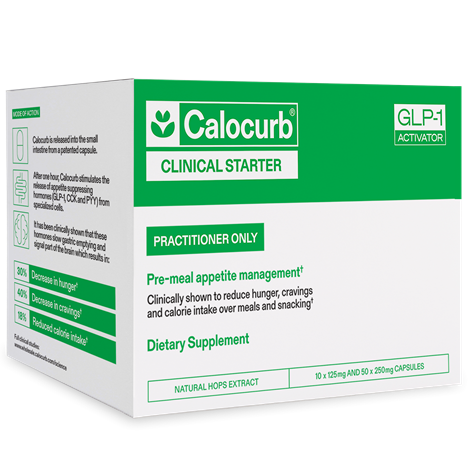
Blood sugar support formulas combine berberine, chromium, cinnamon, and gymnema for metabolic health.
Our vetting standard
Every blood sugar support formula here clears the same bar.
- Clinically studied, effective doses
- Bioavailable, well-absorbed forms
- Practitioner-grade, trusted brands
- Third-party tested for identity and potency
See if it's actually working
Fasting insulin and HOMA-IR are the early movers; HbA1c is the three-month verdict because it averages the whole quarter rather than the morning of the draw.
Blood Sugar Support FAQs
What's typically in a blood sugar support formula?
Common ingredients include berberine, chromium, cinnamon extract, gymnema, alpha lipoic acid, and bitter melon. These work through complementary mechanisms — improving insulin sensitivity, slowing carb absorption, and supporting glucose disposal.
Who should consider blood sugar support?
People with prediabetes, insulin resistance, PCOS, or those working on weight loss who want adjunct support beyond diet. Always pair with diet, exercise, and clinician oversight if you take diabetes medications.
Can I take blood sugar supplements with metformin?
Some combinations (especially berberine) can lower blood sugar additively with metformin and risk hypoglycemia. Talk to a clinician first, monitor glucose, and adjust as needed.
How long until I see effects on my A1C?
A1C reflects 3-month average blood sugar, so meaningful changes take 8–12 weeks of consistent use. Fasting glucose and post-meal glucose can shift sooner — within 2–4 weeks. Pair with at least minimal dietary changes (lower refined carbs) for best results.
When should I take blood sugar support?
With meals, especially carb-heavy meals. This timing maximizes the post-meal glucose-buffering effect of ingredients like berberine, cinnamon, and gymnema. Many formulas are dosed 2–3 times per day with main meals.
Can blood sugar supplements replace diabetes medication?
No. For people with type 2 diabetes, prescription medications (metformin, GLP-1 agonists, SGLT2 inhibitors) have stronger and more reliable effects. Supplements can be useful adjuncts in prediabetes or alongside prescriptions, but they're not a replacement for diabetes care.
Will these formulas help with weight loss?
Modestly. Berberine, ALA, and chromium have shown small weight-loss effects in trials (1–5 lb over 12 weeks). The mechanism is improved insulin sensitivity and reduced cravings, not direct fat burning. Best paired with dietary changes.
Can I get the same benefit from cinnamon at the grocery store?
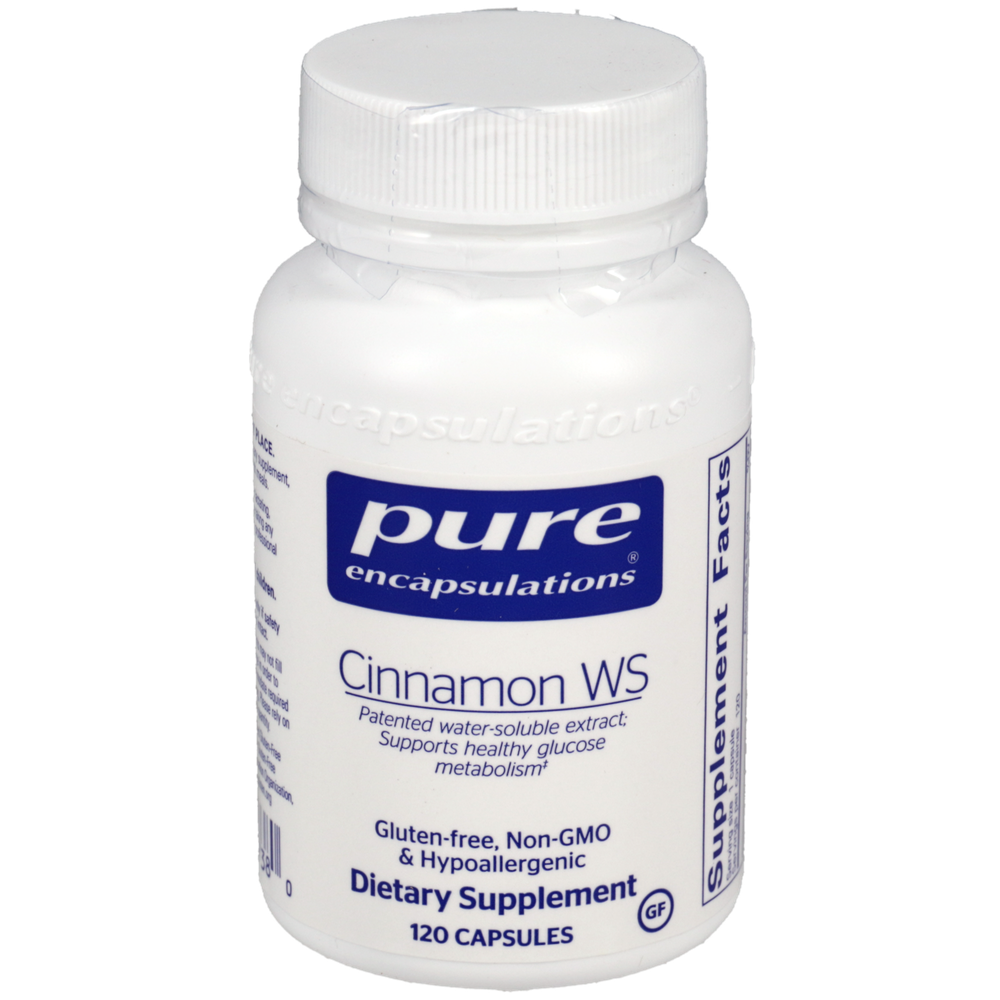
Cassia cinnamon (the common kitchen variety) does have modest blood-sugar-lowering effects at 1–6 g/day, but contains coumarin which can be toxic to the liver in chronic high doses. Ceylon cinnamon (the supplement form) has less coumarin and is safer for daily use.
What are the side effects of blood sugar formulas?
Most common: GI upset from berberine (nausea, diarrhea), heartburn from cinnamon, and rare allergic reactions to bitter melon or gymnema. Hypoglycemia is the main concern when combined with diabetes medications. Monitor glucose if you're at risk.
Are blood sugar supplements safe during pregnancy?
Most ingredients (berberine, gymnema, bitter melon) are not recommended during pregnancy due to limited safety data or potential effects on the fetus. Gestational diabetes should be managed under OB guidance with diet, exercise, and prescribed medication if needed — not supplements.
Who should not take blood sugar supplements?
Pregnant or breastfeeding women, people on insulin or sulfonylureas without close monitoring (hypoglycemia risk), those scheduled for surgery, and people with severe liver or kidney disease. Always coordinate with your prescriber.