 Instalab
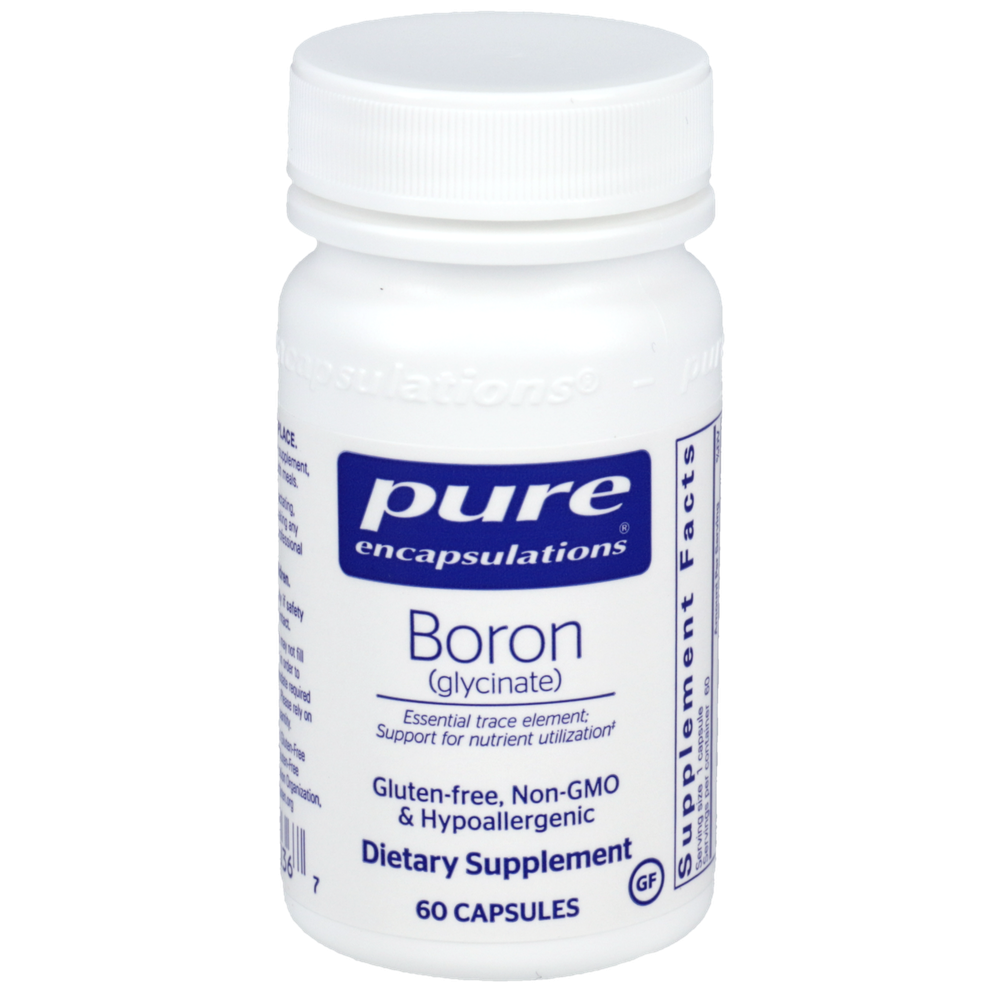
Boron
Boron is a trace mineral that supports bone health, hormones, and inflammation.
Our vetting standard
Every boron formula here clears the same bar.
- Clinically studied, effective doses
- Bioavailable, well-absorbed forms
- Practitioner-grade, trusted brands
- Third-party tested for identity and potency
See if it's actually working
Boron works mostly by lowering SHBG, so free hormone availability can improve even when total testosterone barely moves.
Boron FAQs
What does boron do?
Boron is a trace mineral involved in bone metabolism, hormone balance (testosterone, estradiol, vitamin D), and inflammation. It also influences magnesium and calcium retention, making it useful as part of a bone health regimen.
How much boron should I take?
3–10 mg per day. Higher doses up to 10 mg are used in studies of bone density, joint function, and free testosterone. Most multivitamins provide 1–3 mg.
Is boron safe?
Yes, at typical supplemental doses. The tolerable upper intake is 20 mg/day for adults. Higher chronic intakes can cause GI upset and, at very high levels, more serious toxicity.
Does boron raise testosterone?
Studies show 6–10 mg/day for 1 week increases free testosterone by 25–30% in men with marginal status, partially by reducing sex hormone binding globulin (SHBG). The effect is more pronounced in men with low or borderline testosterone, less so in those with already-normal levels.
Can I get boron from food?
Yes. Top sources are prunes, raisins, almonds, hazelnuts, avocados, beans, and apples. A typical Western diet provides 1–2 mg/day. People who eat lots of nuts, dried fruit, and beans easily exceed 3 mg without supplementation.
How long does boron take to work for joints?
Trials in osteoarthritis show symptom improvement (pain, mobility, stiffness) at 6 mg/day within 4–8 weeks. Boron likely works through anti-inflammatory mechanisms and improved magnesium/calcium handling. Best paired with vitamin D, magnesium, and other joint-support nutrients.
What's the best form of boron to take?
Boron citrate, boron glycinate, and calcium fructoborate are well-absorbed forms. Calcium fructoborate has the most clinical research for joint and bone benefits. Boric acid (sometimes seen in cheap supplements) is the least preferred for oral use.
Does boron help with bone density?
Yes, indirectly. Boron extends the half-life of vitamin D and estrogen, increases calcium retention, and supports magnesium metabolism — all of which support bone density. It's not a primary bone supplement but a useful adjunct in a stack with calcium, vitamin D, and K2.
Are there side effects of boron?
Boron is well-tolerated at supplemental doses (3–10 mg). Higher doses (>20 mg/day) can cause nausea, diarrhea, headaches, and skin issues. Very high acute exposures cause more severe symptoms. Stick to 10 mg/day or less without medical guidance.
Is boron safe during pregnancy?
Boron from food is fine. Supplemental boron above 20 mg/day during pregnancy may be harmful based on animal data. Most prenatal vitamins don't include boron. Stick to food sources during pregnancy unless your OB advises otherwise.
Who should not take boron?
Pregnant women (above food levels), people with hormone-sensitive cancers (since boron affects estrogen levels), and people with kidney disease (boron is excreted renally). Avoid mega-doses without medical supervision.