 Instalab
Botanicals
Botanical supplements deliver standardized plant extracts for targeted support.
Our vetting standard
Every botanicals formula here clears the same bar.
- Clinically studied, effective doses
- Bioavailable, well-absorbed forms
- Practitioner-grade, trusted brands
- Third-party tested for identity and potency

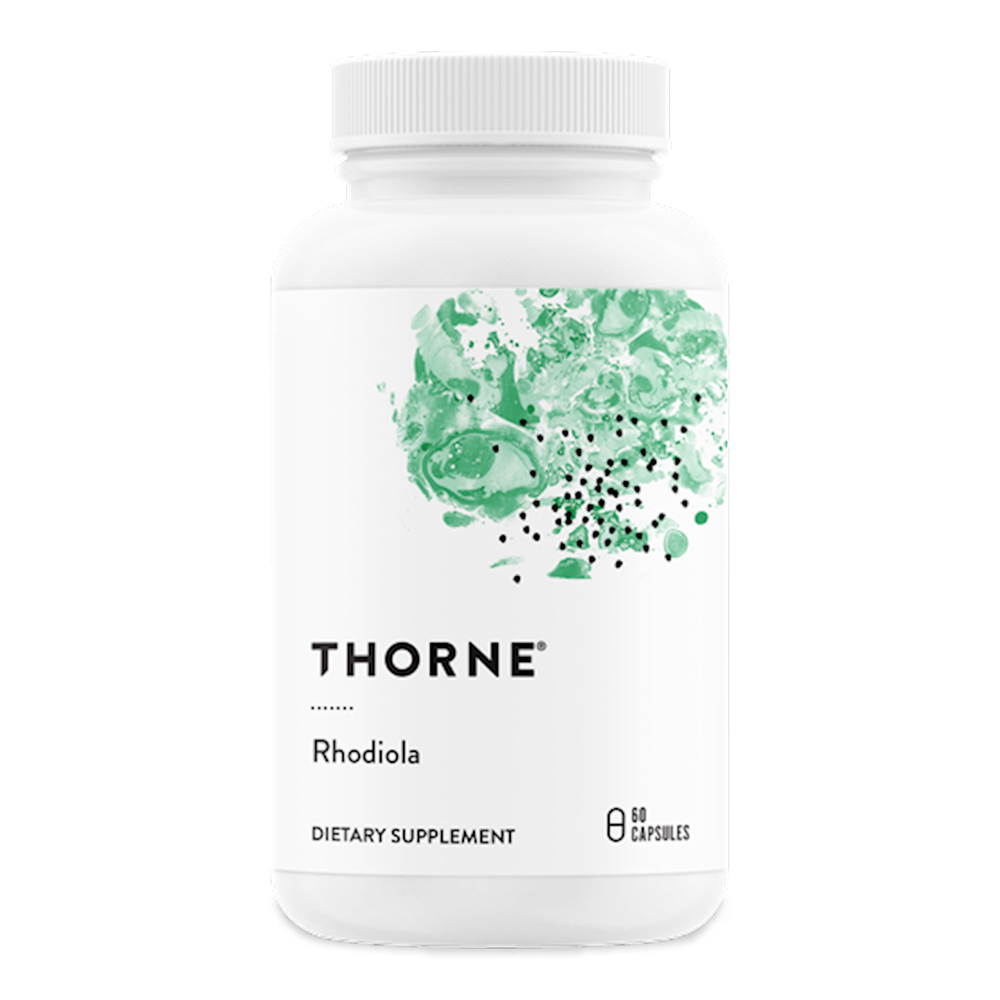
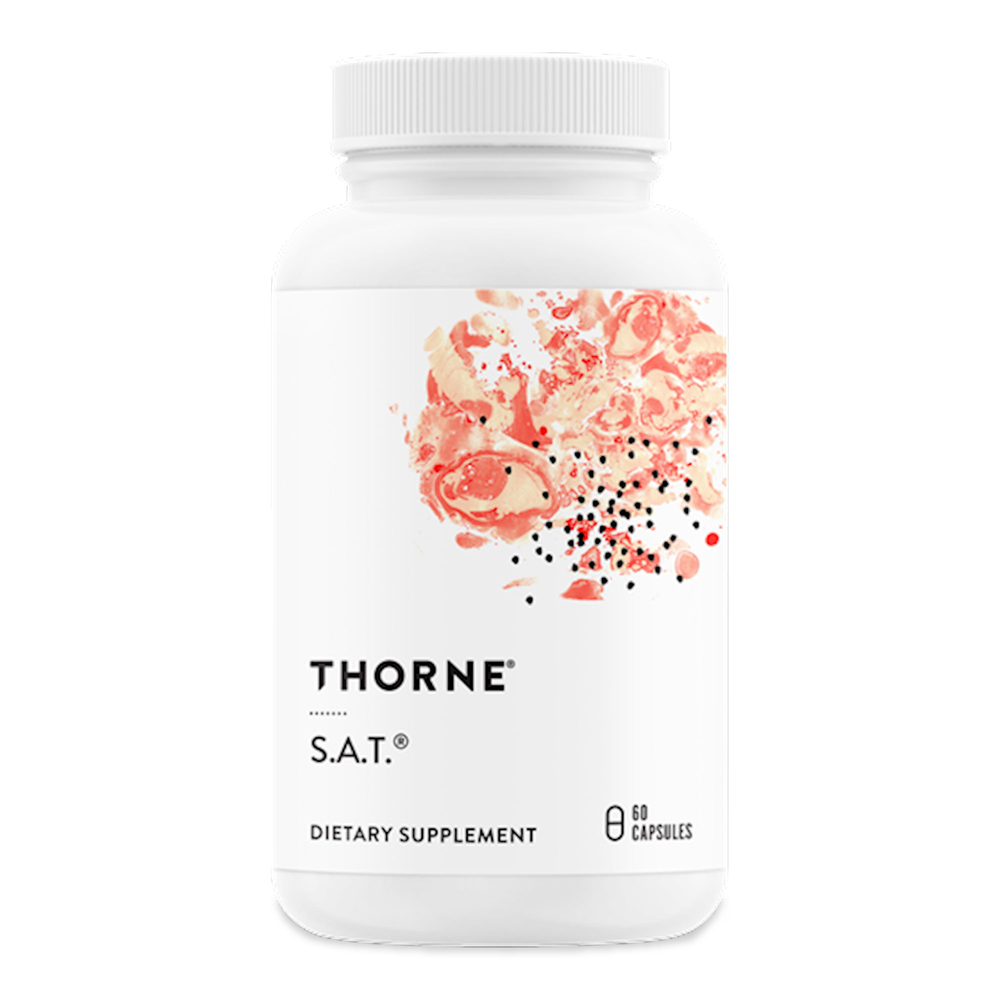
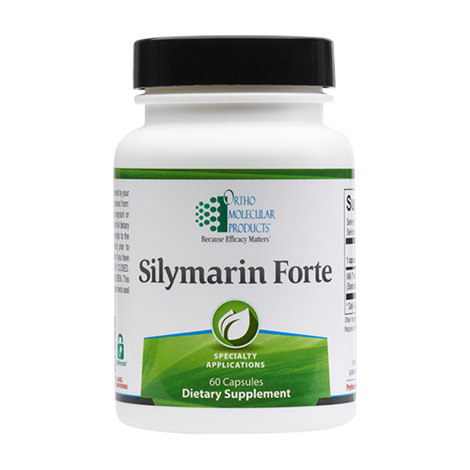
See if it's actually working
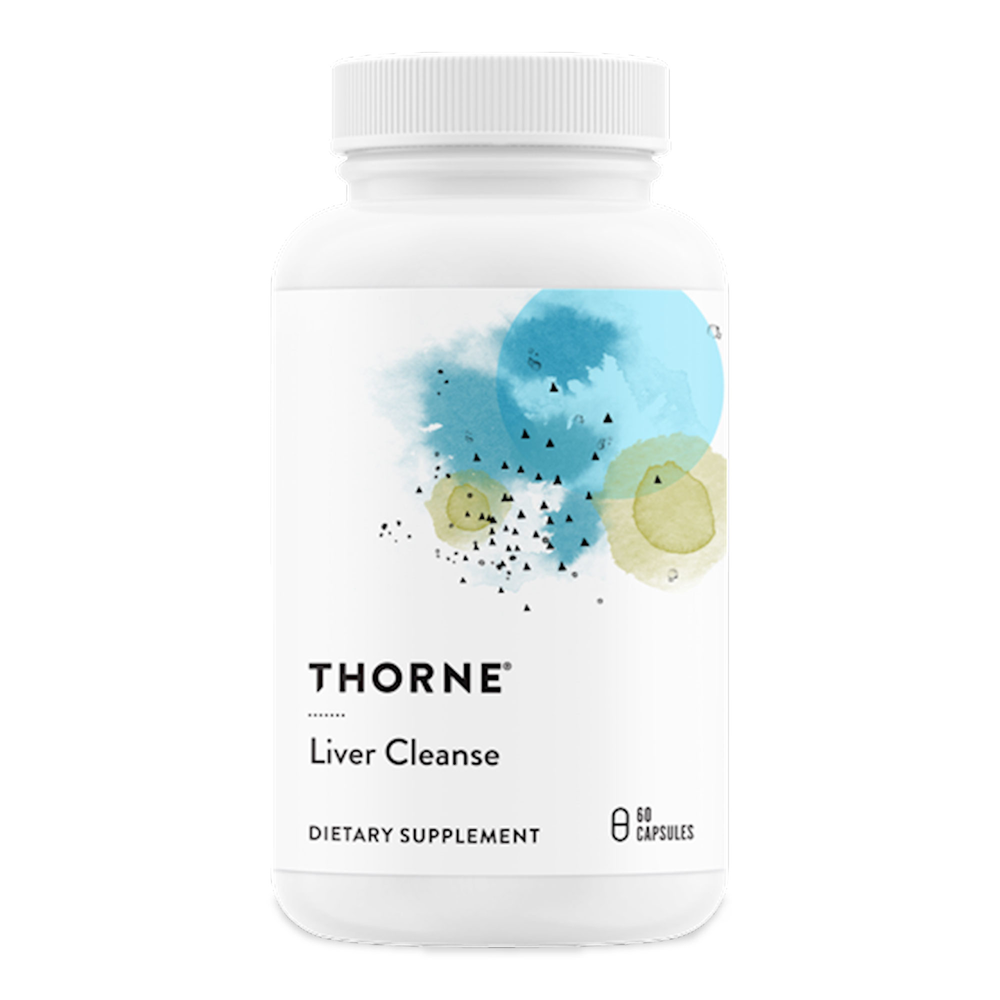
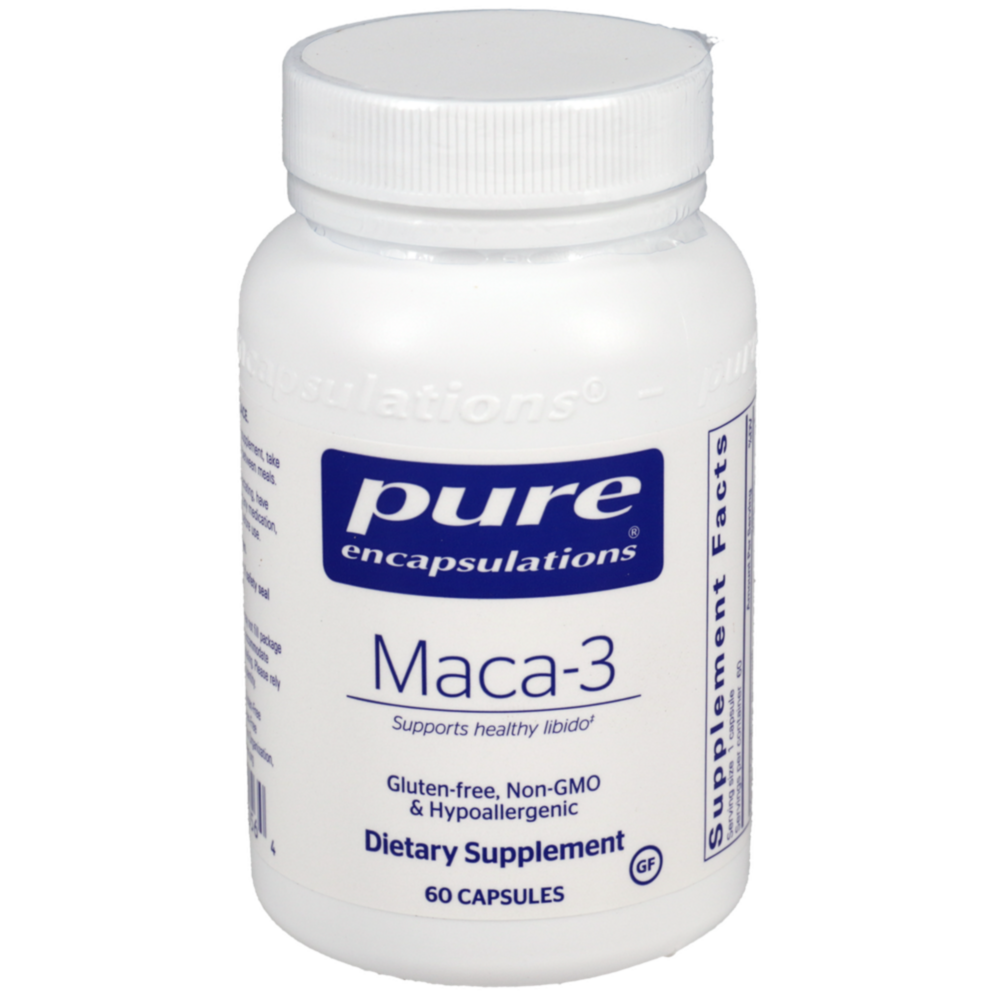
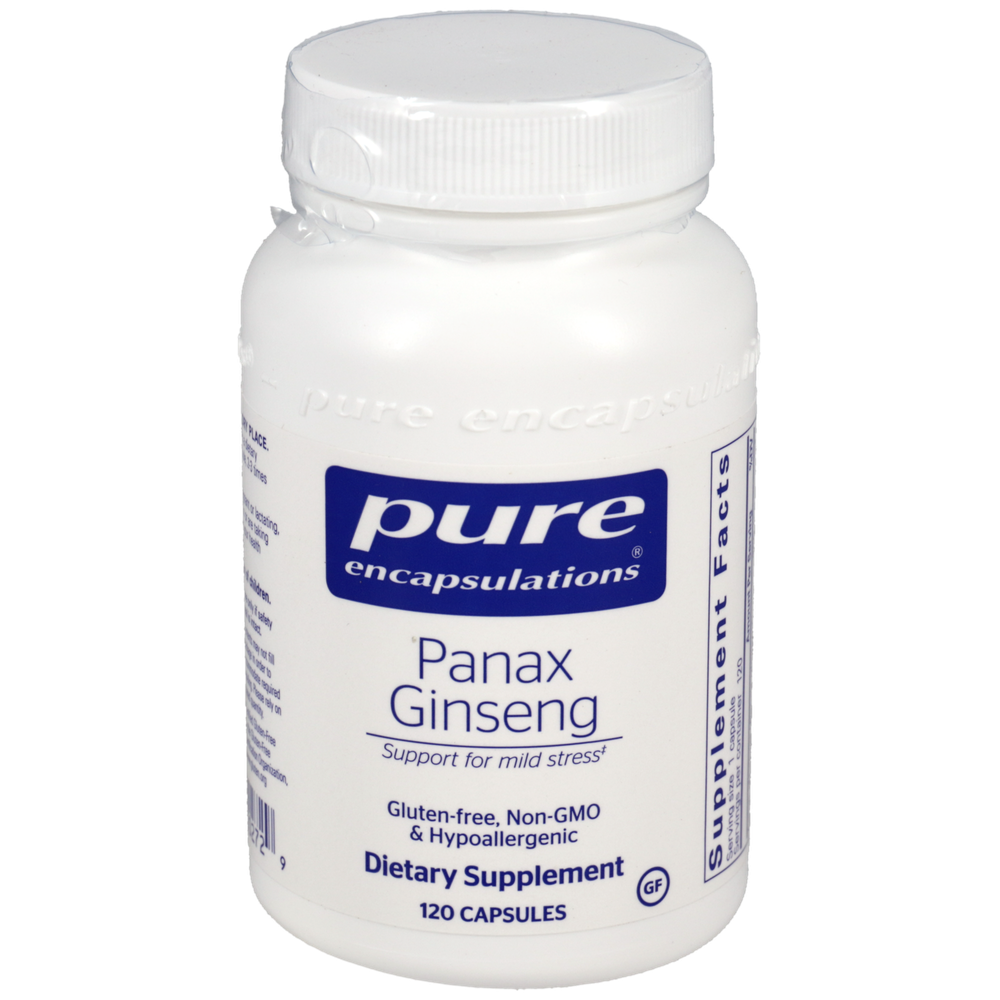
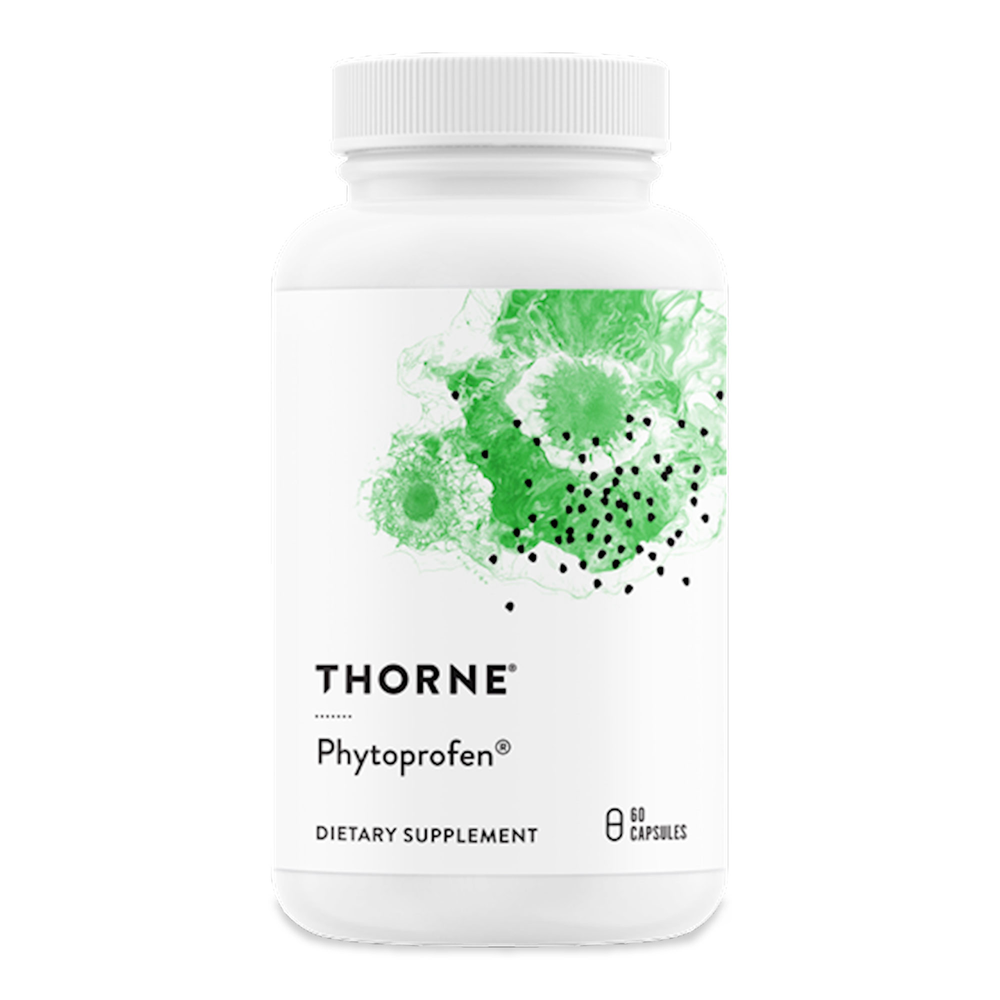
Which marker should move depends entirely on the botanical, but liver enzymes are the universal safety check for any concentrated plant extract taken daily.
Botanicals FAQs
What are botanical supplements?
Botanicals are plant-derived supplements made from herbs, roots, leaves, or fruits. Examples include turmeric, milk thistle, ashwagandha, ginseng, and rhodiola. Each has a specific traditional use and growing body of clinical evidence.
What does standardized extract mean?
Standardization guarantees a specific level of the active compound, like 95% curcuminoids in turmeric or 5% withanolides in ashwagandha. Standardized products deliver more consistent dosing than crude herbs.
Can botanicals interact with medications?
Yes. Many botanicals affect drug metabolism (St. John's Wort, grapefruit, ginkgo) or blood clotting (garlic, ginkgo, fish oil). Always check interactions before combining with prescription medications, especially blood thinners and antidepressants.
How are botanicals different from herbal teas?
Teas use small amounts of dried herb in hot water and provide gentle, water-soluble compounds. Botanical extracts are concentrated (often 5:1 to 50:1 ratios) and standardized for active compounds, delivering 10–100x the bioactive content per dose. Both have a place — teas for daily gentle support, extracts for targeted clinical effects.
What's the most evidence-backed botanical?
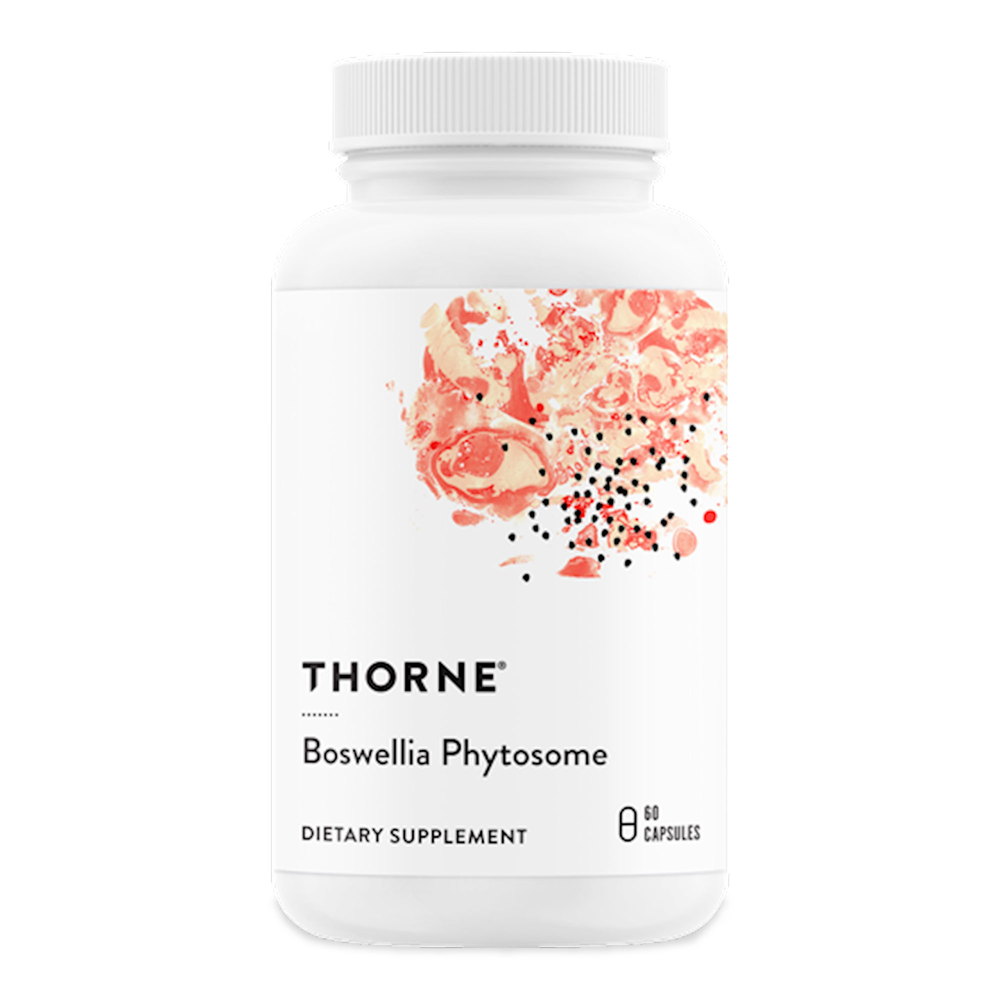
Turmeric/curcumin (inflammation, joints), ashwagandha (stress, sleep), ginkgo biloba (cognition, circulation), milk thistle (liver), rhodiola (fatigue, focus), and Boswellia (joints, inflammation) have the strongest clinical research. Each has dozens of randomized trials supporting specific use cases.
Should I cycle botanical supplements?
Many botanicals work best with cycling (e.g., 8 weeks on, 2 weeks off) to prevent tolerance and maintain responsiveness. This is especially true for adaptogens (ashwagandha, rhodiola, ginseng). Some, like turmeric, milk thistle, and Boswellia, can be used continuously.
Are botanical supplements safe long-term?
Most well-studied botanicals are safe for 6–12 months of continuous use. Concerns arise with long-term licorice (blood pressure), kava (liver), comfrey (liver toxicity — avoid), and high-dose St. John's wort (drug interactions). Stick to clinically-validated doses and cycle adaptogens.
How long do botanicals take to work?
Acute effects (sleep, focus, stress reduction) can show within hours to days. Tissue-level changes (joint inflammation, liver enzymes, hormonal shifts) typically take 4–12 weeks of consistent use. Don't judge effectiveness from a single dose.
Are botanical supplements regulated?
In the US, supplements are regulated as foods, not drugs. Quality varies widely. Look for third-party testing (USP, NSF, ConsumerLab), standardized extracts, and reputable brands. Avoid proprietary blends that don't disclose individual doses.
Are botanicals safe during pregnancy?
Many botanicals are contraindicated in pregnancy due to potential effects on uterine tone, hormones, or fetal development. Examples to avoid: ashwagandha, rhodiola, ginseng, licorice, dong quai, blue cohosh. Only use botanicals during pregnancy with explicit clinician approval.
Who should not take botanicals?
Pregnant or breastfeeding women (most), people on multiple prescriptions (interaction risk), those with bleeding disorders or upcoming surgery (some increase bleeding), people with autoimmune conditions (immune-modulating herbs), and children under 12 without pediatric guidance.