 Instalab
Calcium
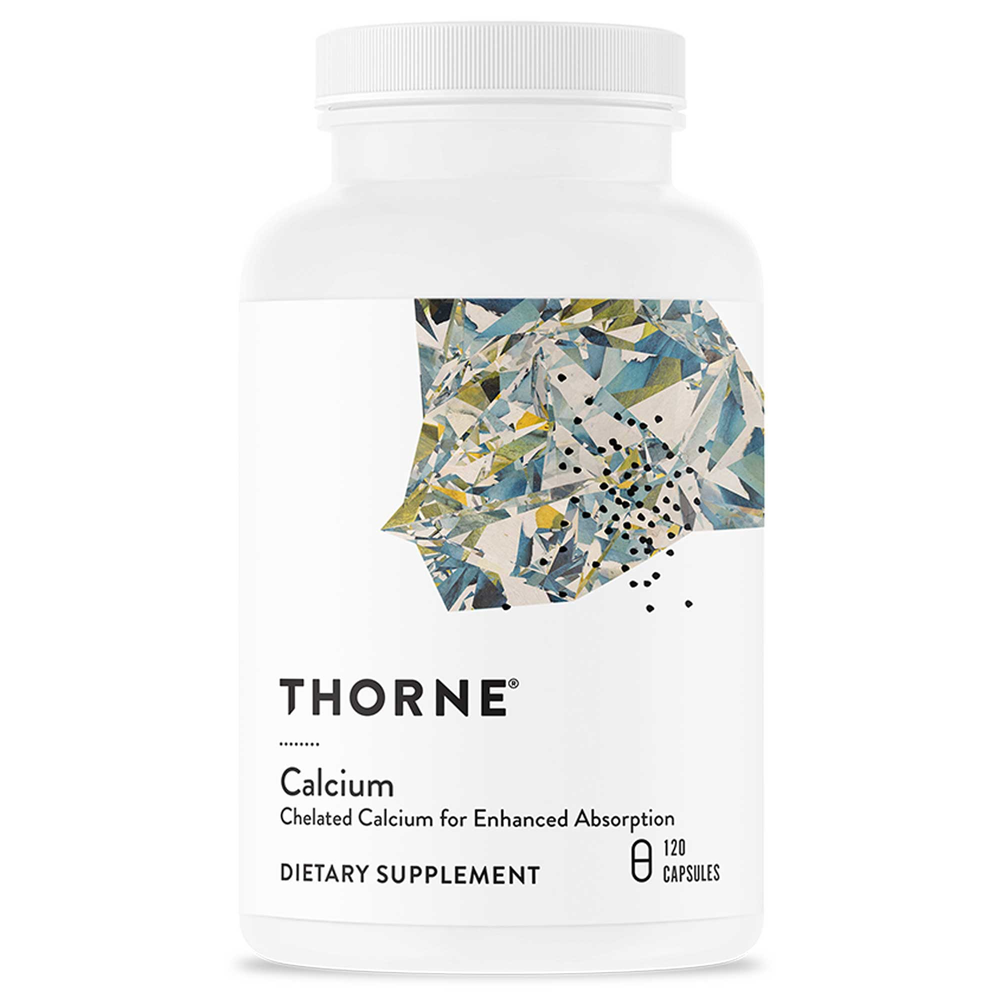
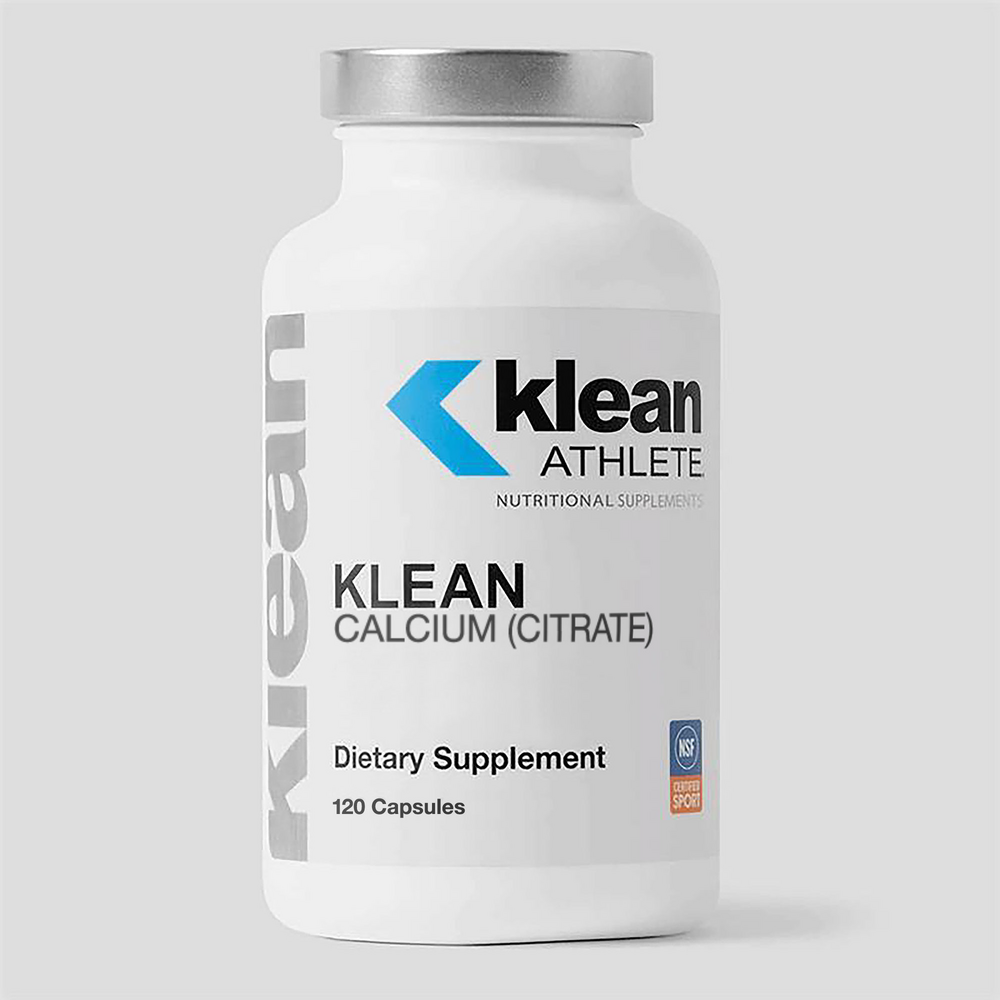
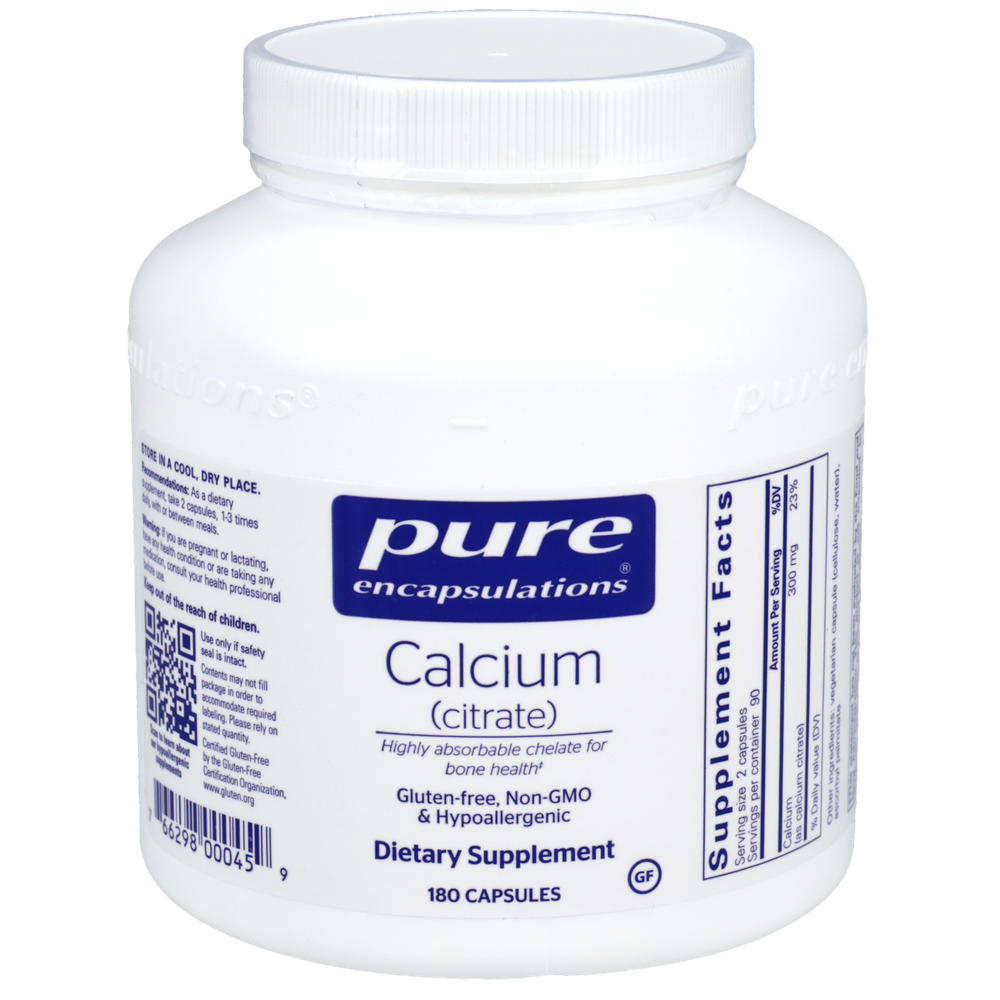
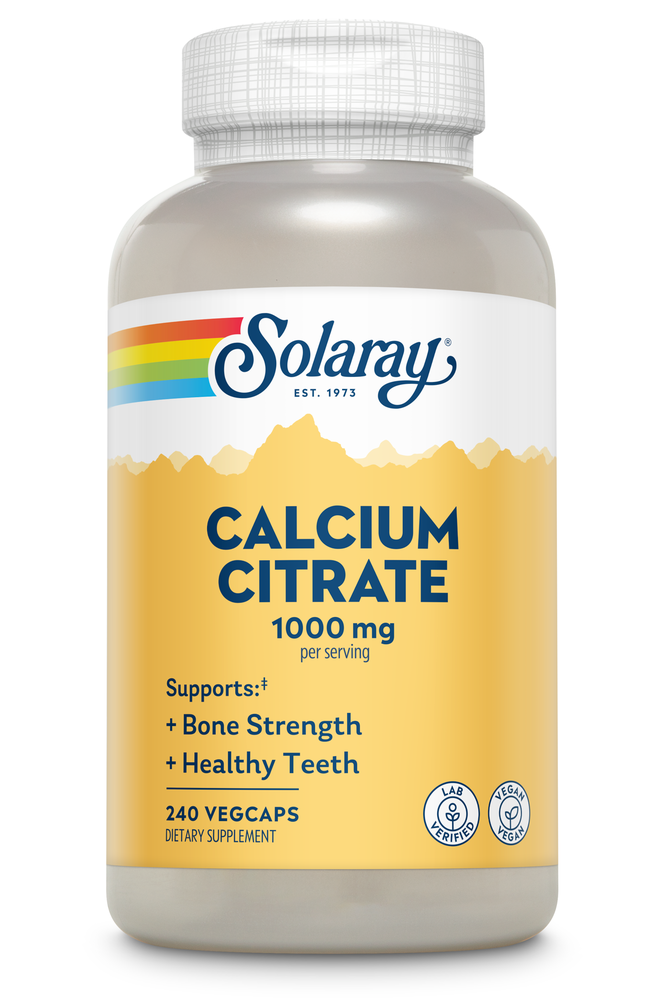
Calcium supplements support bone density and muscle function.
Our vetting standard
Every calcium formula here clears the same bar.
- Clinically studied, effective doses
- Bioavailable, well-absorbed forms
- Practitioner-grade, trusted brands
- Third-party tested for identity and potency
See if it's actually working
PTH coming down means you have finally given the parathyroid enough calcium and vitamin D; CTX shows whether bone breakdown slowed, and it needs six months.
Calcium FAQs
Do I need a calcium supplement?
Most adults need 1,000–1,200 mg of calcium per day, ideally from food (dairy, leafy greens, sardines, fortified foods). Supplements help bridge gaps for people who don't consume dairy or have higher needs (postmenopausal women, older adults).
Which form of calcium is best?
Calcium citrate absorbs well with or without food and is a good choice for older adults or anyone on acid-suppressing medications. Calcium carbonate is cheaper and well-absorbed but requires food. Avoid doses above 500 mg at one time — split them.
Is too much calcium harmful?
High-dose calcium supplements (above 1,500 mg/day from supplements alone) have been associated with cardiovascular concerns and kidney stones in some studies. Aim for total intake from food + supplements within 1,000–1,200 mg/day.
How much calcium can I get from food?
One cup of milk or yogurt provides ~300 mg. One cup of cooked collards or kale: ~250 mg. One can of sardines with bones: ~325 mg. Most people who eat dairy and leafy greens regularly hit 800–1,200 mg from food alone, no supplement needed.
Should I take calcium with vitamin D and K2?
Yes. Vitamin D enables calcium absorption from the gut. Vitamin K2 directs calcium to bones and teeth (rather than arteries). Magnesium helps activate vitamin D. A complete bone formula includes calcium + D3 + K2 + magnesium.
When is the best time to take calcium?
Calcium citrate: anytime, with or without food. Calcium carbonate: with meals (needs stomach acid). Take it 4+ hours apart from iron, zinc, and thyroid medication, since calcium reduces their absorption. Many take calcium in the evening for muscle relaxation.
Does calcium cause kidney stones?
Counterintuitively, dietary calcium reduces kidney stone risk because it binds dietary oxalate in the gut. Calcium supplements (especially without food) may slightly increase risk. If you're prone to oxalate stones, take calcium with meals and stay well-hydrated.
What are the side effects of calcium?
Constipation is most common, especially with calcium carbonate. Bloating, gas, and rare GI upset. High-dose calcium (>2,000 mg/day total) can cause hypercalcemia, fatigue, and confusion. Calcium citrate is generally easier on the gut than carbonate.
Is calcium safe during pregnancy?
Yes, and often essential. Pregnant women need 1,000 mg/day. Most prenatal vitamins include 200–300 mg, with the rest from food and possibly a supplement. Calcium needs increase during the third trimester for fetal bone development.
Who should not take calcium?
People with hyperparathyroidism, hypercalcemia, certain types of kidney stones, or sarcoidosis should consult a clinician before supplementing. Those on calcium-channel blockers, thiazide diuretics, or digoxin should also coordinate calcium dosing with their prescriber.