 Instalab
Calcium + Magnesium
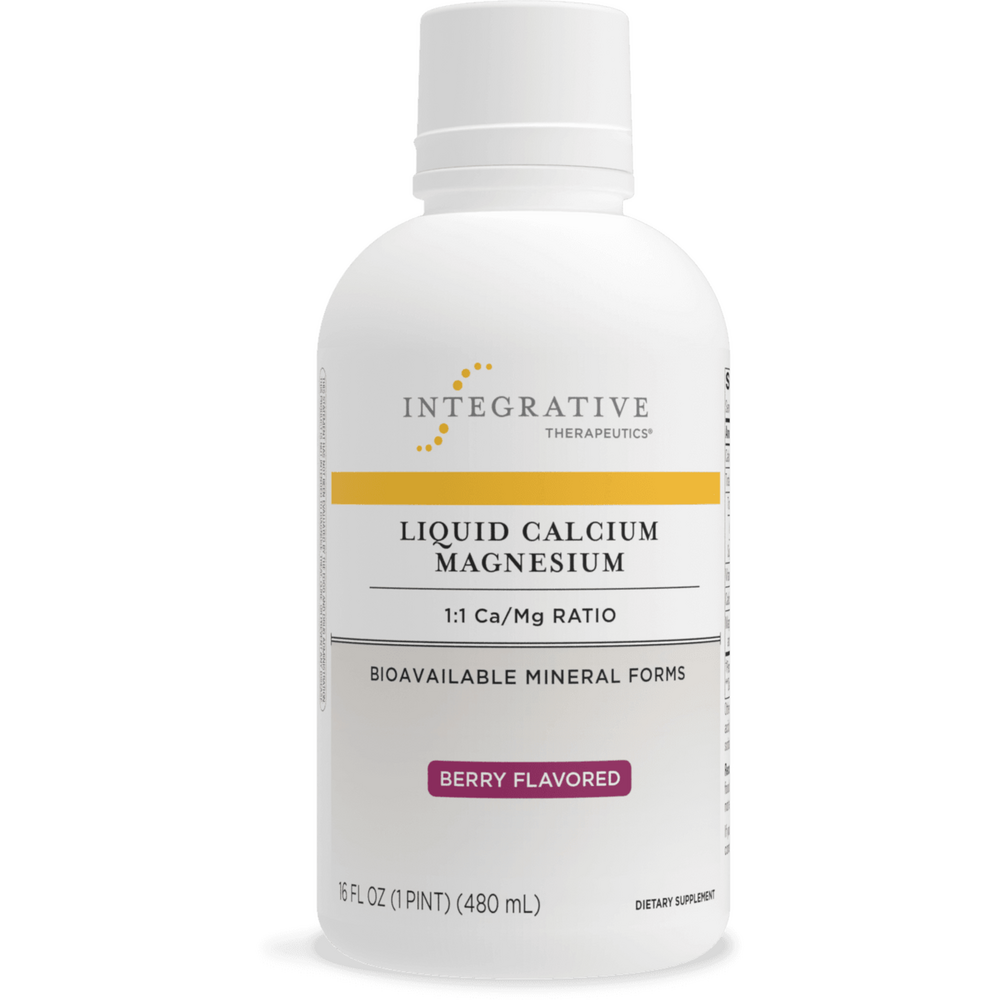
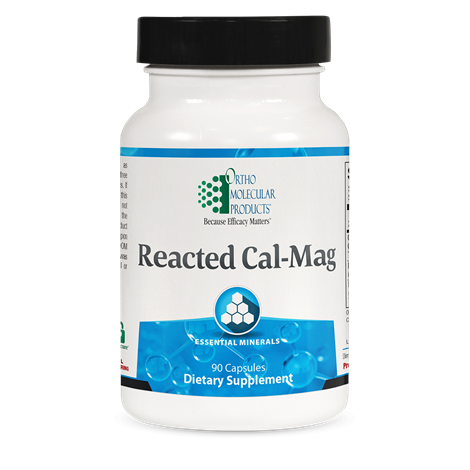
Combined calcium and magnesium formulas support bone health, muscle function, and nerve signaling.
Our vetting standard
Every calcium + magnesium formula here clears the same bar.
- Clinically studied, effective doses
- Bioavailable, well-absorbed forms
- Practitioner-grade, trusted brands
- Third-party tested for identity and potency

See if it's actually working
RBC magnesium is the marker worth watching: serum magnesium is tightly defended and stays normal long after tissue stores run down.
Calcium + Magnesium FAQs
Why combine calcium and magnesium?
Calcium and magnesium work together for bone strength, muscle contraction (calcium) and relaxation (magnesium), and nerve signaling. Adequate magnesium also helps the body use calcium properly. A 2:1 calcium-to-magnesium ratio is common in formulas.
When should I take cal-mag?
In divided doses, with food. Many people take it in the evening because magnesium has a calming, sleep-supportive effect. Avoid taking it with iron supplements or thyroid medication — separate by at least 4 hours.
Is 2:1 calcium-to-magnesium really the right ratio?
It's the conventional ratio but not necessarily optimal for everyone. Most modern diets are calcium-heavy and magnesium-deficient, so some practitioners now recommend 1:1 ratios or magnesium alone. Choose based on your dietary intake — if you eat dairy, you may not need extra calcium.
Will cal-mag help with muscle cramps?
Magnesium is the more important mineral for cramp prevention — calcium triggers contraction, magnesium triggers relaxation. If cramps persist on cal-mag, increase the magnesium portion or switch to magnesium glycinate alone (200–400 mg/day). Also rule out potassium and sodium issues.
Can cal-mag improve sleep?
Magnesium glycinate or magnesium citrate (300–400 mg) before bed can support deeper sleep through GABA activation and muscle relaxation. The calcium portion of cal-mag doesn't directly aid sleep. If sleep is your goal, consider standalone magnesium glycinate.
Are there side effects from cal-mag?
Magnesium can cause loose stools (especially oxide and citrate forms); calcium can cause constipation. Many people find the combination GI-neutral. If GI issues persist, switch to glycinate forms or split the dose across the day.
Should I take cal-mag with vitamin D?
Yes, ideally. Vitamin D is needed to absorb calcium, and magnesium is required to activate vitamin D. Many cal-mag formulas include 1,000–2,000 IU of D3. If yours doesn't, add a separate D3 supplement, especially in winter or if you have limited sun exposure.
Is cal-mag safe during pregnancy?
Yes, at appropriate doses. Pregnant women need 1,000 mg calcium and 350–360 mg magnesium daily. Most prenatal vitamins include both. Adding extra cal-mag is safe with OB approval if dietary intake is low. Avoid mega-doses without guidance.
Who should not take cal-mag?
People with hyperparathyroidism, severe kidney disease (impaired magnesium clearance), heart block, or those on digoxin should coordinate dosing with a clinician. Avoid magnesium oxide if you have IBS-D since it can worsen diarrhea.