 Instalab
Cardiovascular Support
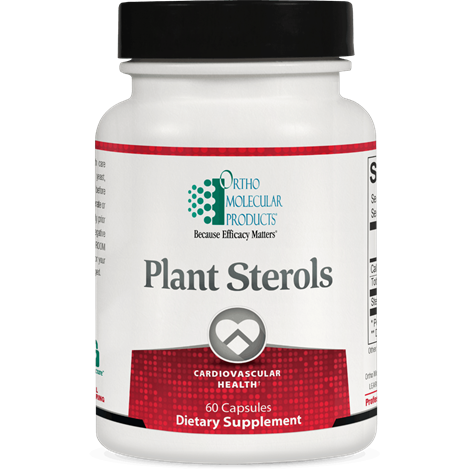
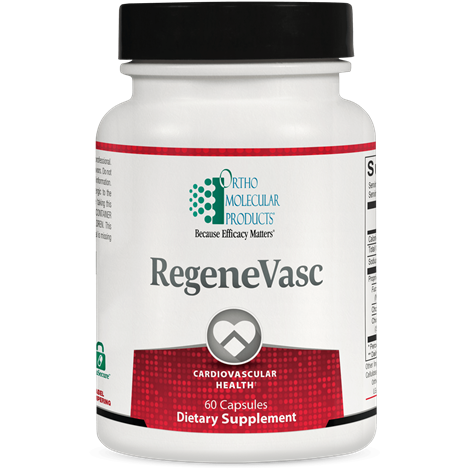
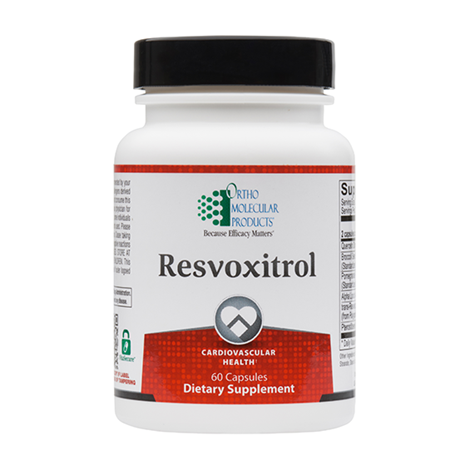
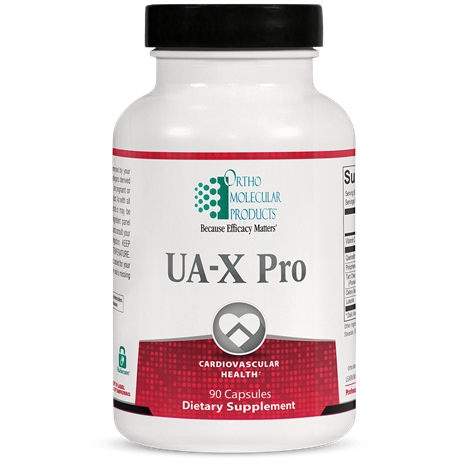
Cardiovascular support formulas combine omega-3s, CoQ10, magnesium, and bergamot for heart health.
Our vetting standard
Every cardiovascular support formula here clears the same bar.
- Clinically studied, effective doses
- Bioavailable, well-absorbed forms
- Practitioner-grade, trusted brands
- Third-party tested for identity and potency
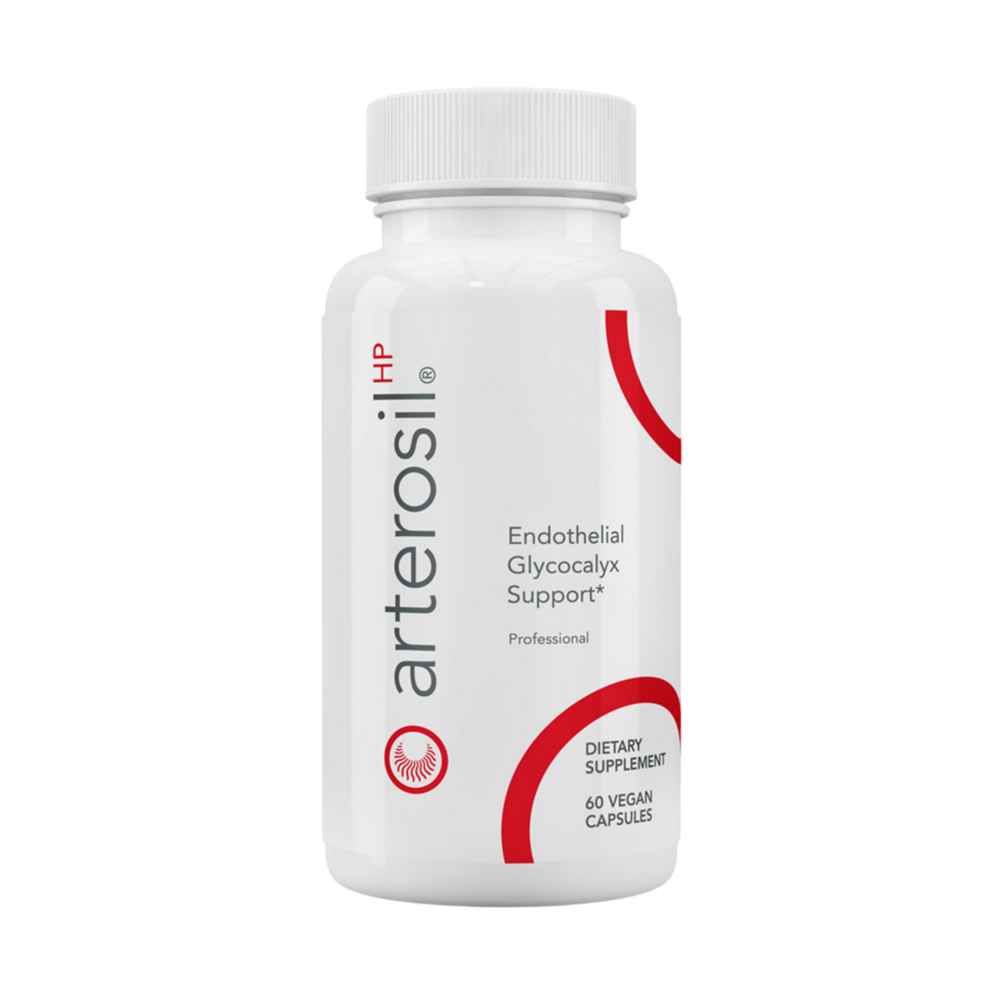
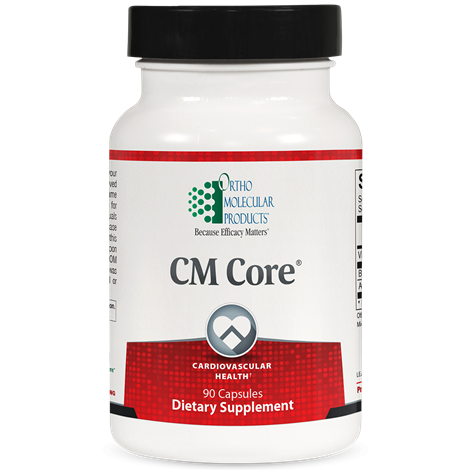
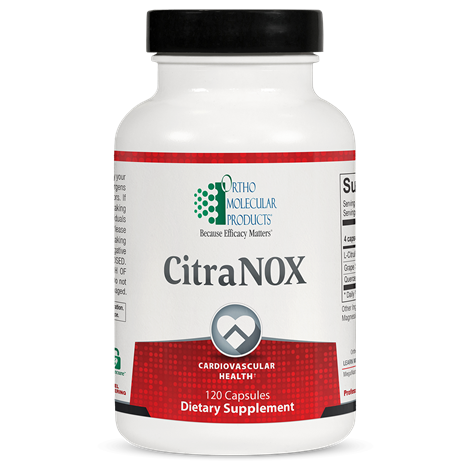
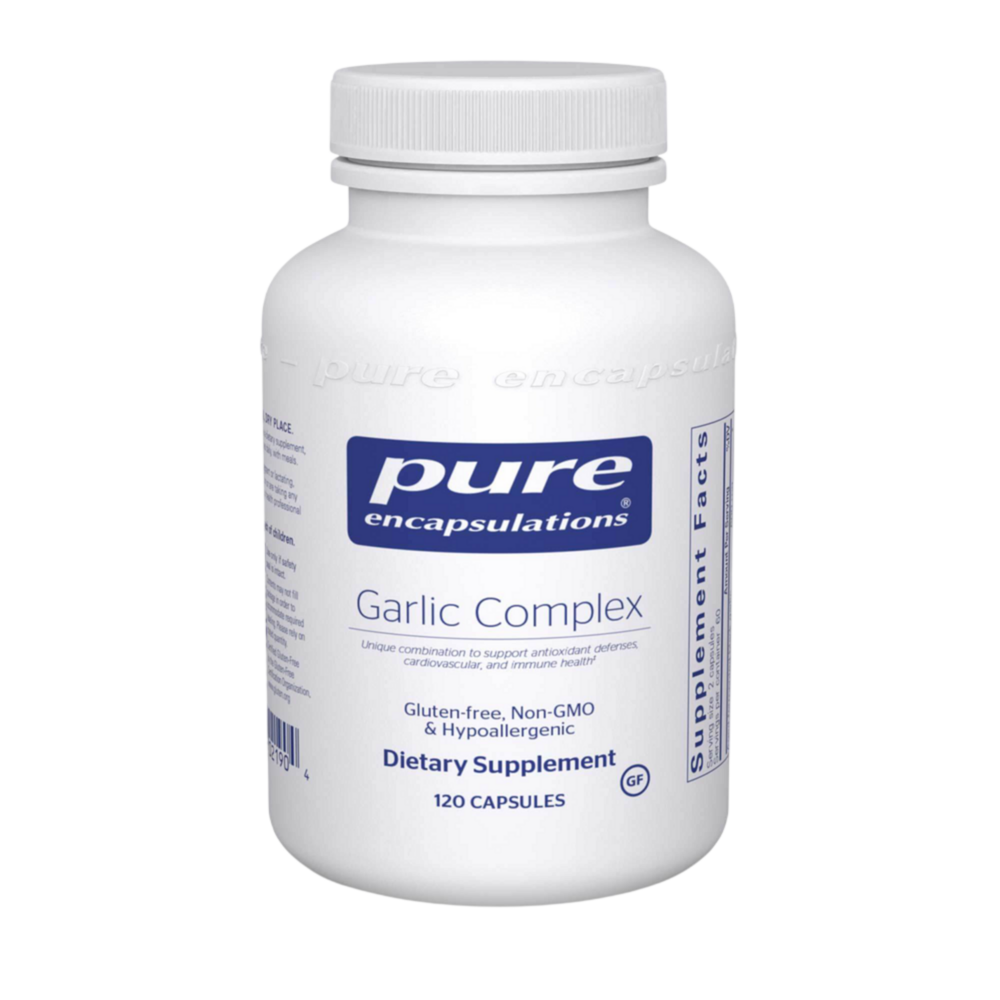
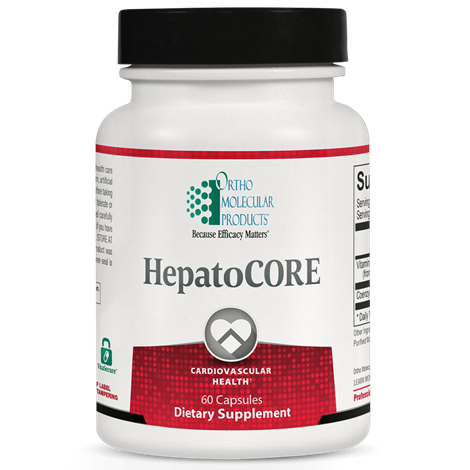
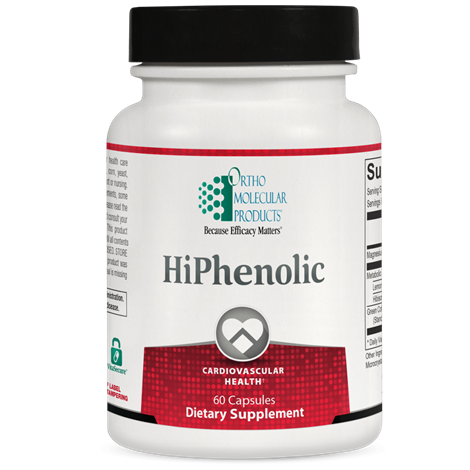
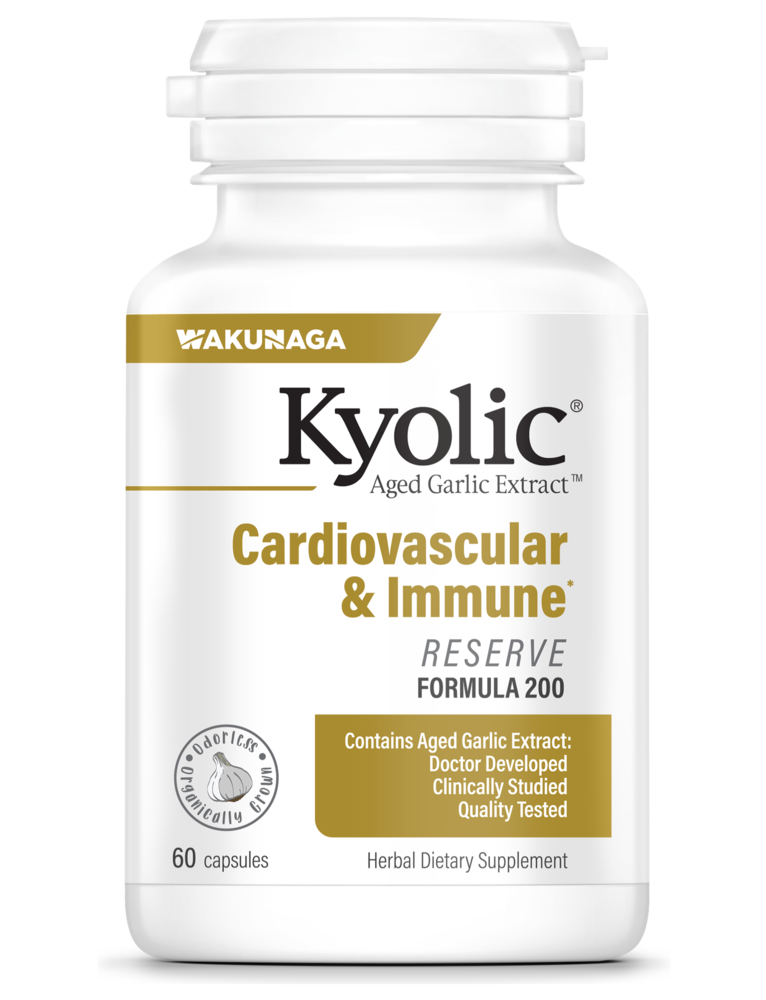
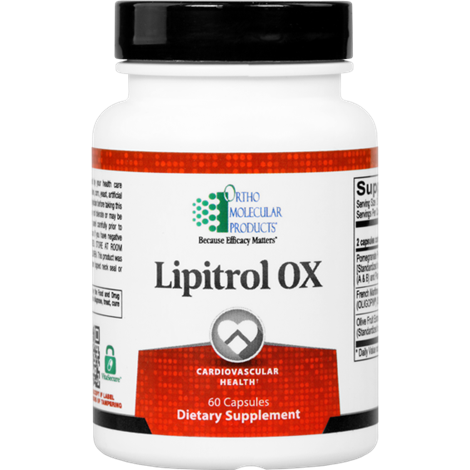
See if it's actually working
ApoB is the number that counts, because it counts the particles; a stack that lowers LDL cholesterol without lowering ApoB has not lowered your risk.
Cardiovascular Support FAQs
What's typically in a cardiovascular support supplement?
Common ingredients include omega-3 fatty acids (EPA/DHA), CoQ10, magnesium, taurine, hawthorn, bergamot, and nattokinase. Each targets a different mechanism — lipids, blood pressure, endothelial function, or rhythm — and they're often combined in heart formulas.
Are these supplements a substitute for cardiovascular medication?
No, especially if you have established disease, very high LDL, or atrial fibrillation. They can be helpful adjuncts to lifestyle changes for prevention, but prescription therapy remains first-line for most diagnosed conditions.
What labs help guide cardiovascular supplementation?
Apolipoprotein B (ApoB), Lp(a), HDL/triglycerides, hs-CRP, omega-3 index, fasting glucose, and homocysteine give a clearer picture than a basic lipid panel. Track these to see what's working and adjust over time.
Which supplements have the strongest evidence for heart health?
Omega-3s (EPA/DHA at 1–2 g/day) for triglycerides and rhythm; CoQ10 (100–200 mg) for statin users and heart failure; magnesium (200–400 mg) for blood pressure and rhythm; bergamot (1,000 mg) and red yeast rice for cholesterol; nattokinase for fibrinolytic support.
How long until I see effects on lipids and blood pressure?
Triglycerides and blood pressure can shift within 4–8 weeks. LDL changes from bergamot, red yeast rice, or psyllium typically take 8–12 weeks. Plaque or carotid intima-media thickness changes take years. Recheck labs at 12 weeks to assess progress.
Will fish oil increase my bleeding risk?
At doses ≤2 g/day, fish oil has minimal effect on bleeding. Higher doses (3+ g/day) can mildly affect platelet function. Most surgeons no longer recommend stopping fish oil before surgery, but coordinate with your surgeon and anyone managing your blood thinners.
Can I take heart supplements with blood thinners?
Several common heart supplements (fish oil, garlic, nattokinase, vitamin E, ginkgo) can have additive effects with warfarin, aspirin, or DOACs (apixaban, rivaroxaban). Coordinate with your prescriber before adding these, especially if you have a high INR or recent bleeding.
What's the best diet for heart health alongside supplements?
Mediterranean and DASH diets have the strongest evidence — emphasize fish, olive oil, nuts, whole grains, vegetables, and minimal processed foods. Reducing refined carbs, alcohol, and added sugar improves nearly every cardiovascular marker. Supplements work better as adjuncts to a heart-healthy diet, not replacements.
Are heart supplements safe during pregnancy?
Some are encouraged (omega-3 DHA for fetal development at 200–300 mg/day), but most others (bergamot, hawthorn, red yeast rice, high-dose CoQ10) lack pregnancy safety data. Coordinate any cardiovascular supplement use during pregnancy with your OB.
Who should not take heart supplements?
People on multiple blood thinners (interaction risk), those with severe arrhythmias managed with antiarrhythmic drugs, people scheduled for surgery within two weeks (bleeding risk), and anyone with end-stage liver or kidney disease should coordinate any supplement use with their cardiology team.