 Instalab
Choline
Choline supports brain function, liver health, and methylation.
Our vetting standard
Every choline formula here clears the same bar.
- Clinically studied, effective doses
- Bioavailable, well-absorbed forms
- Practitioner-grade, trusted brands
- Third-party tested for identity and potency
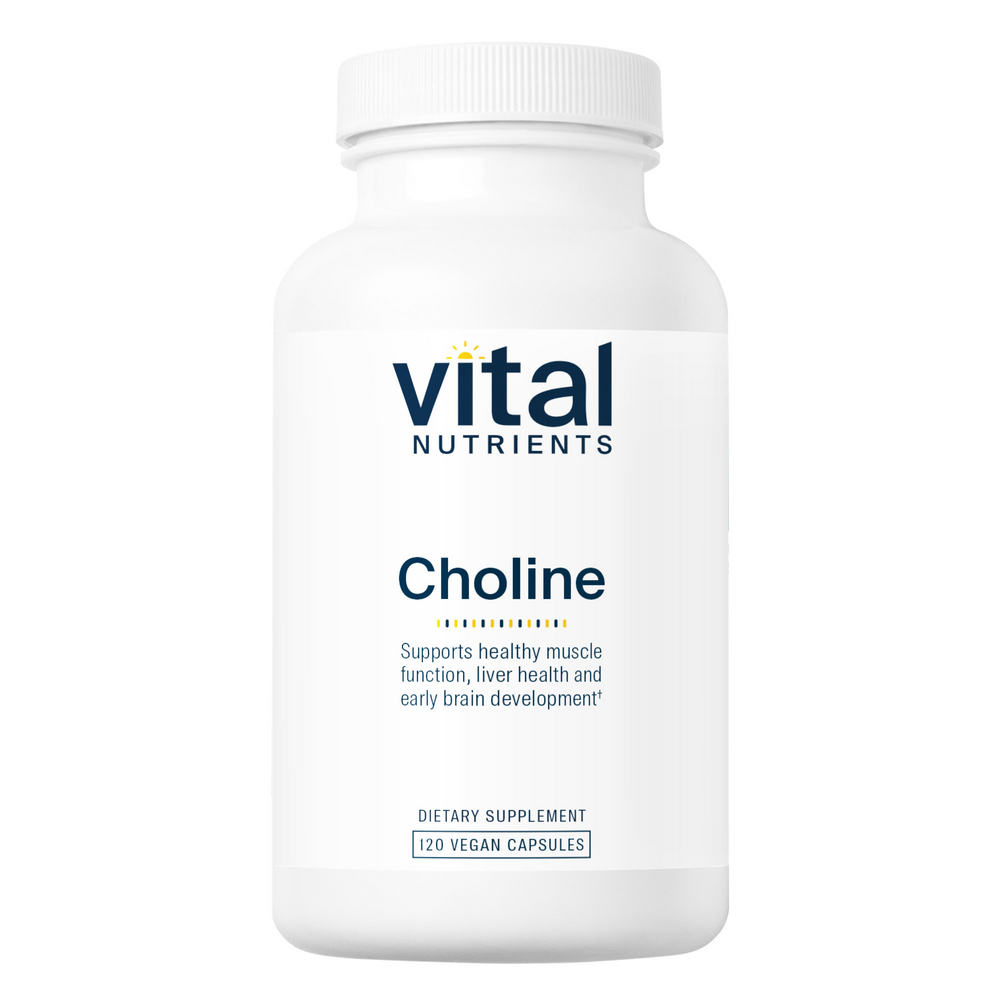
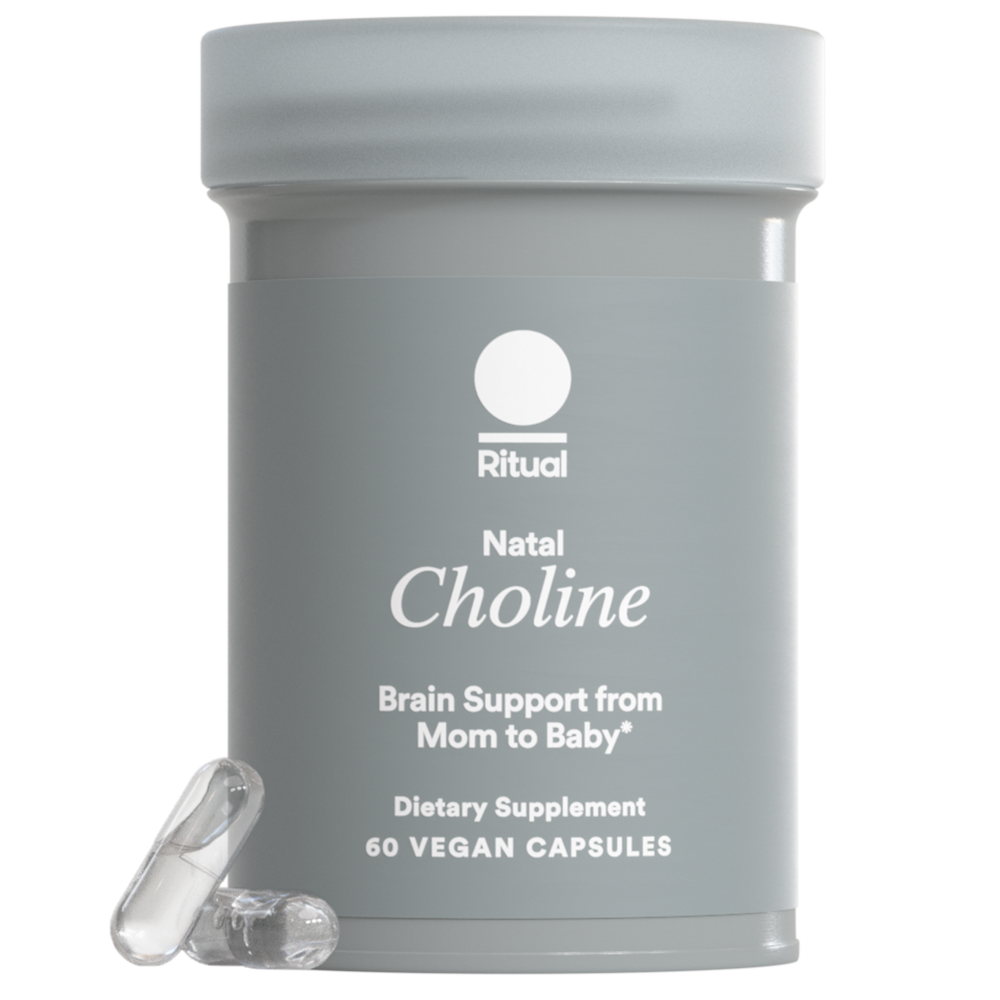
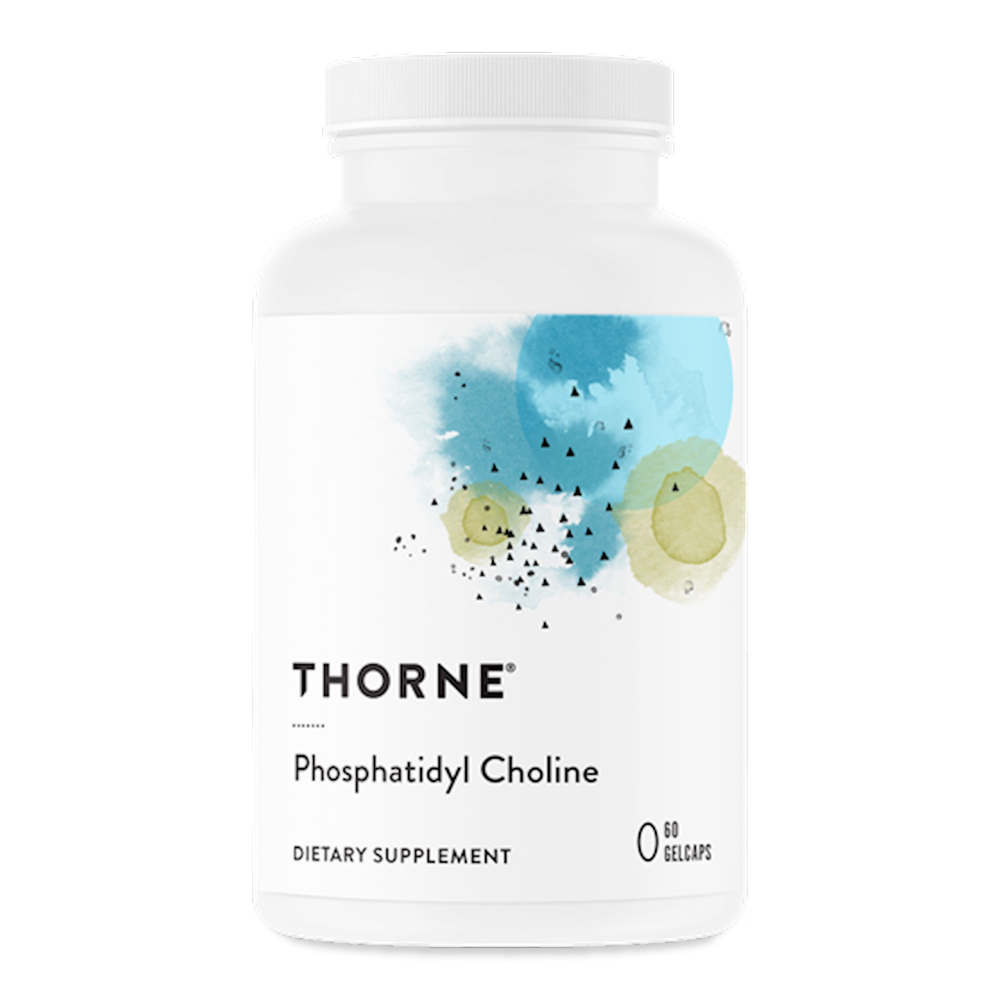
See if it's actually working
Choline should pull homocysteine down and, where fatty liver was the reason for taking it, ALT with it; it is also a TMAO precursor, which is a reason to keep the dose sensible rather than a marker to track.
Choline FAQs
What does choline do?
Choline is essential for memory and brain function (it's the precursor to acetylcholine), liver health (it shuttles fat out of the liver), cell membrane integrity, and methylation. About 90% of Americans don't get the recommended daily intake.
How much choline do I need?
The Adequate Intake is 425 mg/day for women and 550 mg/day for men. Pregnant and lactating women need more (450–550 mg). Egg yolks, liver, and beef are the richest food sources.
What's the difference between choline forms?
Choline bitartrate is the cheapest. Citicoline (CDP-choline) and Alpha-GPC are more bioavailable and cross the blood-brain barrier better, making them preferred for cognitive support. Phosphatidylcholine works well for liver health.
What are the best food sources of choline?
Egg yolks (~150 mg per egg), beef liver (~290 mg per 3 oz), salmon, chicken, soybeans, broccoli, and Brussels sprouts. Two eggs a day plus a serving of meat or fish typically covers daily needs. Vegans and people who avoid eggs are most at risk for low intake.
Can choline really help with cognition?
Citicoline (250–500 mg/day) and Alpha-GPC (300–600 mg/day) have shown improvements in memory, focus, and mental processing speed in trials, especially in older adults and those with mild cognitive impairment. Effects in healthy young adults are smaller but measurable.
Citicoline vs Alpha-GPC — which is better?
Citicoline (CDP-choline) is preferred for stroke recovery and traumatic brain injury research, and provides cytidine for membrane synthesis. Alpha-GPC delivers more raw choline per dose and may be slightly better for acute focus and athletic performance. Both cross the blood-brain barrier well.
Does choline help with fatty liver?
Yes. Choline deficiency is a recognized cause of nonalcoholic fatty liver disease (NAFLD). Phosphatidylcholine and choline bitartrate (500–1,000 mg/day) can support liver fat clearance. Best paired with weight loss and reducing refined carbs and alcohol.
When should I take choline?
For cognition (Alpha-GPC, citicoline), take in the morning or before mental work — many feel a focus lift within 30–60 minutes. For liver support and methylation, anytime with meals is fine. Avoid evening dosing if you find it stimulating.
Are there side effects from choline?
High doses (>3,500 mg/day) can cause fishy body odor, GI upset, low blood pressure, and excessive sweating. Some research suggests very high choline intake may increase cardiovascular risk through TMAO production — stick to 500–1,500 mg/day from supplements unless directed otherwise.
Is choline essential during pregnancy?
Yes. Choline is critical for fetal brain development and helps prevent neural tube defects. Pregnancy needs are 450 mg/day; lactation needs 550 mg/day. Many prenatals don't contain enough choline — supplement an additional 200–300 mg/day during pregnancy under OB guidance.
Who should not take high-dose choline?
People with trimethylaminuria (TMAU, fish-odor syndrome), kidney disease, or certain genetic variants affecting TMAO production. People with depression should also use caution since some forms can worsen depressive symptoms in sensitive individuals.