 Instalab
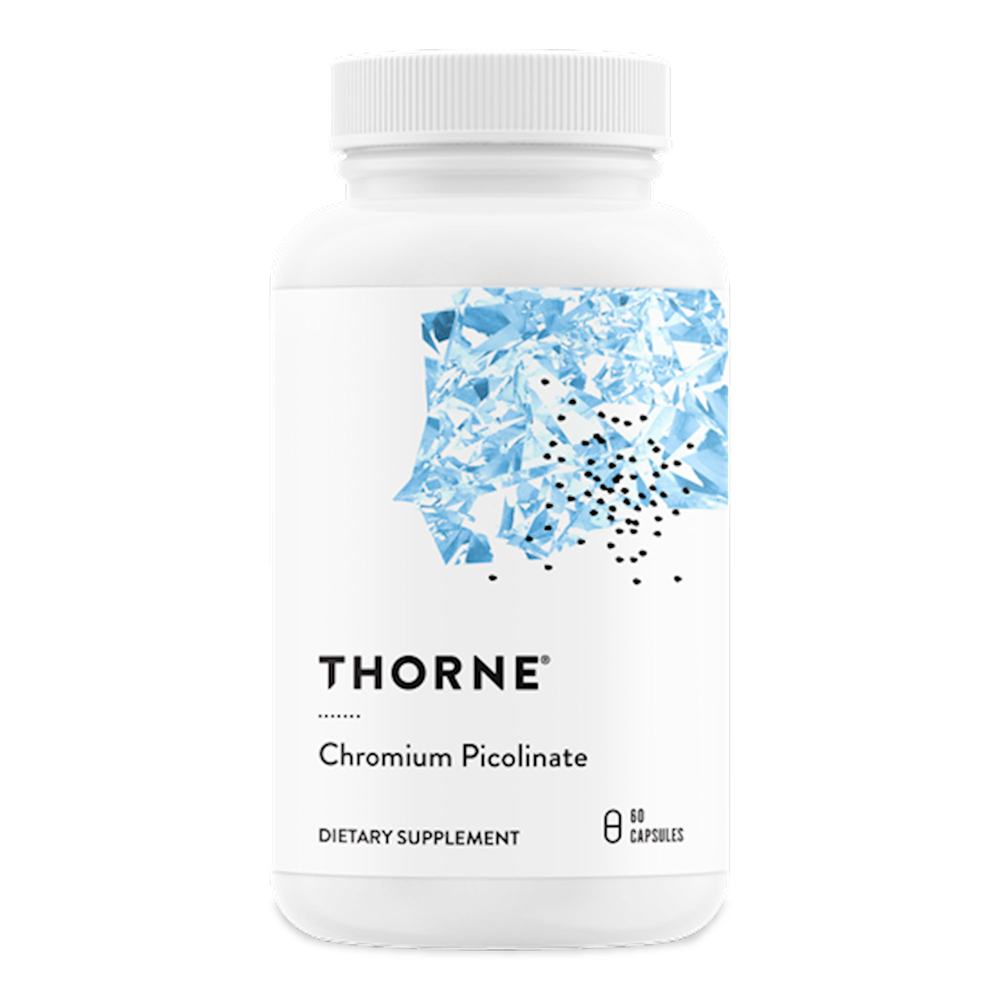
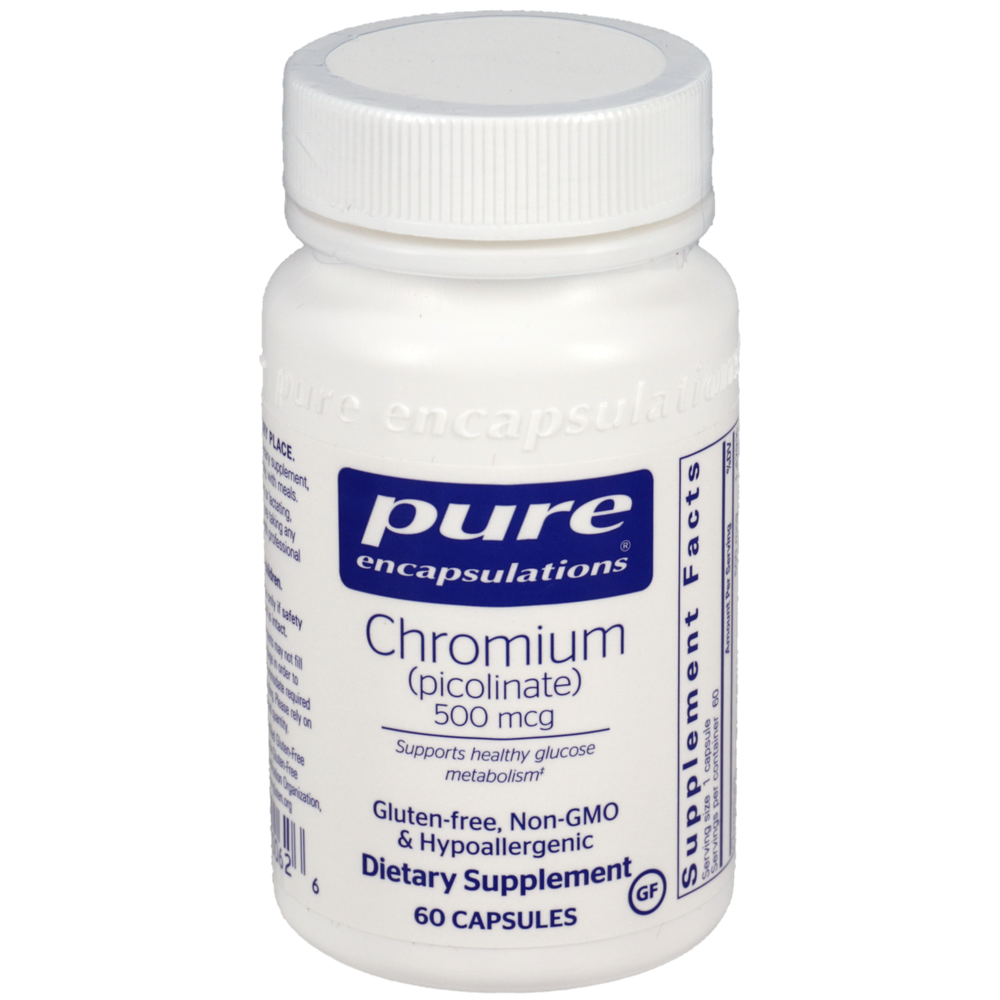
Chromium
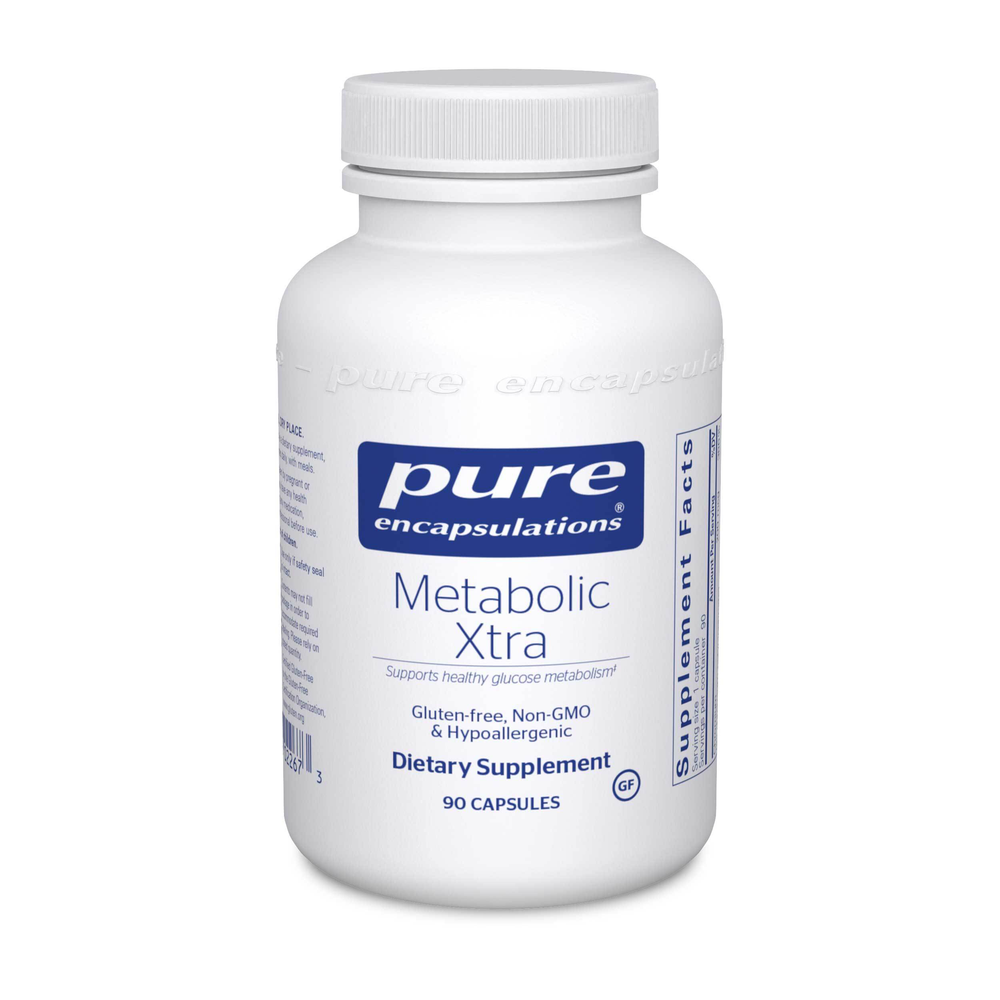
Chromium supports insulin signaling and carbohydrate metabolism.
Our vetting standard
Every chromium formula here clears the same bar.
- Clinically studied, effective doses
- Bioavailable, well-absorbed forms
- Practitioner-grade, trusted brands
- Third-party tested for identity and potency
See if it's actually working
Chromium only helps people who were genuinely deficient, so a flat HbA1c and fasting insulin at three months is a real answer, not an inadequate dose.
Chromium FAQs
What does chromium do?
Chromium enhances insulin signaling, helping cells respond more efficiently to insulin and use glucose. It's most studied in people with prediabetes, type 2 diabetes, or PCOS, and may modestly reduce sugar cravings.
How much chromium should I take?
Studies use 200–1,000 mcg of chromium picolinate per day, with most benefit at 200–500 mcg. Higher doses are reserved for people with documented insulin resistance under clinician guidance.
Is chromium safe?
Yes, at typical supplemental doses chromium has a strong safety record. Avoid hexavalent chromium (an industrial form) — supplemental chromium is the safe trivalent form, usually as picolinate or nicotinate.
Does chromium help with weight loss?
Modestly. Meta-analyses show chromium picolinate at 200–1,000 mcg/day produces 1–3 lb of weight loss over 8–12 weeks, primarily through reduced cravings and slightly improved glucose disposal. Effects are larger in people with insulin resistance.
Can I get chromium from food?
Yes, but levels in food are unpredictable due to depleted soils and processing. Best sources are broccoli, grape juice, whole grains, and brewer's yeast. Most diets provide 25–60 mcg/day, often below the 35 mcg AI for men and 25 mcg for women.
Chromium picolinate vs chromium polynicotinate — which is better?
Chromium picolinate is the most-studied form with the strongest evidence for blood sugar and weight effects. Chromium polynicotinate (chromium niacinate) is gentler on the stomach. Both are well-absorbed; pick based on tolerability and whether you want the niacin co-factor.
Does chromium reduce sugar cravings?
Some evidence suggests yes, particularly in people with carbohydrate cravings, atypical depression, or PCOS. The mechanism likely involves improved insulin signaling and steadier glucose. Effects are modest — chromium isn't a miracle craving cure, but can be a helpful adjunct.
When should I take chromium?
With a carb-containing meal for best glucose impact. Some people split doses between breakfast and dinner. Consistency matters more than precise timing — take it with whatever meal works for daily compliance.
Are there side effects of chromium?
Mild and rare: GI upset, headaches, dizziness, mood changes. Very rare reports of kidney or liver issues at high chronic doses. Stay within 200–1,000 mcg/day. People on insulin or sulfonylureas should monitor glucose to avoid hypoglycemia.
Is chromium safe during pregnancy?
Pregnant women have an AI of 30 mcg/day. Most prenatals include adequate chromium. Avoid high-dose supplementation (>200 mcg) during pregnancy without OB guidance — there's limited safety data above food levels.
Who should not take chromium?
People with kidney or liver disease, those on insulin or sulfonylureas without monitoring, and people with hypoglycemia. Use caution if you take levothyroxine — separate by 4 hours since chromium can reduce its absorption.