 Instalab
Collagen
Collagen peptides support skin, joint, and connective tissue.
Our vetting standard
Every collagen formula here clears the same bar.
- Clinically studied, effective doses
- Bioavailable, well-absorbed forms
- Practitioner-grade, trusted brands
- Third-party tested for identity and potency
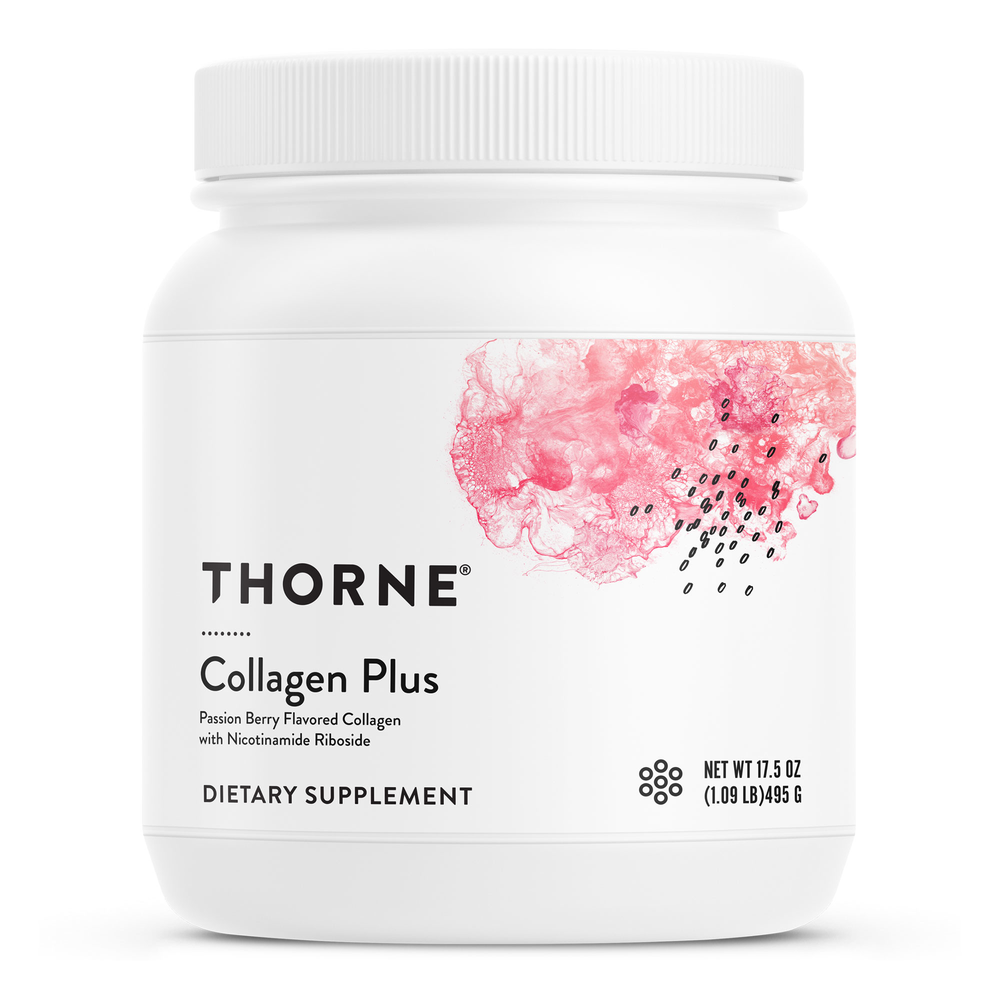
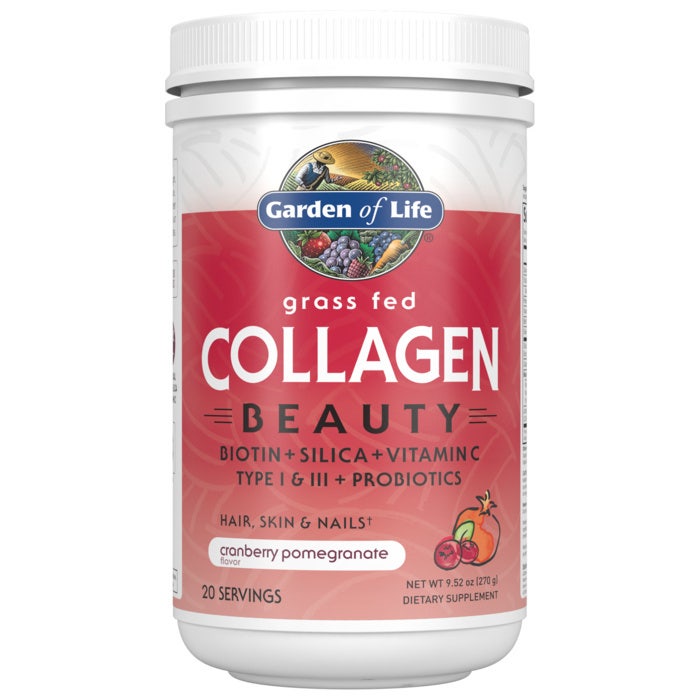
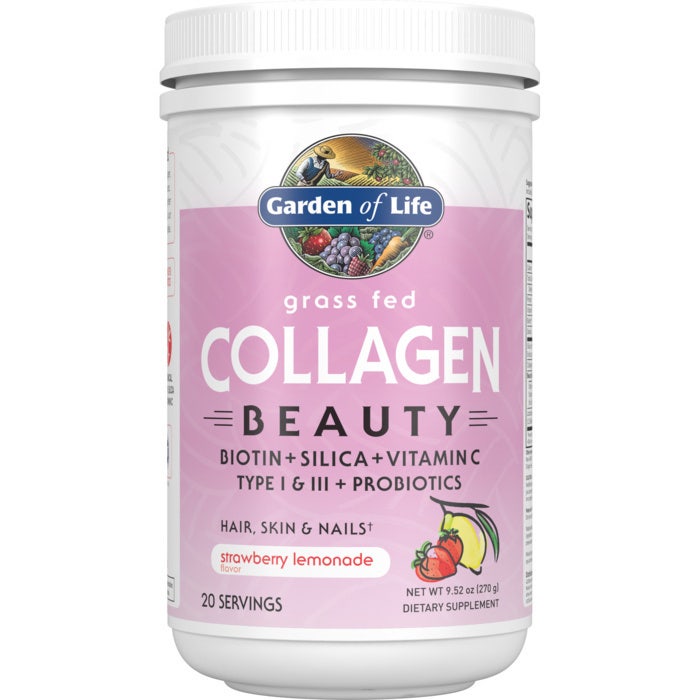
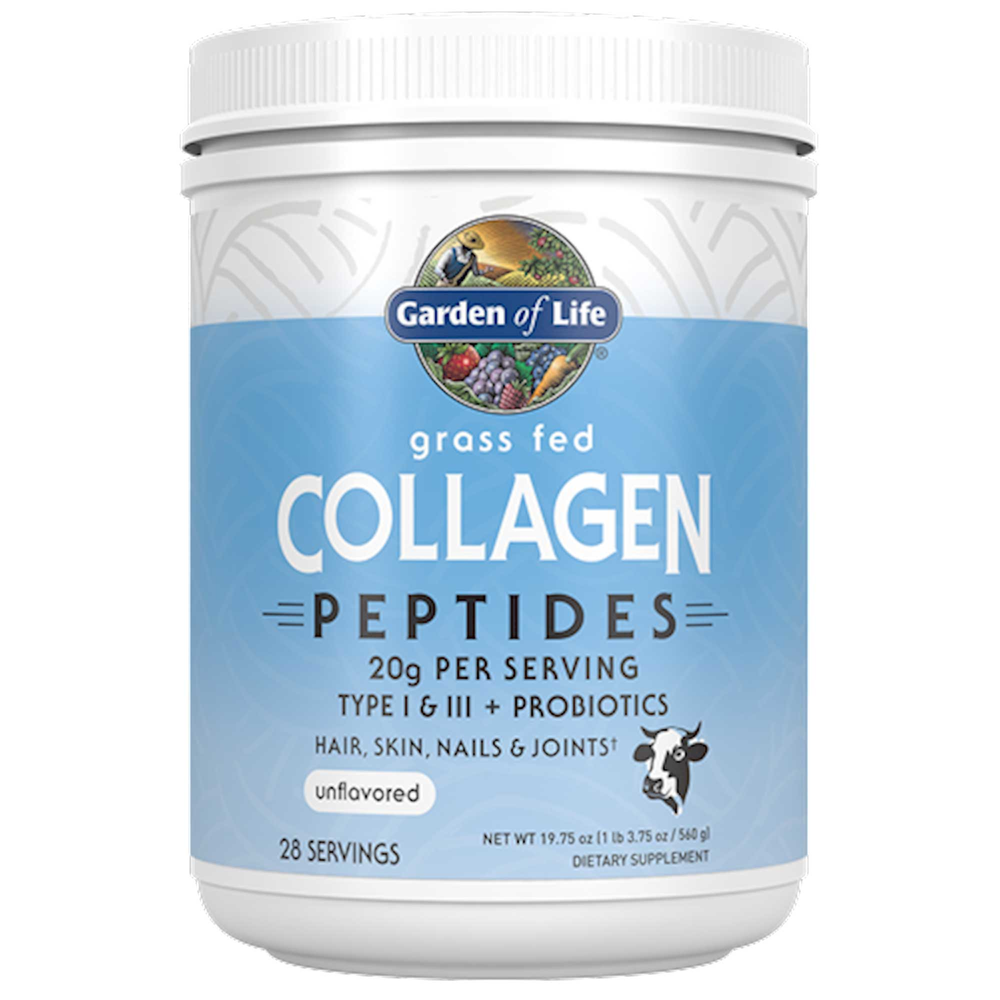
Collagen FAQs
Does collagen actually work?
Yes. Multiple controlled trials show 10–15 g per day of hydrolyzed collagen peptides improves skin elasticity, hydration, and joint comfort within 8–12 weeks. The effect comes from peptide signals that stimulate the body's own collagen production, not direct rebuilding.
Type I, II, or III collagen — what's the difference?
Type I and III dominate skin, hair, nails, and bone. Type II is specific to cartilage and is used for joint support. Most marine and bovine peptide products are Types I/III; chicken-derived UC-II is undenatured Type II.
When should I take collagen?
Anytime, with or without food. Some people pair it with vitamin C, which is required for collagen synthesis. Consistency matters more than timing — daily use for at least 2–3 months produces best results.
How much collagen should I take?
10–15 g per day for skin, hair, and nails. Joint support uses 10–15 g of hydrolyzed collagen or, alternatively, 40 mg of UC-II (undenatured type II collagen). Higher doses (20+ g) provide diminishing returns. Match your dose to your goal.
Marine vs bovine collagen — which is better?
Marine collagen has smaller peptides (slightly faster absorption) and is mostly Type I — best for skin focus. Bovine collagen is Types I and III and broader-acting (skin, hair, nails, gut, bones). Both work well; pick based on dietary preference (pescatarian-friendly vs cow-derived) and price.
Will collagen help with joint pain?
Yes, modest effects. Hydrolyzed collagen at 10 g/day or UC-II at 40 mg/day reduces joint pain and improves function in osteoarthritis trials. UC-II works through immune modulation; hydrolyzed peptides supply amino acids and signaling for cartilage repair. Pair with weight management and movement.
How is collagen different from protein powder?
Collagen is a specialized protein focused on glycine, proline, and hydroxyproline — amino acids critical for connective tissue. It's an incomplete protein and shouldn't replace whey or plant protein for muscle building. Use collagen for skin, joints, and gut; use whole protein for general muscle/recovery.
Can collagen help with gut health?
The amino acids in collagen (especially glycine and glutamine if added) are used for gut lining repair. Anecdotal benefits for leaky gut and IBS are common, though randomized human evidence is limited. Bone broth, which contains gelatin (incompletely hydrolyzed collagen), is similar.
How long does it take to see results?
Skin hydration changes can show in 4–8 weeks; visible elasticity, wrinkles, and hair improvements in 8–12 weeks. Joint benefits typically appear in 8–12 weeks. Don't expect overnight changes — collagen synthesis is gradual.
Are there side effects from collagen?
Collagen is well-tolerated. Mild GI upset (bloating, fullness), bad taste, or rare allergic reactions to fish-derived (marine) products are the main concerns. Marine collagen is contraindicated in shellfish/fish allergies. Vegan collagen-boosters use vitamin C, silica, and amino acids since true collagen comes only from animals.
Is collagen safe during pregnancy?
Generally yes, since collagen peptides are food-grade protein. Choose grass-fed bovine or wild-caught marine sources to minimize contaminants. Coordinate with your OB if you have any specific medical concerns. Collagen also provides glycine, which supports detoxification and pregnancy needs.