 Instalab
Copper
Copper supports red blood cell formation, connective tissue, and antioxidant enzymes.
Our vetting standard
Every copper formula here clears the same bar.
- Clinically studied, effective doses
- Bioavailable, well-absorbed forms
- Practitioner-grade, trusted brands
- Third-party tested for identity and potency
See if it's actually working
Copper and ceruloplasmin should return to range together, and zinc is on the same draw because the two compete for absorption in both directions.
Copper FAQs
What does copper do?
Copper is a cofactor for enzymes involved in iron metabolism, energy production, connective tissue formation (lysyl oxidase), and antioxidant defense (superoxide dismutase). Most people get enough from diet, but high-dose zinc supplementation can deplete copper.
Who needs to supplement copper?
People taking high-dose zinc long-term (above 50 mg/day for several months), those with malabsorption, or those with documented low copper. Most adults don't need a separate copper supplement.
How much copper is safe?
The RDA is 0.9 mg/day for adults. Most copper-zinc combinations provide 1–2 mg of copper. The tolerable upper limit is 10 mg/day; higher chronic intake can cause toxicity.
What are signs of copper deficiency?
Anemia (often resistant to iron supplementation), neutropenia, fatigue, neurological symptoms (numbness, balance issues, gait problems), early greying hair, and brittle bones. Copper deficiency is increasingly recognized after long-term zinc use or bariatric surgery.
Can I get enough copper from food?
Yes, easily. Top sources are beef liver (one of the highest), oysters, dark chocolate, cashews, sunflower seeds, sesame seeds, and shiitake mushrooms. Most diets provide 1–2 mg/day, well above the 0.9 mg RDA.
What's the best form of copper supplement?
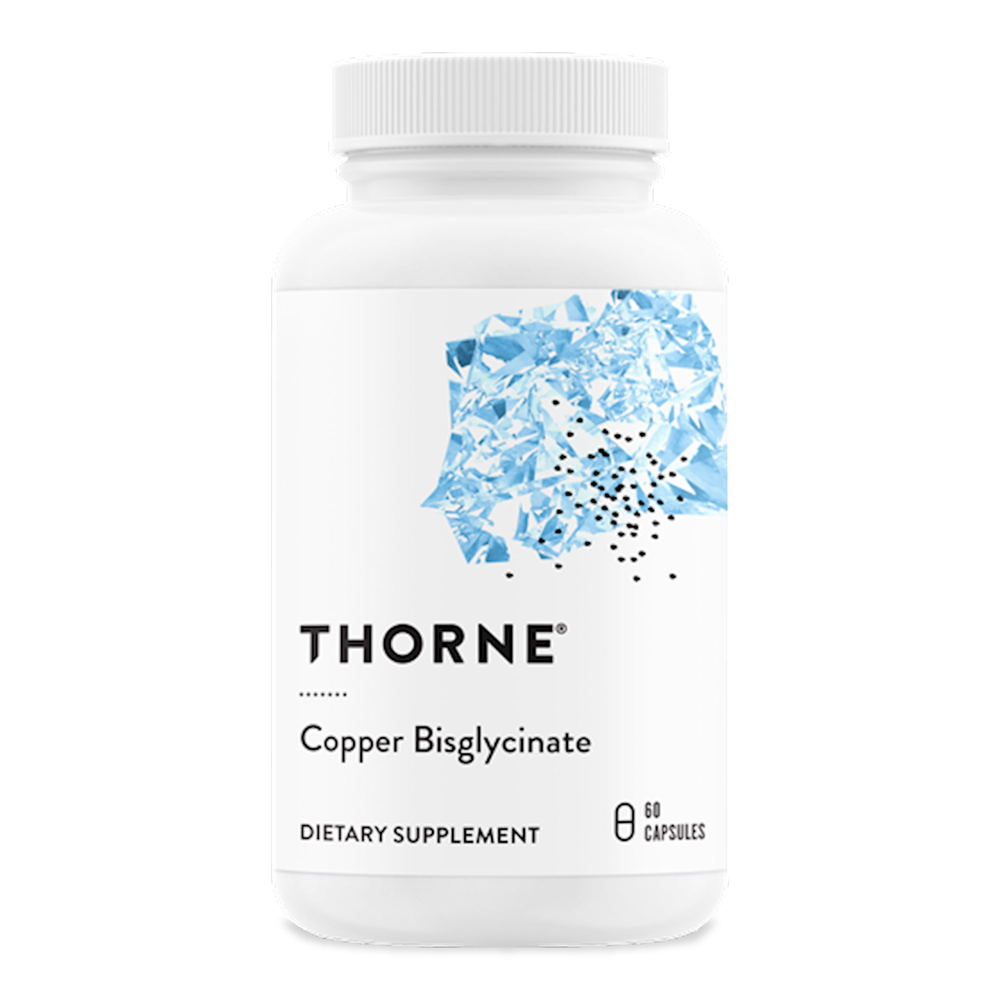
Copper bisglycinate (chelated) and copper citrate are well-absorbed and gentle. Copper sulfate is cheaper but less bioavailable. Avoid copper oxide — it's poorly absorbed despite being common in cheap multivitamins.
What are signs of copper toxicity?
Nausea, vomiting, abdominal pain, liver dysfunction, and neurological symptoms. Wilson's disease (a genetic copper-overload condition) requires medical treatment. Drinking water from copper pipes can contribute to chronic exposure.
Should I avoid copper supplements if I have copper IUDs?
Copper from IUDs is local to the uterus and doesn't significantly affect systemic copper levels. You can still supplement copper if needed, but most women don't need to. If concerned about copper-estrogen interactions, get serum copper tested.
Is copper safe during pregnancy?
Yes, at appropriate doses. Pregnant women need 1.0 mg/day; lactating women need 1.3 mg/day. Most prenatals include copper. Avoid mega-dosing copper during pregnancy. Some research links high copper-to-zinc ratios in pregnancy with mood concerns.
Who should not take copper?
People with Wilson's disease (genetic copper accumulation), liver disease, or those with naturally high serum copper should avoid supplementation. Always test before mega-dosing if you've been on long-term zinc and want to correct an imbalance.