 Instalab
CoQ10
CoQ10 supports mitochondrial energy production and heart health.
Our vetting standard
Every coq10 formula here clears the same bar.
- Clinically studied, effective doses
- Bioavailable, well-absorbed forms
- Practitioner-grade, trusted brands
- Third-party tested for identity and potency
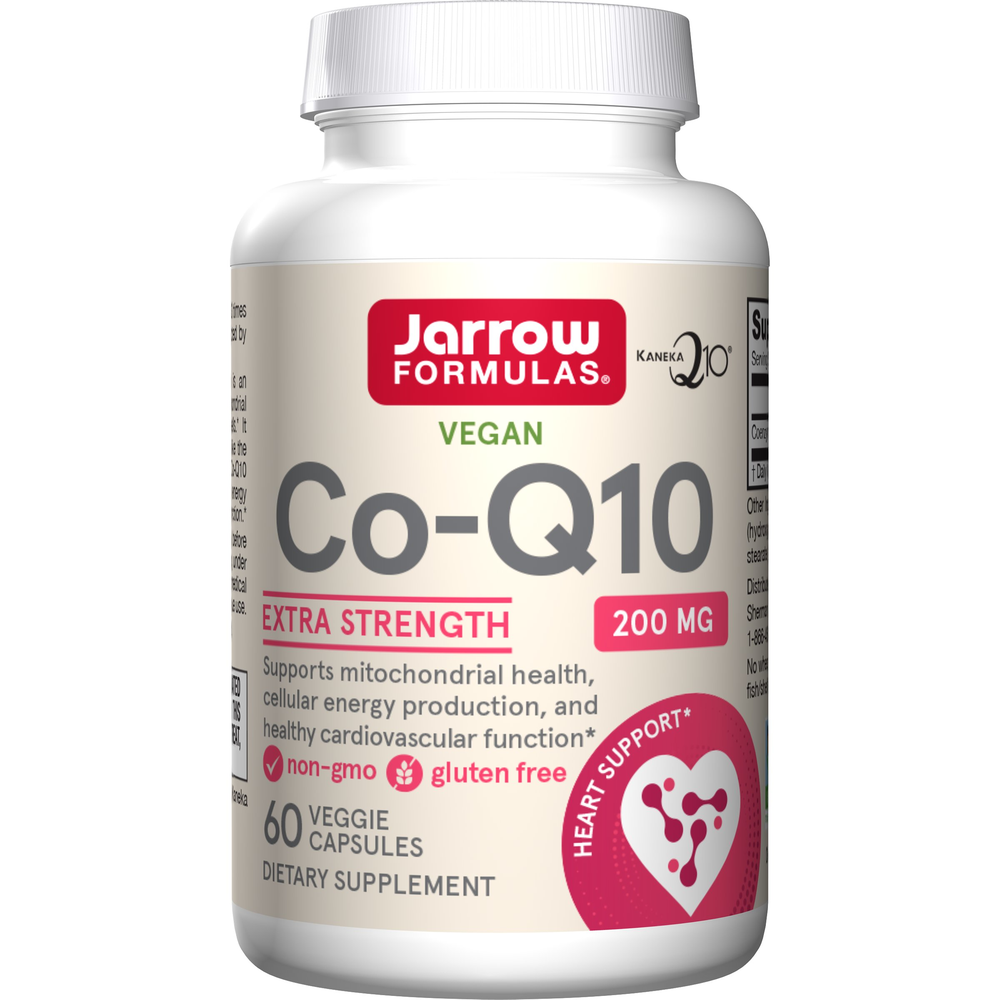
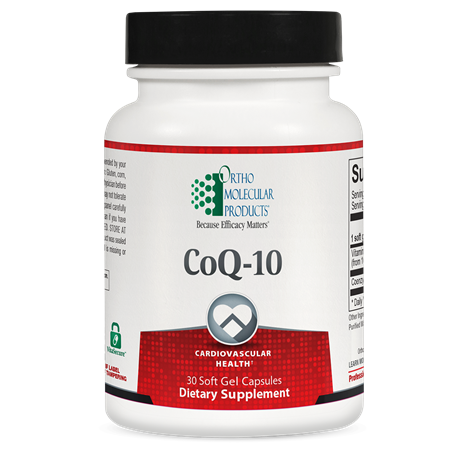
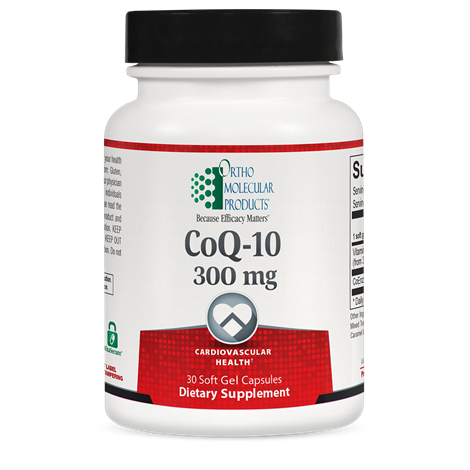
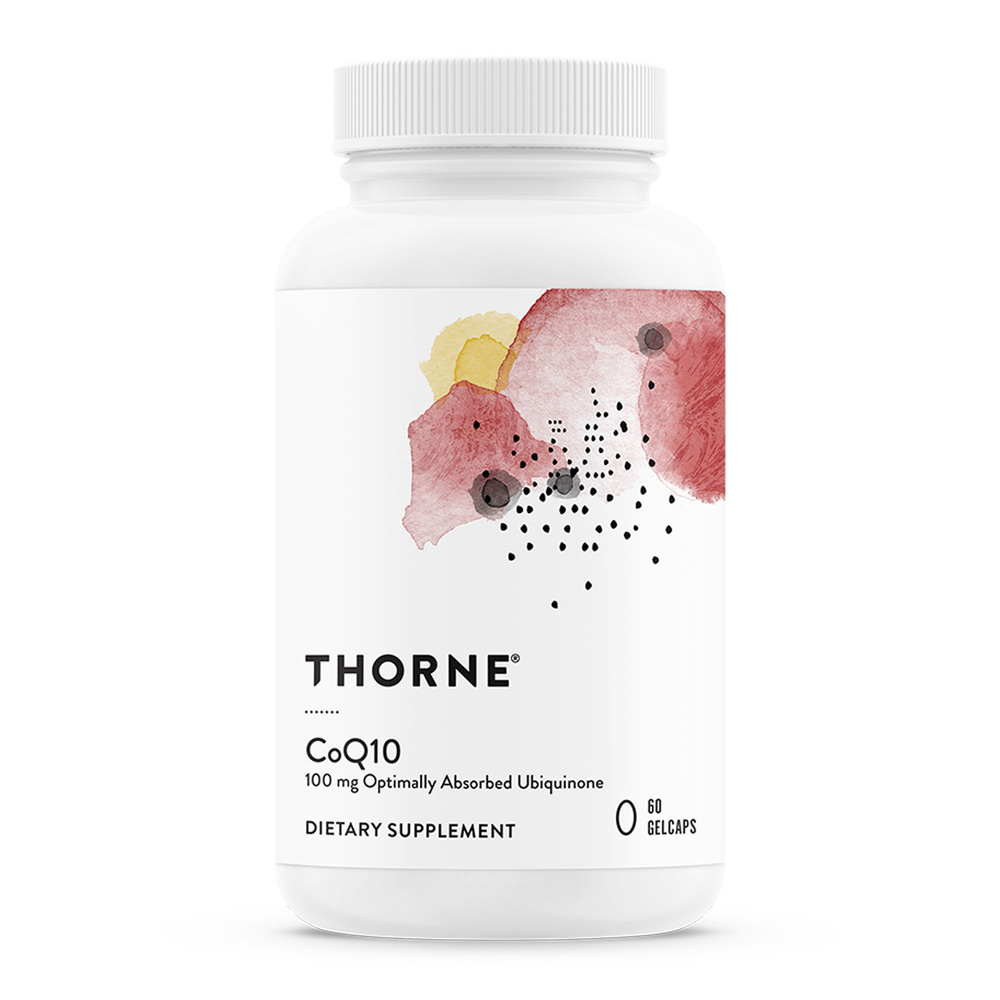
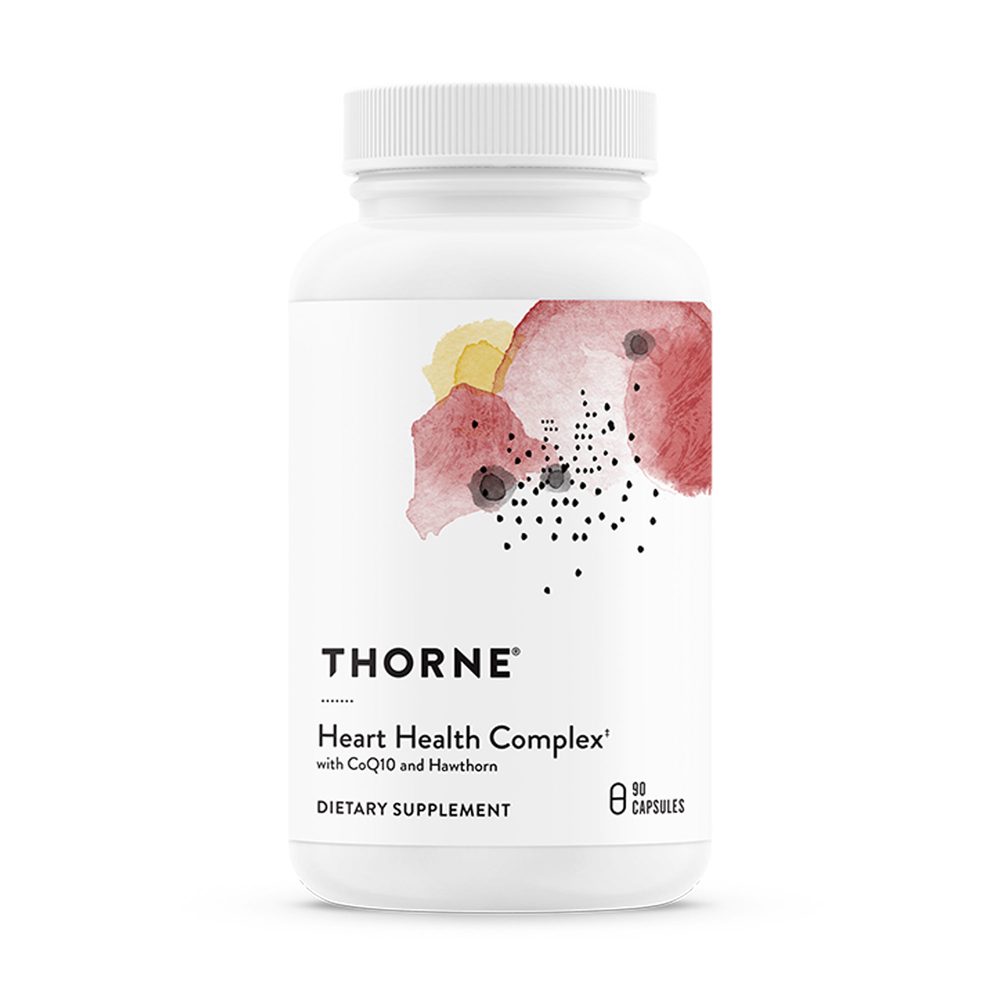
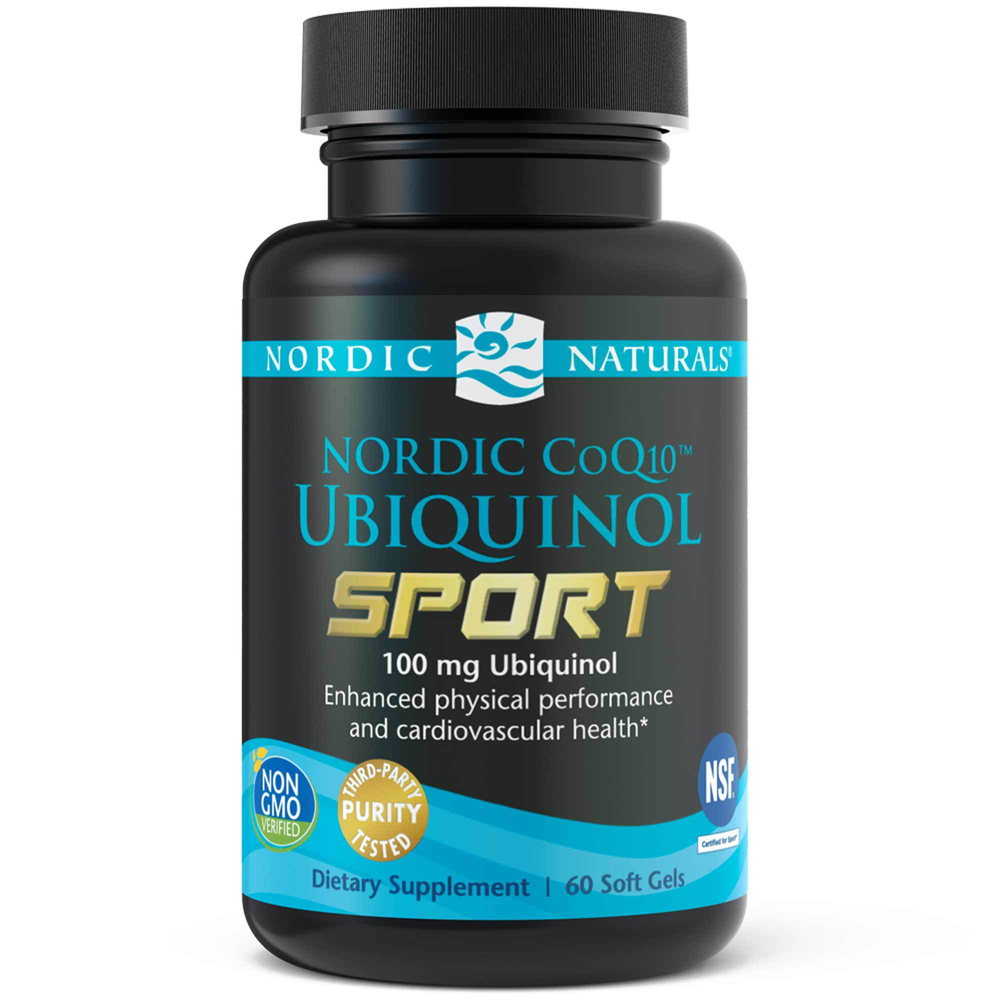
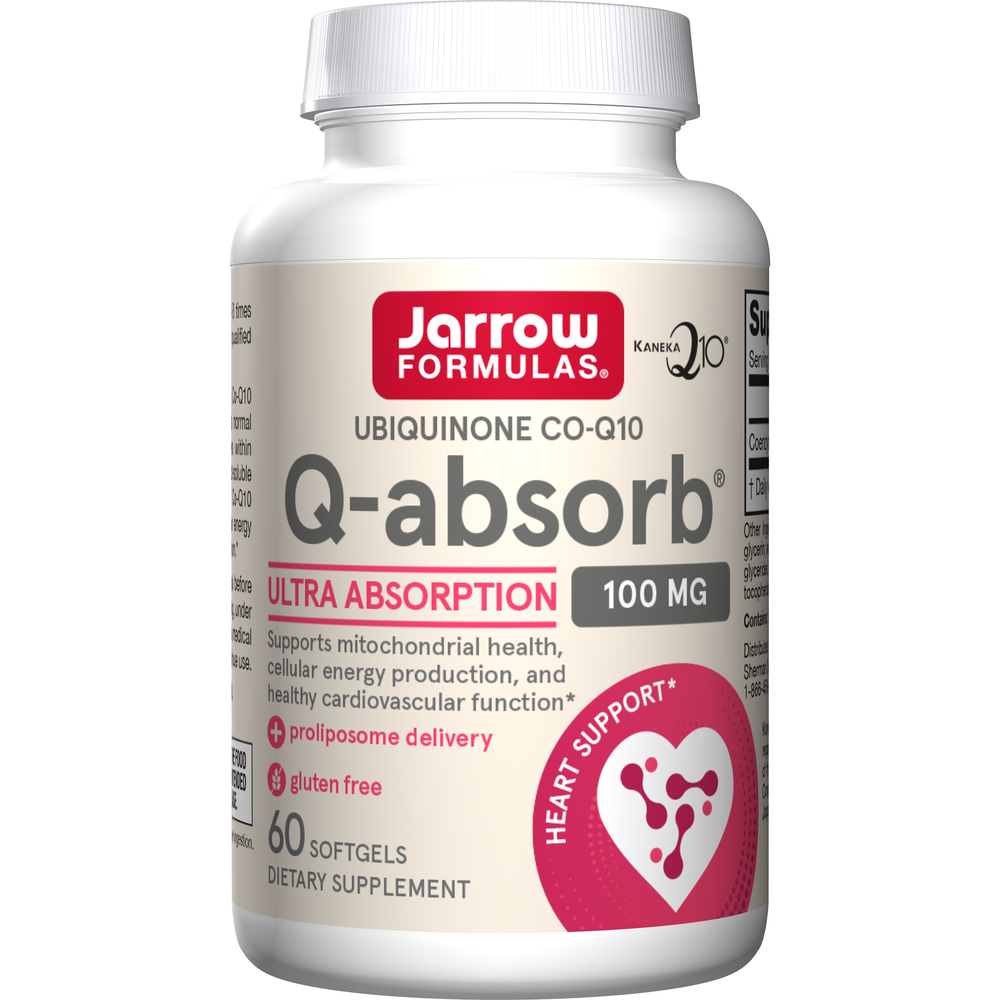
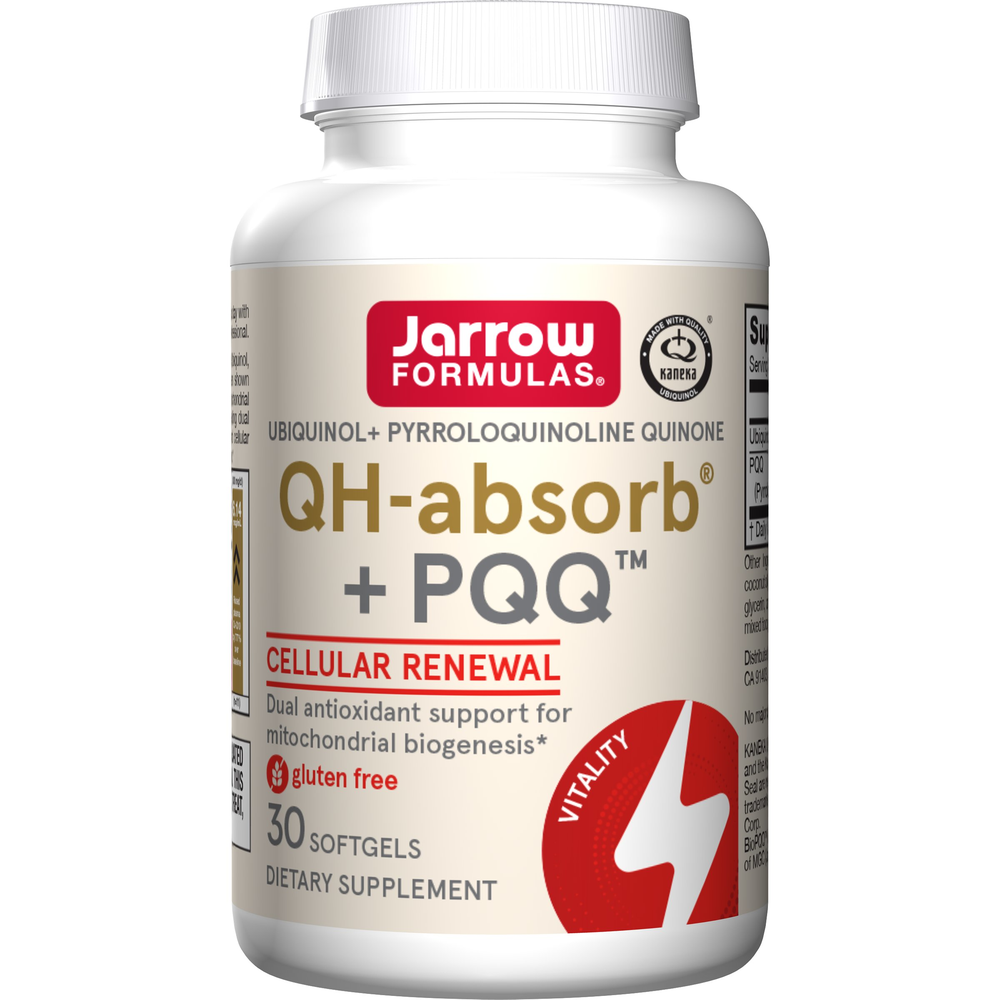
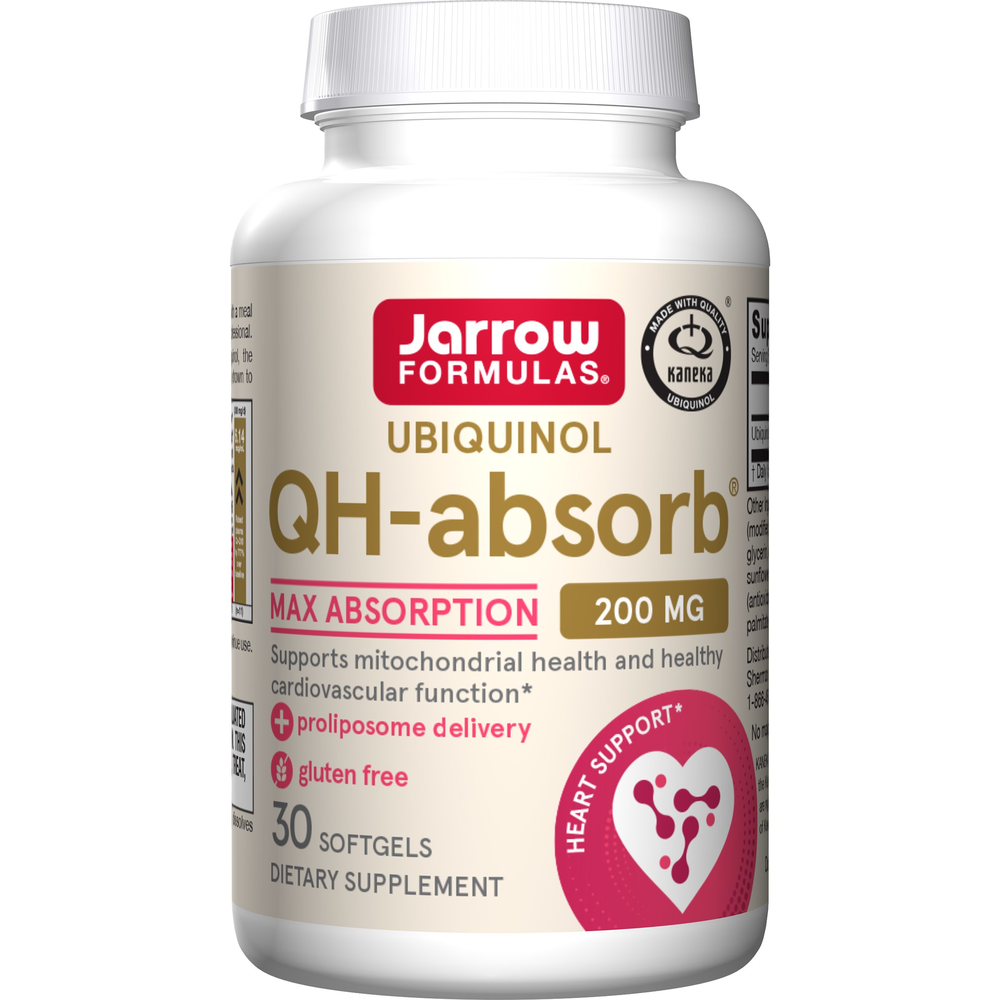
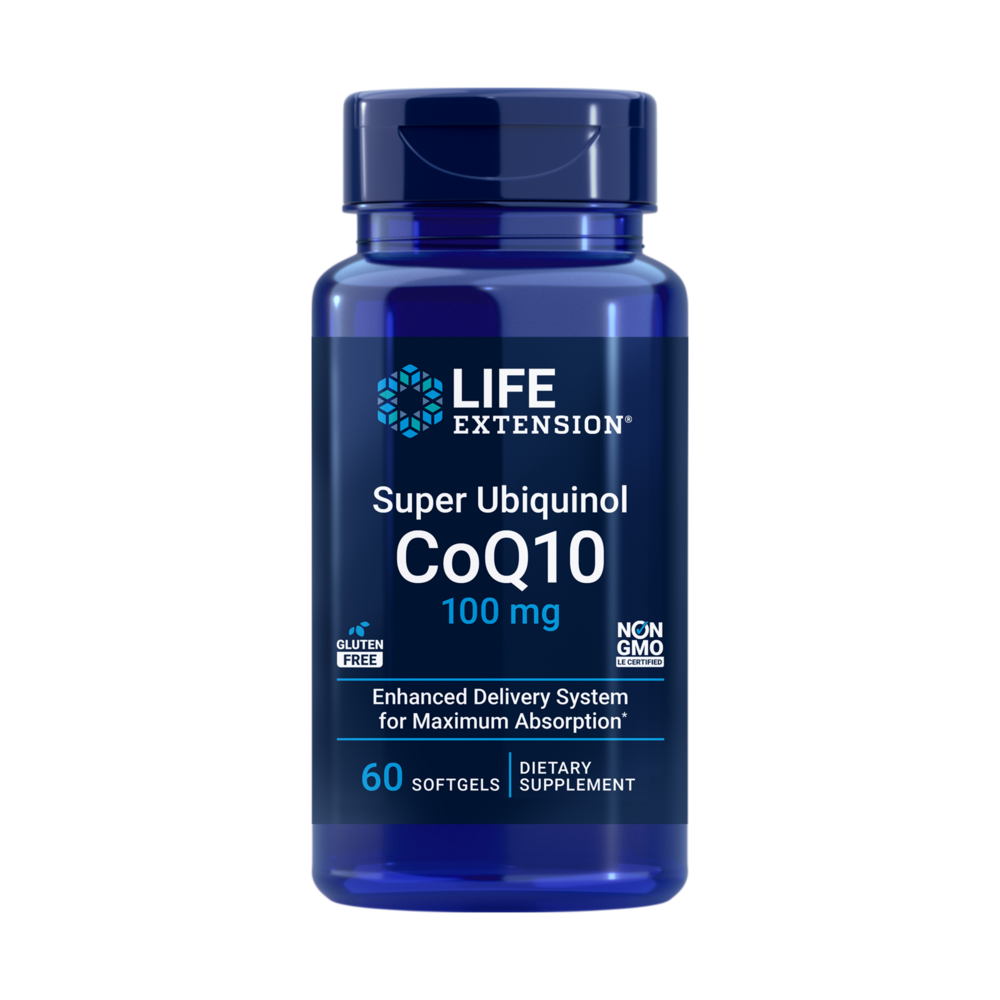
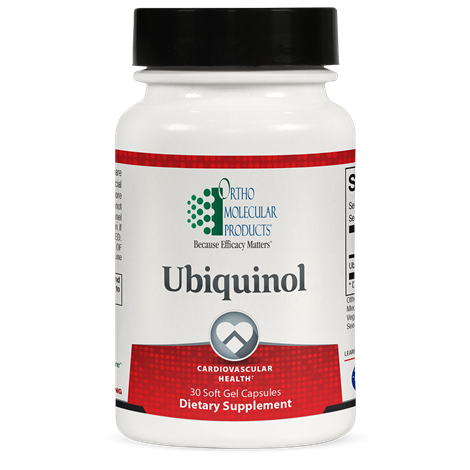
See if it's actually working
Plasma CoQ10 should be clearly higher; if you started it for statin muscle aches, creatine kinase and the aches themselves are what decide whether it worked.
CoQ10 FAQs
Who should take CoQ10?
People on statin therapy (statins lower CoQ10 levels), those with heart failure, fatigue, fertility concerns, or migraines. CoQ10 also declines with age, making it relevant for people over 40 wanting mitochondrial support.
Ubiquinone or ubiquinol — which is better?
Ubiquinol is the reduced, active form and absorbs better, especially in older adults. Ubiquinone is cheaper and converts to ubiquinol in the body in healthy individuals. For people over 40 or with absorption issues, ubiquinol is worth the premium.
How much CoQ10 should I take?
100–200 mg/day is a typical maintenance dose. Heart failure and migraine prevention studies use 200–400 mg/day. Take with a meal containing fat for best absorption.
Will CoQ10 prevent statin muscle pain?
Some trials show modest reduction in statin-associated muscle symptoms with 100–200 mg/day of CoQ10, though others show no benefit. Given low cost and excellent safety, most prescribers consider it a reasonable add-on for statin users with muscle complaints.
Does CoQ10 help with fertility?
Yes, with growing evidence. In women with diminished ovarian reserve, 200–600 mg/day of CoQ10 (often ubiquinol) for 2–3 months before IVF improved egg quality, fertilization rates, and pregnancy outcomes in some trials. In men, it improves sperm motility and morphology.
Can CoQ10 lower blood pressure?
Yes, modestly. Meta-analyses show 100–200 mg/day reduces systolic blood pressure by 11 mmHg and diastolic by 7 mmHg in hypertensive patients over 12 weeks. Effects are larger in those with low baseline CoQ10 (often statin users).
How long does CoQ10 take to work?
Plasma levels rise within 2–4 weeks. Symptomatic improvements (energy, blood pressure, statin-related muscle pain) typically appear by 4–8 weeks. For heart failure or fertility, 8–12 weeks is needed to evaluate effects.
Are there side effects from CoQ10?
CoQ10 is well-tolerated. Mild GI upset, headache, or insomnia (especially with evening dosing) can occur. Take it in the morning with breakfast to minimize. Doses up to 1,200 mg/day have been used safely in trials.
Can I take CoQ10 with blood thinners?
CoQ10 has a similar molecular structure to vitamin K and may slightly reduce warfarin effectiveness. Coordinate with your prescriber if you're on warfarin and starting CoQ10 — INR may need monitoring. CoQ10 is generally compatible with DOACs (apixaban, rivaroxaban) and aspirin.
Is CoQ10 safe during pregnancy?
CoQ10 is sometimes used during preconception and IVF cycles. Pregnancy safety data above 200 mg/day is limited, though it's not been associated with adverse outcomes. Consult your fertility specialist or OB about doses appropriate for your situation.
Who should not take CoQ10?
Most adults can safely take CoQ10. People on warfarin should coordinate with their prescriber. Those with very low blood pressure should monitor BP. People on chemotherapy should consult oncology, since CoQ10 may interact with some chemo agents.