 Instalab
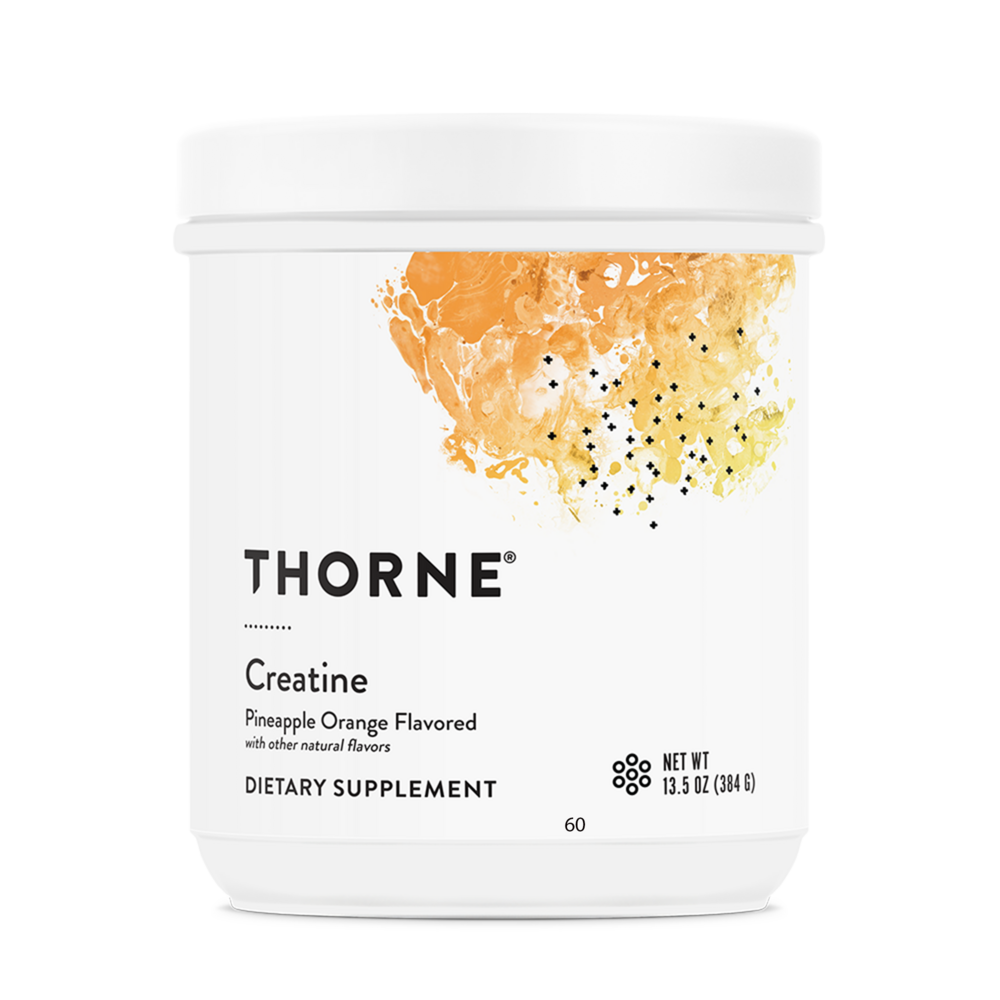
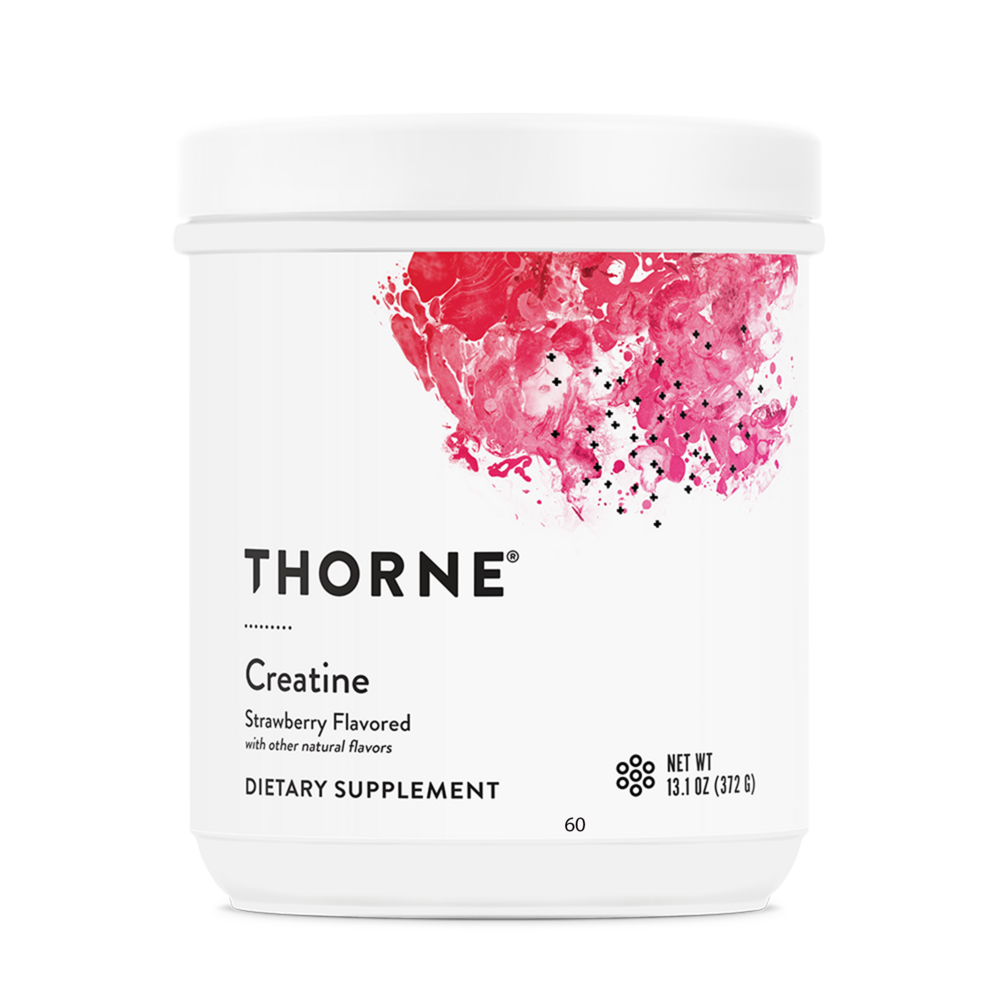
Creatine
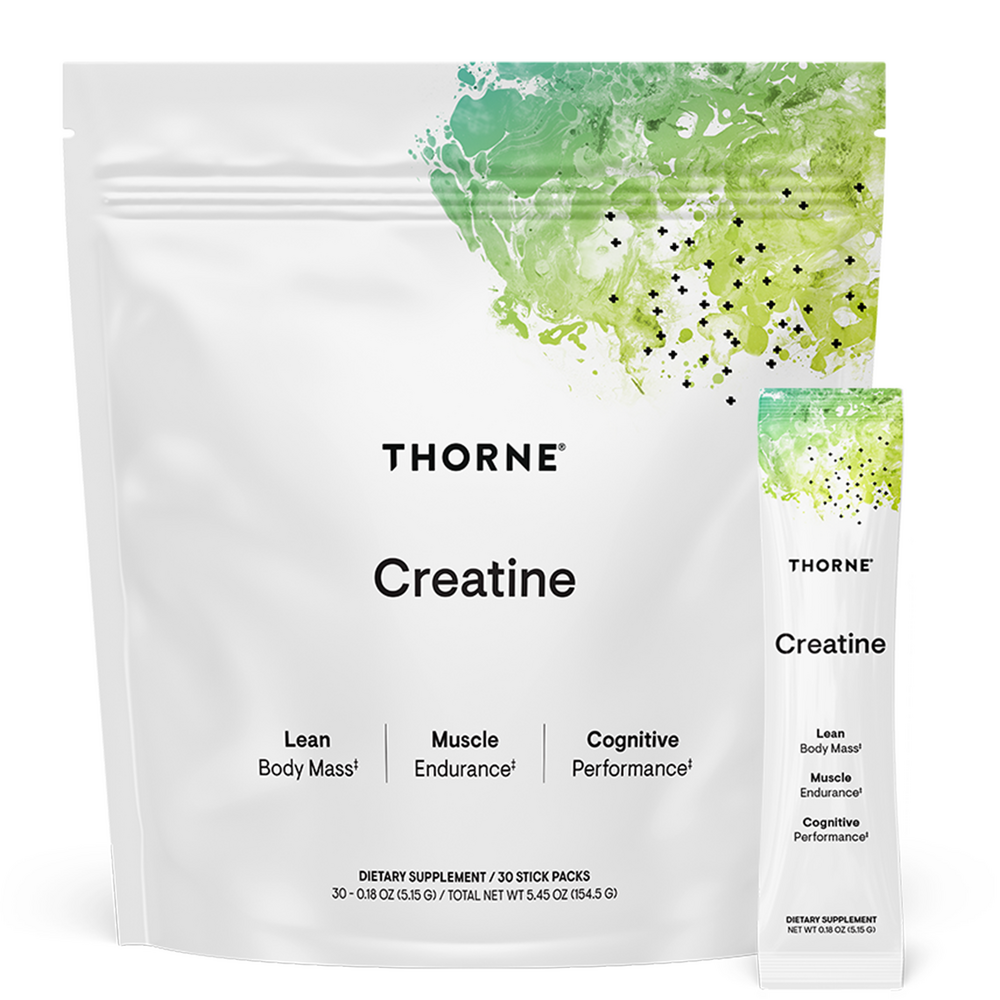
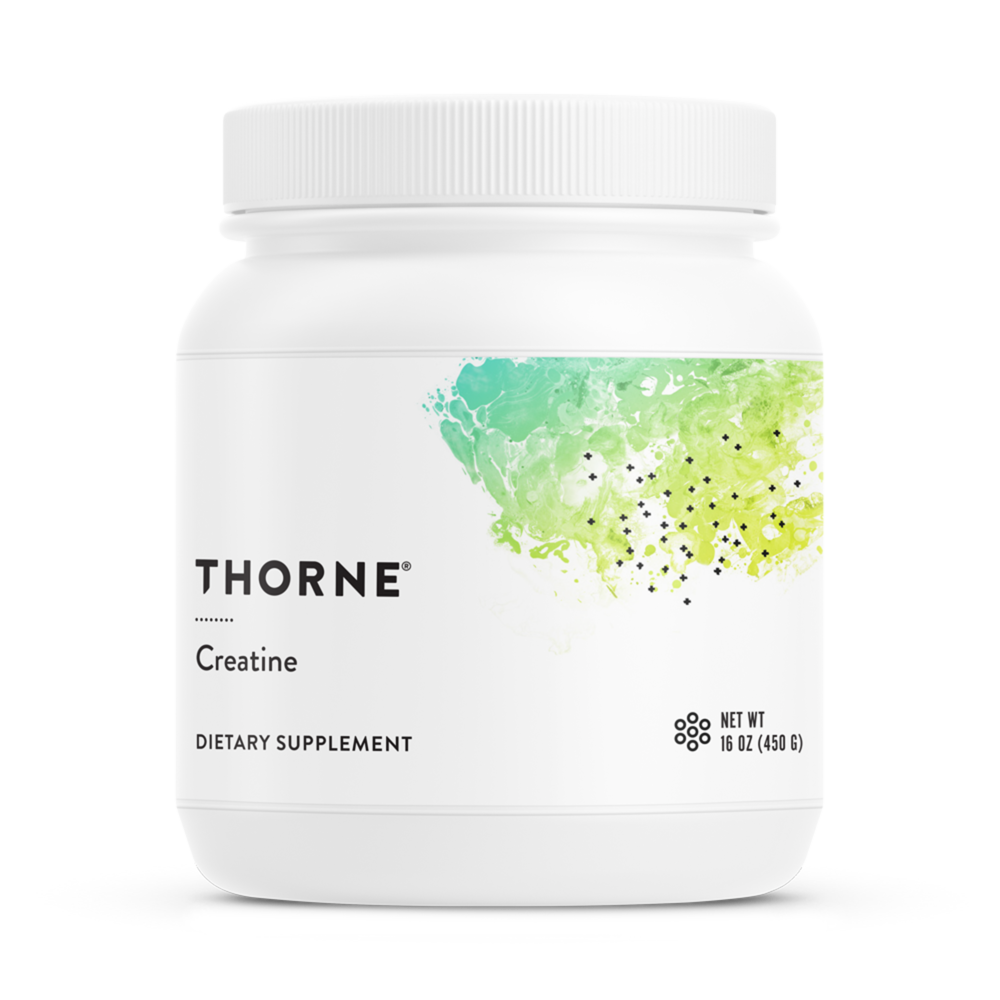
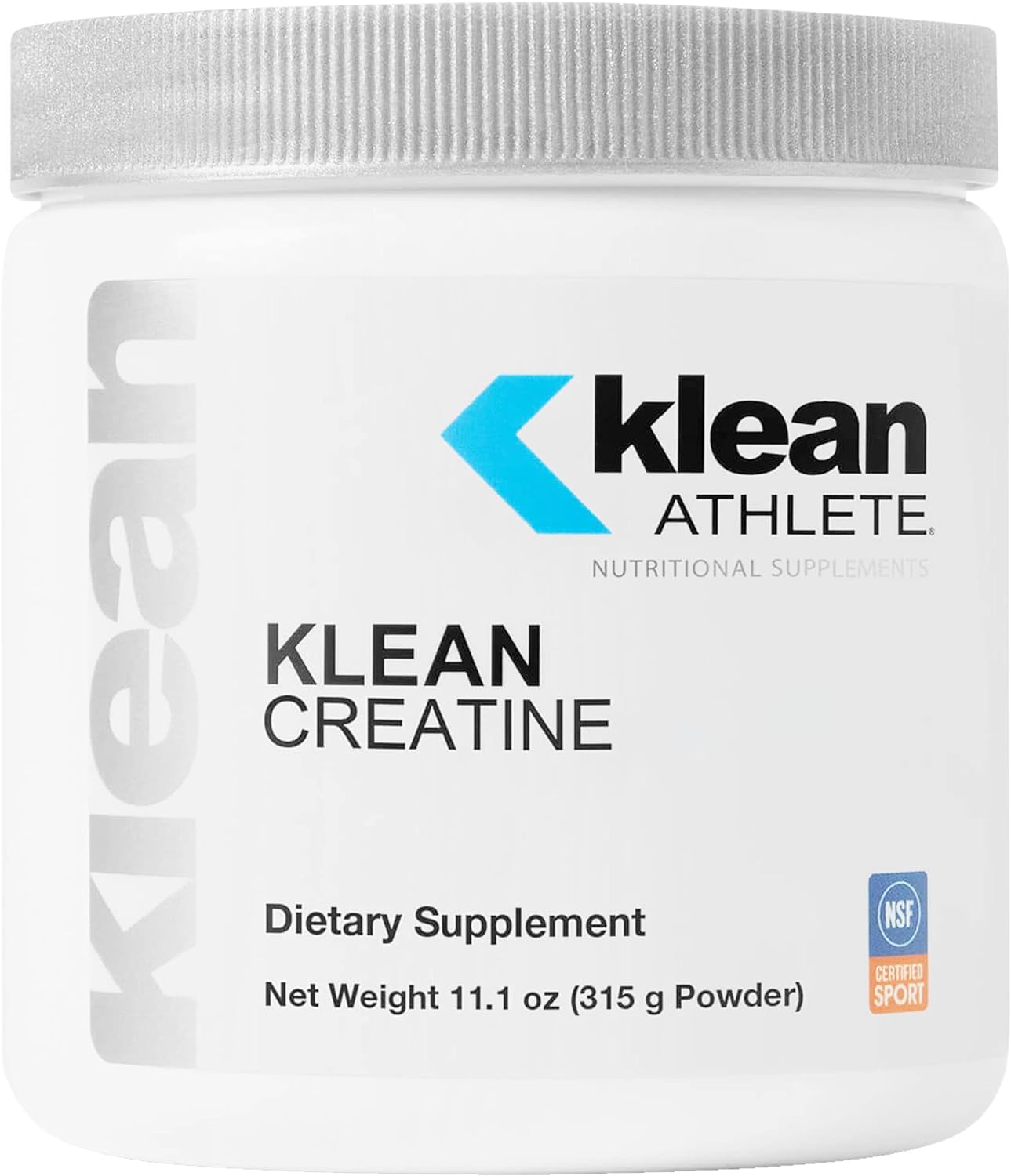
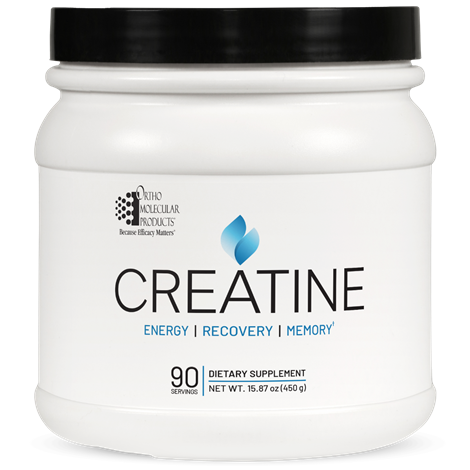
Creatine monohydrate is the most studied supplement for strength, power, and cognitive output.
Our vetting standard
Every creatine formula here clears the same bar.
- Clinically studied, effective doses
- Bioavailable, well-absorbed forms
- Practitioner-grade, trusted brands
- Third-party tested for identity and potency
See if it's actually working
The point of creatine is muscle, so appendicular lean mass on a DEXA scan and grip strength are the endpoints that decide it, and both move inside a training quarter. On the safety side, creatine raises serum creatinine on its own without harming the kidney, so cystatin C is the marker that confirms kidney function is genuinely unchanged.
Creatine FAQs
What does creatine do?
Creatine increases the muscles' ability to regenerate ATP, the energy currency for short, high-intensity efforts. It's the most-studied supplement in sports nutrition with consistent benefits for strength, power, lean mass, and increasingly, cognitive performance.
Do I need to load creatine?
No. Loading (20 g/day for 5–7 days) saturates muscle stores faster, but taking 5 g per day reaches the same level within 3–4 weeks. Most people just take 5 g daily and skip the loading phase.
Will creatine cause water retention or kidney damage?
Creatine pulls water into muscle cells (intramuscular, not bloating), which is part of how it works. Decades of research show no kidney harm in healthy people. If you have kidney disease, talk to a clinician first.
Creatine monohydrate vs HCL or other forms — which is best?
Creatine monohydrate is the gold standard — most evidence, lowest cost, indistinguishable performance from "premium" forms (HCL, ethyl ester, buffered). Save your money and stick with creapure-grade monohydrate. The marketing on alternative forms isn't backed by head-to-head data.
Does creatine improve cognitive performance?
Yes, increasingly. Studies show 5 g/day improves working memory, processing speed, and cognitive performance under sleep deprivation or in vegetarians. Higher brain concentrations require longer dosing (4+ weeks) than muscle saturation. Some protocols use 10 g/day for cognitive focus.
When should I take creatine?
Timing barely matters — daily total is what counts. Some research suggests post-workout with carbs has marginally better uptake. Most people just take 5 g whenever convenient (in coffee, oatmeal, water). Take it with food or a beverage to reduce GI upset.
Is creatine safe for women?
Yes, and increasingly recommended. Women benefit equally for strength and cognition, and emerging evidence supports use during perimenopause and menopause for muscle, mood, and bone density. The "women shouldn't take creatine" myth has no scientific basis. 3–5 g/day is appropriate.
Will creatine make me bloated or gain weight?
You may gain 1–4 lbs of intracellular water in muscles during the first weeks — that's the mechanism, not bloat. It looks like fuller-looking muscles, not abdominal puffiness. Long-term weight gain comes from increased lean mass over months of training, not water retention.
Should I take creatine on rest days?
Yes. Creatine works by maintaining muscle saturation, not by acute pre-workout effects. Take 3–5 g daily, every day, for consistent muscle creatine levels. Skipping rest days slowly drops levels and reduces performance benefit.
Are there any side effects of creatine?
Mild GI upset (nausea, cramping) at high single doses — split the dose if needed. Dehydration concerns are overstated; just maintain normal hydration. Hair loss claims (from one small study showing DHT elevation) haven't replicated in subsequent research.
Is creatine safe during pregnancy?
Limited human data. Some research on pregnant women suggests creatine may protect against birth-related hypoxic injury, but supplementation during pregnancy is not yet routinely recommended. Consult your OB before starting or continuing creatine during pregnancy.