 Instalab
Curcumin
Curcumin (from turmeric) supports inflammation balance and joint health.
Our vetting standard
Every curcumin formula here clears the same bar.
- Clinically studied, effective doses
- Bioavailable, well-absorbed forms
- Practitioner-grade, trusted brands
- Third-party tested for identity and potency
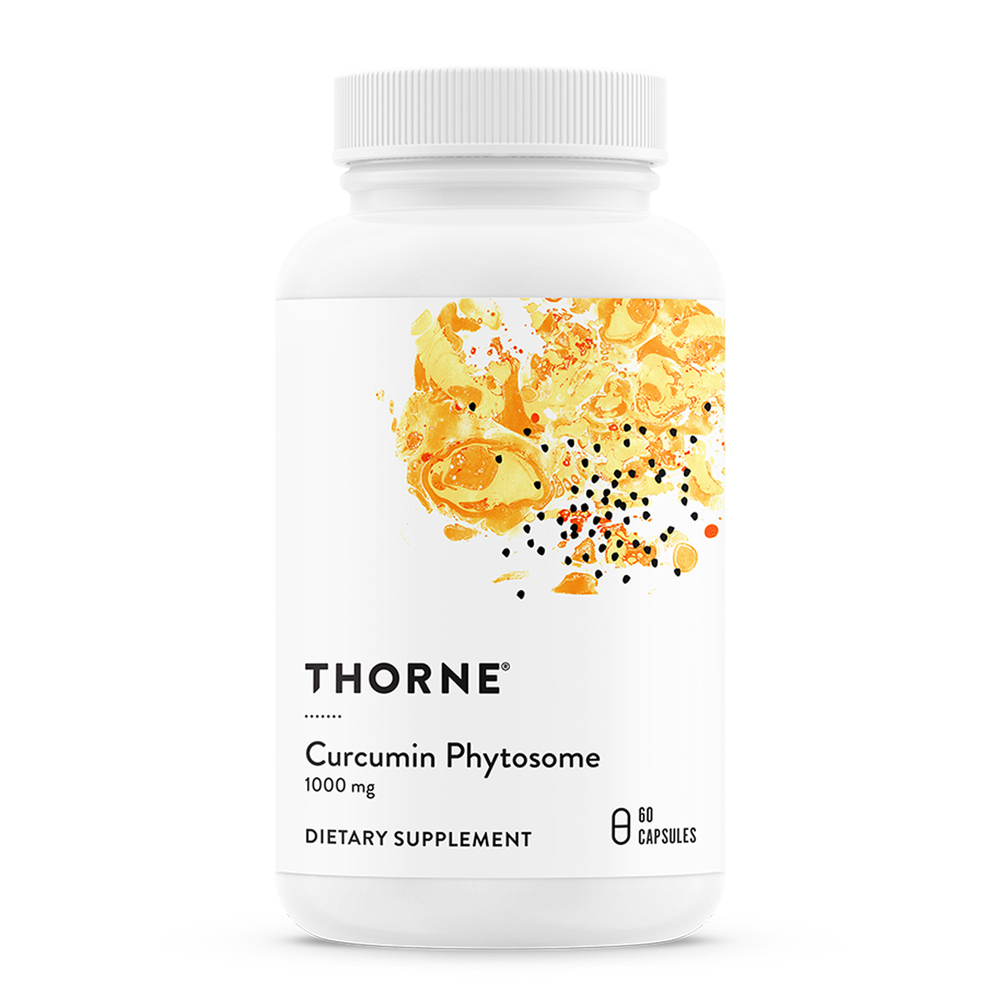
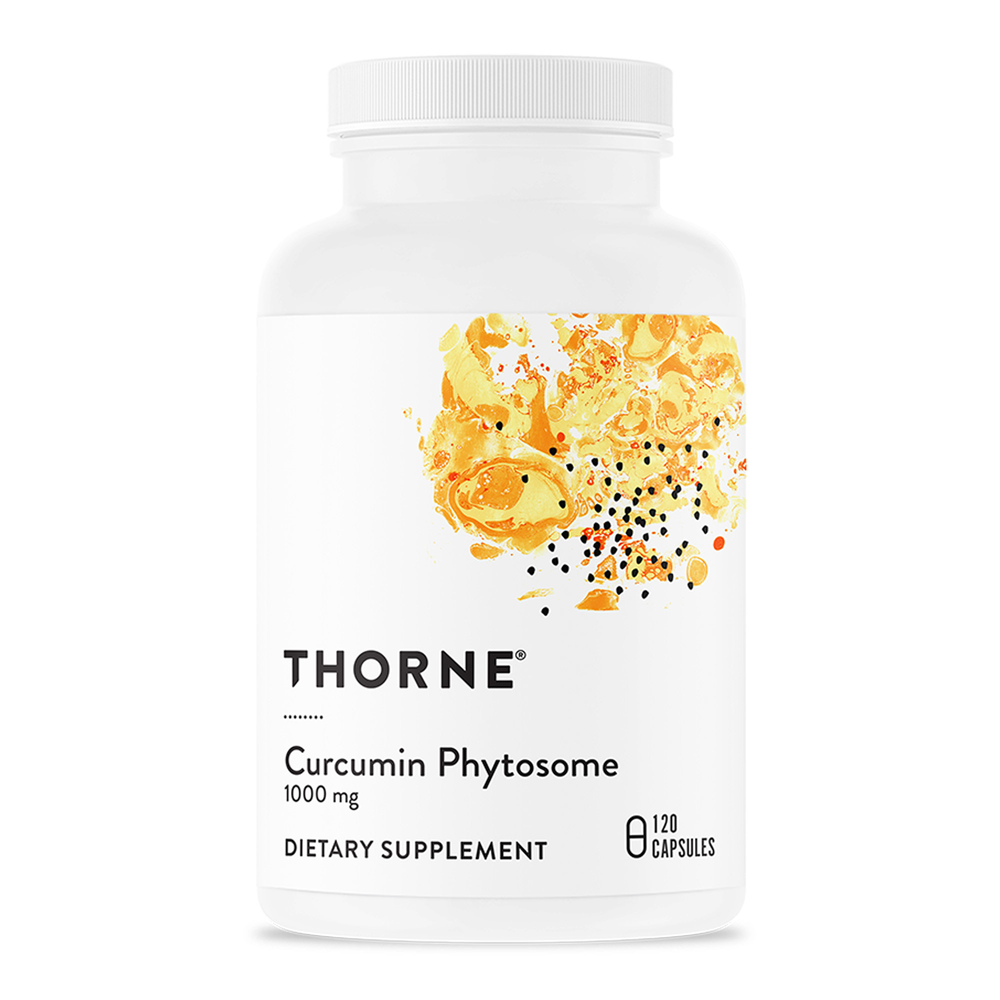
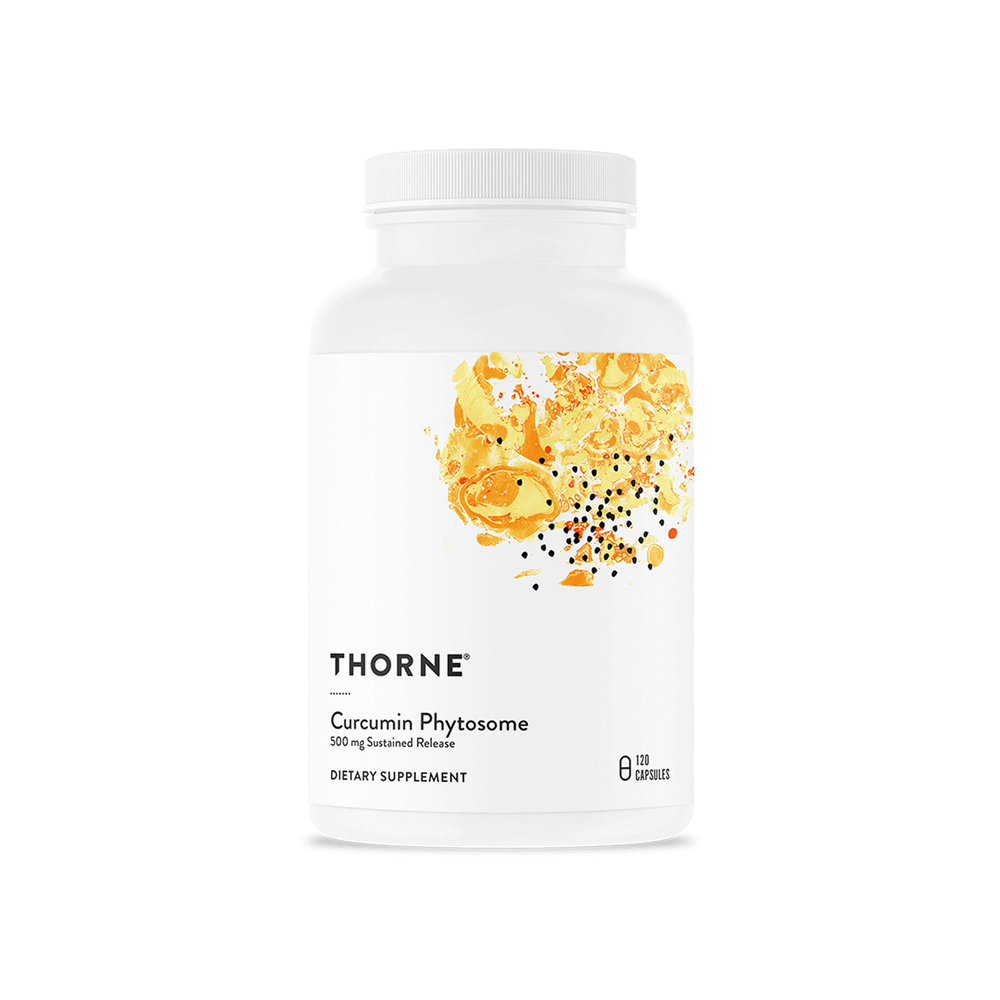
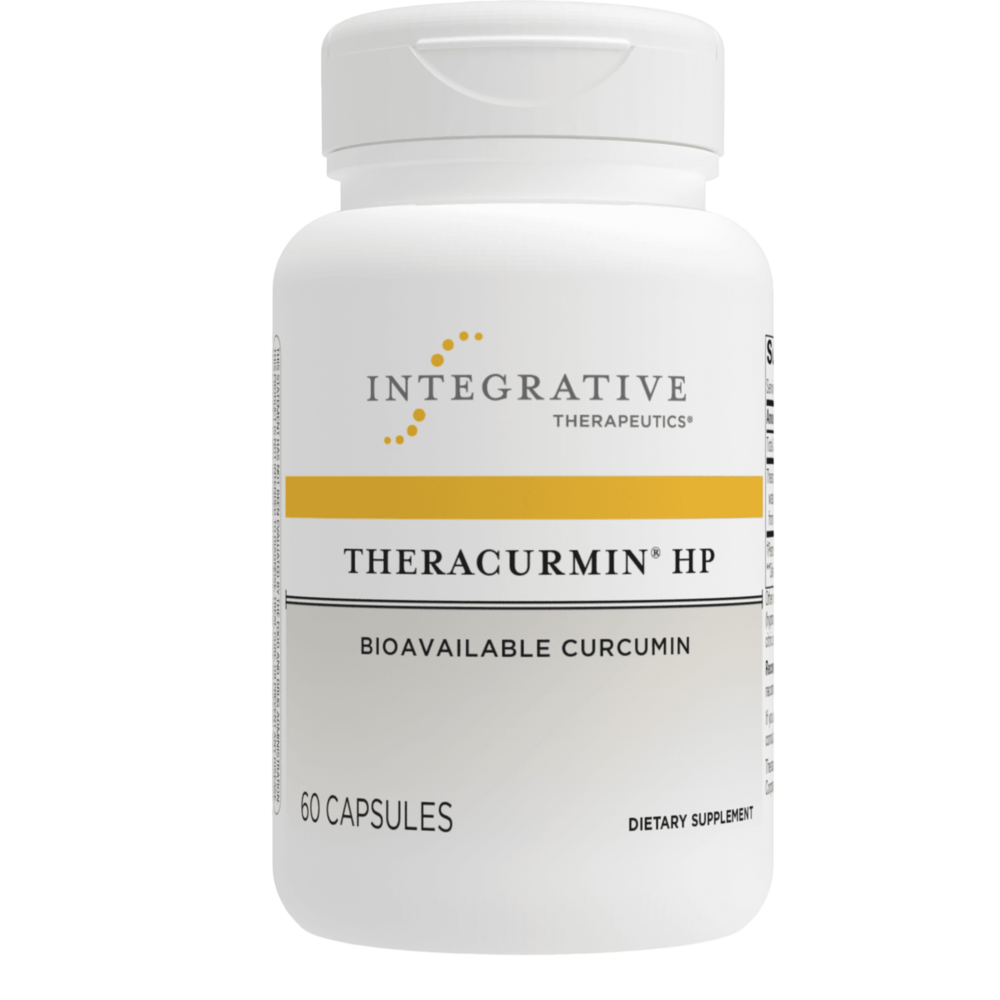
See if it's actually working
hs-CRP and ESR falling is the objective signal; liver enzymes are on the list because high-absorption curcumin has a real, if uncommon, hepatotoxicity signal.
Curcumin FAQs
What does curcumin do?
Curcumin is the main active polyphenol in turmeric. It inhibits inflammatory pathways (NF-κB, COX-2) and shows benefits in trials for joint pain, post-exercise recovery, mood, and cardiovascular markers.
Why does curcumin need a special form?
Plain curcumin absorbs poorly. Look for forms with enhanced bioavailability — Meriva, Theracurmin, Longvida, BCM-95, or curcumin combined with piperine (black pepper extract). These are 5–30x more bioavailable than standard turmeric.
How much curcumin should I take?
500–1,000 mg/day of a high-bioavailability extract, equivalent to several grams of crude turmeric. Higher doses (up to 2,000 mg) are used in trials for joint conditions.
Curcumin vs turmeric — what's the difference?
Turmeric is the whole spice/root, containing 2–5% curcuminoids by weight. Curcumin extracts concentrate the active compounds to 95%. For therapeutic effects, you need extracts — not turmeric powder. Cooking with turmeric is fine for general health but won't deliver clinical doses.
Does curcumin work as well as ibuprofen for joint pain?
Head-to-head trials in osteoarthritis show curcumin (1,000–2,000 mg/day of bioavailable forms) produces similar pain relief to ibuprofen 1,200 mg/day with fewer GI side effects. Effects appear within 2–4 weeks. Best for chronic joint inflammation, not acute injury.
Can I take curcumin with blood thinners?
Use caution. Curcumin has mild antiplatelet effects and may potentiate warfarin, aspirin, and DOACs. Coordinate with your prescriber, especially around procedures or if your INR is unstable. Most people can use it safely with monitoring.
How long until I notice effects from curcumin?
Joint pain reduction often appears in 2–4 weeks, with continued improvement through 8–12 weeks. Mood and depression studies show effects at 4–8 weeks. Chronic disease markers (hs-CRP, fasting glucose) typically shift in 8–12 weeks.
When should I take curcumin?
With a meal containing fat for better absorption (curcumin is fat-soluble). Some bioavailability-enhanced forms (Meriva, Theracurmin) absorb regardless of food. Splitting dose between morning and evening provides steadier blood levels.
Are there side effects of curcumin?
Most people tolerate it well. GI upset (nausea, diarrhea), heartburn, and rare allergic reactions are possible. High doses (>2,000 mg) can lower blood sugar and blood pressure additively with medications. Stop 2 weeks before surgery due to bleeding risk.
Can curcumin help with depression or mood?
Yes, modestly. Meta-analyses show curcumin (500–1,500 mg/day for 4–12 weeks) reduces depressive symptoms compared to placebo, with effects approaching those of standard antidepressants in mild-to-moderate depression. Best as adjunct, not replacement.
Is curcumin safe during pregnancy?
Cooking with turmeric in food is fine. High-dose curcumin supplements should be avoided during pregnancy due to potential effects on uterine tone and limited safety data. Skip the supplement during pregnancy unless your OB specifically recommends it.
Who should not take curcumin?
People on blood thinners (without coordination), with bile duct obstruction, gallstones (can stimulate gallbladder contraction), or scheduled for surgery. Use caution if you take diabetes medications (additive glucose lowering) or have iron-deficiency anemia (curcumin can chelate iron).