 Instalab
Digestive Enzymes
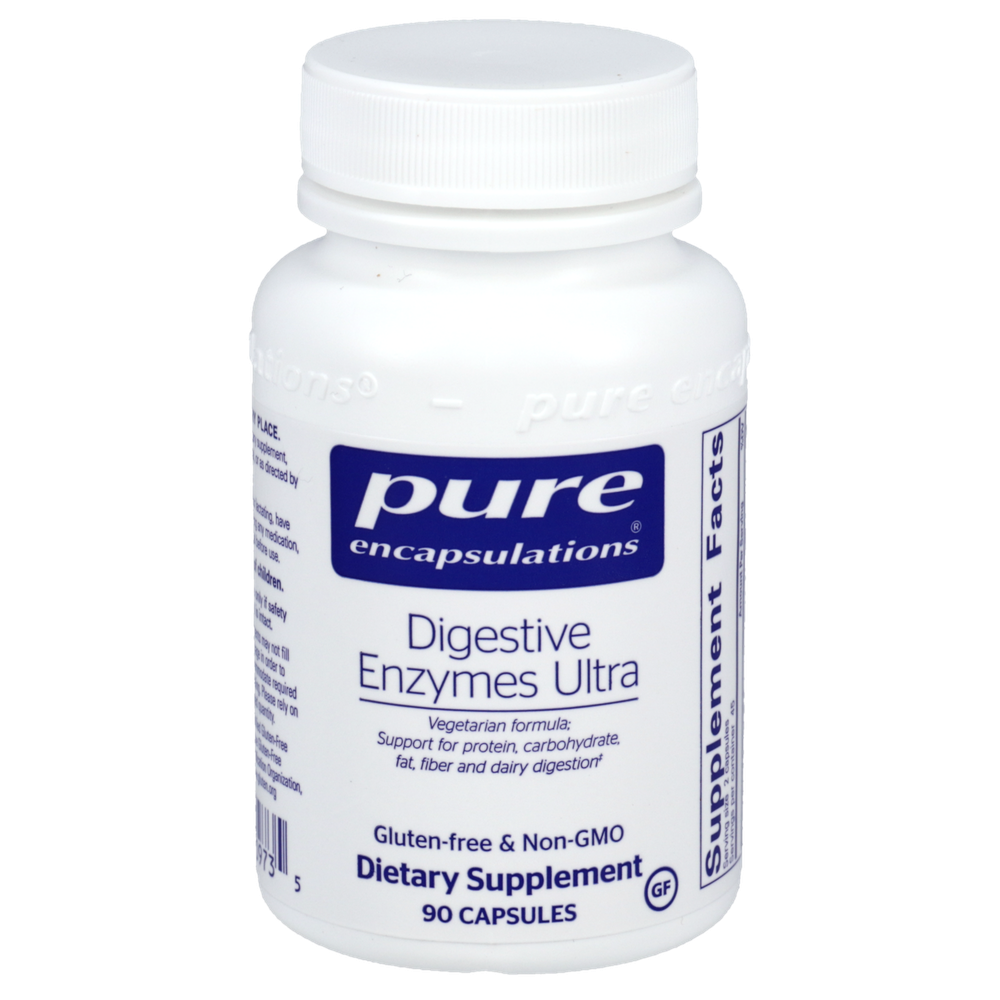
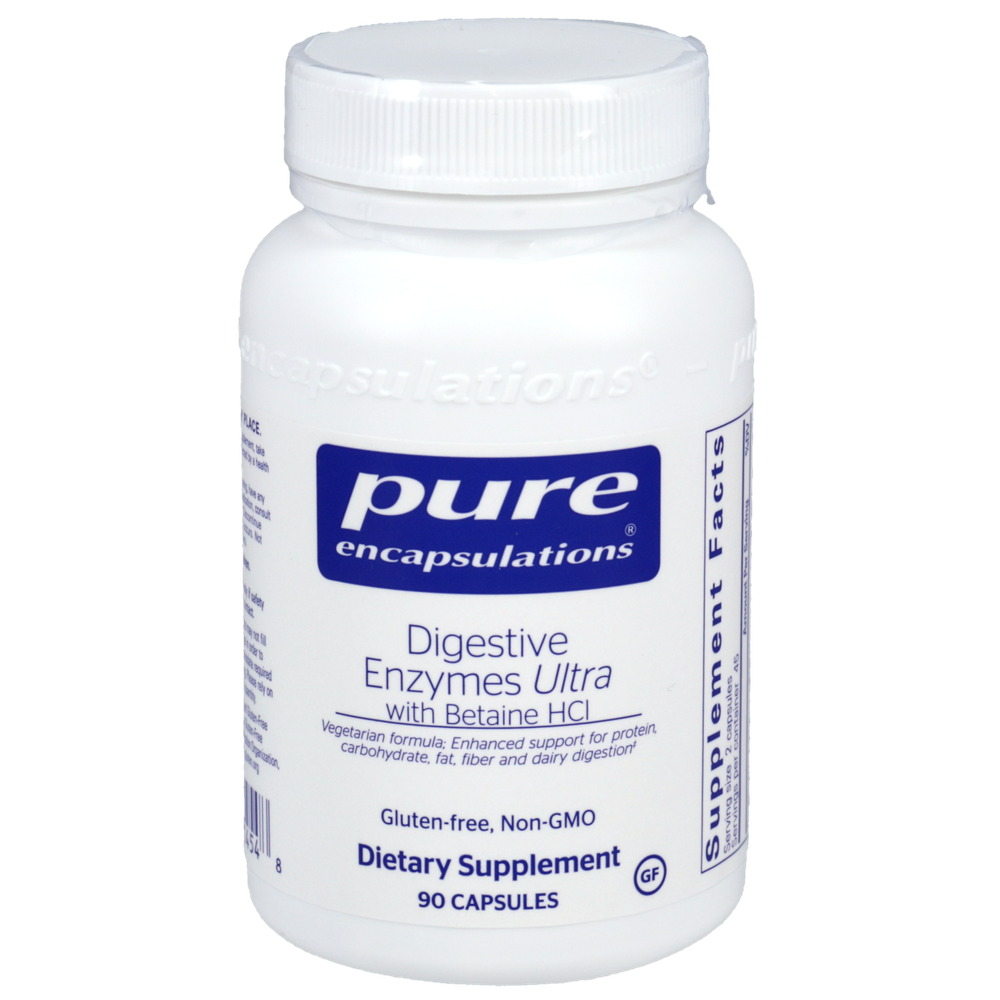
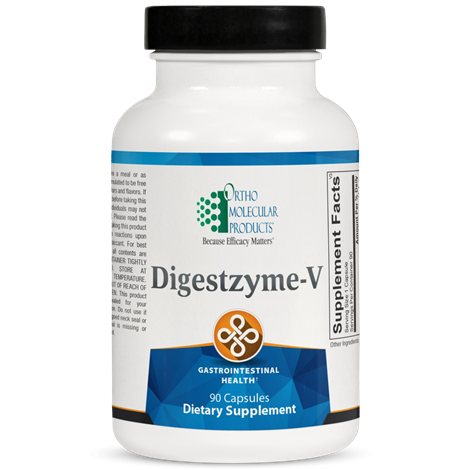
Digestive enzymes break down proteins, fats, and carbs to ease bloating and improve nutrient absorption.
Our vetting standard
Every digestive enzymes formula here clears the same bar.
- Clinically studied, effective doses
- Bioavailable, well-absorbed forms
- Practitioner-grade, trusted brands
- Third-party tested for identity and potency
See if it's actually working
Fecal fat falling is the objective win; note that pancreatic elastase measures your own pancreas and will not rise from taking enzymes.
Digestive Enzymes FAQs
Who benefits from digestive enzymes?
People with bloating, fullness, or fat malabsorption after meals, those without a gallbladder, with low stomach acid, or with diagnosed pancreatic insufficiency. Healthy people producing normal enzymes typically don't need them.
What enzymes should be in a good formula?
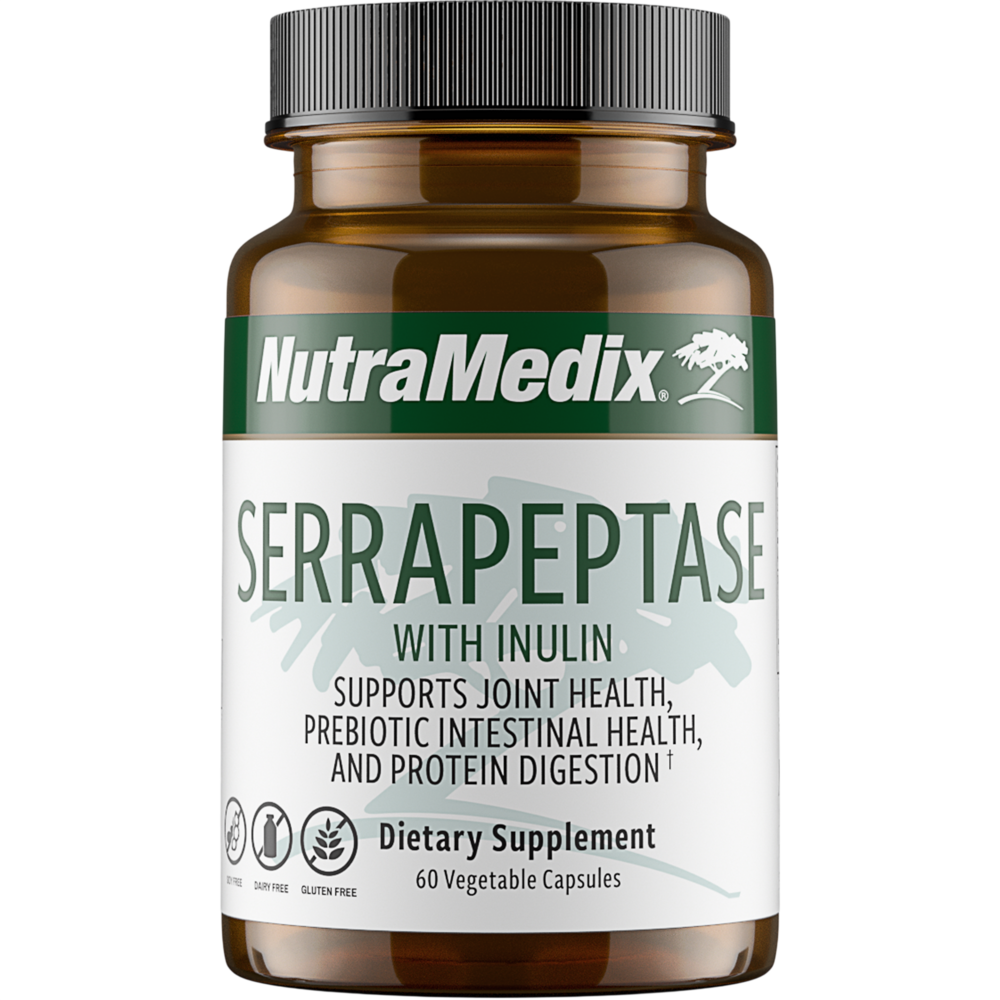
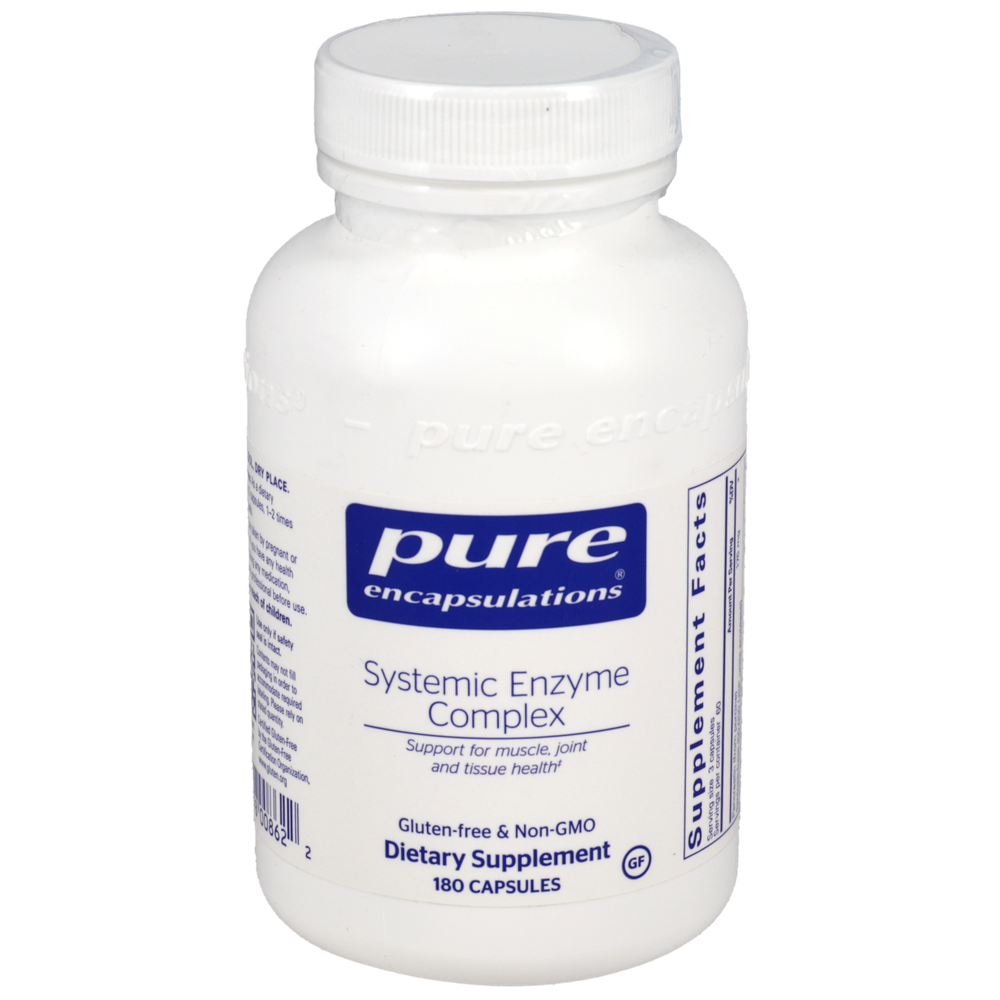
Look for protease (proteins), lipase (fats), amylase (carbs), lactase (dairy), cellulase (fiber), and ideally bile salts or HCl for full coverage. Plant-based formulas work over a wider pH range than animal-derived pancreatin.
When should I take digestive enzymes?
With the first bites of a meal so the enzymes mix with food in the stomach. Larger meals may need a higher dose. They're typically used as needed rather than every meal.
Are digestive enzymes safe to take long-term?
Generally yes. Plant-based enzymes are well-tolerated long-term. Some practitioners worry that chronic supplementation could downregulate the body's own enzyme production, though human evidence is limited. If symptoms persist beyond 2–3 months on enzymes, investigate root causes (SIBO, low HCl, pancreatic insufficiency).
Pancreatin vs plant-based enzymes — which is better?
Pancreatin (animal-derived) is more potent for fat digestion and is used clinically for pancreatic insufficiency. Plant enzymes (bromelain, papain, fungal proteases) work over a wider pH range and are vegetarian-friendly. For mild bloating or general support, plant enzymes are usually sufficient.
Will digestive enzymes help with leaky gut or food sensitivities?
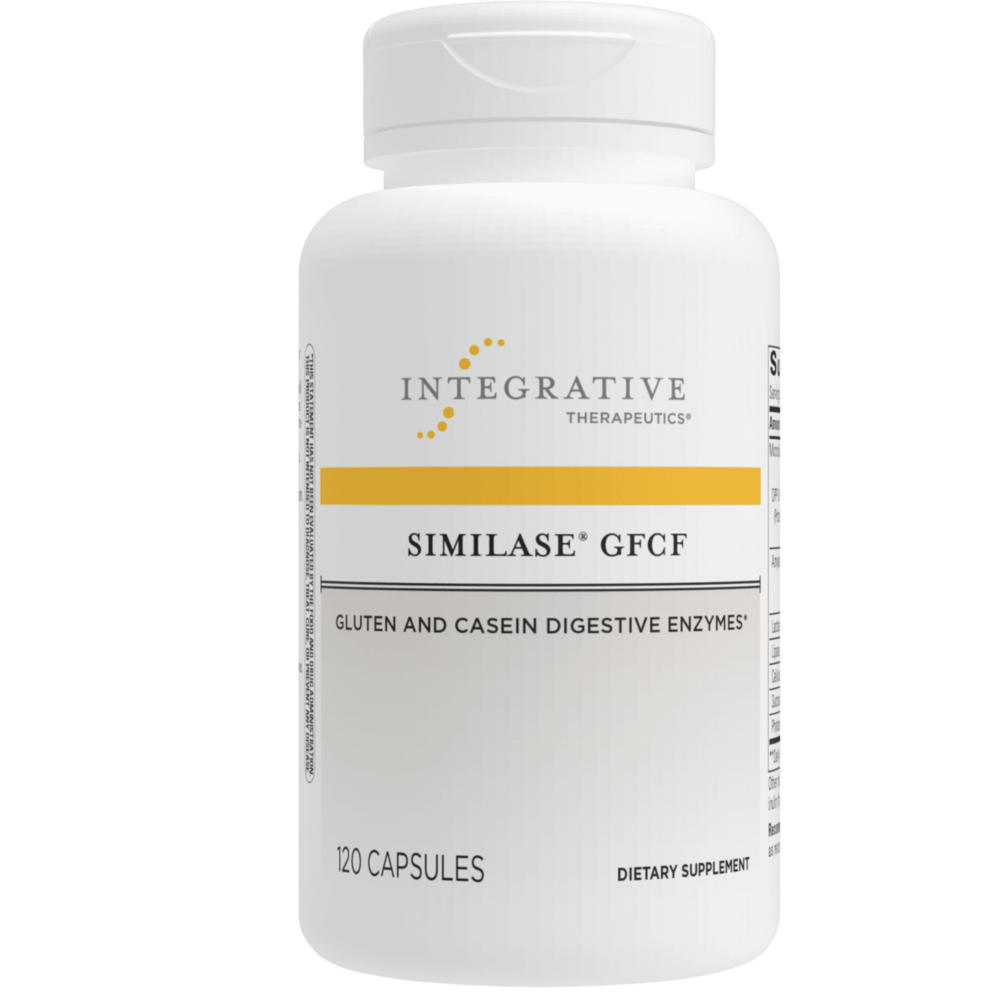
Possibly. Better protein breakdown reduces large peptide exposure to the gut lining, which may help food sensitivity symptoms over time. DPP-IV-containing enzymes specifically help break down gluten and casein peptides — useful for non-celiac gluten/dairy reactivity.
Can I take enzymes with probiotics?
Yes, they complement each other. Enzymes break down food for absorption; probiotics support the microbiome. Take both with or near meals. Some products combine them in a single supplement.
Do enzymes help with FODMAP intolerance?
Specific enzymes help specific FODMAPs: alpha-galactosidase (Beano) for beans/cruciferous, lactase for dairy, xylose isomerase for fructose. Broad-spectrum enzymes alone don't break down many fermentable fibers — match the enzyme to the trigger food.
Are there side effects from digestive enzymes?
Most are well-tolerated. Possible: nausea, abdominal pain, diarrhea, or rare allergic reactions (especially to pineapple-derived bromelain or papaya-derived papain). Reduce dose or switch formulas if you experience GI upset.
Should I take HCl with my digestive enzymes?
If you have low stomach acid (common in older adults, those on PPIs, or with H. pylori history), betaine HCl supports protein digestion before enzymes act in the small intestine. Start with one capsule with a protein meal and titrate up. Don't take HCl if you have ulcers or take NSAIDs.
Are digestive enzymes safe during pregnancy?
Most basic plant-based digestive enzymes are considered safe during pregnancy when used at recommended doses. Avoid bromelain in high doses (uterine effects) and consult your OB before adding HCl, ox bile, or other concentrated GI supplements during pregnancy.
Who should not take digestive enzymes?
People with active stomach ulcers, severe pancreatitis, or known allergies to specific enzyme sources (pineapple, papaya, fungal proteases). People on blood thinners should avoid bromelain and other antiplatelet enzymes. Discuss with a clinician if you have IBD or have had GI surgery.