 Instalab
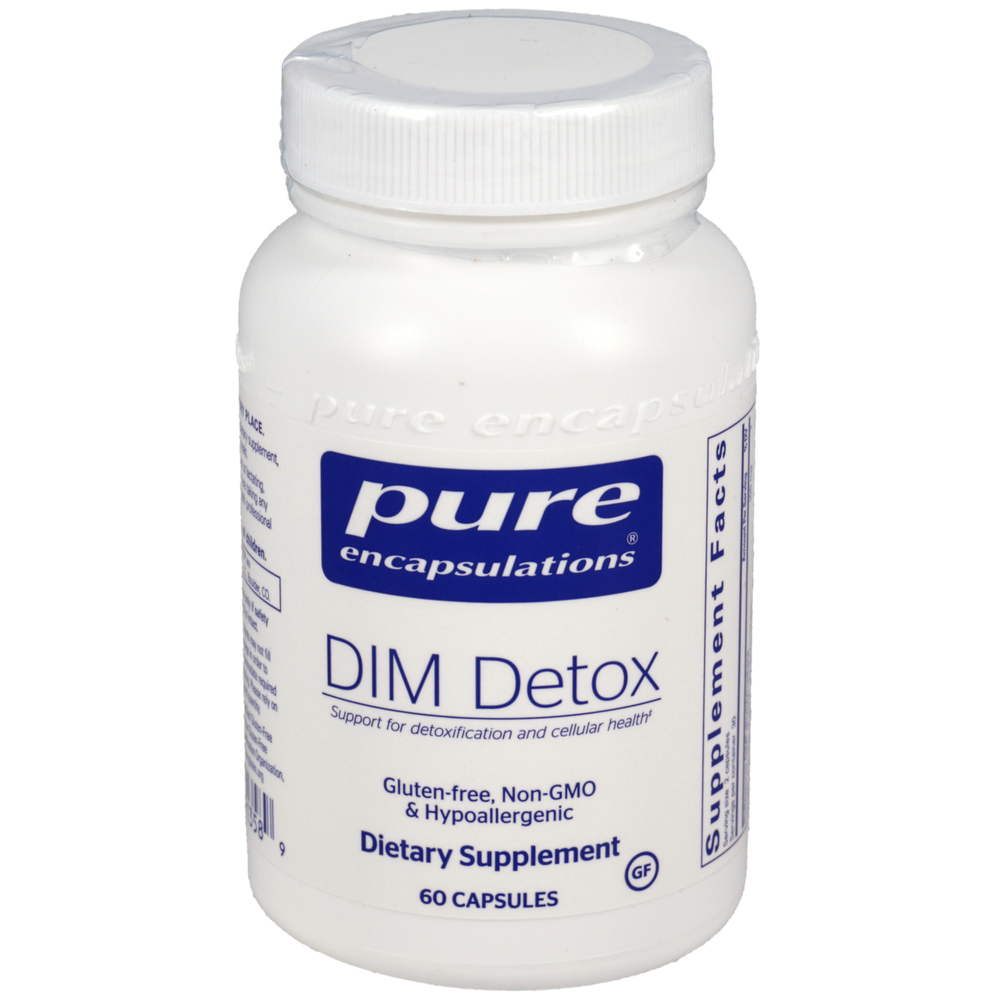
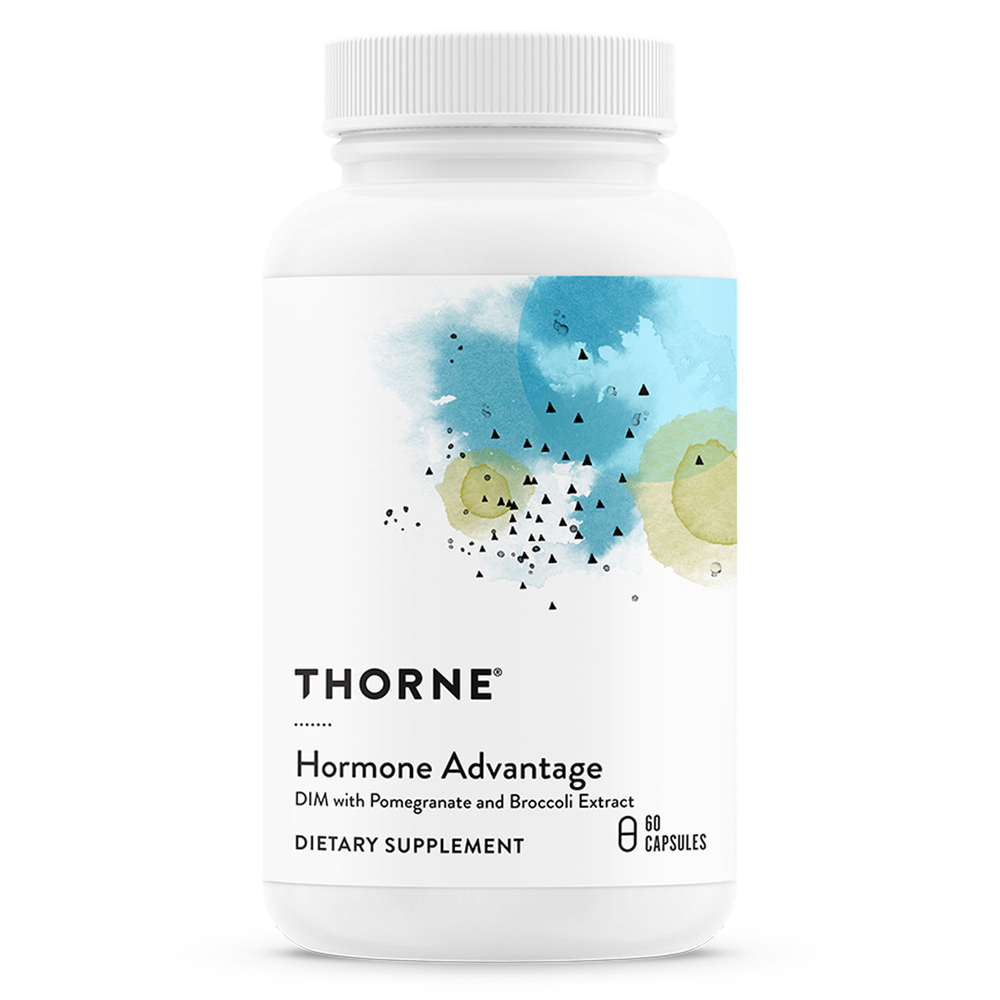
DIM
DIM (diindolylmethane) supports estrogen metabolism and hormonal balance.
Our vetting standard
Every dim formula here clears the same bar.
- Clinically studied, effective doses
- Bioavailable, well-absorbed forms
- Practitioner-grade, trusted brands
- Third-party tested for identity and potency
See if it's actually working
DIM is meant to shift estrogen down the 2-OH pathway, but the dried-urine metabolite panels sold to show that are not validated to guide treatment, so judge it on symptoms with these as context.
DIM FAQs
What does DIM do?
DIM is a compound formed when the body digests cruciferous vegetables. It shifts estrogen metabolism toward less proliferative metabolites (favoring 2-hydroxy over 16-hydroxy estrogens), making it useful for hormonal balance, estrogen dominance symptoms, and supporting healthy cycles.
How much DIM should I take?
100–200 mg/day for general hormone support. Higher doses (200–400 mg) are sometimes used for specific symptoms but should be guided by symptoms and labs. Most people take it with food for better absorption.
DIM vs I3C — what's the difference?
I3C (indole-3-carbinol) is the parent compound; DIM is its more stable conversion product in the stomach. DIM has more consistent dosing and predictable effects. I3C is older and less reliably converted. Most modern supplements use DIM directly.
Will DIM help with PMS or estrogen dominance?
Many women with estrogen-dominant symptoms (heavy periods, breast tenderness, mood swings, cyclic acne) find DIM helpful at 100–200 mg/day. Effects often appear in 1–2 cycles. Combine with B vitamins, magnesium, and adequate fiber for full hormonal support.
Can men take DIM?
Yes. Men use DIM to support estrogen metabolism, especially during testosterone optimization, after anabolic cycles, or to address gynecomastia. 100–200 mg/day is typical. Don't combine with aromatase inhibitors without clinician guidance.
Can I get DIM from food?
Yes, by eating cruciferous vegetables — broccoli, cauliflower, Brussels sprouts, cabbage, and especially broccoli sprouts. To match a 100 mg DIM supplement, you'd need 1–2 lb of cruciferous vegetables daily. Most people supplement for therapeutic doses while eating crucifers as foundation.
How long until DIM works?
Hormonal markers can shift within 4–8 weeks. Subjective symptom improvement (PMS, breast tenderness, acne) often shows by the second cycle (4–8 weeks). Be patient — DIM works through gradual shifts in estrogen metabolism, not acute hormone changes.
Should I cycle DIM?
Continuous use is reasonable for most people. Some practitioners cycle DIM (3 months on, 1 month off) to prevent excessive shifting of estrogen metabolites. Test estrogen metabolites (DUTCH test or similar) every 6–12 months to evaluate need.
Can DIM affect my birth control or hormone therapy?
Yes. DIM accelerates estrogen metabolism and can theoretically reduce the effectiveness of estrogen-containing birth control or HRT. Use additional contraception or coordinate with your prescriber. People on tamoxifen or letrozole should avoid DIM.
Is DIM safe during pregnancy?
No. DIM is contraindicated during pregnancy and breastfeeding due to its hormonal effects. Cruciferous vegetables in food amounts are safe and encouraged.
Who should not take DIM?
Pregnant or breastfeeding women, people on hormone therapy or aromatase inhibitors, those with estrogen-sensitive cancers under active treatment, and people on tamoxifen. Use caution if you take CYP1A2 substrates (caffeine, theophylline) since DIM induces this enzyme.