 Instalab
Electrolytes
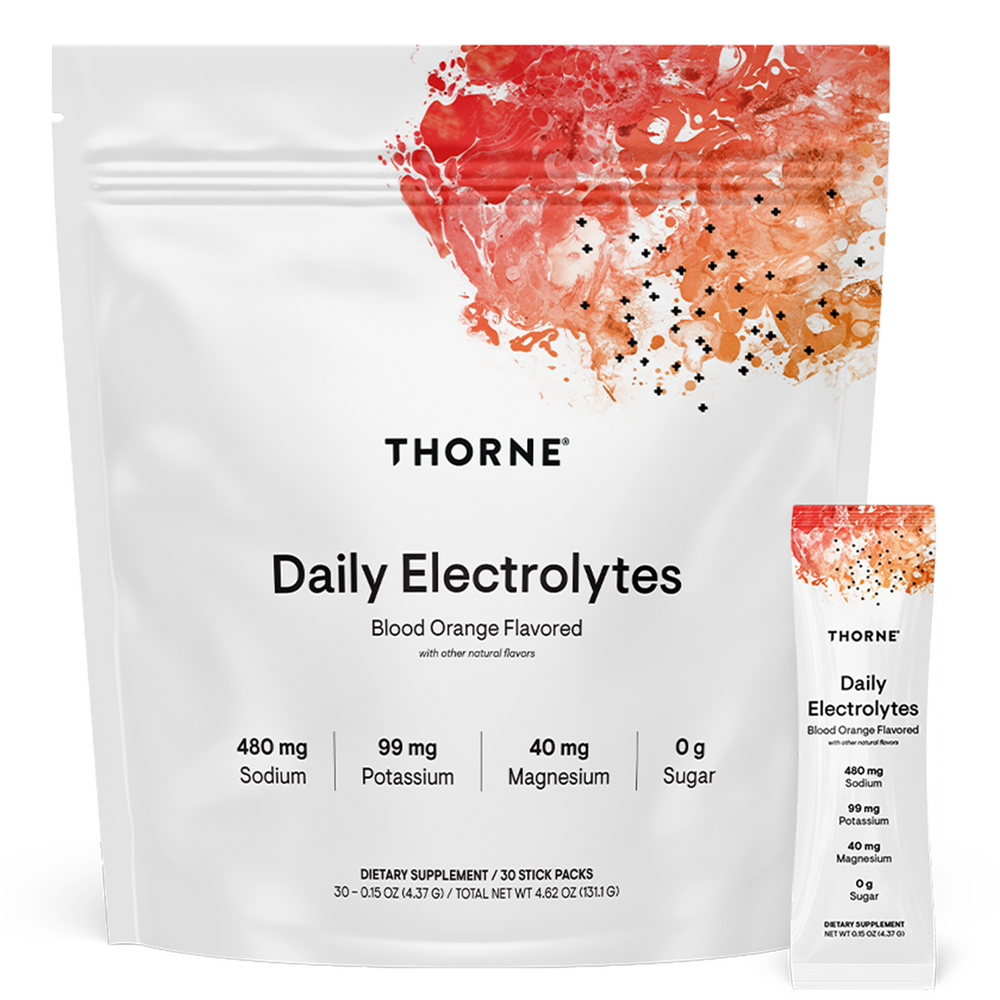
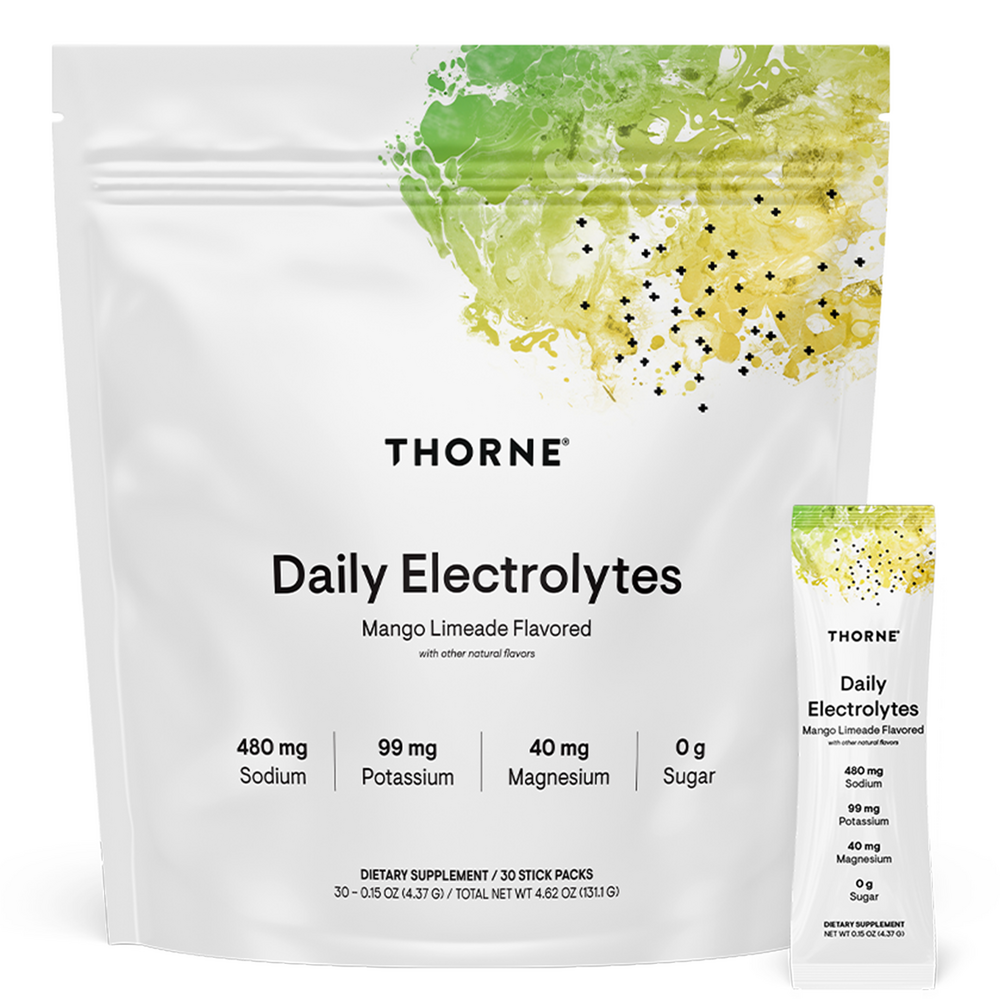
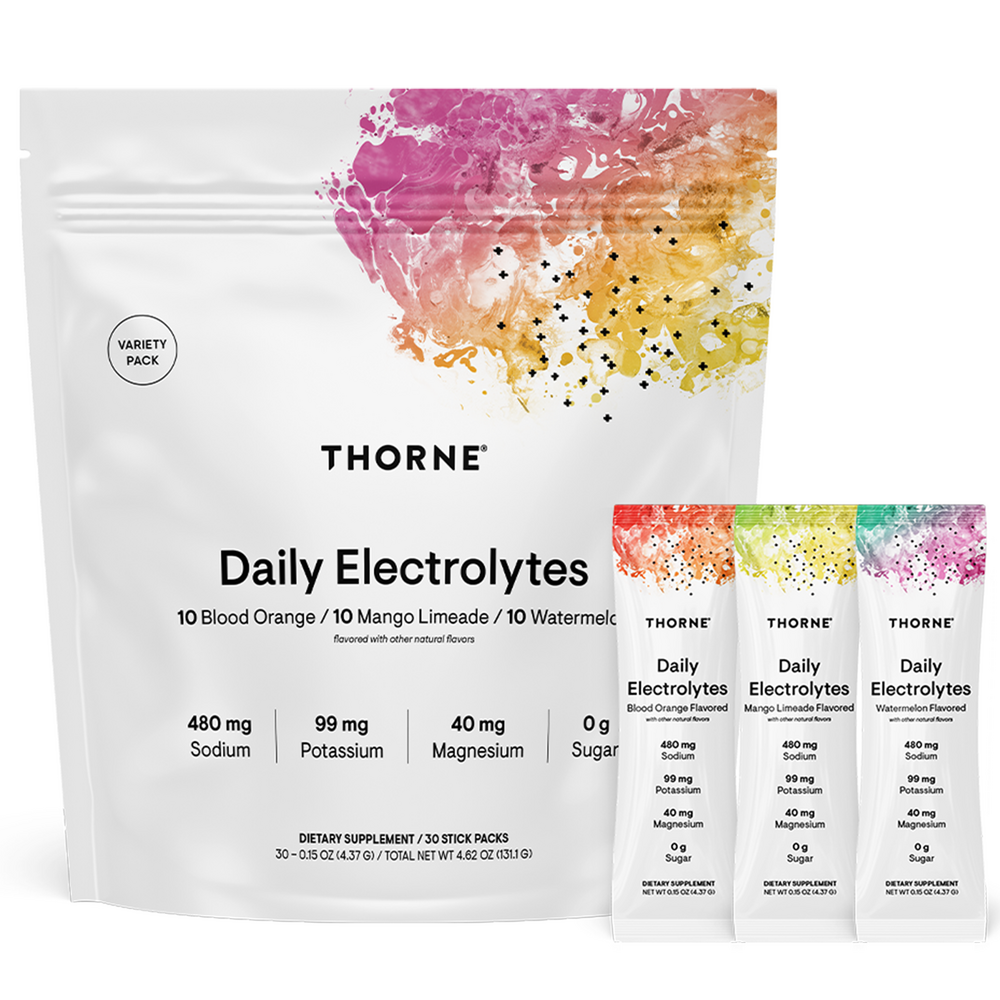
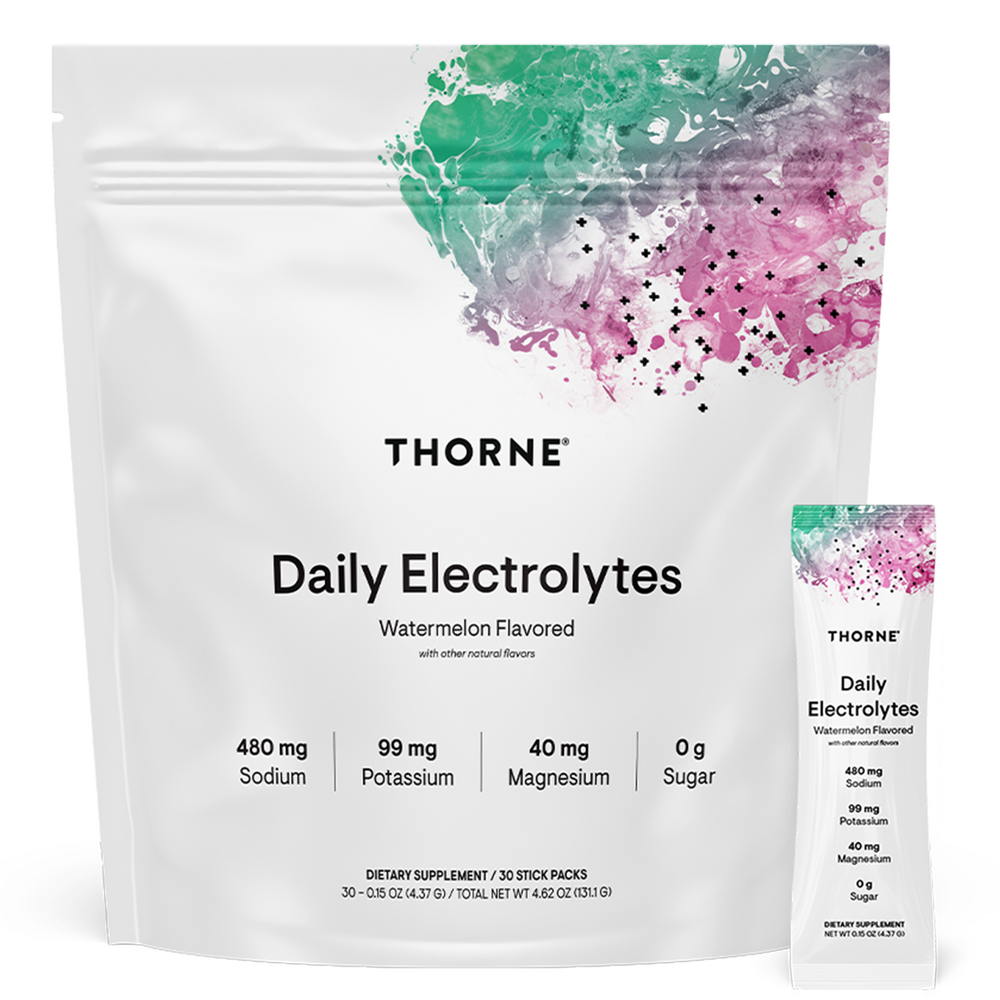
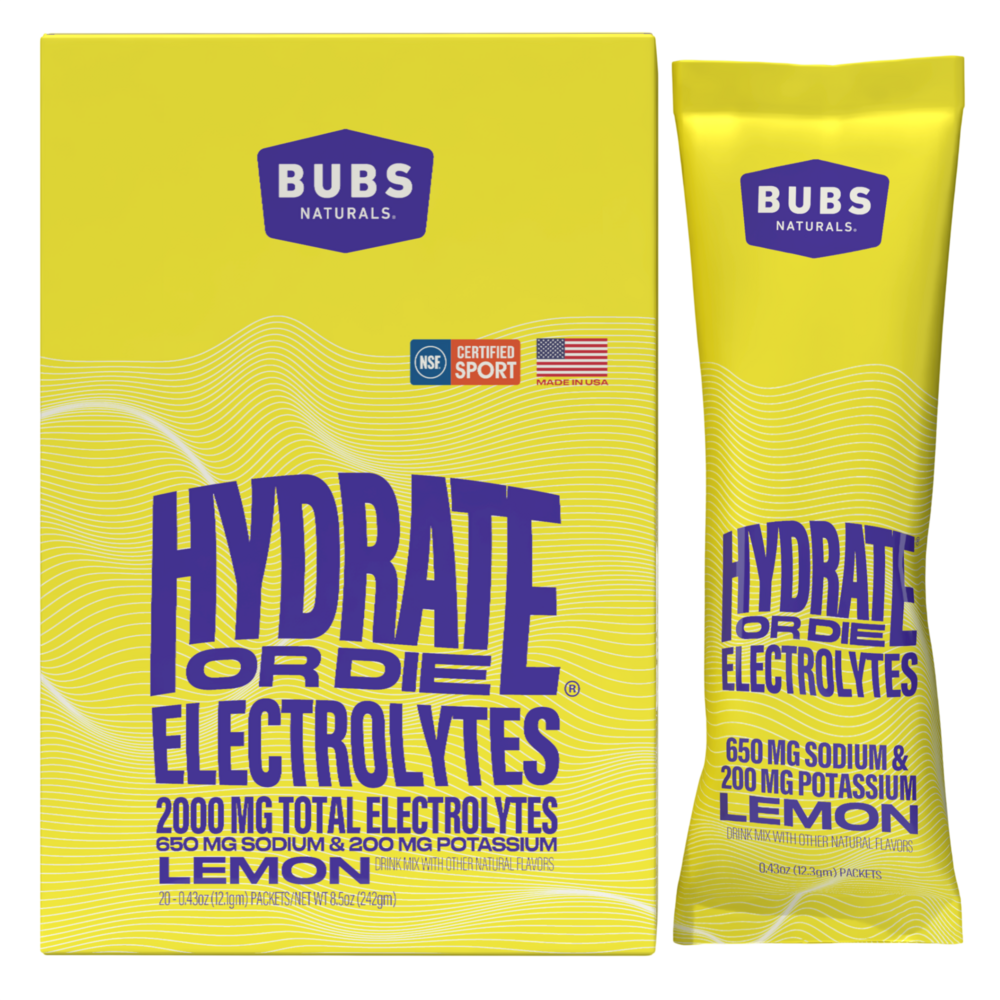
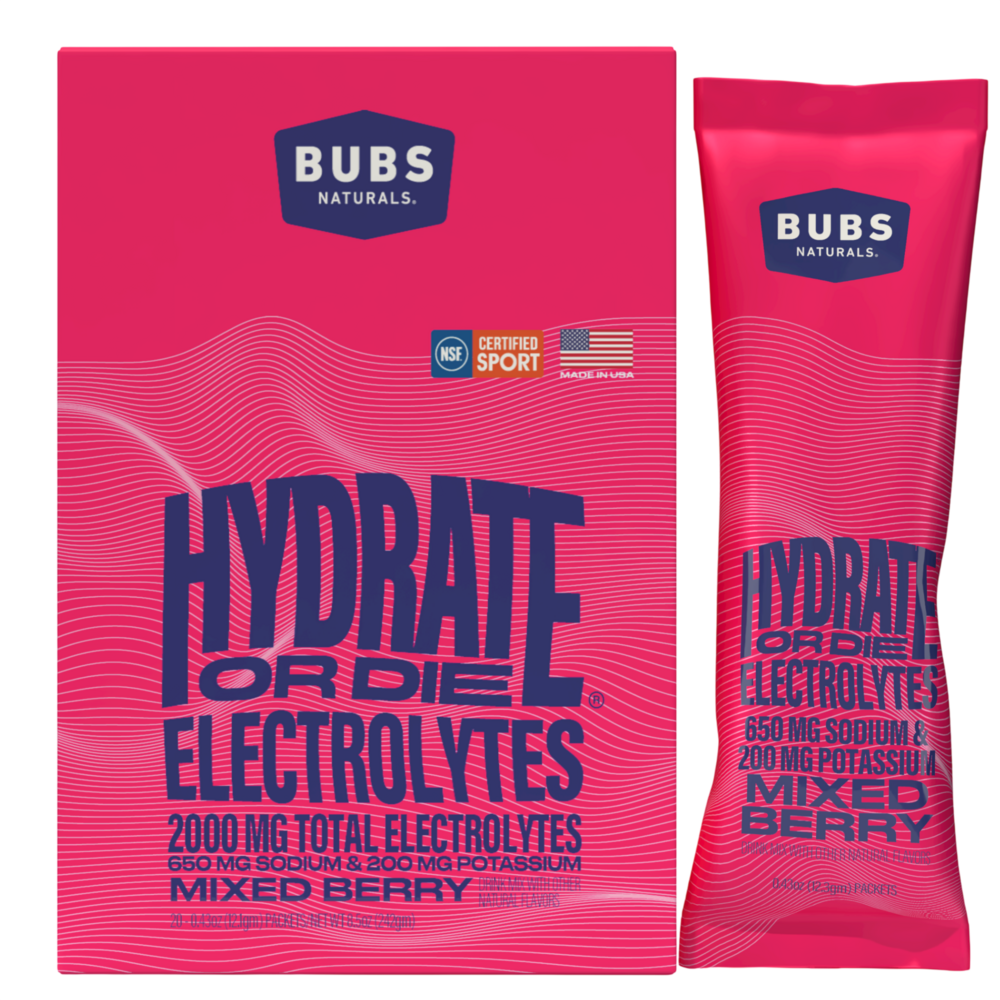
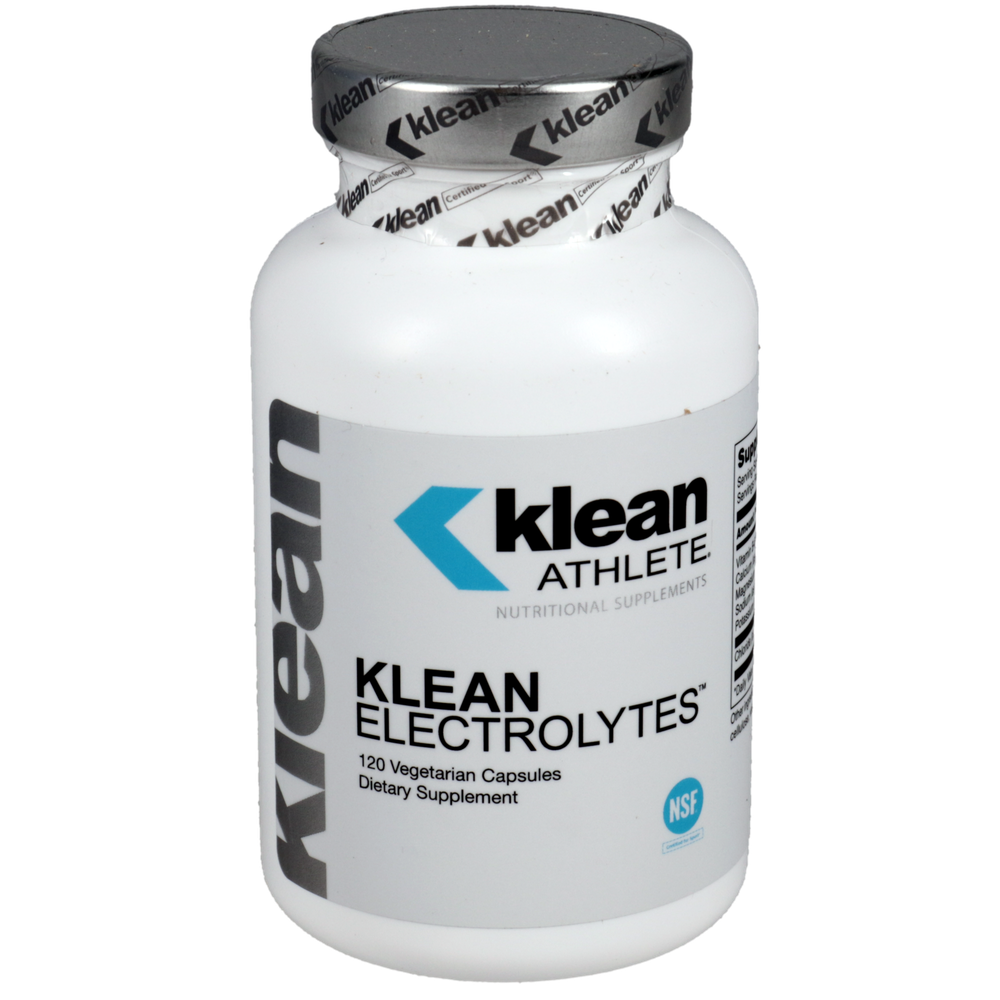
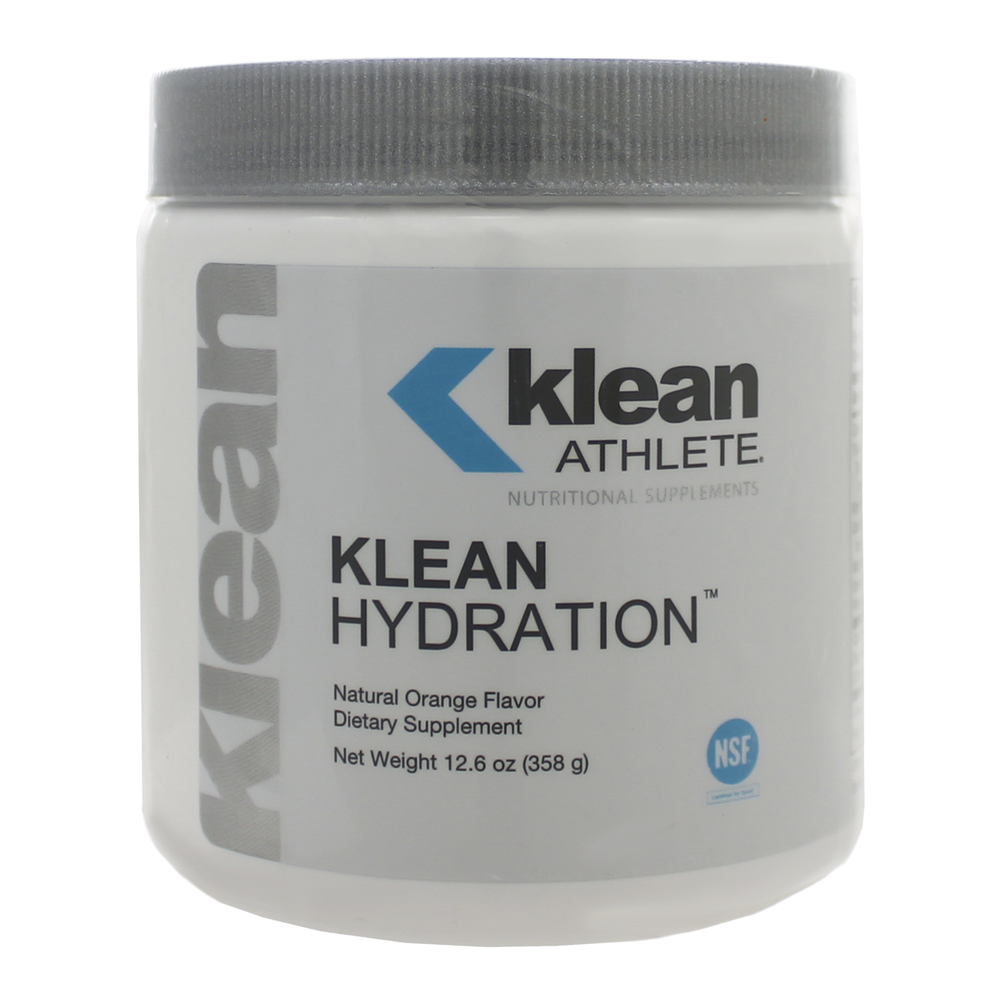
Electrolyte formulas replenish sodium, potassium, and magnesium for hydration and athletic output.
Our vetting standard
Every electrolytes formula here clears the same bar.
- Clinically studied, effective doses
- Bioavailable, well-absorbed forms
- Practitioner-grade, trusted brands
- Third-party tested for identity and potency
See if it's actually working
Sodium and potassium back in range with the cramps and lightheadedness gone is the answer; these markers respond within days, so retest sooner if symptoms change.
Electrolytes FAQs
Why do I need electrolytes beyond water?
Sweat loses sodium, potassium, magnesium, and chloride. Replacing only water dilutes blood electrolytes and can cause cramps, fatigue, headaches, or hyponatremia in extreme cases. Endurance athletes, sauna users, and people on low-carb diets benefit most.
What should be in an electrolyte mix?
A meaningful electrolyte mix has at least 500–1,000 mg sodium per serving, plus potassium (200–400 mg), magnesium (50–100 mg), and minimal sugar. Many commercial sports drinks underdose sodium relative to actual needs.
When should I use electrolytes?
During or after training over 60 minutes, in hot environments, on low-carb or fasted protocols, or when symptoms (cramps, fatigue, lightheadedness) suggest sodium loss. Daily morning use is also common in low-carb communities.
Is sodium really safe in electrolyte drinks?
For active people and those on low-carb diets, yes. Mainstream sodium-restriction advice targets people with hypertension and high baseline sodium intake. If you sweat heavily, fast, or eat low-carb, you actually need more sodium (3,000–6,000 mg/day) to maintain normal blood pressure and hydration.
Electrolytes vs sports drinks like Gatorade — what's the difference?
Sports drinks have more sugar (20–30 g per serving) and less sodium (~150 mg) than dedicated electrolyte mixes (1,000+ mg sodium, 0–5 g sugar). For training under 60 minutes, water + a salty snack is fine. For longer/intense efforts, dedicated electrolyte products are better.
Will electrolytes break a fast?
Pure mineral electrolytes (sodium, potassium, magnesium chloride) without sugar or amino acids do not break a fast. They're encouraged during extended fasts to prevent headaches, fatigue, and electrolyte imbalances. Avoid sugar-sweetened versions if fasting.
Why do I get headaches when I start a low-carb diet?
"Keto flu" is largely electrolyte loss. As insulin drops on low-carb, the kidneys excrete more sodium and water. Adding 2–4 grams of sodium per day (plus potassium and magnesium) prevents and treats most keto-flu symptoms within 24 hours.
Do I need electrolytes if I'm not exercising?
Most sedentary people get adequate electrolytes from food. Exceptions: low-carb dieters, frequent sauna users, people taking diuretics, those with frequent diarrhea, very hot climates. If you experience leg cramps, fatigue, or lightheadedness, an electrolyte trial is reasonable.
Are sugar-free electrolyte drinks better?
For most people, yes — they avoid blood sugar spikes and dental concerns. However, during long endurance events (>90 min), some carbohydrate (30–60 g per hour) actually improves performance and electrolyte uptake. Match the product to the situation.
Can I take too many electrolytes?
Yes. Excess sodium can raise blood pressure in salt-sensitive individuals. Excess potassium is dangerous in kidney disease (can cause arrhythmias). Excess magnesium causes diarrhea. Stay within 1–2 servings per day unless you're a heavy sweater or endurance athlete.
Are electrolytes safe during pregnancy?
Yes, often beneficial. Pregnancy increases blood volume and fluid needs. Sugar-free electrolytes are safe and can help with morning sickness, leg cramps, and dehydration. Avoid mega-doses of any single electrolyte without OB guidance.
Who should not use high-sodium electrolytes?
People with uncontrolled hypertension, congestive heart failure, kidney disease, liver cirrhosis, or those on sodium-restricted diets. People on potassium-sparing diuretics, ACE inhibitors, or with kidney disease should also limit potassium-containing electrolytes.