 Instalab
Eye Health
Eye health formulas combine lutein, zeaxanthin, omega-3s, and zinc to support macular and retinal health.
Our vetting standard
Every eye health formula here clears the same bar.
- Clinically studied, effective doses
- Bioavailable, well-absorbed forms
- Practitioner-grade, trusted brands
- Third-party tested for identity and potency
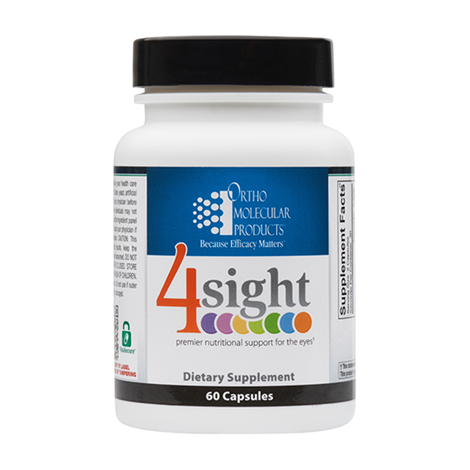
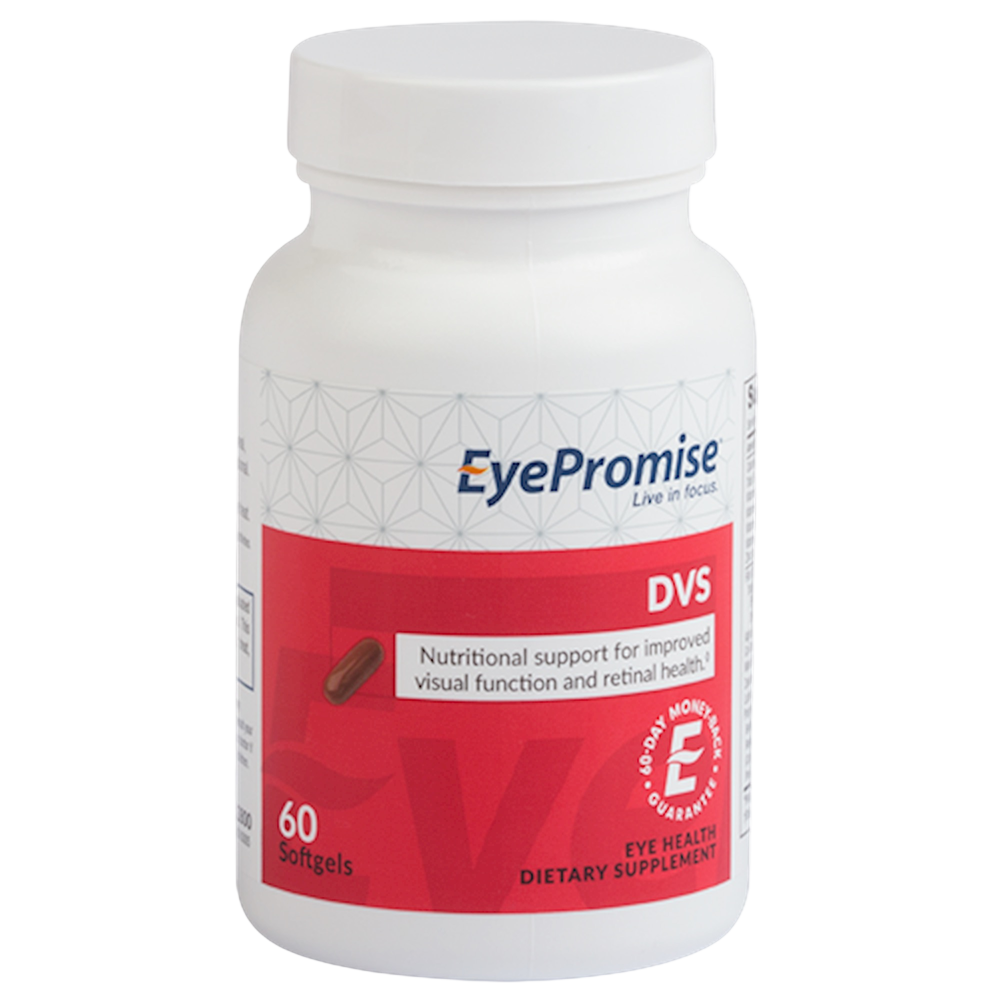
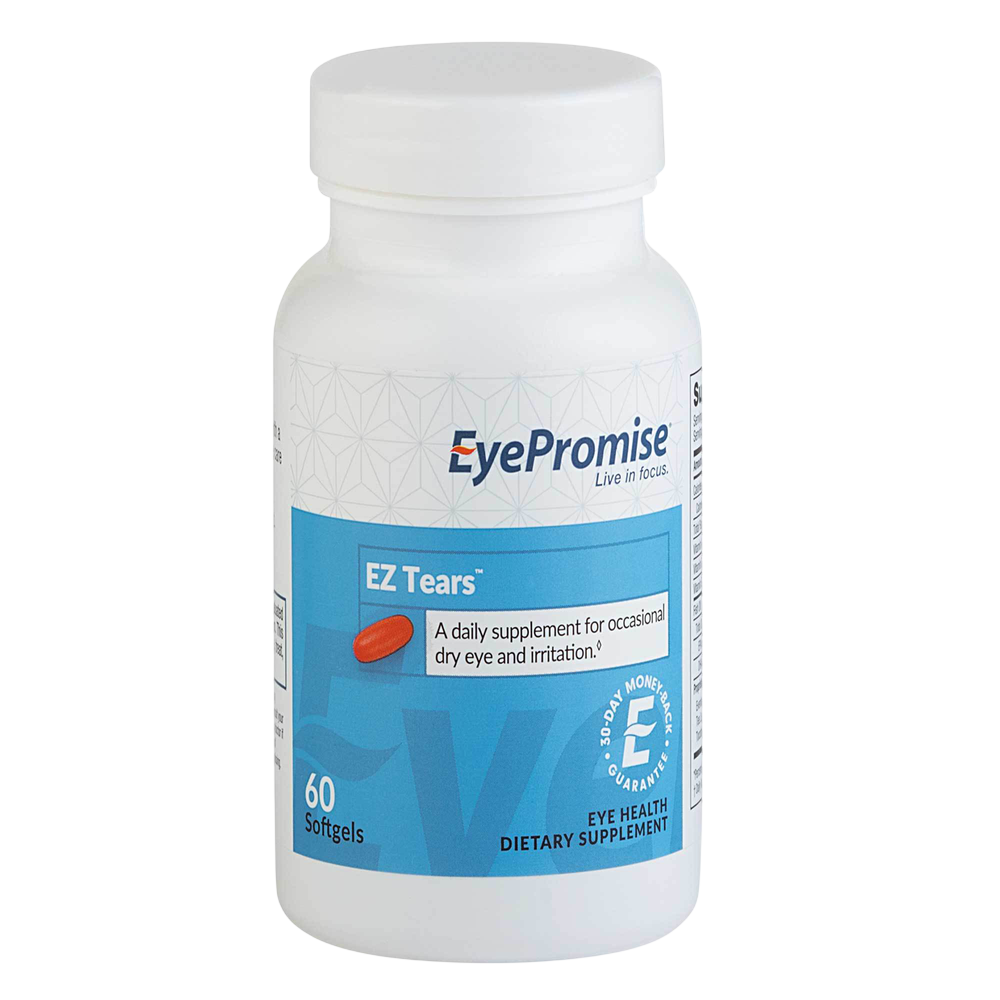
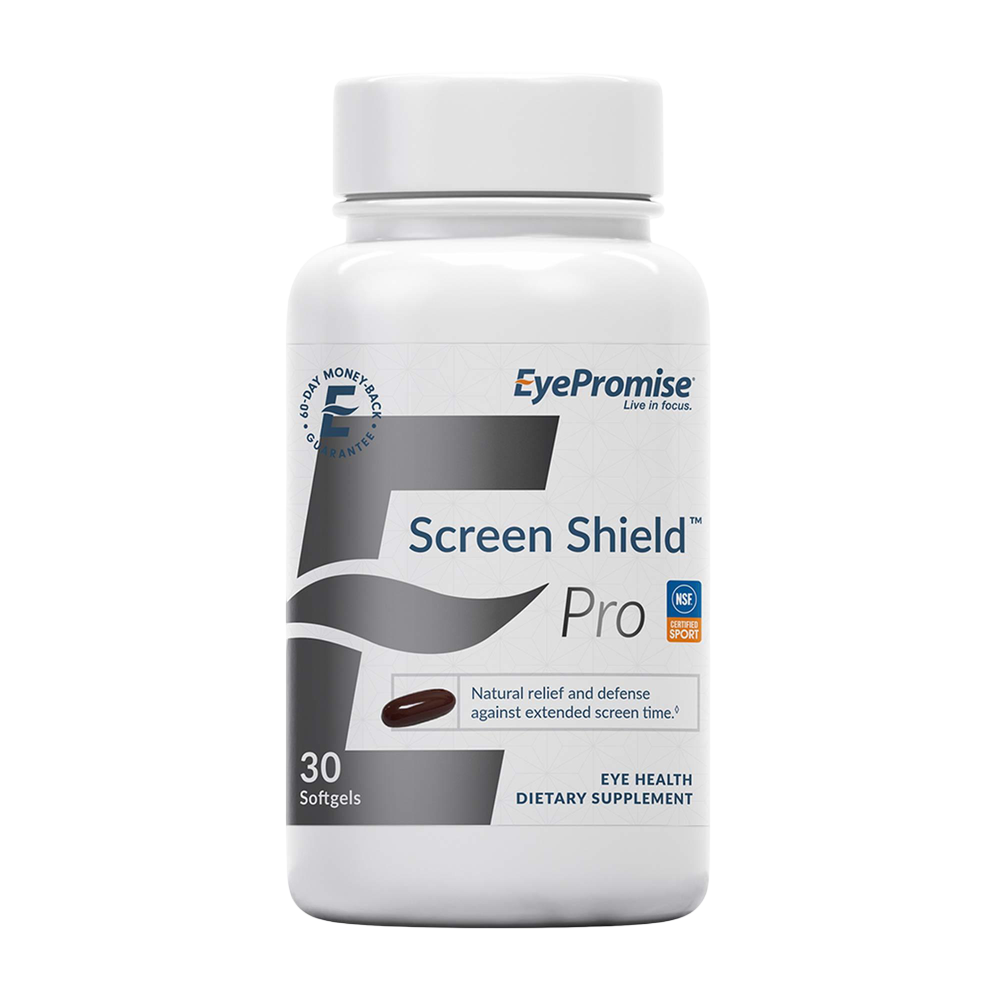
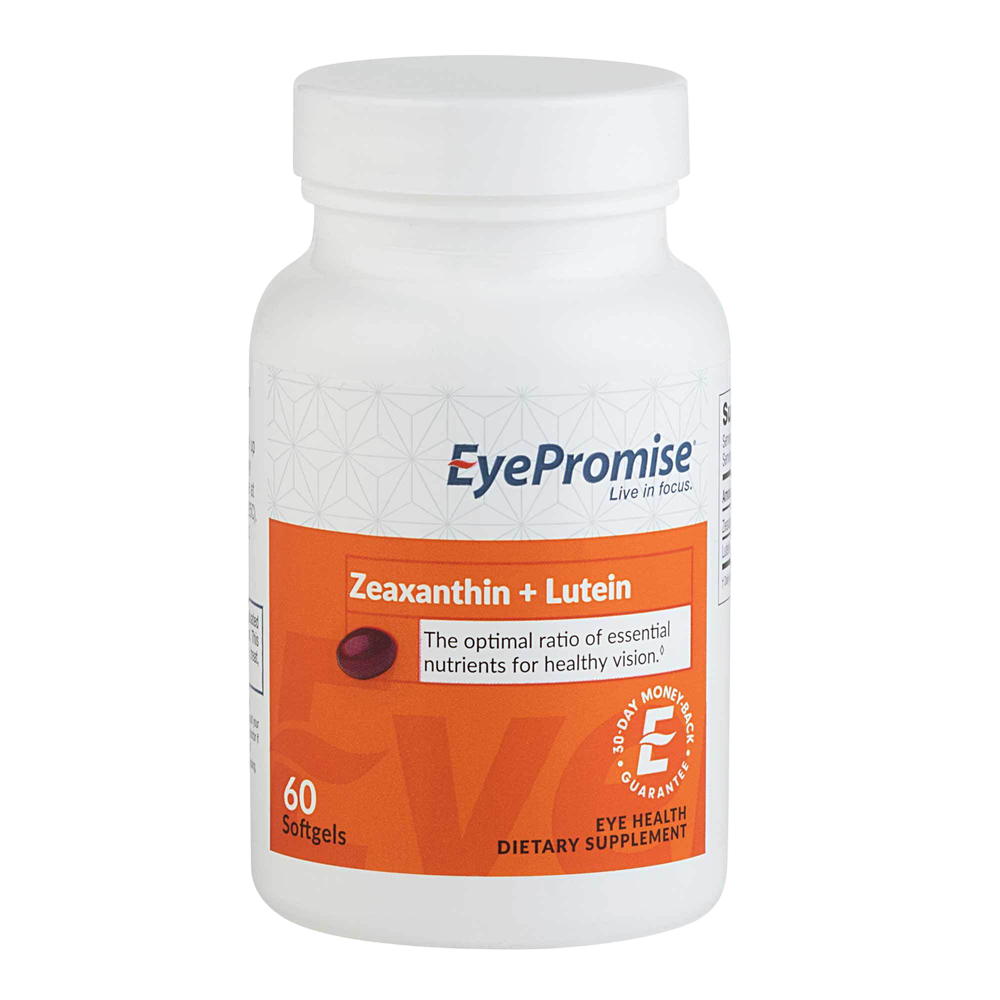
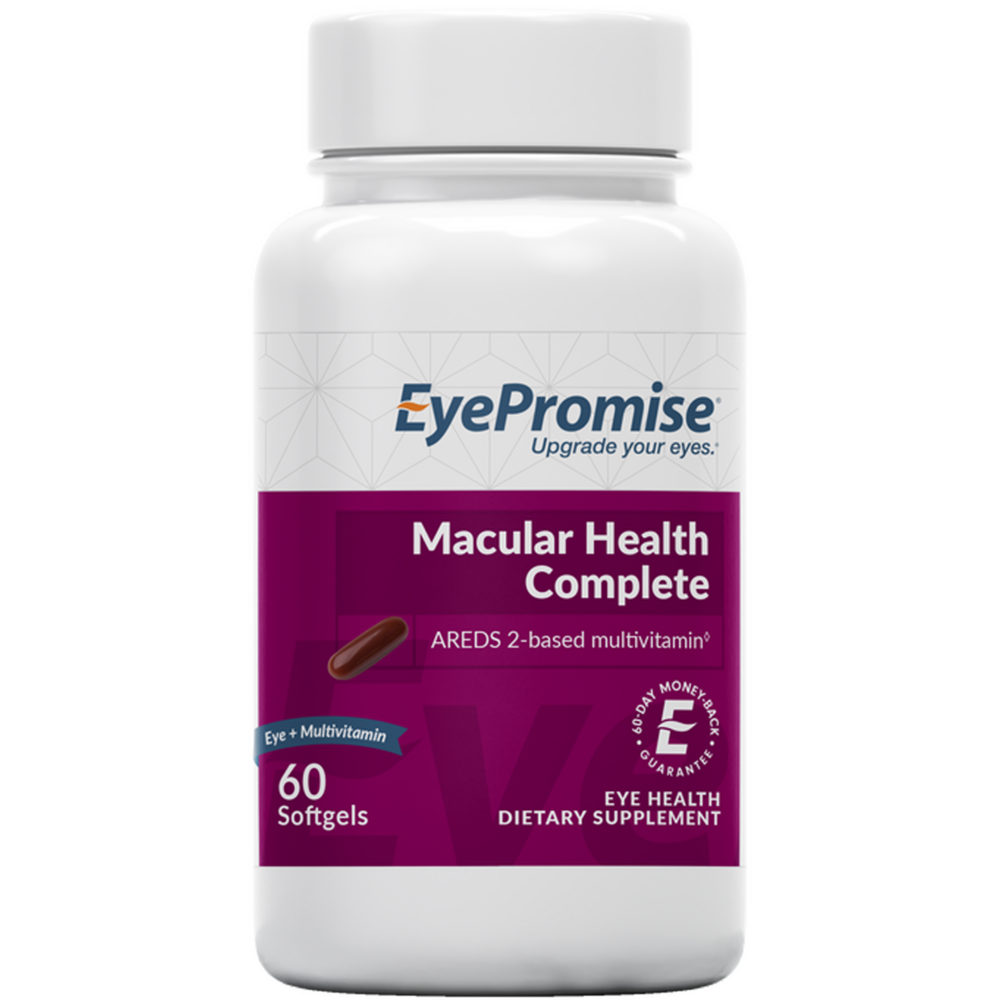
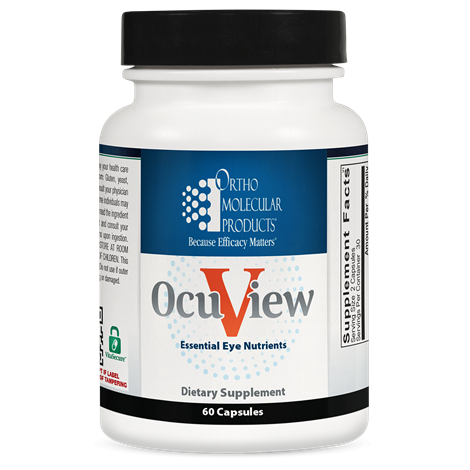
See if it's actually working
These confirm the AREDS-style nutrients are getting in; macular pigment density and your eye exam are what actually track the eye benefit.
Eye Health FAQs
What's in an eye health supplement?
The well-studied combination is the AREDS2 formula: lutein, zeaxanthin, vitamin C, vitamin E, zinc, and copper. Many products add omega-3 fatty acids, bilberry, and astaxanthin for additional macular and retinal support.
Who should consider eye support supplements?
People with a family history of age-related macular degeneration (AMD), heavy screen users, those over 50, or anyone with low intake of leafy greens (the main dietary source of lutein/zeaxanthin).
Do they prevent vision loss?
AREDS2 supplements slowed progression of intermediate AMD by about 25% in large clinical trials. They don't reverse vision loss or replace regular eye exams, but they're a reasonable adjunct for people at risk.
Lutein vs. zeaxanthin — what's the difference?
Both are carotenoids that concentrate in the macula. Lutein is more abundant overall, while zeaxanthin (and its isomer meso-zeaxanthin) is more concentrated at the very center of the macula, the fovea. The typical ratio in supplements is 10 mg lutein to 2 mg zeaxanthin, mirroring the AREDS2 study.
Will eye supplements help with eye strain from screens?
Lutein and zeaxanthin filter blue light and may modestly reduce visual fatigue, glare sensitivity, and contrast sensitivity issues from prolonged screen use. Most studies show benefit at 10–20 mg lutein per day after 12 weeks. They don't replace 20-20-20 breaks or proper screen distance.
What foods provide lutein and zeaxanthin?
Kale, spinach, collard greens, egg yolks, corn, orange peppers, and pistachios. Egg yolks are especially bioavailable because they're packaged with fat. A daily serving of dark leafy greens provides 5–15 mg of mixed carotenoids.
How long until I notice changes?
Macular pigment density (the marker behind protective effects) increases measurably after 8–12 weeks of consistent use. Visual function changes (glare recovery, contrast) can take 6 months. AMD progression effects take years to appear in studies.
Are eye supplements safe with my medications?
Generally yes, but high-dose vitamin E (over 400 IU) can increase bleeding risk with anticoagulants, and high zinc can interact with antibiotics or copper levels. AREDS2 doses are usually within safe ranges. Talk to your doctor if you're on warfarin or have hemochromatosis.
Should smokers take AREDS2?
AREDS2 was specifically designed to remove beta-carotene because it raised lung cancer risk in smokers. The current formula (with lutein/zeaxanthin instead) is safe for smokers and former smokers. Avoid older AREDS-1 style formulas with high beta-carotene if you've ever smoked.