 Instalab
Fiber
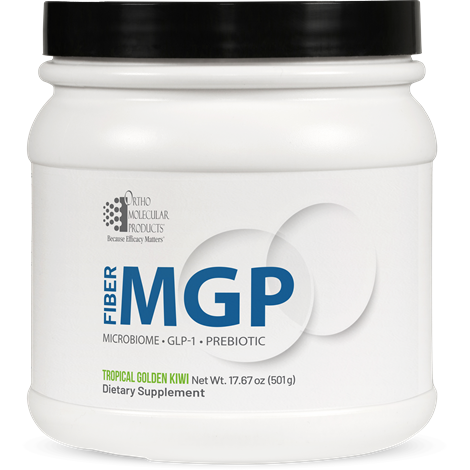
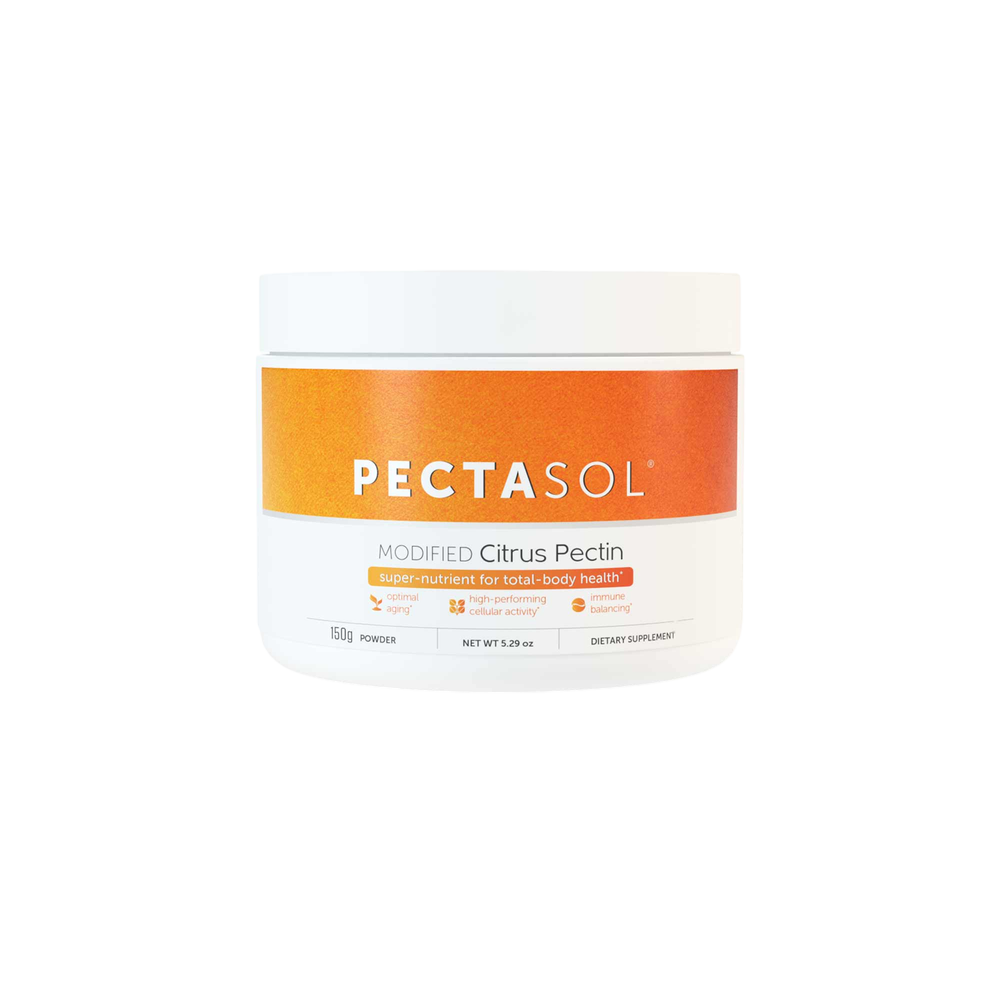
Fiber supplements support digestive regularity, blood sugar, and cholesterol.
Our vetting standard
Every fiber formula here clears the same bar.
- Clinically studied, effective doses
- Bioavailable, well-absorbed forms
- Practitioner-grade, trusted brands
- Third-party tested for identity and potency
See if it's actually working
A meaningful fiber intake should show up as a lower LDL and a steadier HbA1c; if neither moved, the daily dose is almost certainly below the 10 to 15 gram threshold.
Fiber FAQs
What's the difference between soluble and insoluble fiber?
Soluble fiber (psyllium, oat beta-glucan, acacia) dissolves in water and feeds gut bacteria, lowers LDL, and stabilizes blood sugar. Insoluble fiber (cellulose, wheat bran) adds bulk and speeds transit. Most people benefit from a mix of both.
How much fiber do I need?
25–38 g/day from food and supplements combined. The average American gets about 15 g. Adding 5–10 g of supplemental fiber bridges most of that gap if you can't easily increase it through whole foods.
Will fiber cause gas or bloating?
Often, when starting. Begin with a small dose, increase gradually over 1–2 weeks, and drink plenty of water. Once your gut microbiome adjusts, gas typically settles down.
Psyllium vs. acacia vs. inulin — which is best?
Psyllium is best-studied for cholesterol and constipation but can be gas-producing. Acacia (gum arabic) is the gentlest, best for sensitive guts. Inulin is highly fermentable — great for microbiome but rough for IBS or SIBO. Glucomannan and oat beta-glucan are good middle-ground options.
When should I take fiber?
For cholesterol or blood sugar: 15–30 minutes before meals. For regularity: any consistent time, usually morning. For weight management: before meals to support fullness. Always with at least 8 oz of water and at least 1 hour away from medications.
Does fiber affect medication absorption?
Yes. Fiber can slow or reduce absorption of thyroid medication, statins, antidepressants, and some diabetes medications. Take medications at least 1 hour before or 2–4 hours after fiber to avoid this issue.
Can I get all my fiber from supplements?
Better not to. Whole-food fiber comes packaged with phytonutrients, prebiotic diversity, and a wider range of fermentable substrates that supplements can't replicate. Use fiber supplements to fill gaps, not as a primary source.
Will fiber help with weight loss?
Modestly. Soluble fibers like glucomannan and psyllium increase satiety and slow gastric emptying. In trials, 5–10 g of soluble fiber before meals produces about 2–4 lb of additional weight loss over 12 weeks. It's a tool, not a cure.
Is fiber safe during pregnancy?
Yes — pregnancy increases constipation risk and fiber is one of the first-line solutions. Psyllium and partially hydrolyzed guar gum are both well-studied and safe. Aim for 28 g/day total fiber during pregnancy.