 Instalab
Fish Oil
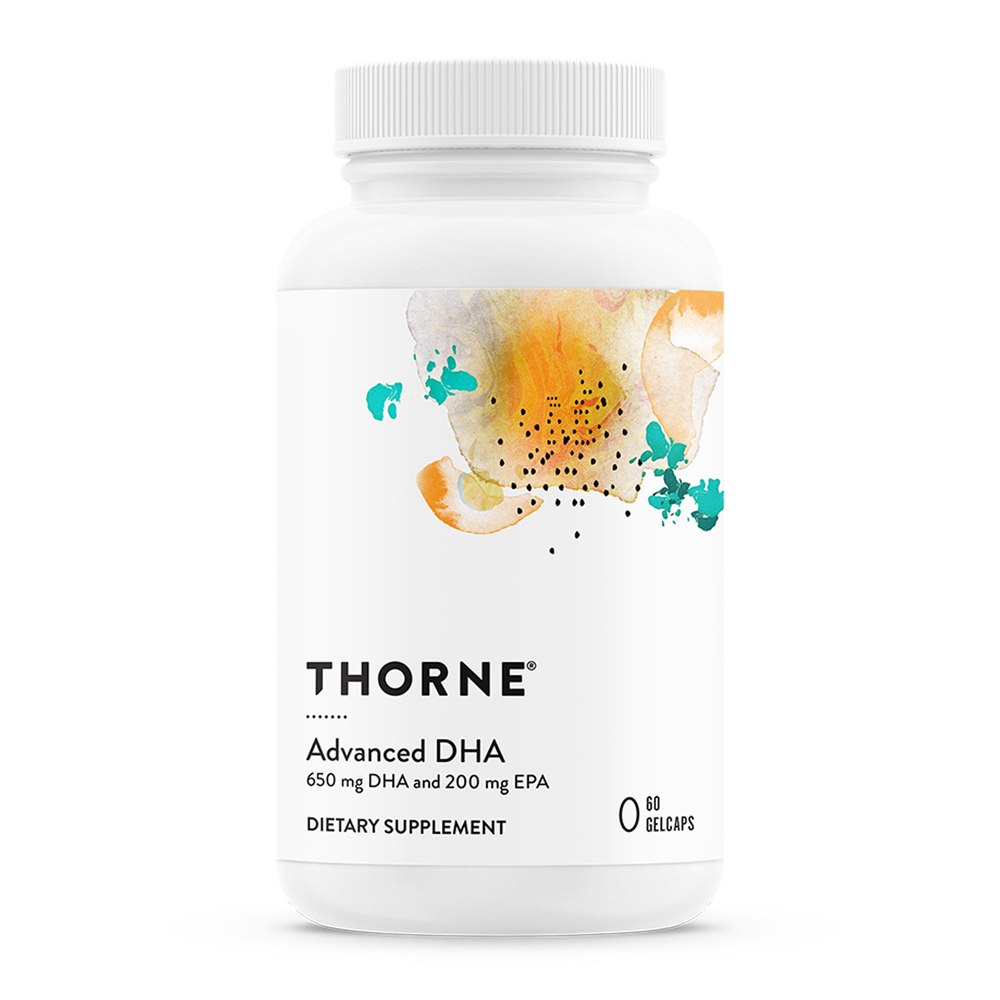
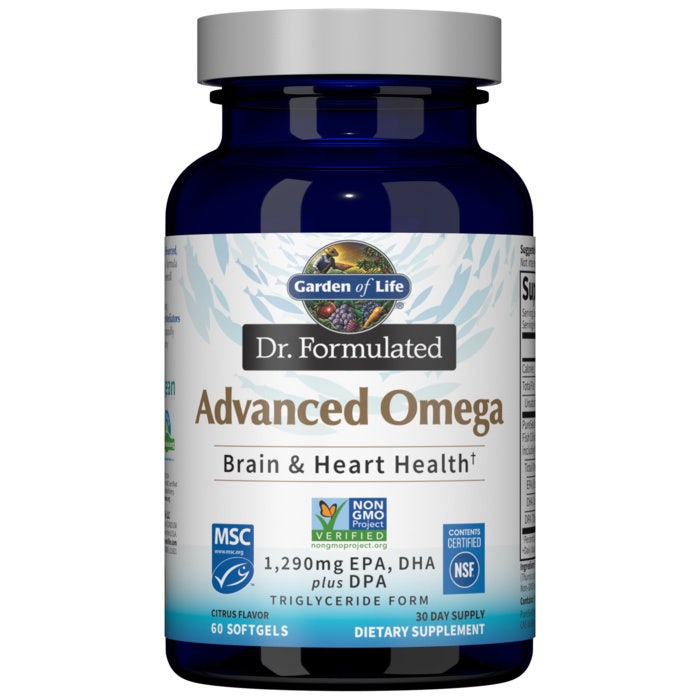
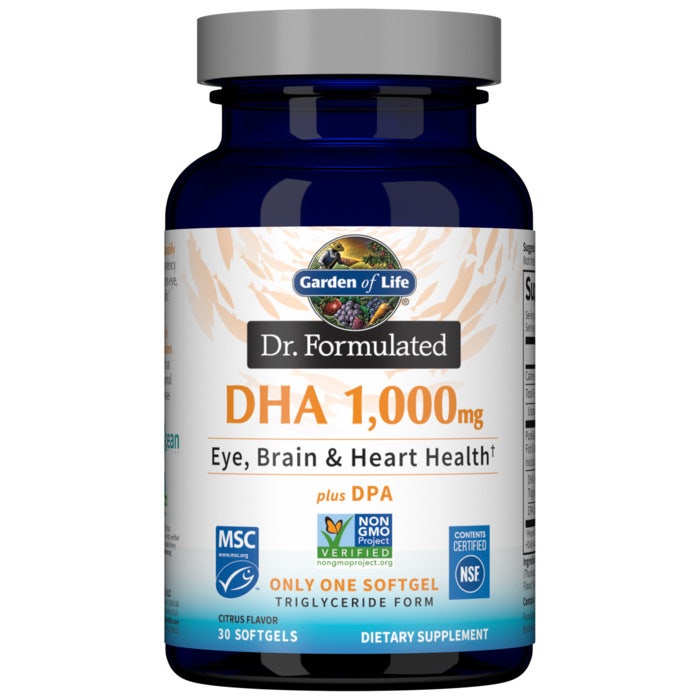
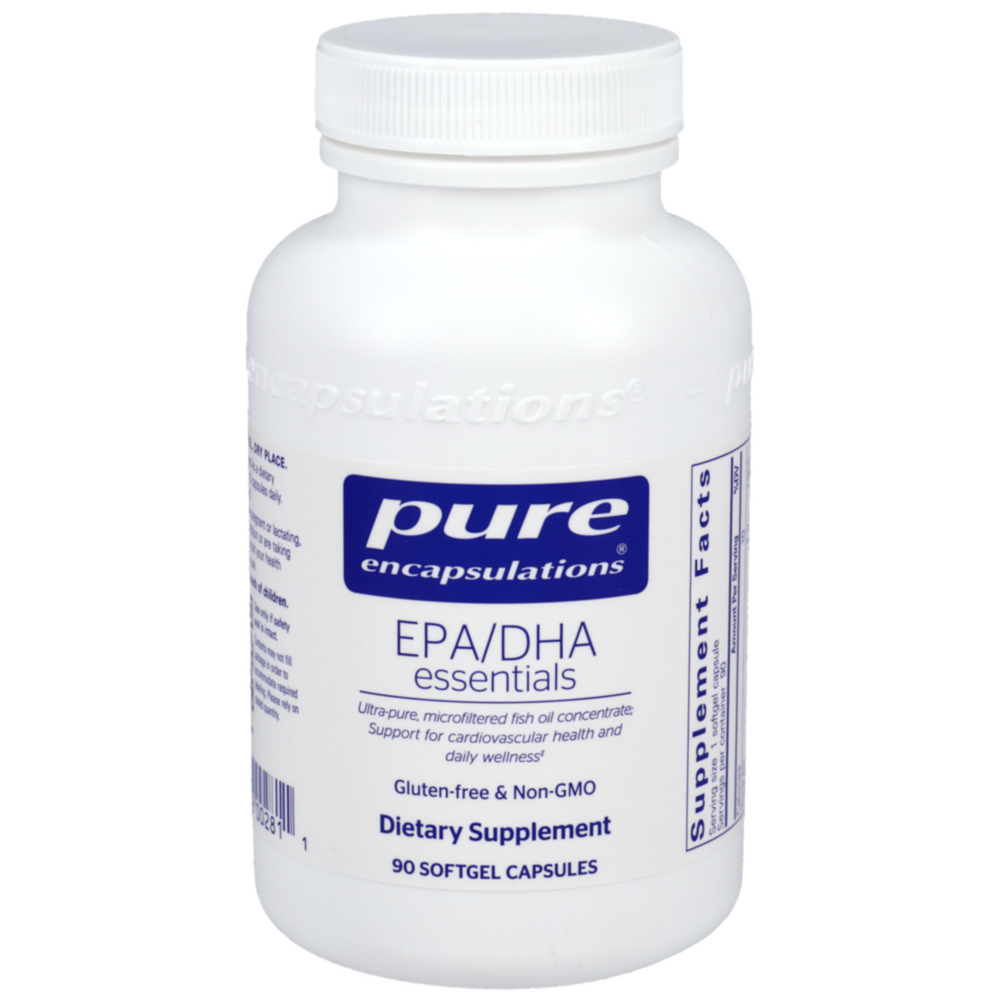
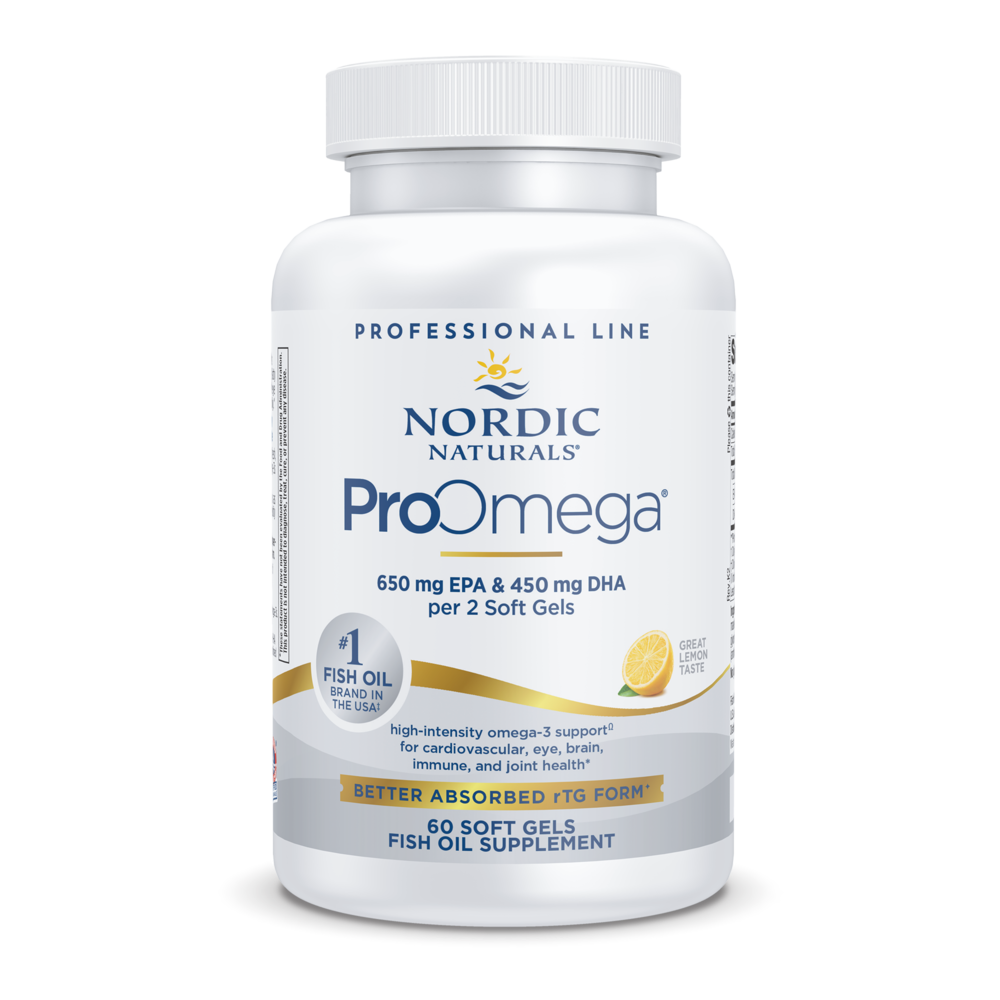
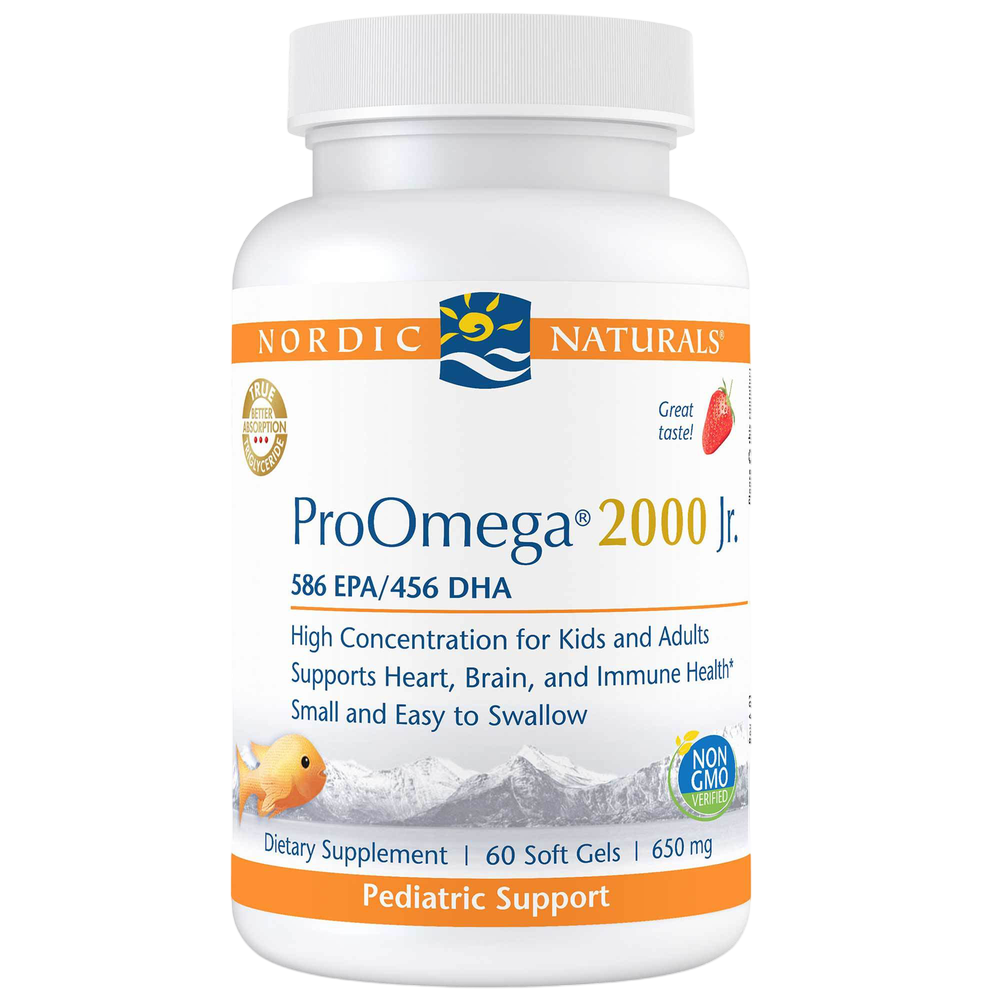
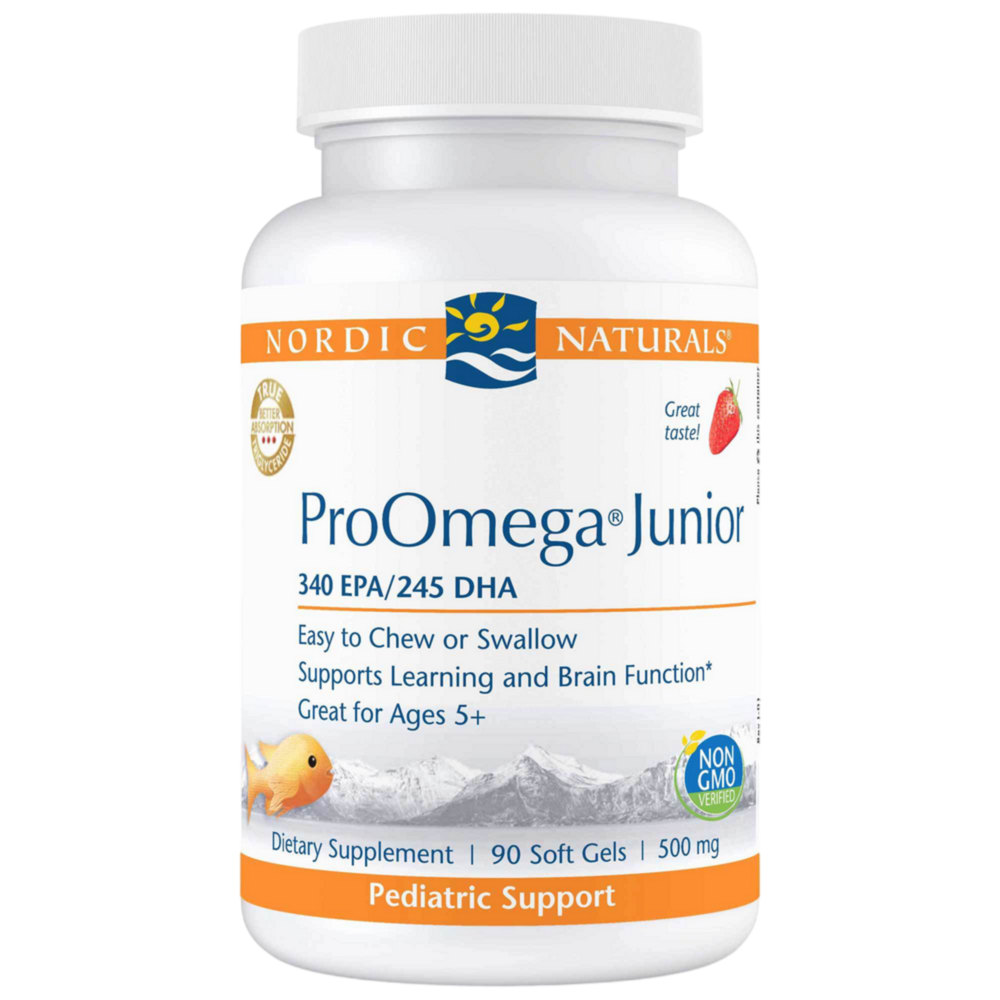
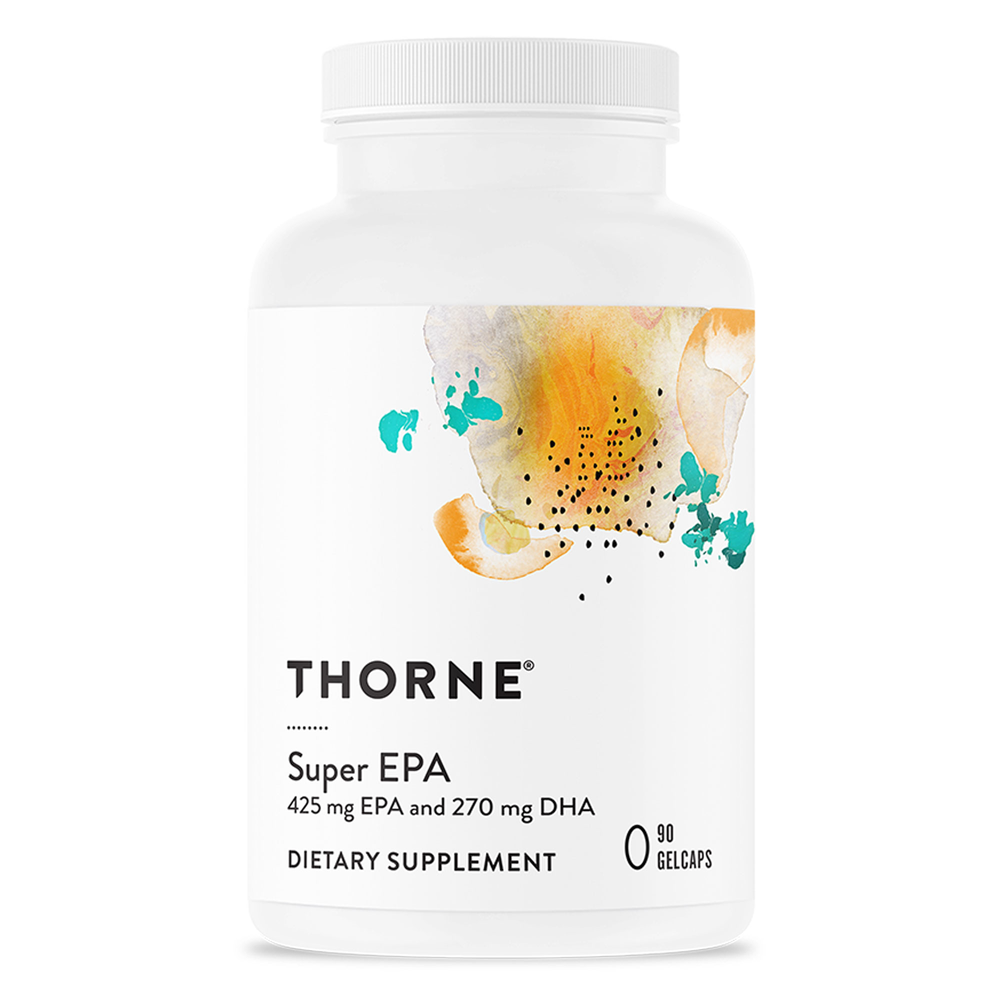
Fish oil delivers EPA and DHA omega-3s for heart, brain, and inflammatory support.
Our vetting standard
Every fish oil formula here clears the same bar.
- Clinically studied, effective doses
- Bioavailable, well-absorbed forms
- Practitioner-grade, trusted brands
- Third-party tested for identity and potency

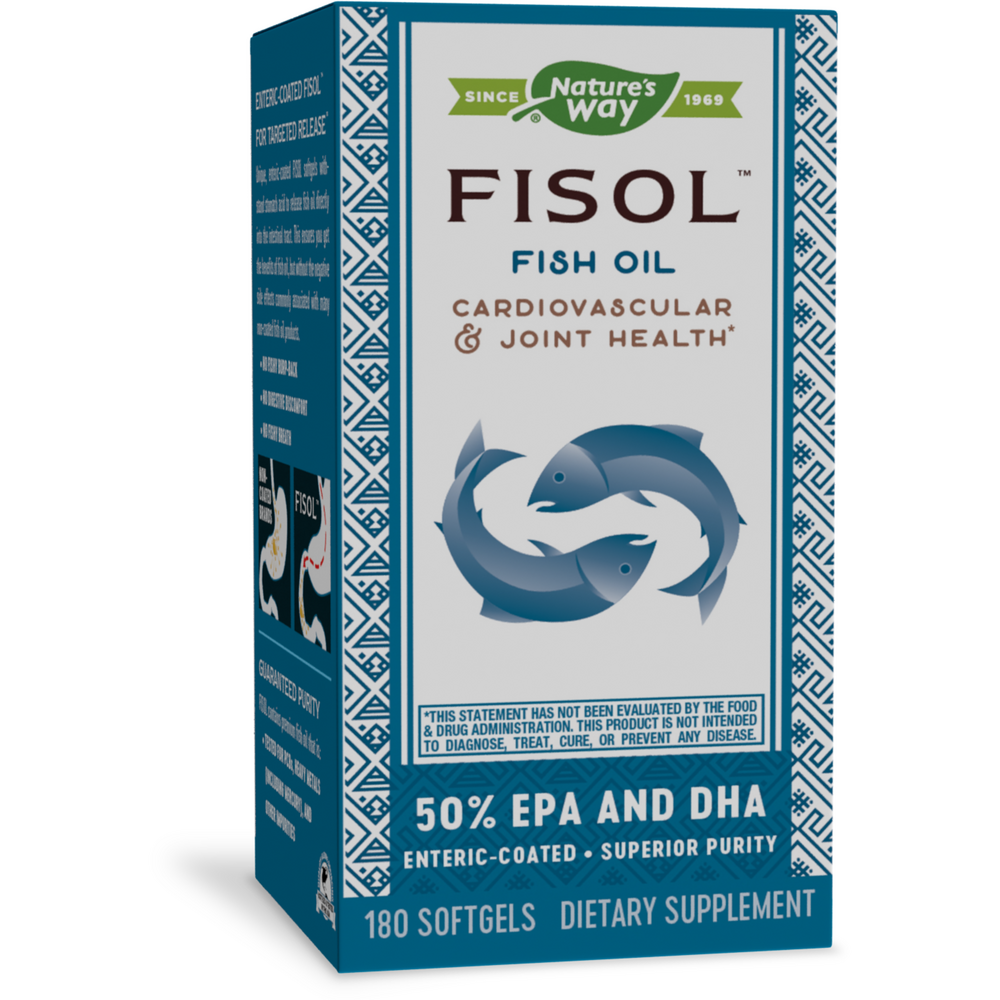
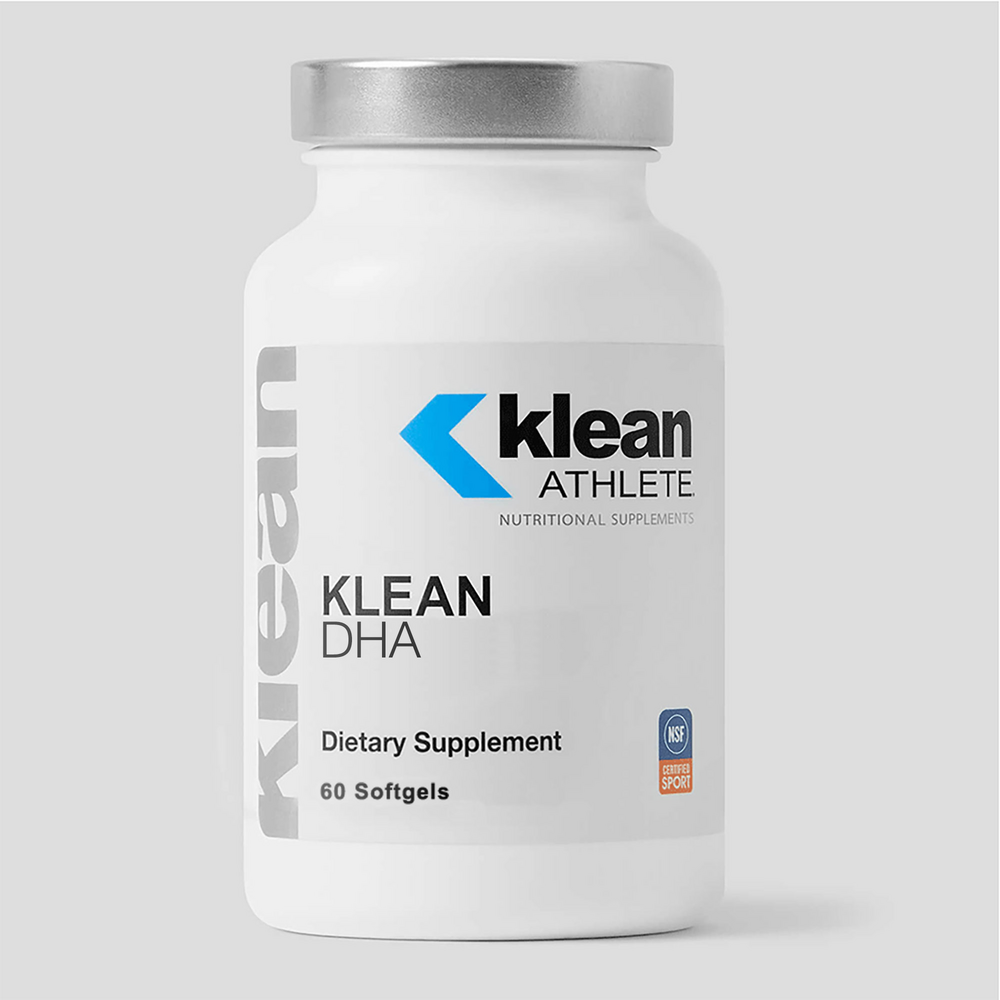
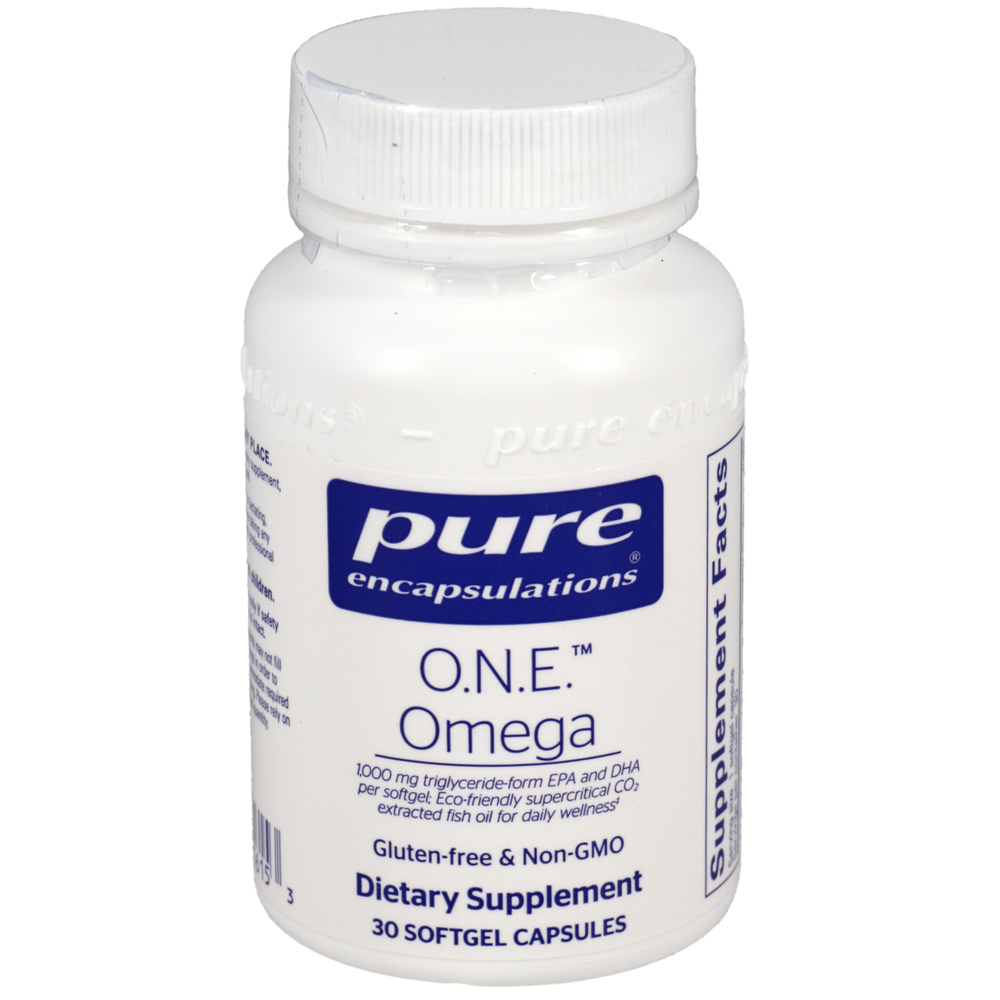

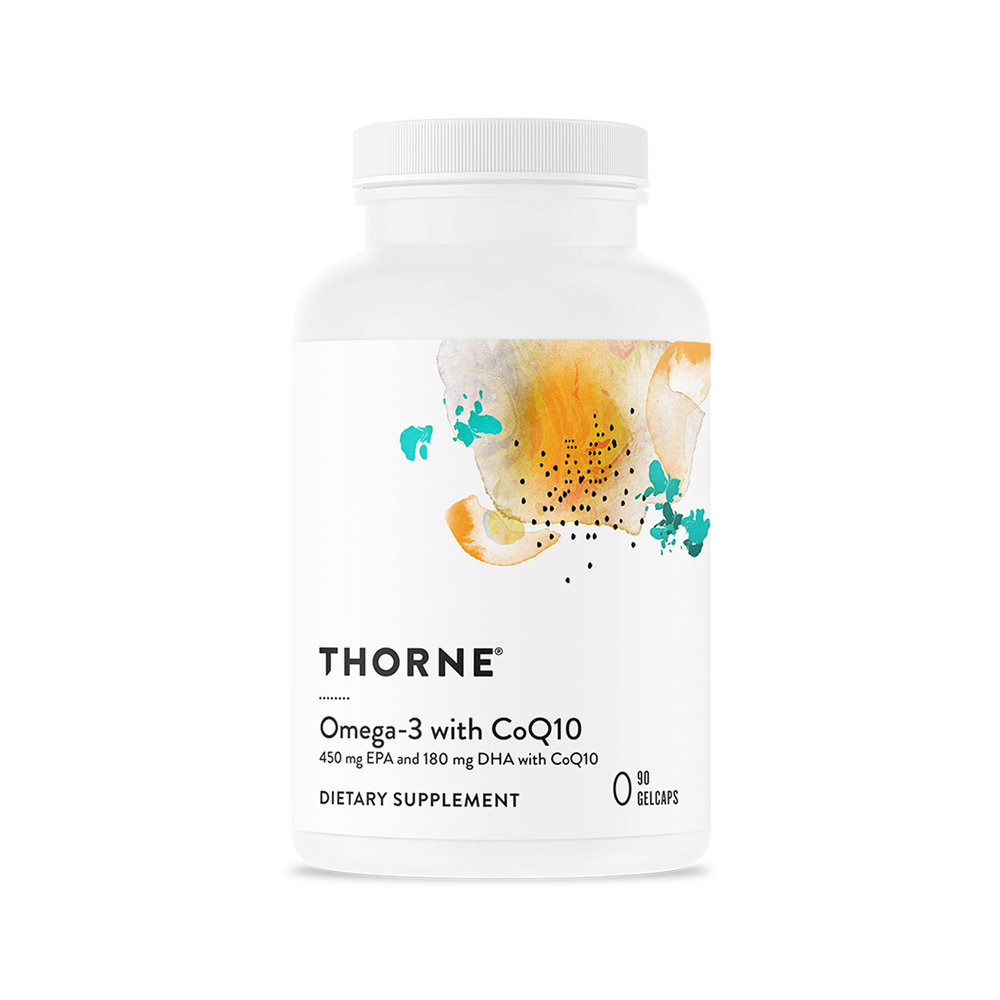
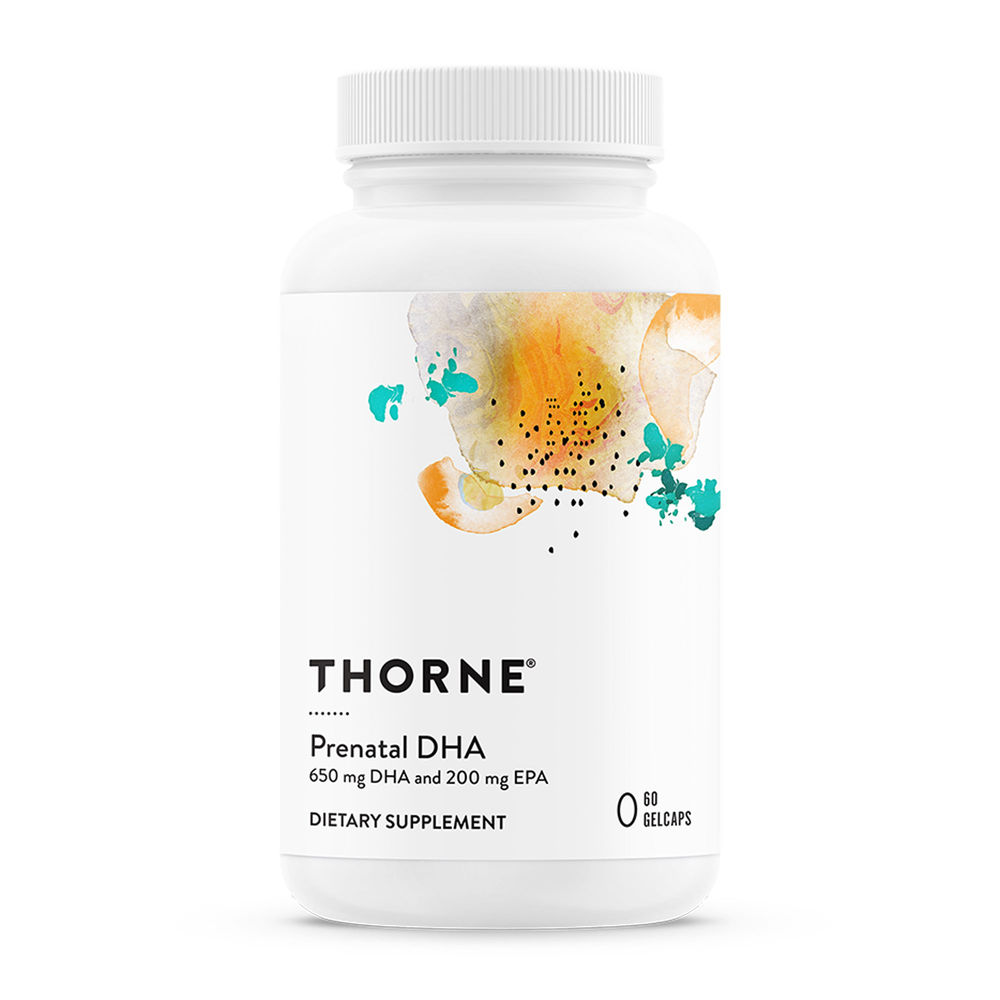
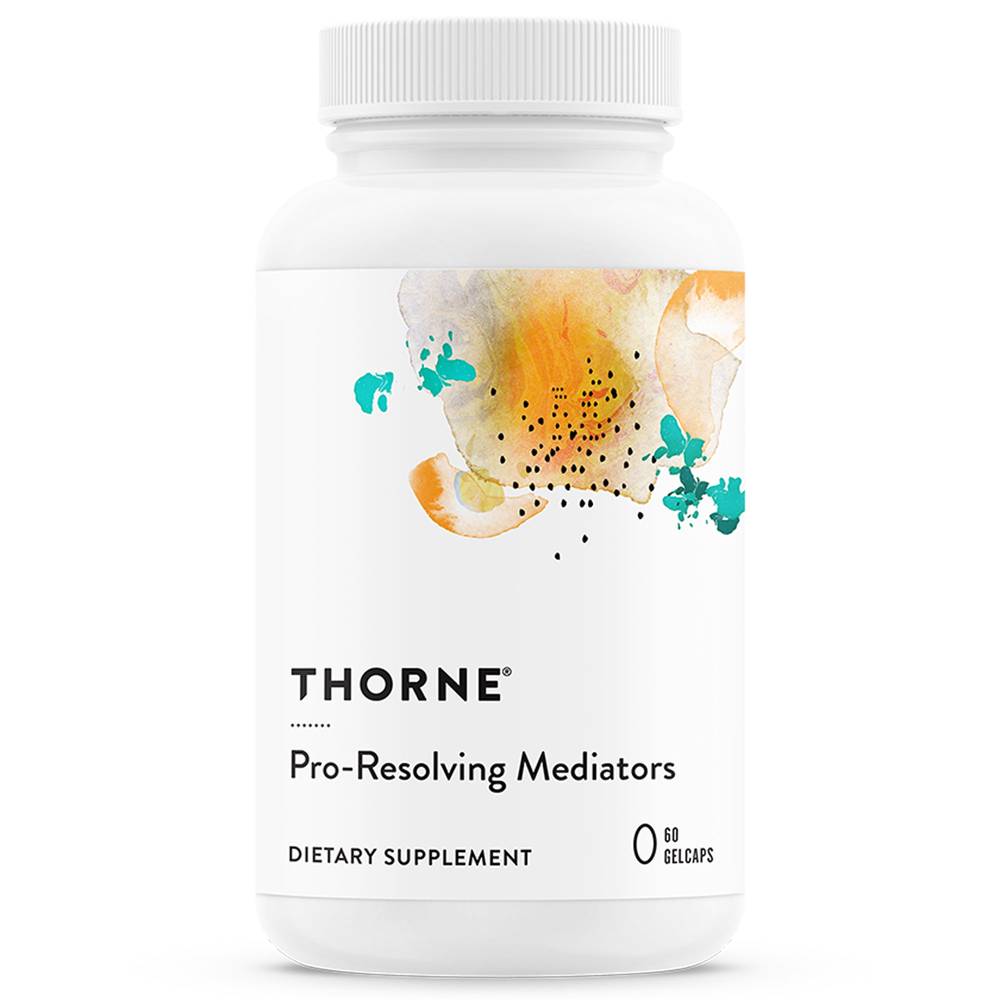
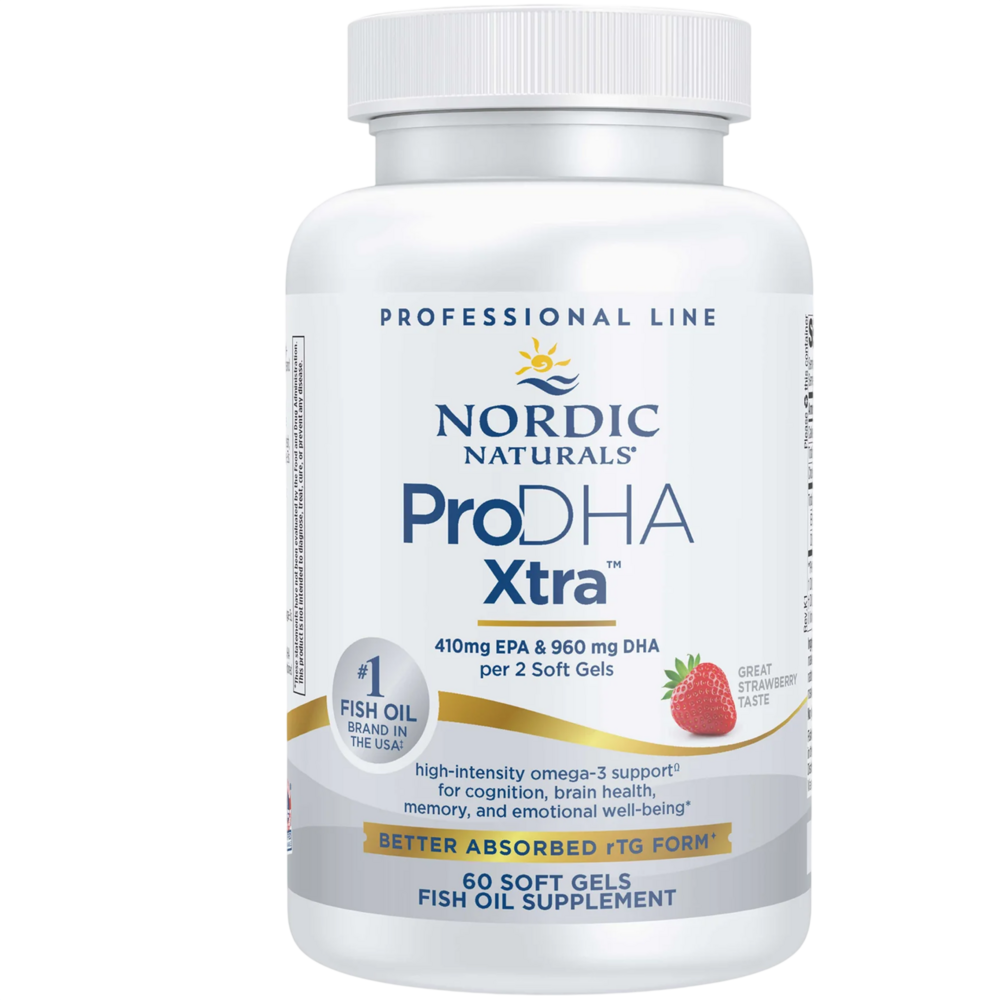
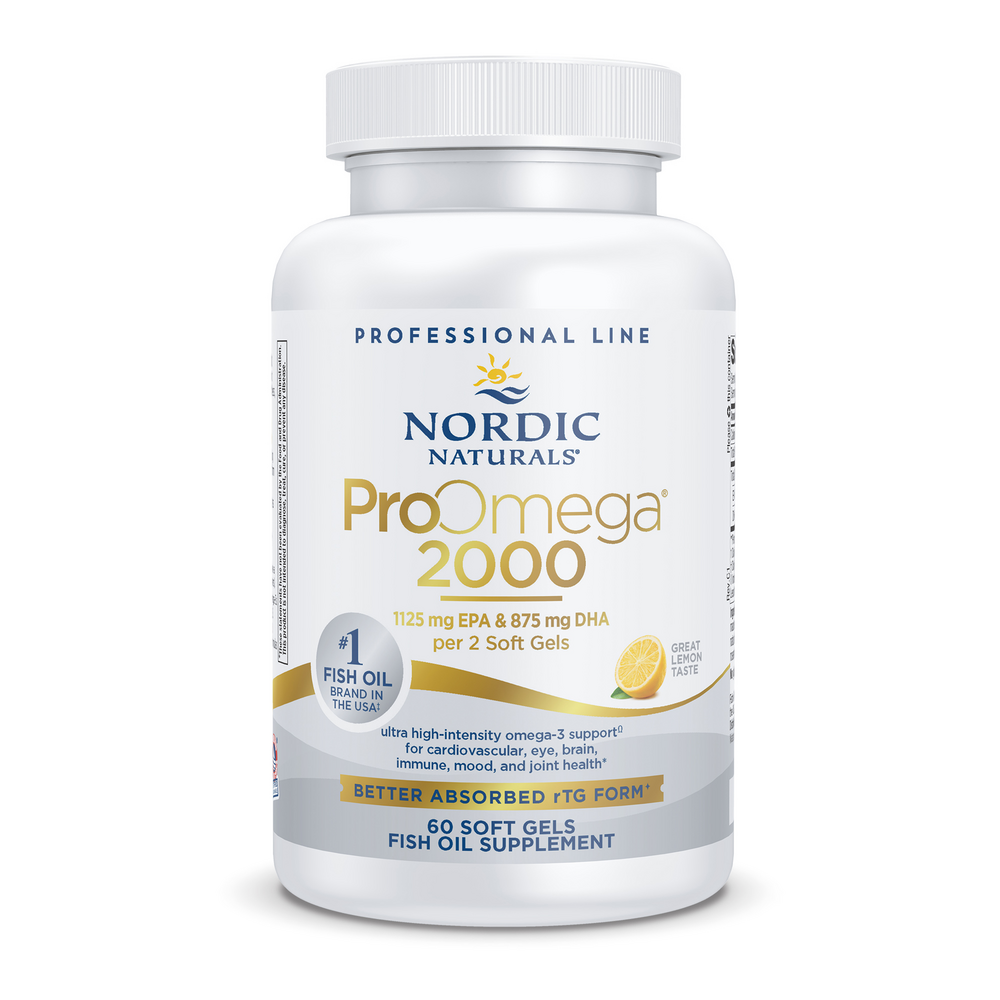
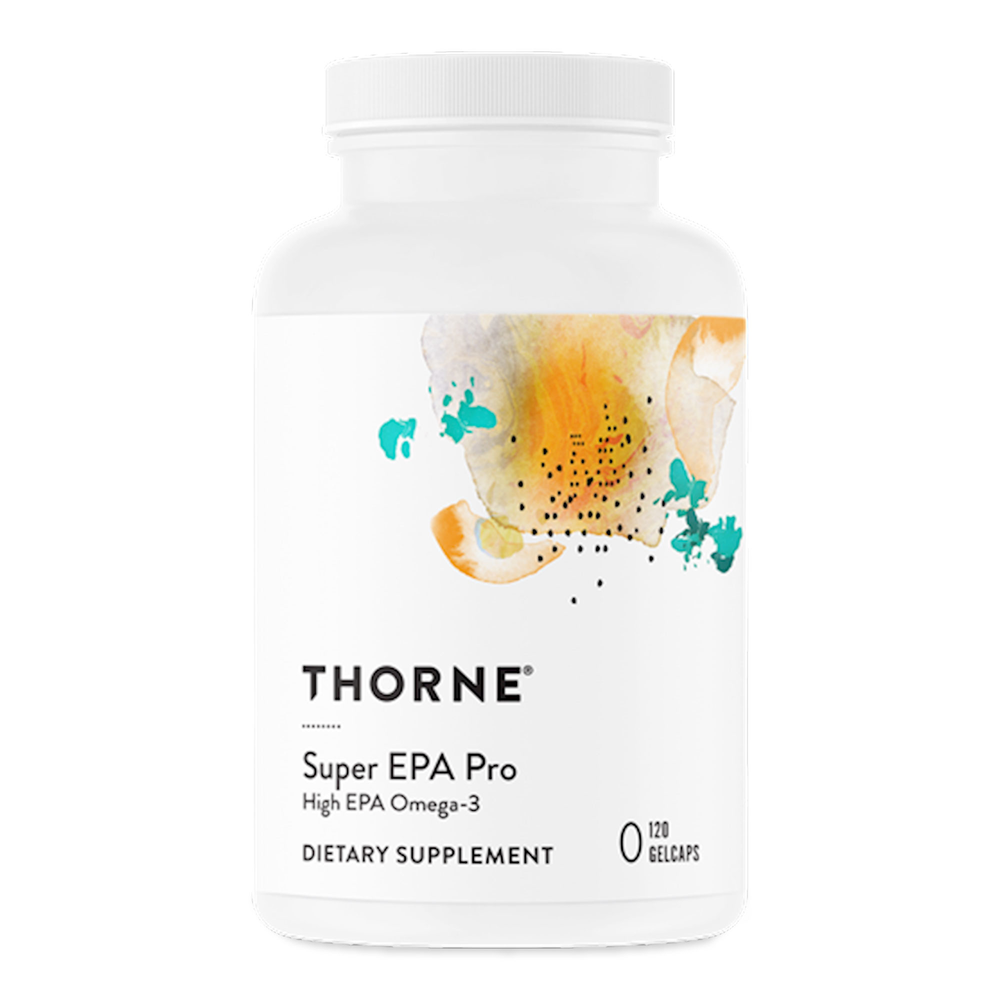
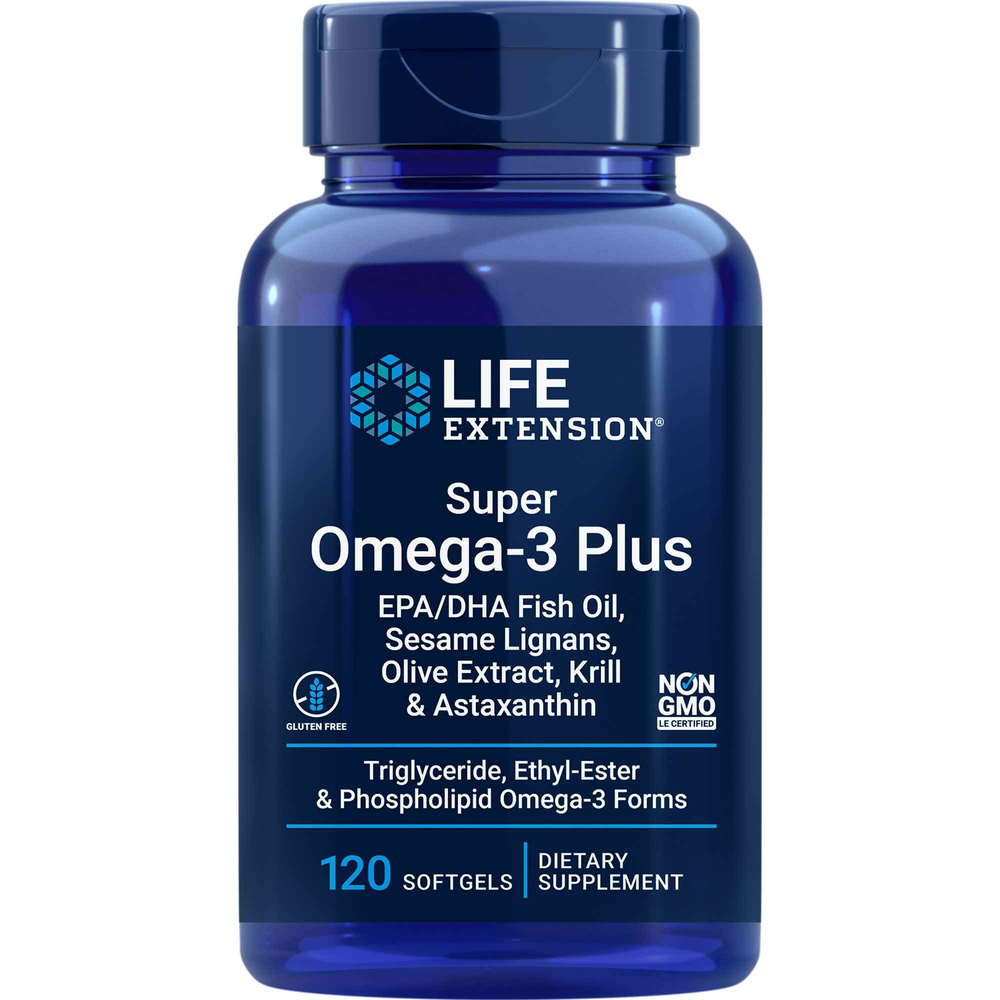

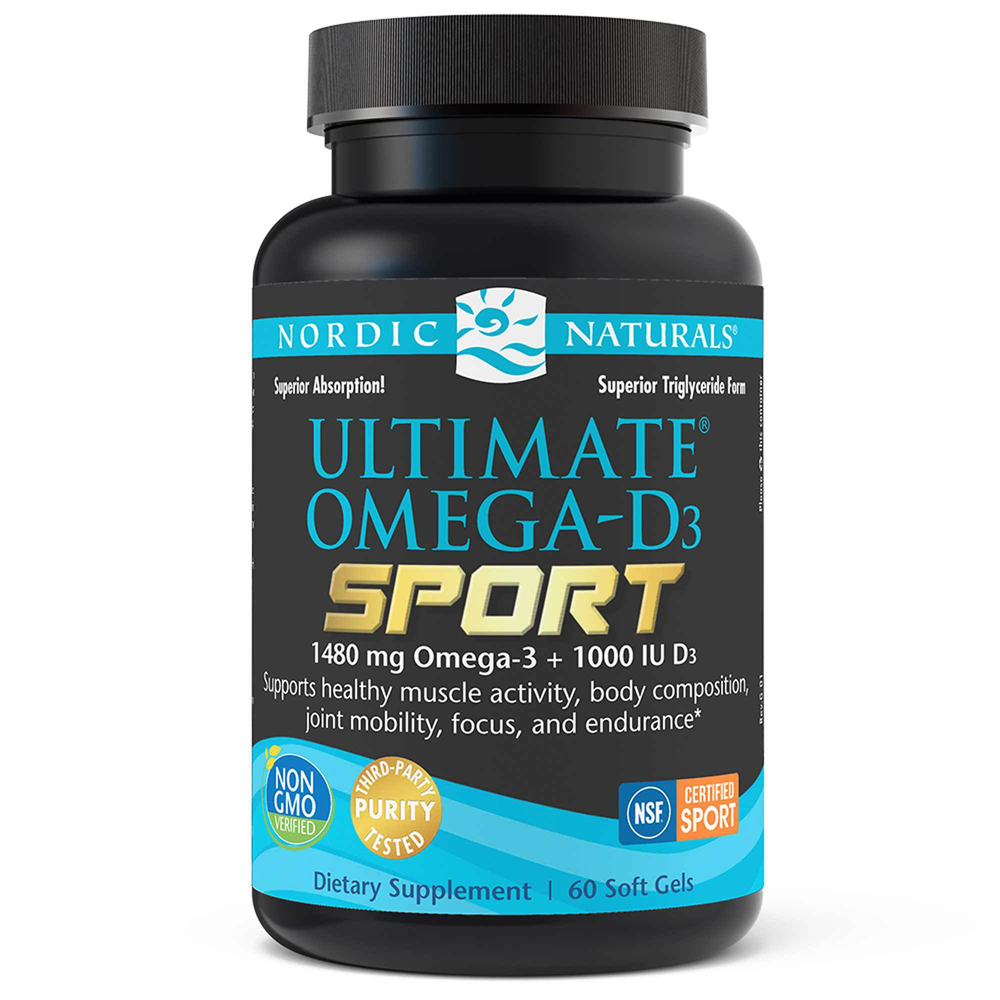

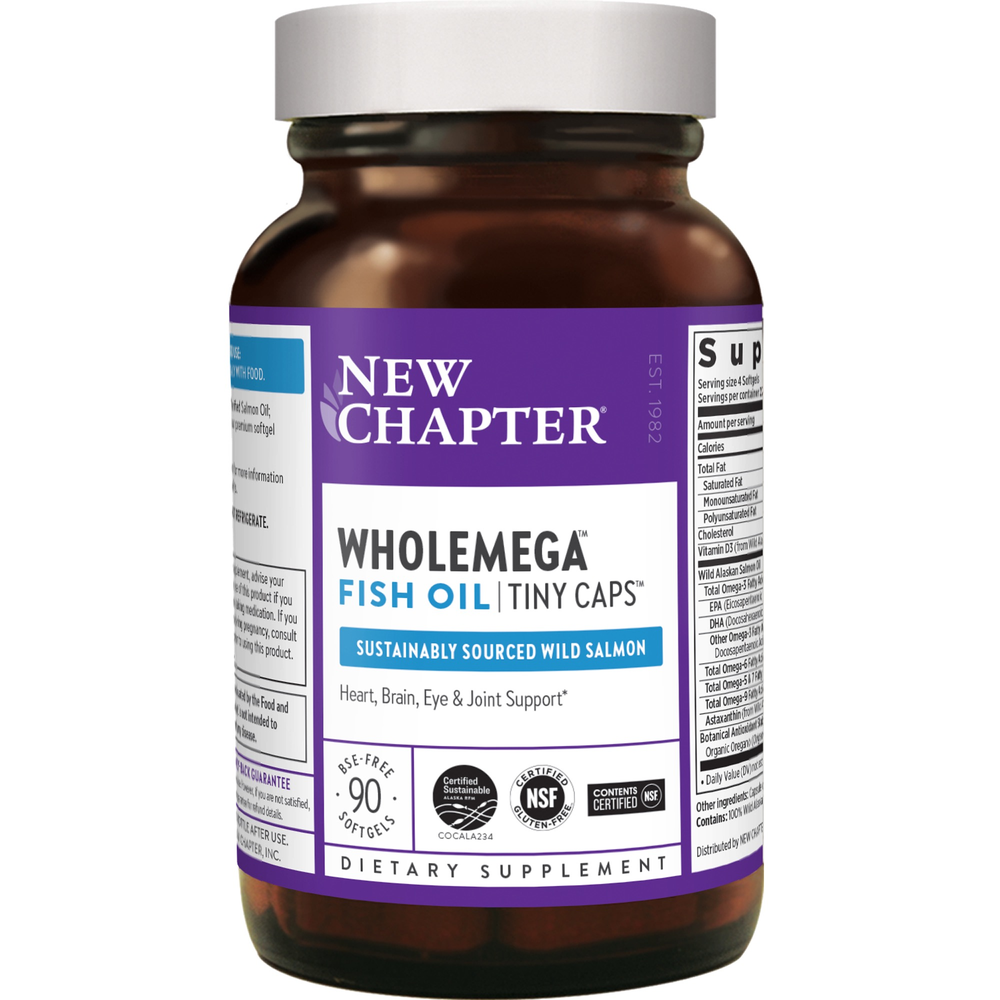

See if it's actually working
The Omega-3 Index is the marker that matters and it needs four months, because it measures red-cell membranes that take a full turnover to re-equilibrate.
Fish Oil FAQs
How much EPA and DHA do I need?
General health: 1,000–2,000 mg of combined EPA + DHA per day. Cardiovascular or triglyceride support: 2,000–4,000 mg. Look at the EPA/DHA content on the supplement facts panel — total fish oil grams can be misleading.
What should I look for in a quality fish oil?
Third-party testing for purity (heavy metals, PCBs) and oxidation (TOTOX value), molecular distillation, sustainable sourcing certification (IFOS, MSC), and a meaningful EPA + DHA dose per softgel rather than just total fish oil.
Should I take fish oil with or without food?
With a meal containing fat for best absorption. Fish burps can be reduced by taking it with food, freezing the softgels, or choosing an enteric-coated or triglyceride-form product.
Triglyceride vs. ethyl ester fish oil — what's the difference?
Triglyceride (TG) form is the natural structure found in fish and absorbs about 70% better than ethyl ester (EE), which is a synthetic concentrate. EE is cheaper and often higher dose per pill. TG re-esterified products give the best of both — concentrated and well-absorbed.
Is fish oil better than krill oil or algae oil?
Krill provides phospholipid-bound omega-3s with better absorption per mg, plus astaxanthin, but at lower total EPA/DHA. Algae oil is the only vegetarian source of pre-formed EPA/DHA. For most people, high-dose fish oil offers the best EPA/DHA per dollar.
Can fish oil interact with blood thinners?
At doses above 3 g/day, fish oil mildly thins the blood. Combined with warfarin, aspirin, or DOACs, this can slightly raise bleeding risk. Most studies show no clinically meaningful effect at typical doses, but tell your doctor if you're on anticoagulants or scheduled for surgery.
How long until fish oil works?
Triglycerides drop within 2–4 weeks at 4 g/day. Inflammation markers and joint stiffness improve over 8–12 weeks. Cognitive and mood effects can take 12 weeks or longer. Cell membrane omega-3 content (the omega-3 index) takes 4 months to fully equilibrate.
Is fish oil safe during pregnancy?
Yes, and recommended. DHA supports fetal brain and eye development; pregnant women should aim for at least 200–300 mg DHA daily. Choose products tested for mercury and PCBs. Algae-based DHA is a clean alternative for those avoiding fish.
What's the omega-3 index, and should I test it?
The omega-3 index measures EPA + DHA as a percentage of red blood cell fatty acids. Below 4% is associated with higher cardiovascular risk; 8%+ is the cardioprotective range. A simple finger-prick test costs around $50 and helps you know if your dose is enough.