 Instalab
GABA
GABA is an inhibitory neurotransmitter used to support relaxation and sleep.
Our vetting standard
Every gaba formula here clears the same bar.
- Clinically studied, effective doses
- Bioavailable, well-absorbed forms
- Practitioner-grade, trusted brands
- Third-party tested for identity and potency
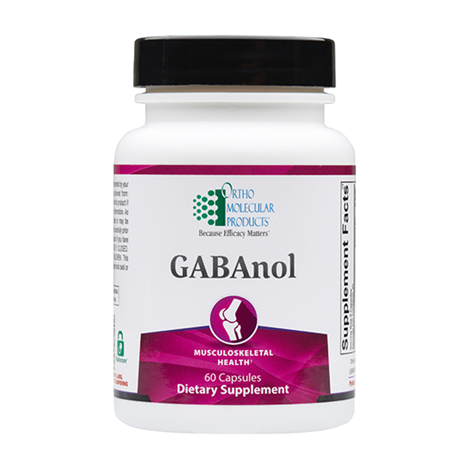
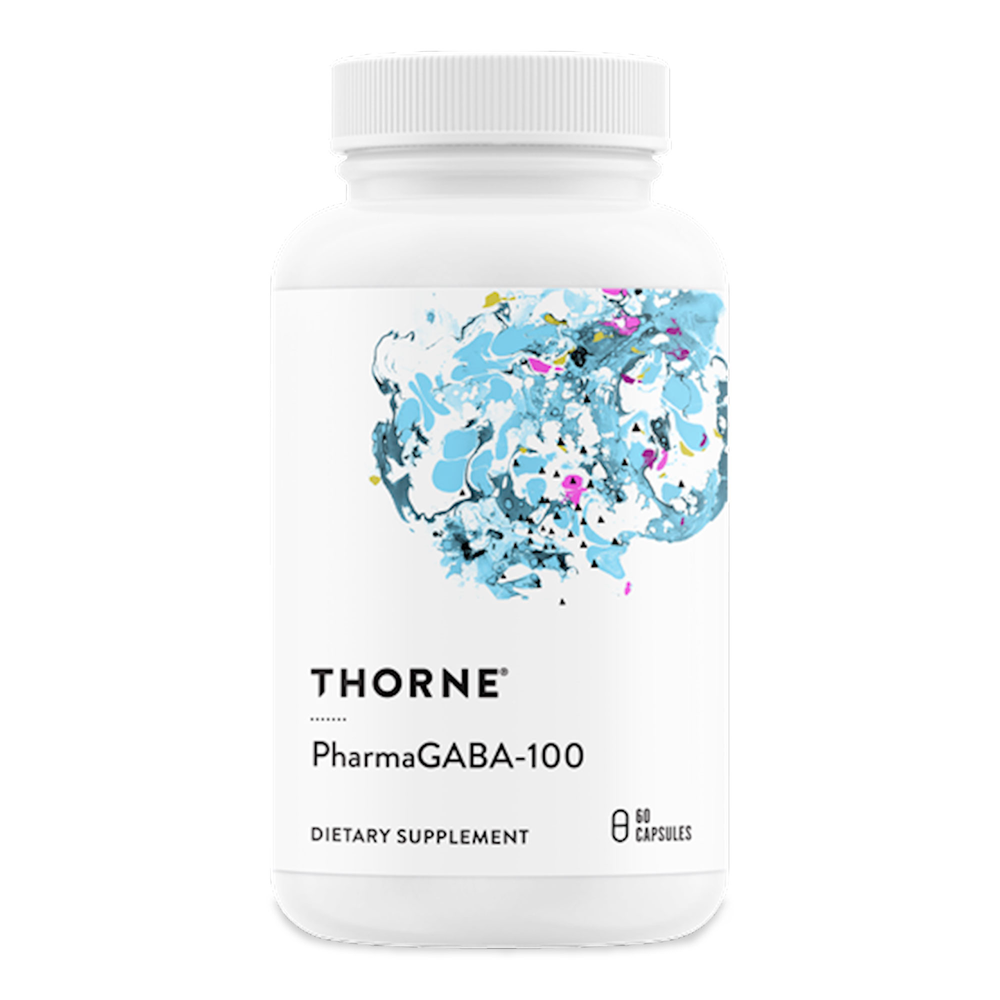
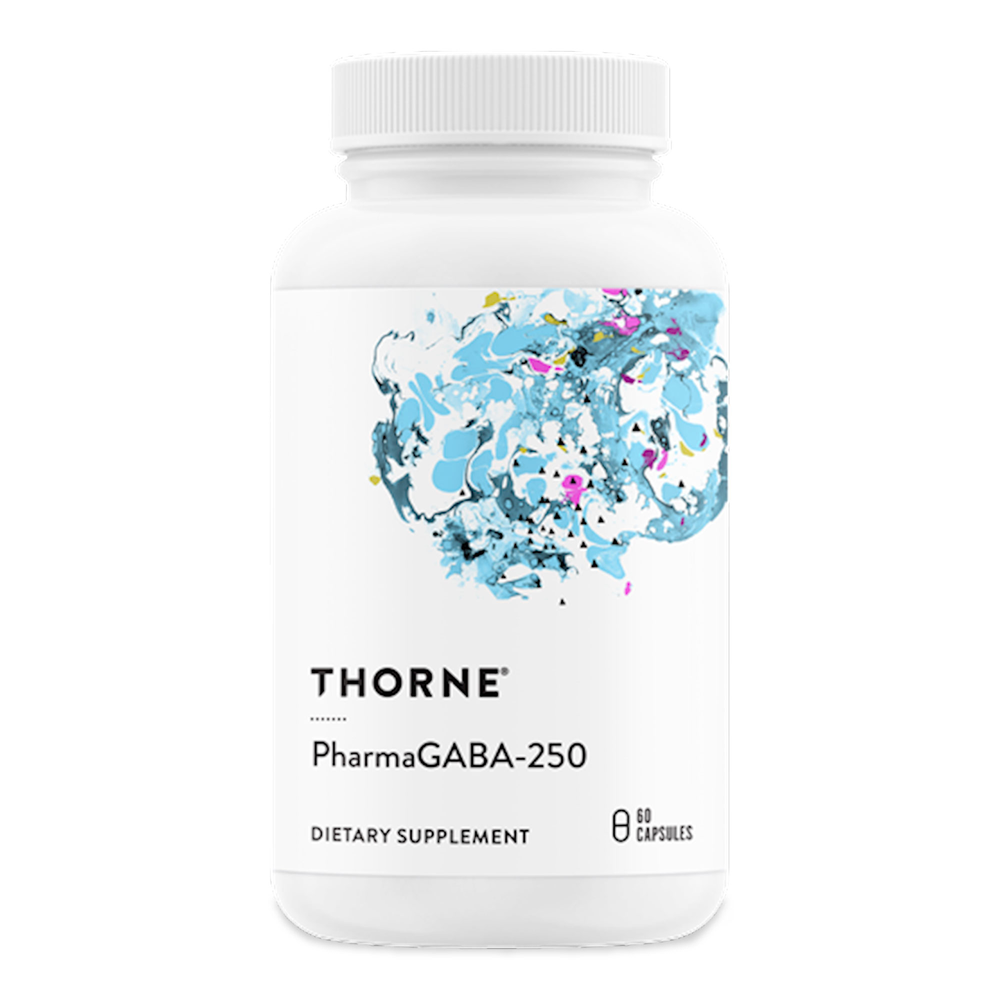
See if it's actually working
Oral GABA crosses into the brain poorly and no blood level tracks the effect, so sleep latency and daytime anxiety are the endpoints; cortisol is context, not proof.
GABA FAQs
What does GABA do?
GABA is the brain's main inhibitory neurotransmitter, slowing nerve activity to produce a calming effect. People take it to support relaxation, sleep onset, and stress recovery.
Does oral GABA cross the blood-brain barrier?
It's debated. Some research shows minimal CNS penetration, but other studies show measurable effects on relaxation and EEG patterns, possibly via the enteric nervous system. Most users report a calming effect, especially with PharmaGABA (a fermented form).
How much GABA should I take?
100–500 mg, taken 30–60 minutes before bed or during stress. Some people start lower at 100 mg. Avoid combining with alcohol or sedatives.
PharmaGABA vs. synthetic GABA — what's the difference?
PharmaGABA is produced via fermentation by Lactobacillus hilgardii and shows more consistent effects on relaxation in human trials. Synthetic GABA is chemically identical but research suggests it absorbs differently. PharmaGABA is the form most clinical studies use.
GABA vs. L-theanine — which should I take?
L-theanine reliably crosses the blood-brain barrier and increases alpha brain waves for calm focus without sedation. GABA's CNS penetration is debated but it produces stronger sedative effects when it works. Many people use L-theanine during the day and GABA before bed.
Will GABA make me drowsy during the day?
It can, especially at higher doses. For daytime stress relief, start at 100 mg and see how you feel. If you notice drowsiness, switch to L-theanine (200 mg) for daytime and reserve GABA for evening use.
How long until GABA works?
Acute effects (relaxation, easier sleep onset) appear within 30–60 minutes. There's no meaningful build-up effect — it's used as needed rather than daily for accumulation. If you're not feeling effects after several tries, the form or dose may not be right for you.
Are there foods that boost GABA?
Fermented foods (kimchi, yogurt, miso, kefir), green and oolong tea, and tomatoes contain modest amounts. Fermented foods also contain bacteria that produce GABA in the gut. Magnesium and B6 are cofactors for endogenous GABA synthesis.
Is GABA safe long-term?
Generally yes. Unlike benzodiazepines, GABA supplements don't cause receptor downregulation, dependence, or withdrawal at typical doses. Avoid combining with alcohol, sedatives, or benzodiazepines, and don't drive after taking a sedating dose.
Is GABA safe during pregnancy?
There's not enough safety data for pregnant or breastfeeding women, so most clinicians advise against it. Magnesium glycinate, L-theanine, and ashwagandha (with provider approval) have more pregnancy-relevant evidence for stress and sleep.