 Instalab
Glucosamine
Glucosamine supports joint cartilage and comfort.
Our vetting standard
Every glucosamine formula here clears the same bar.
- Clinically studied, effective doses
- Bioavailable, well-absorbed forms
- Practitioner-grade, trusted brands
- Third-party tested for identity and potency
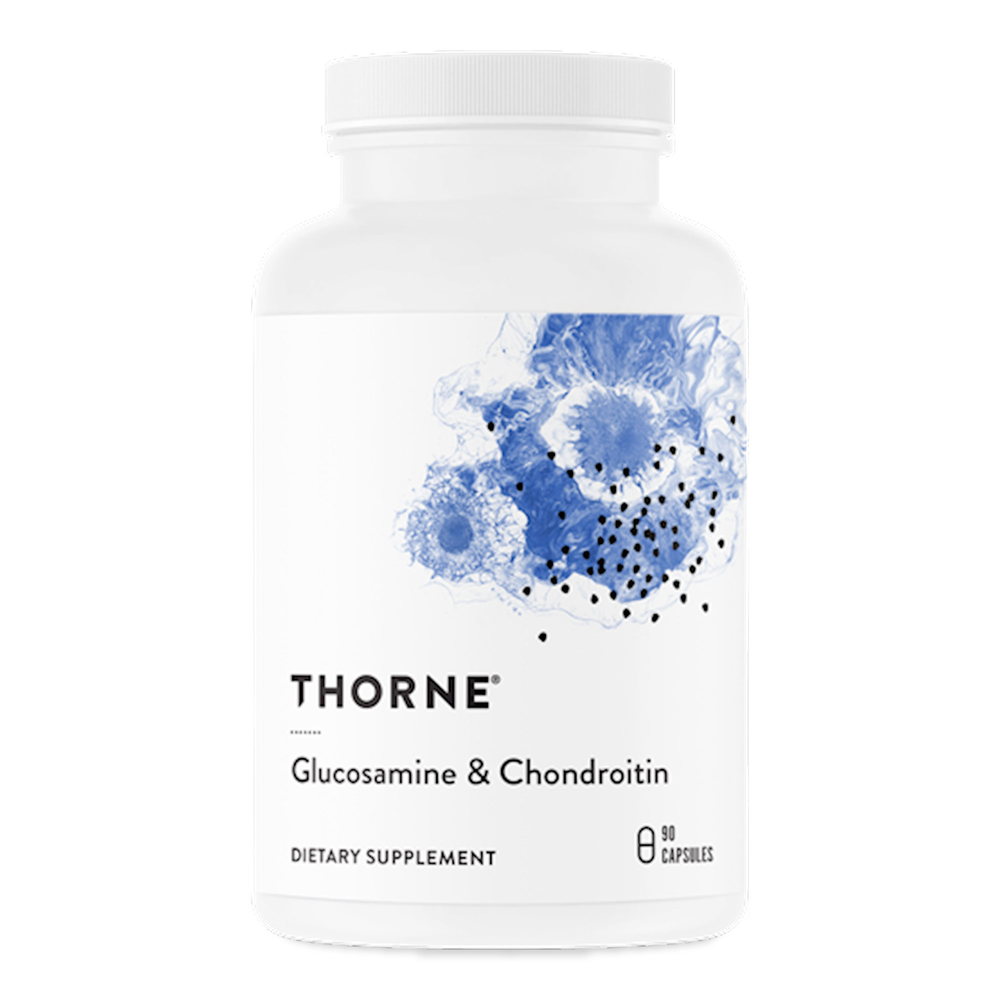
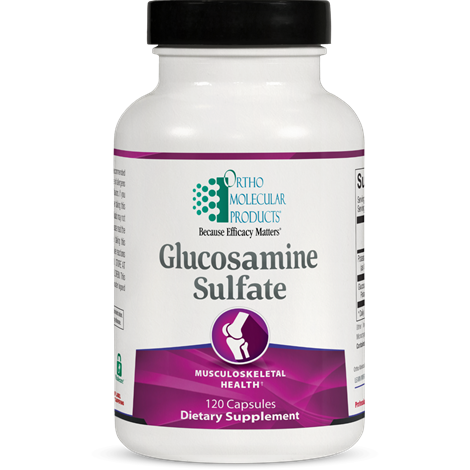
See if it's actually working
Joint pain and function over six months are the endpoint; glucose is on the draw because glucosamine can nudge it up in people who are already insulin resistant.
Glucosamine FAQs
Does glucosamine help joint pain?
Mixed evidence. Glucosamine sulfate (1,500 mg/day) has shown modest benefits for knee osteoarthritis pain and slowing cartilage loss in some studies, especially over 6+ months. Glucosamine hydrochloride has weaker evidence.
Should I take glucosamine alone or with chondroitin?
Some studies show better outcomes when paired with chondroitin (1,200 mg/day) and MSM. Combination products are common and may work better than glucosamine alone, particularly for people with moderate-to-severe knee OA.
Glucosamine sulfate vs. glucosamine HCl — which is better?
Glucosamine sulfate has stronger evidence for joint pain reduction, likely because the sulfate ion itself supports cartilage. Glucosamine HCl has higher percent glucosamine per mg but weaker outcome data. If the price is comparable, go with sulfate.
Is glucosamine safe if I'm allergic to shellfish?
Most glucosamine is derived from shellfish exoskeletons, but the protein responsible for shellfish allergy isn't in the final product. Studies show no allergic reactions in shellfish-allergic people. If concerned, choose a vegetarian glucosamine made from corn fermentation.
Can I take glucosamine with diabetes?
Older concerns about glucosamine raising blood sugar haven't held up in larger studies — it's safe at typical doses for people with diabetes. Monitor your glucose during the first month if you want to be careful, but routine adjustments aren't usually needed.
Does glucosamine interact with blood thinners?
Yes, mildly. Glucosamine combined with warfarin has been reported to increase INR and bleeding risk. If you're on warfarin, talk to your doctor before starting. With aspirin or DOACs the risk is lower but still worth mentioning to your prescriber.
What helps joints besides glucosamine?
Collagen peptides (10 g/day), omega-3 fish oil (2–3 g EPA/DHA), curcumin, MSM, and Boswellia all have evidence for joint comfort. Strength training and weight management have larger effects on knee OA than any single supplement.