 Instalab
Hair Skin Nails Support
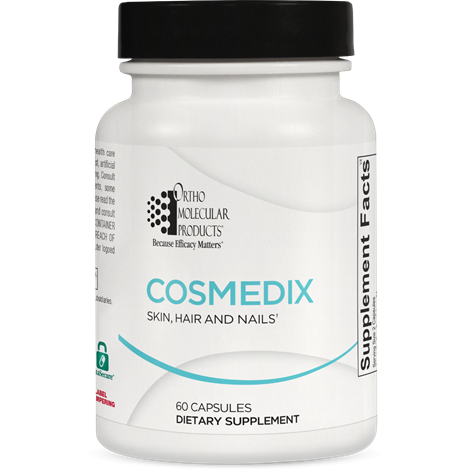
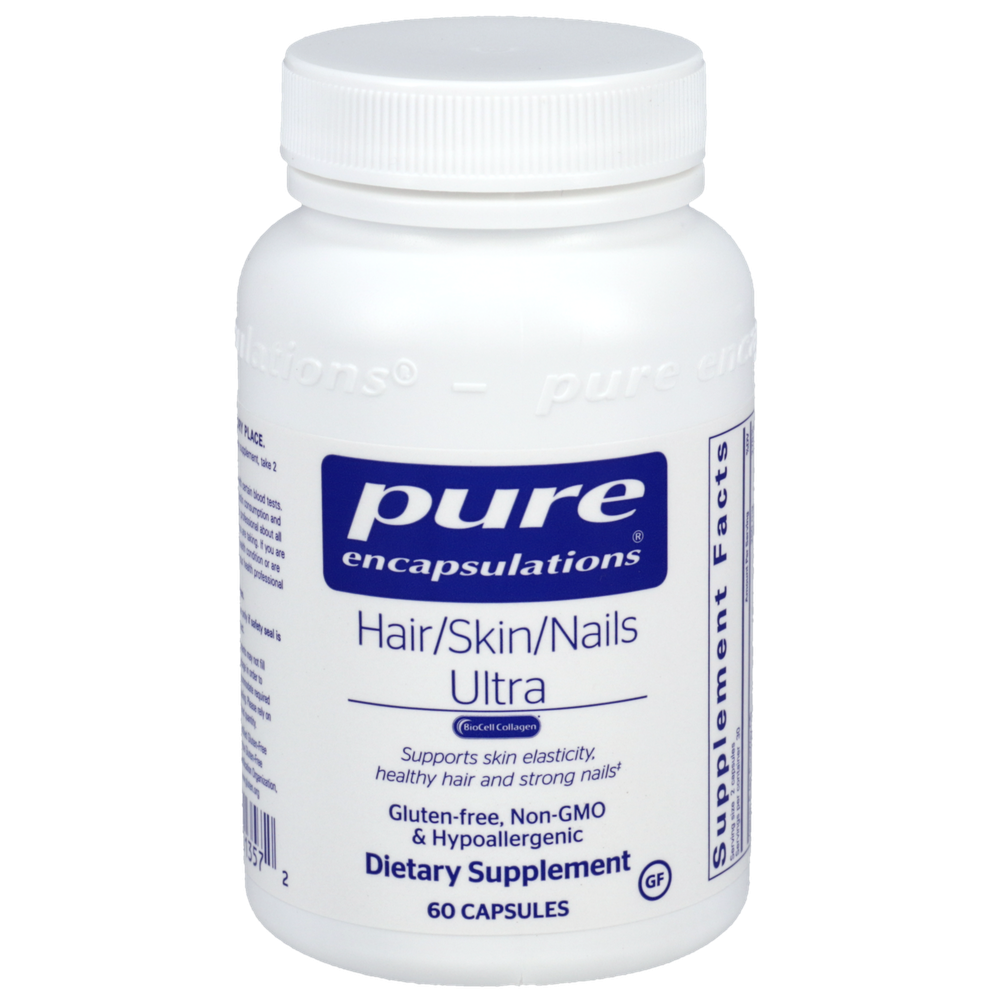
Hair, skin, and nails formulas combine biotin, collagen, silica, and zinc for visible support.
Our vetting standard
Every hair skin nails support formula here clears the same bar.
- Clinically studied, effective doses
- Bioavailable, well-absorbed forms
- Practitioner-grade, trusted brands
- Third-party tested for identity and potency
See if it's actually working
Hair grows on a months-long cycle, so six months is the earliest fair retest; ferritin above 50 is usually the single most important number on this list.
Hair Skin Nails Support FAQs
What's in a hair, skin, and nails supplement?
Common ingredients include biotin, collagen peptides, silica (often from horsetail or bamboo), zinc, vitamin C, vitamin E, and amino acids like L-lysine. Each addresses a different pathway in keratin and collagen production.
What if my hair issues don't improve?
Rule out underlying causes: iron deficiency (especially low ferritin), thyroid issues, low vitamin D, low B12, hormonal imbalances, or scalp conditions. A blood panel is more useful than a stronger supplement.
Does biotin really work for hair growth?
Only if you're deficient. True biotin deficiency is rare and causes brittle hair and nails — supplementing fixes it. For people with normal biotin levels, mega-doses don't speed hair growth despite marketing claims. The 5,000–10,000 mcg in many products is far above need.
Will biotin affect my lab tests?
Yes — high-dose biotin (over 5,000 mcg/day) interferes with many immunoassays, including TSH, troponin, and pregnancy tests, sometimes causing false results. Stop biotin at least 72 hours (ideally a week) before any blood test.
Collagen vs. biotin — which is more effective?
Collagen has stronger evidence. Hydrolyzed collagen peptides (10–15 g/day) improve skin elasticity, hydration, and nail growth in placebo-controlled trials. Biotin's hair benefits are mostly observed in people who were deficient. Many quality formulas now lead with collagen.
What foods support hair, skin, and nails?
Eggs (biotin, choline, protein), salmon (omega-3, vitamin D), bone broth or chicken with skin (collagen), citrus and berries (vitamin C), oysters and pumpkin seeds (zinc), spinach (iron, folate), and nuts (vitamin E, selenium). A nutrient-dense diet beats most supplements.
Can these supplements cause acne or breakouts?
Possibly. High-dose biotin can crowd out pantothenic acid (B5), and some people report breakouts. Whey-based collagen alternatives can also trigger acne. If you notice breakouts, lower the dose or switch products.