 Instalab
Histamine Support
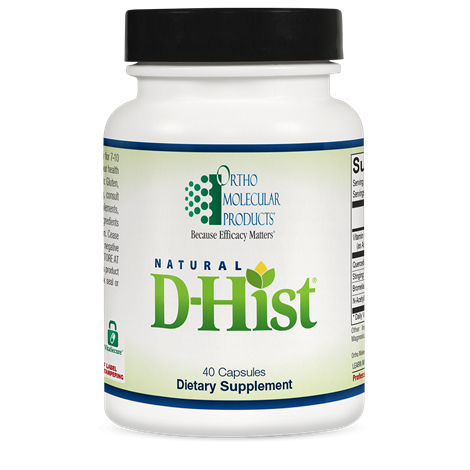
Histamine support formulas use quercetin, DAO enzyme, and vitamin C to help histamine balance.
Our vetting standard
Every histamine support formula here clears the same bar.
- Clinically studied, effective doses
- Bioavailable, well-absorbed forms
- Practitioner-grade, trusted brands
- Third-party tested for identity and potency
See if it's actually working
Symptom response is the endpoint: serum DAO and DAO-to-histamine ratios are not validated to diagnose histamine intolerance or to dose it, so these are here to rule out mast cell disease and atopy instead.
Histamine Support FAQs
What is histamine support for?
People with histamine intolerance, mast cell activation, or seasonal allergies often supplement with quercetin (a natural mast cell stabilizer), DAO (the enzyme that breaks down histamine in the gut), vitamin C (cofactor for histamine degradation), and bromelain.
When should I take DAO?
15–20 minutes before meals containing histamine-rich foods (aged cheese, fermented foods, leftovers, alcohol). DAO works in the gut and doesn't need to be absorbed systemically.
Will histamine support replace antihistamines?
Often it complements, not replaces. People with severe symptoms may still need pharmaceutical antihistamines, but supplements can reduce flares and lower the dose needed. Discuss with your clinician.
What are signs of histamine intolerance?
Recurring flushing, itching, hives, headaches, nasal congestion, GI upset, palpitations, or anxiety after eating histamine-rich foods (aged cheese, wine, leftovers, fermented foods, tomatoes, citrus). Symptoms often improve on a low-histamine diet.
Quercetin vs. DAO — which should I start with?
DAO if symptoms are tied to specific meals (post-meal flushing, headaches after wine). Quercetin if symptoms are systemic and ongoing (chronic congestion, hives, allergies). Many people use both — DAO before triggering meals, quercetin daily for baseline mast cell stabilization.
What foods are high in histamine?
Aged cheeses, cured meats, fermented foods (sauerkraut, kombucha, kimchi), wine and beer, leftovers (histamine builds with time), tomatoes, citrus, vinegar, smoked fish, and shellfish. Fresh, freshly cooked foods are typically low-histamine.
Can low DAO be tested?
Yes, blood DAO activity tests are available, though clinical correlation isn't perfect. Many functional medicine practitioners diagnose by symptom pattern and response to a 4-week low-histamine trial. Genetic testing can also identify AOC1 variants linked to lower DAO production.