 Instalab
Hormone Balance
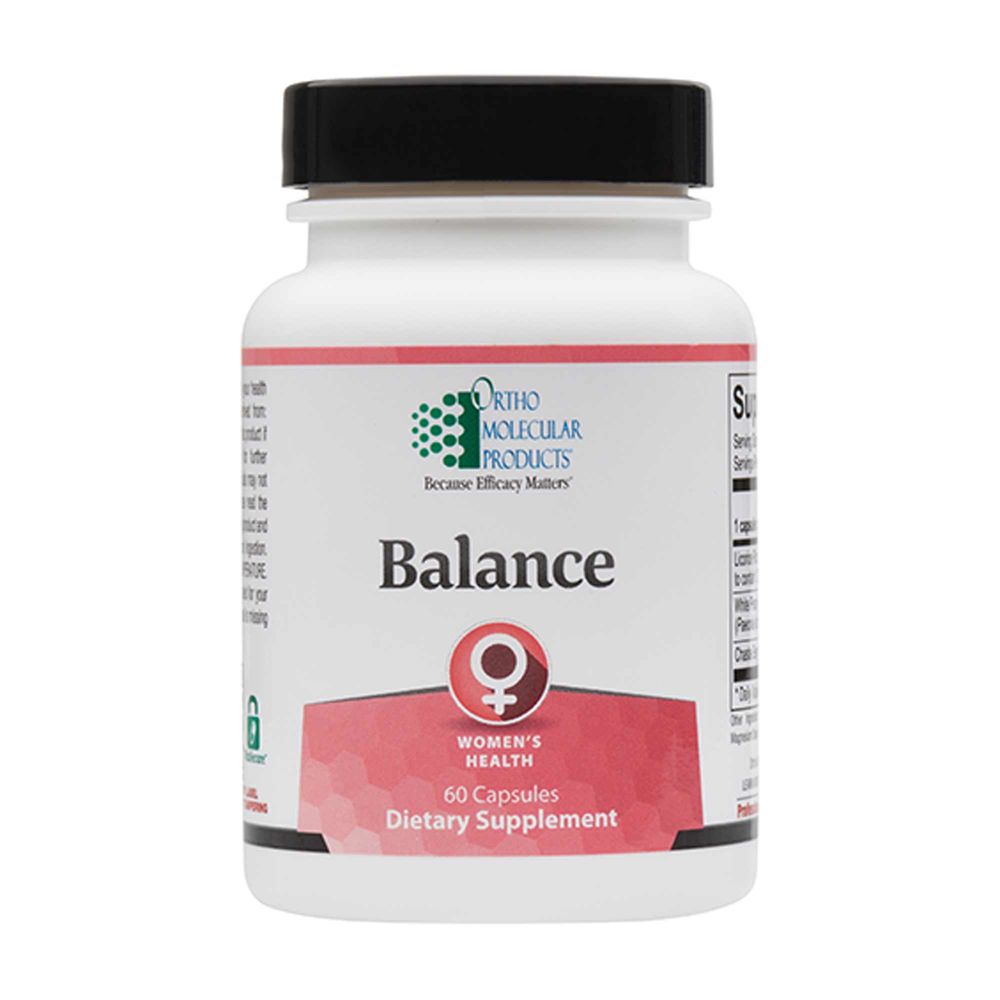
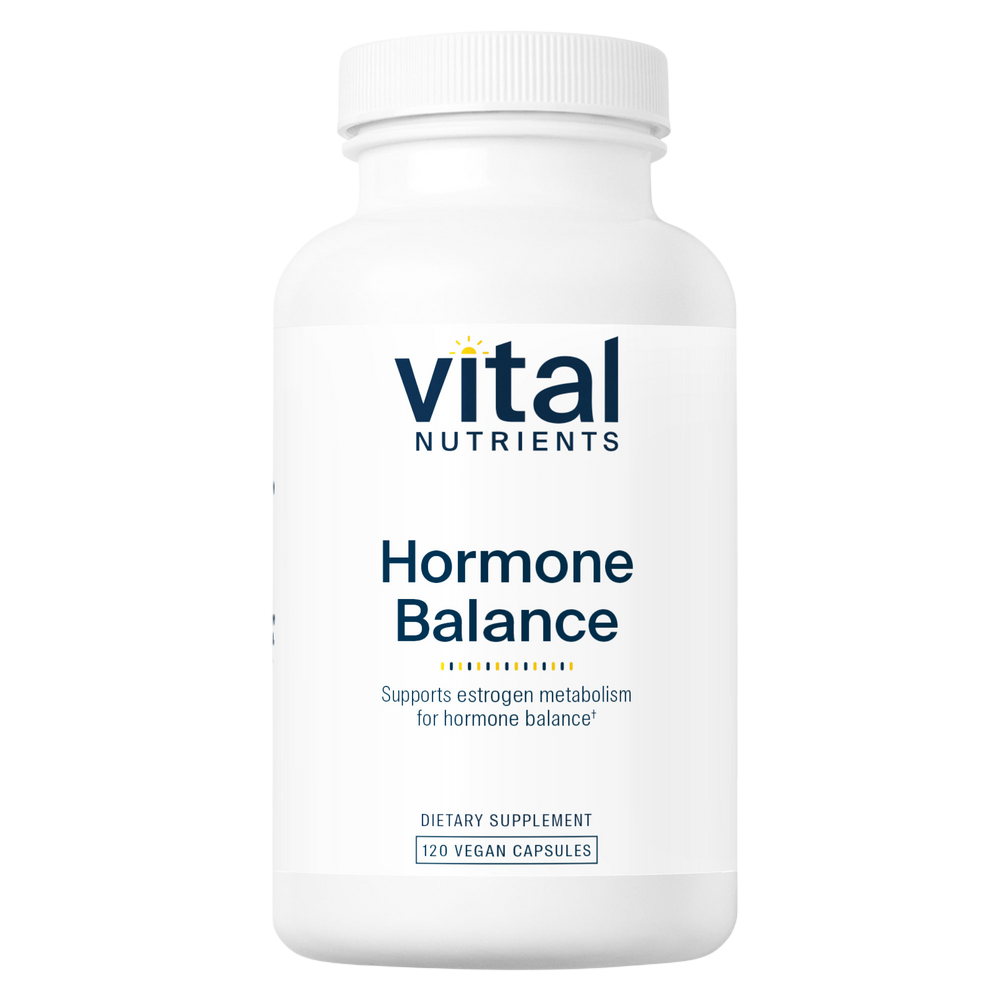
Hormone balance formulas combine adaptogens, DIM, and targeted nutrients to support cycle and hormonal health.
Our vetting standard
Every hormone balance formula here clears the same bar.
- Clinically studied, effective doses
- Bioavailable, well-absorbed forms
- Practitioner-grade, trusted brands
- Third-party tested for identity and potency
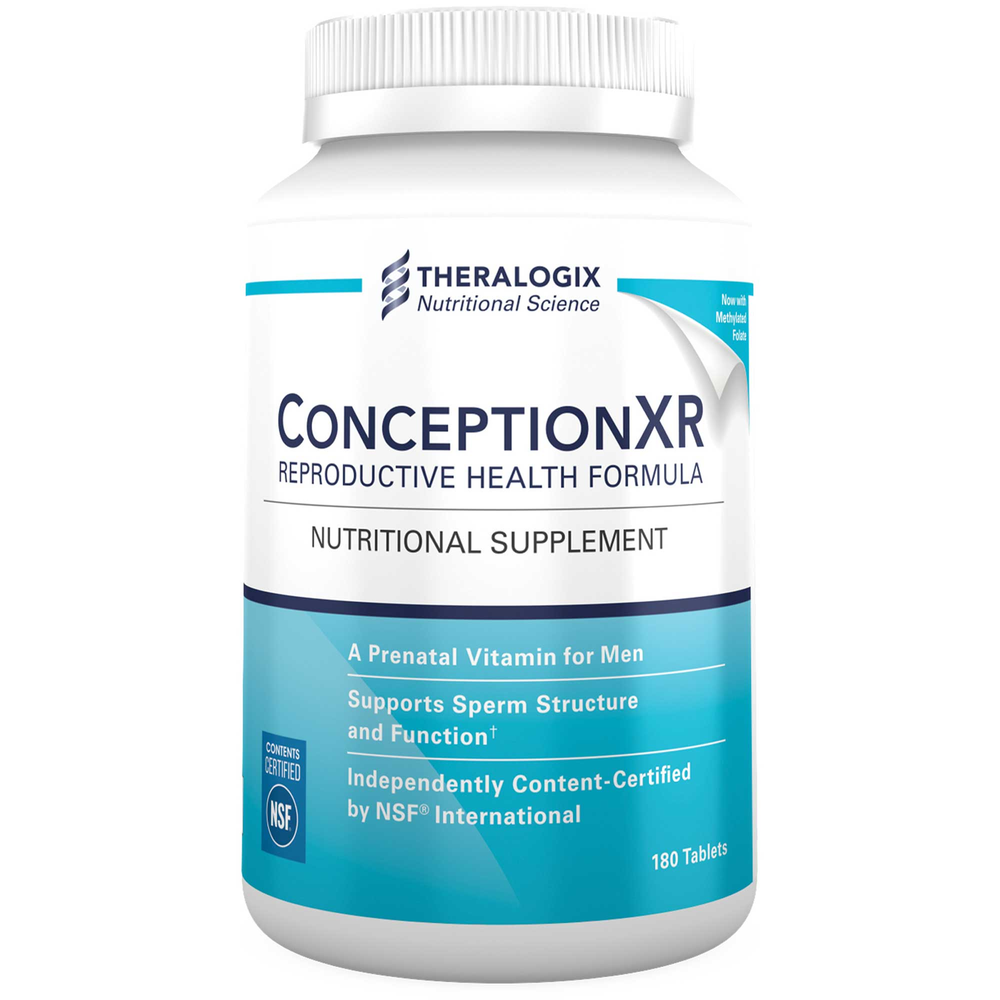
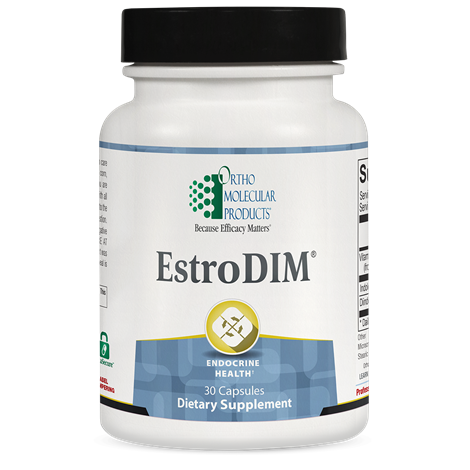
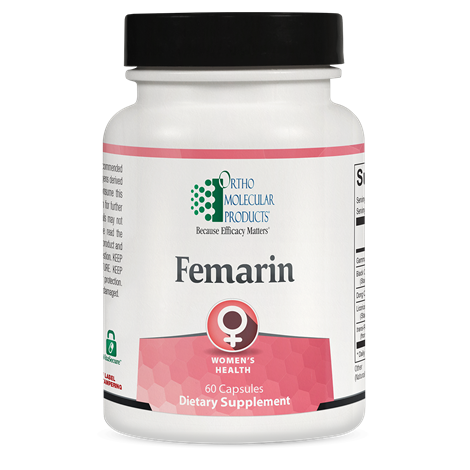
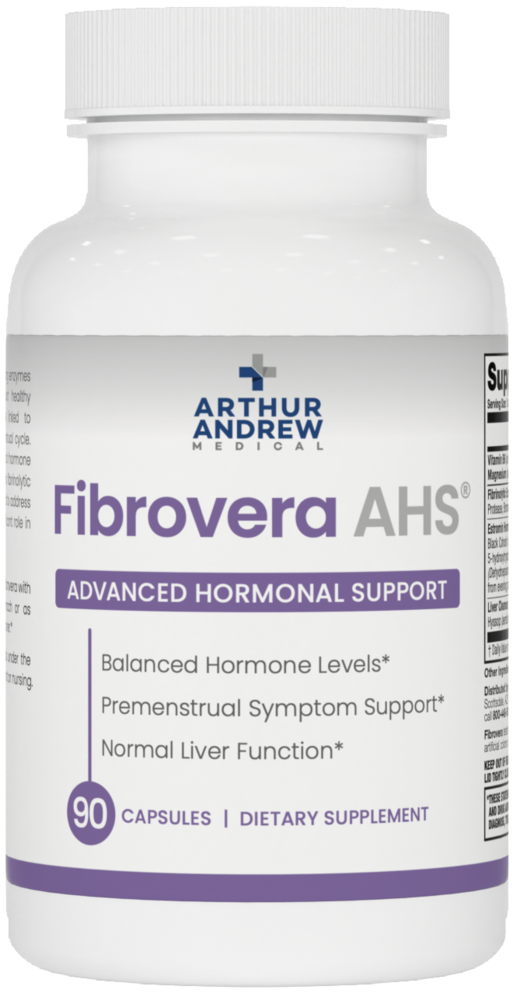
See if it's actually working
If you cycle, draw the retest in the same cycle phase as the baseline; comparing a luteal draw to a follicular one tells you about timing, not about the supplement.
Hormone Balance FAQs
What's typically in a hormone balance formula?
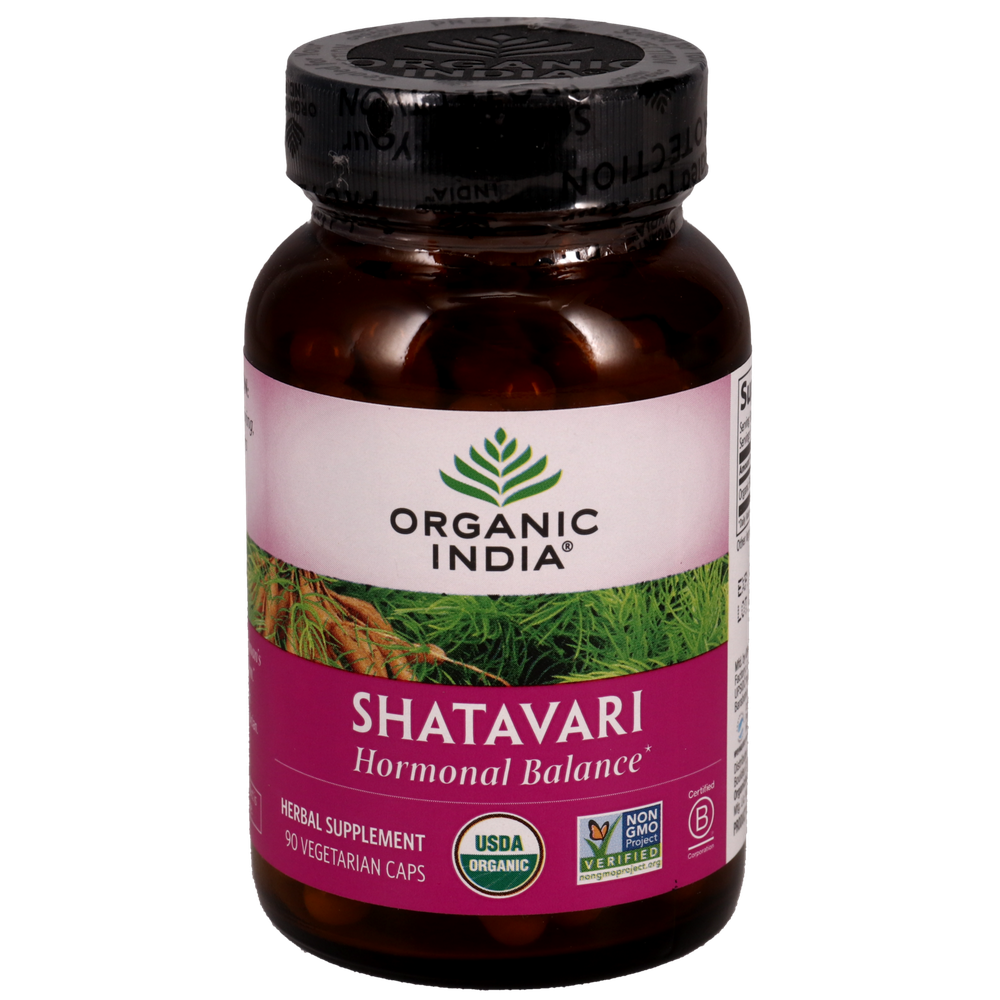
Common ingredients include DIM (estrogen metabolism), vitex/chasteberry (cycle regularity), magnesium and B6 (PMS support), maca (libido), and ashwagandha (stress resilience). The right blend depends on whether you're addressing PMS, perimenopause, or PCOS.
How long does hormonal rebalancing take?
Hormones shift over cycles, not days. Plan for 3 full cycles (about 90 days) before evaluating. For perimenopause, 6 months is more realistic. Track symptoms in a journal so you can see real change versus day-to-day variation.
Should I check hormone labs first?
Yes, when possible. A baseline panel (estradiol, progesterone, testosterone, DHEA-S, thyroid, cortisol) helps tailor support and avoid making the wrong move (e.g., lowering already-low estrogen). Functional approaches benefit from data.
Will hormone balance supplements help with PMS?
Yes, especially formulas containing magnesium, B6, vitex, and calcium. Studies show 30–50% reductions in PMS symptom severity over 3 cycles. Cycle-syncing supplementation (luteal-phase magnesium and B6) often works better than constant dosing.
Can these formulas help with perimenopause?
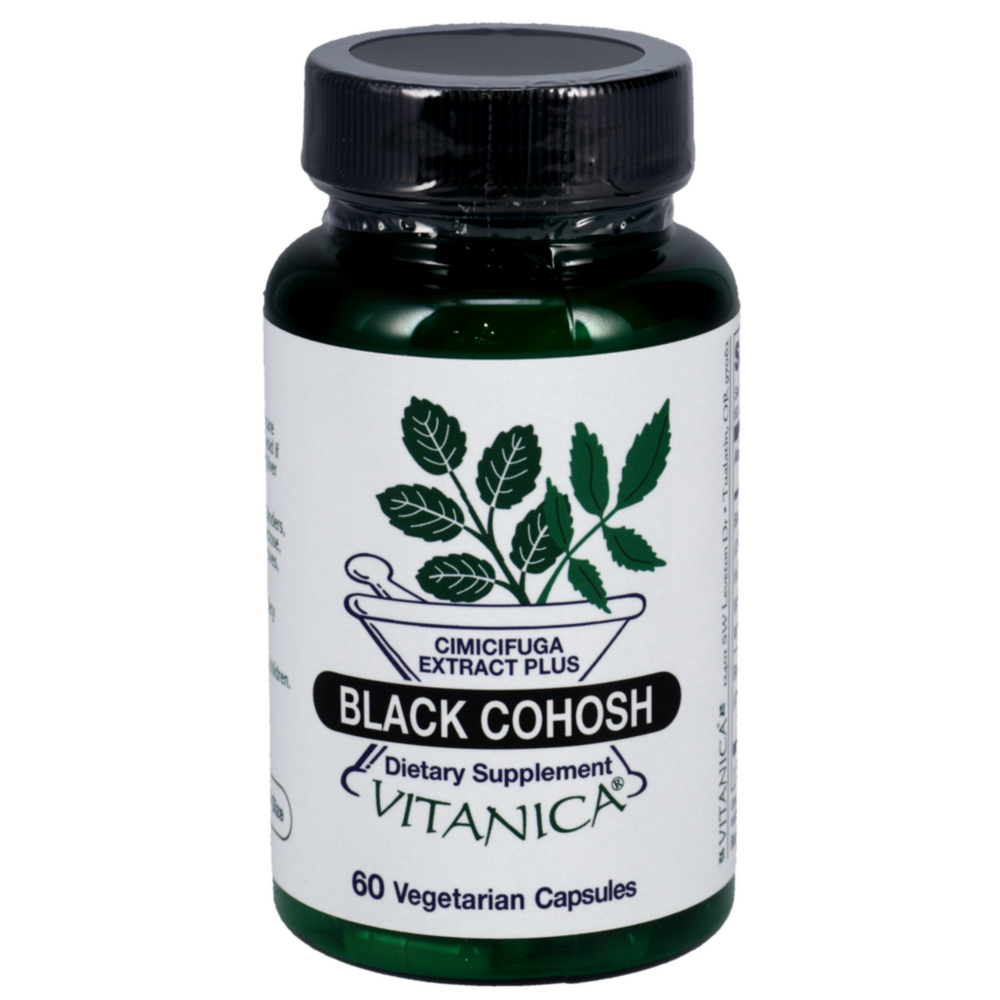
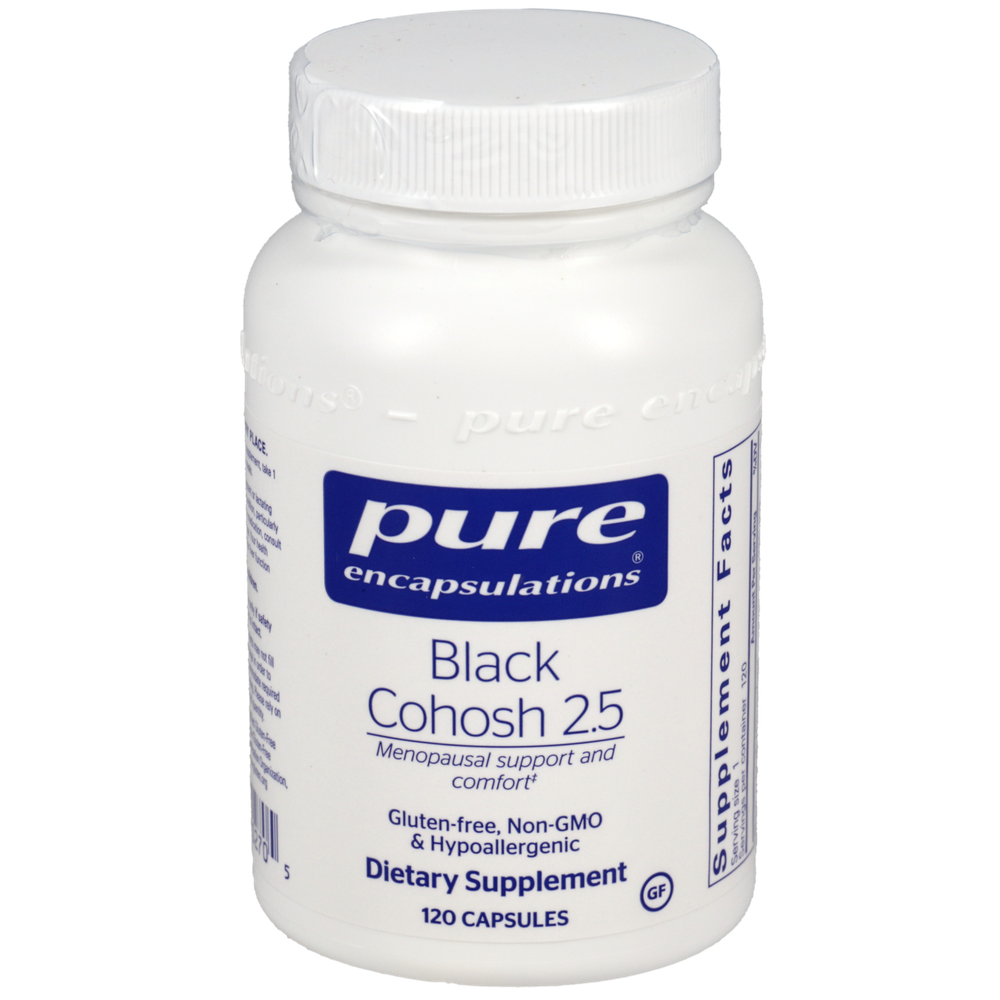
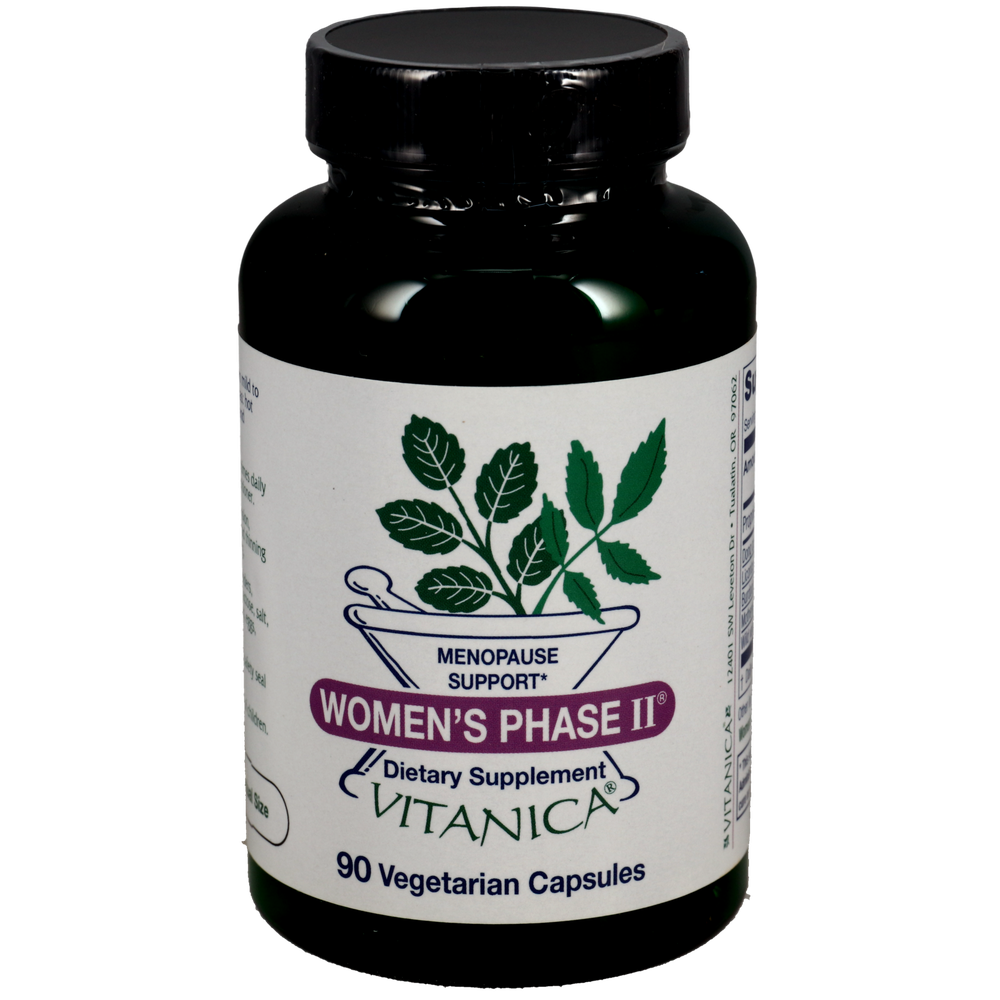
Many can. Black cohosh, ashwagandha, maca, and rhapontic rhubarb have evidence for hot flashes, mood, and sleep during perimenopause. Effects build over 8–12 weeks. They don't replace HRT for severe symptoms but can be effective for mild-to-moderate ones.
Are hormone balance supplements safe with birth control?
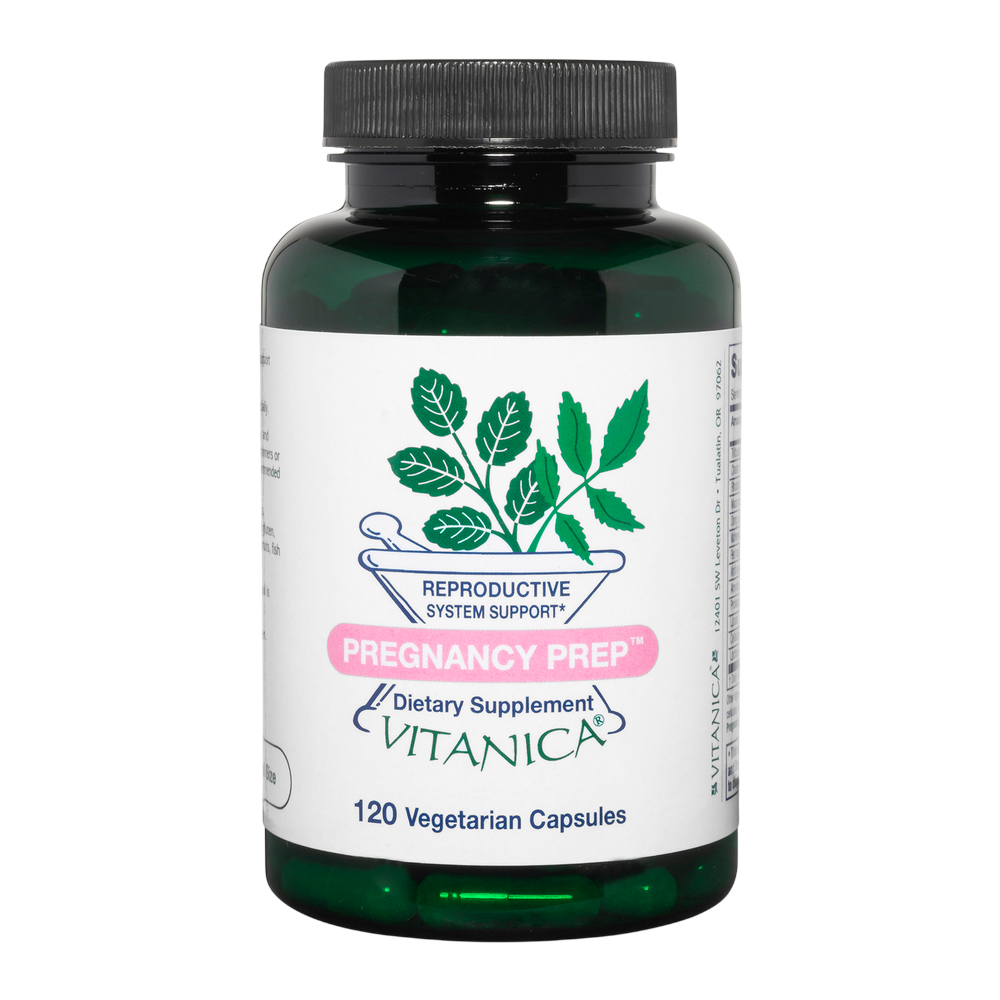
Vitex (chasteberry) can interfere with hormonal birth control by affecting prolactin and pituitary signaling. DIM is generally compatible. If you're on the pill, IUD with hormones, or trying to get pregnant, vet specific ingredients with your provider.
Will DIM lower estrogen?
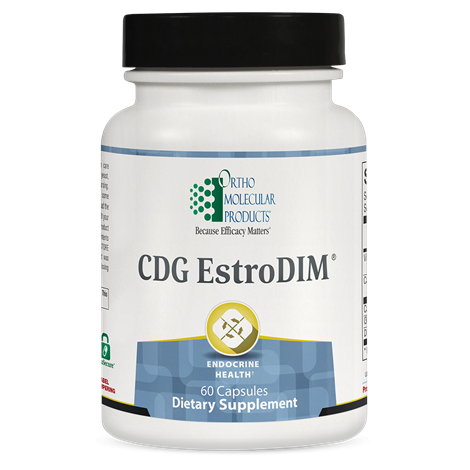
DIM doesn't lower total estrogen — it shifts metabolism toward 2-hydroxyestrone (the 'good' metabolite) and away from 16-alpha-hydroxyestrone (linked to estrogen-driven conditions). It's used for symptoms of estrogen dominance, not estrogen deficiency.
Can men take hormone balance formulas?
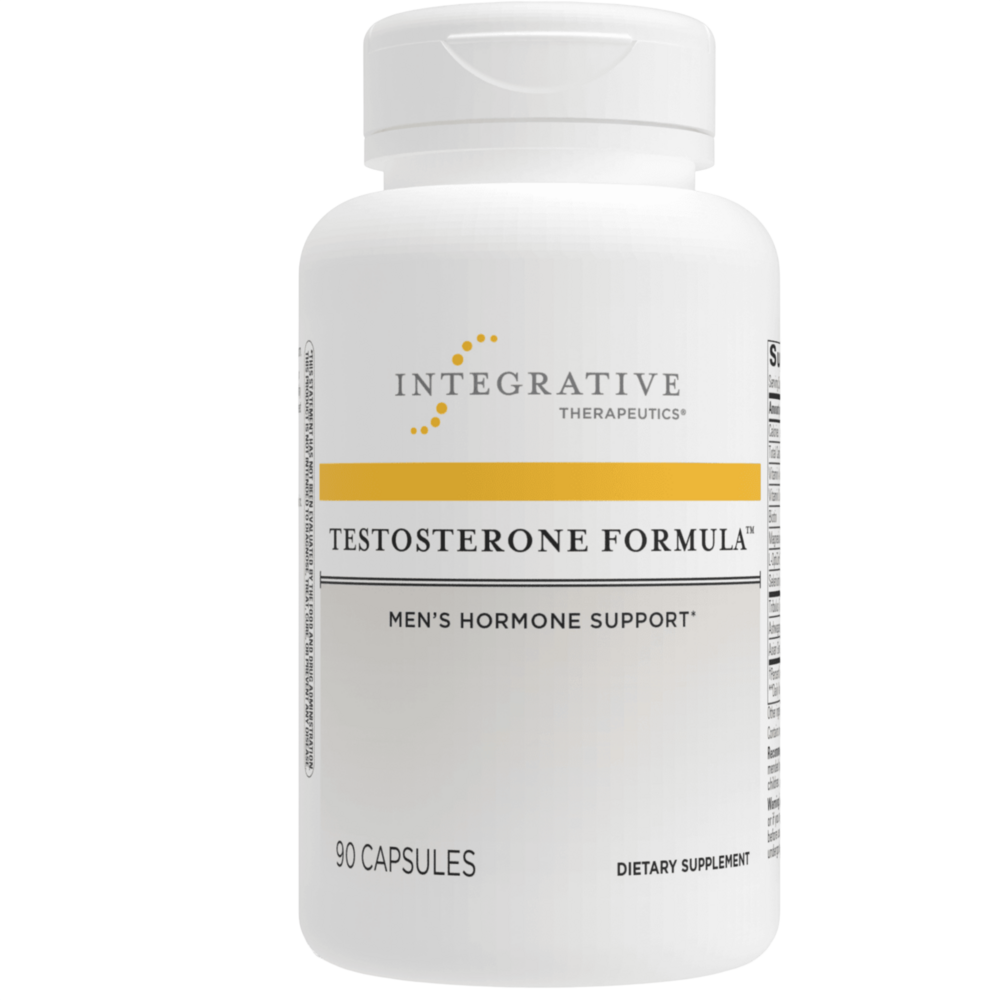
Some yes, some no. DIM, ashwagandha, and zinc support male hormones. Vitex, black cohosh, and many female-specific blends aren't appropriate. Look for men's hormone support formulas if you're male — they target testosterone and estrogen metabolism differently.