 Instalab
Immune Support
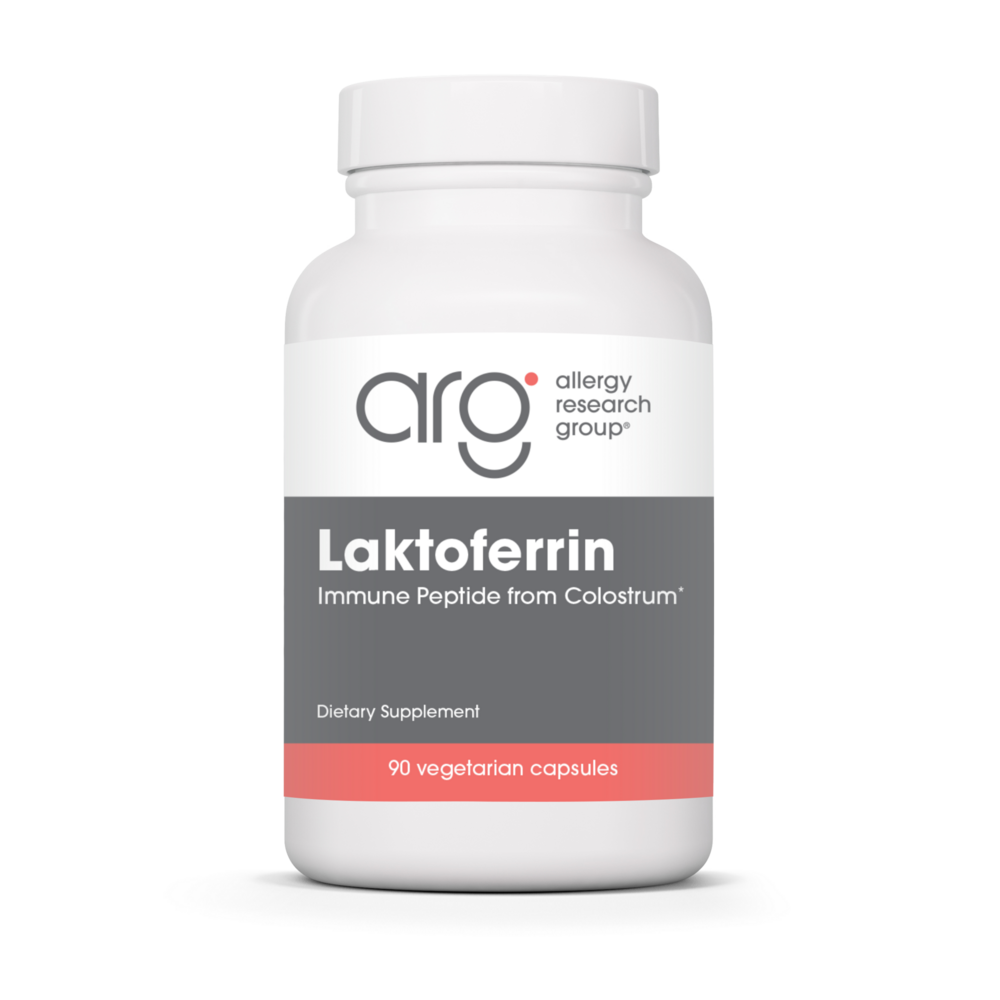
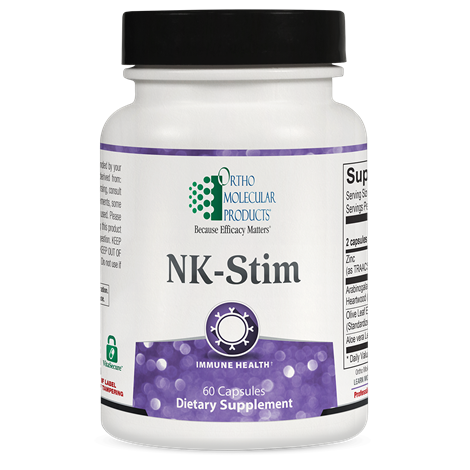
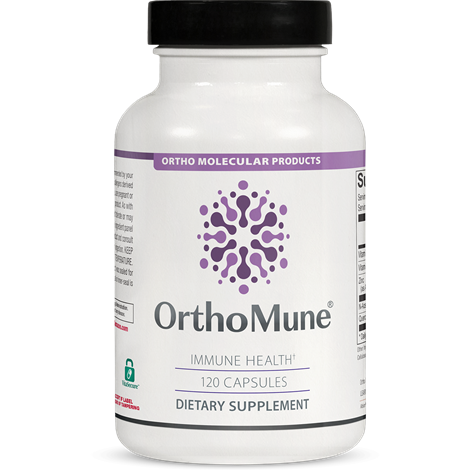
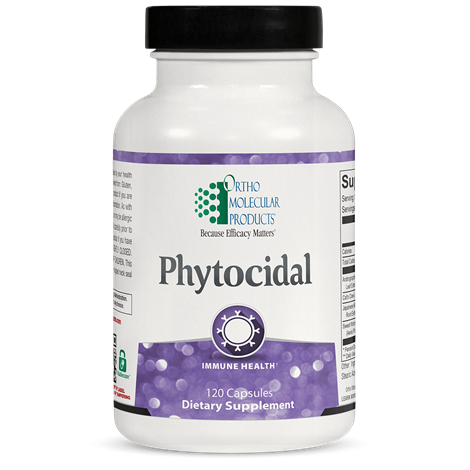
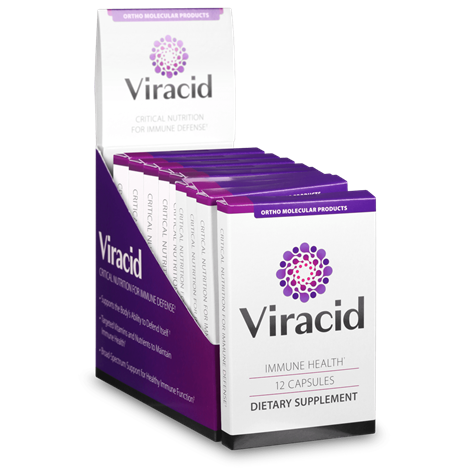
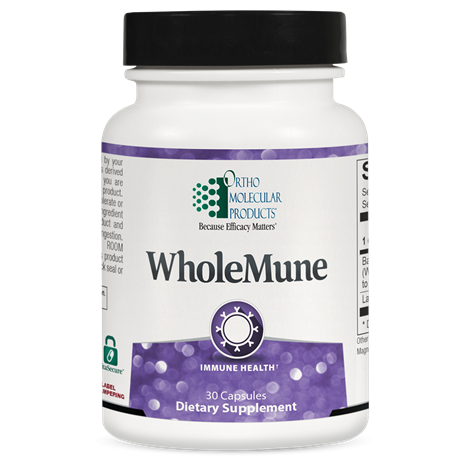
Immune support formulas combine vitamin C, vitamin D, zinc, and elderberry for resilience.
Our vetting standard
Every immune support formula here clears the same bar.
- Clinically studied, effective doses
- Bioavailable, well-absorbed forms
- Practitioner-grade, trusted brands
- Third-party tested for identity and potency
See if it's actually working
Vitamin D and zinc back in range is the mechanism; fewer and shorter infections over a season is the outcome the retest cannot show you.
Immune Support FAQs
What should an immune support supplement include?
The well-supported core: vitamin C (500–1,000 mg), vitamin D3 (1,000–2,000 IU or higher if deficient), zinc (15–30 mg), and selenium. Optional adds with evidence: elderberry, echinacea (acute use), beta-glucans, mushroom extracts, and quercetin.
Should I take immune support daily or only when sick?
Foundational nutrients (vitamin D, zinc, vitamin C) are reasonable daily, especially in winter. Acute-use ingredients (elderberry, high-dose vitamin C, andrographis) work best during the first 24–48 hours of symptoms.
What labs help guide immune supplementation?
Vitamin D, zinc/copper ratio, ferritin, and basic CBC. Optimizing vitamin D to 40–60 ng/mL has the most consistent immune benefit, and most adults are below that range without supplementation.
Does vitamin C really prevent colds?
Daily vitamin C doesn't prevent colds in the general population, but it modestly reduces duration (about 8% in adults, 14% in children). For physically stressed populations (athletes, soldiers), prophylactic vitamin C cuts cold incidence in half. High-dose at first symptoms may shorten illness.
How much zinc helps fight off a cold?
75 mg/day of zinc lozenges (zinc acetate or zinc gluconate) started within 24 hours of symptoms can shorten cold duration by 1–2 days. Don't exceed this for more than a week — long-term high-dose zinc depletes copper.
Elderberry vs. echinacea — which works better?
Both have evidence, but for different uses. Elderberry shortens flu duration when started within 48 hours of symptoms (about 3–4 days reduction). Echinacea is better for cold prevention and shortening cold duration. Many products combine both.
Can I overdo immune supplements?
Yes. Long-term high-dose zinc (over 40 mg/day) depletes copper. Excess vitamin A (above 10,000 IU) is toxic. Echinacea isn't meant for daily long-term use. Mega-dose vitamin C above 2,000 mg can cause GI upset and kidney stones in susceptible people.
Are immune supplements safe with autoimmune conditions?
Be careful. Echinacea, elderberry, mushroom extracts, and other immune stimulators can theoretically activate autoimmune flares. Vitamin D, zinc, and selenium are generally fine and often beneficial. Talk to your rheumatologist before starting immune-stimulating herbs.
What's the best immune support during pregnancy?
Vitamin D (1,000–4,000 IU as needed), vitamin C (up to 2,000 mg), and zinc (within prenatal limits) are all safe and well-studied. Avoid echinacea, elderberry (limited data), and high-dose vitamin A. Sleep and hand hygiene matter more than any supplement.