 Instalab
Immunoglobulins
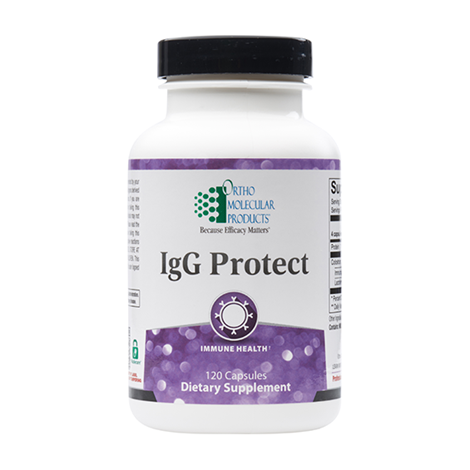
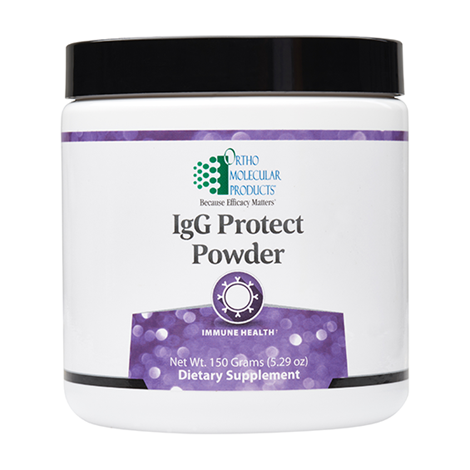
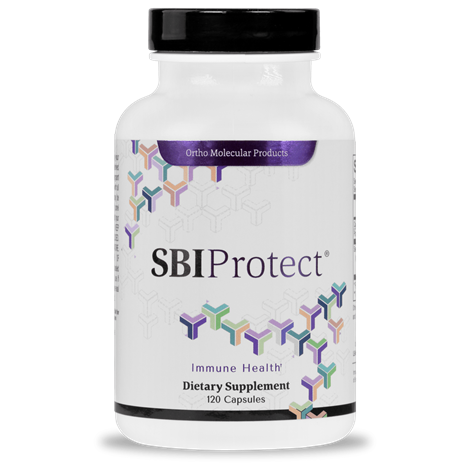
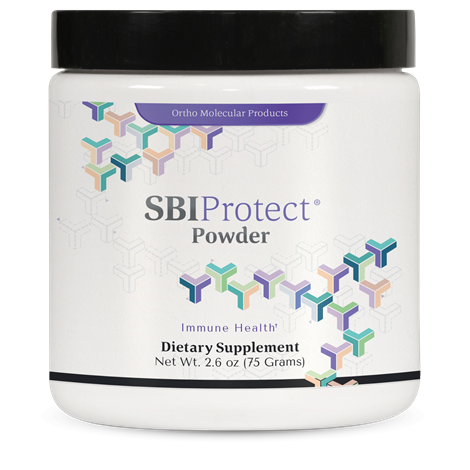
Bovine serum-derived immunoglobulins (IgG) support gut immunity and barrier function.
Our vetting standard
Every immunoglobulins formula here clears the same bar.
- Clinically studied, effective doses
- Bioavailable, well-absorbed forms
- Practitioner-grade, trusted brands
- Third-party tested for identity and potency
See if it's actually working
These act in the gut lumen, so serum immunoglobulins will not move and should not be expected to; calprotectin and stool frequency are the readout, with serum IgA there to catch a deficiency.
Immunoglobulins FAQs
What are immunoglobulin supplements?
Serum-derived bovine immunoglobulins (SBI) provide concentrated IgG antibodies that bind pathogens, toxins, and antigens in the gut. They help reduce inflammation and support the gut barrier without altering microbiome composition.
Who might benefit?
People with chronic gut symptoms (IBS-D, IBD, post-infectious gut issues), food sensitivities, or compromised barrier function. Studies show benefit for diarrhea-predominant IBS and HIV-associated enteropathy.
Immunoglobulins vs. colostrum — what's the difference?
Both contain IgG, but colostrum is from cow first-milk and includes growth factors and other bioactives at lower IgG concentration. SBI products are concentrated to about 50% IgG. Colostrum is broader-spectrum and gentler; SBI is more targeted and higher dose. They can be used together.
Will SBI help with food sensitivities?
Often yes. By binding antigens before they reach immune cells in the gut, SBI can reduce reactive symptoms. Studies and clinical reports show improvements in IBS-D, food-triggered fatigue, and brain fog. It works best alongside elimination of identified triggers.
How long until SBI works?
Most people notice changes within 2–4 weeks (looser stools improving, less bloating). Full benefits develop over 8–12 weeks. If no benefit by 8 weeks, the dose is likely too low or the symptom isn't IgG-responsive.
Is SBI dairy-free?
Yes, technically. Serum-derived bovine immunoglobulin is from blood serum, not milk, so it contains no lactose or casein. It's safe for people with dairy allergies who are not specifically allergic to bovine plasma proteins.
Can I take SBI long-term?
Yes, it has a strong safety profile and can be taken indefinitely. Many people use a higher therapeutic dose for 2–3 months, then maintain at a lower dose. It doesn't cause tolerance or dependence.