 Instalab
Inflammation Support
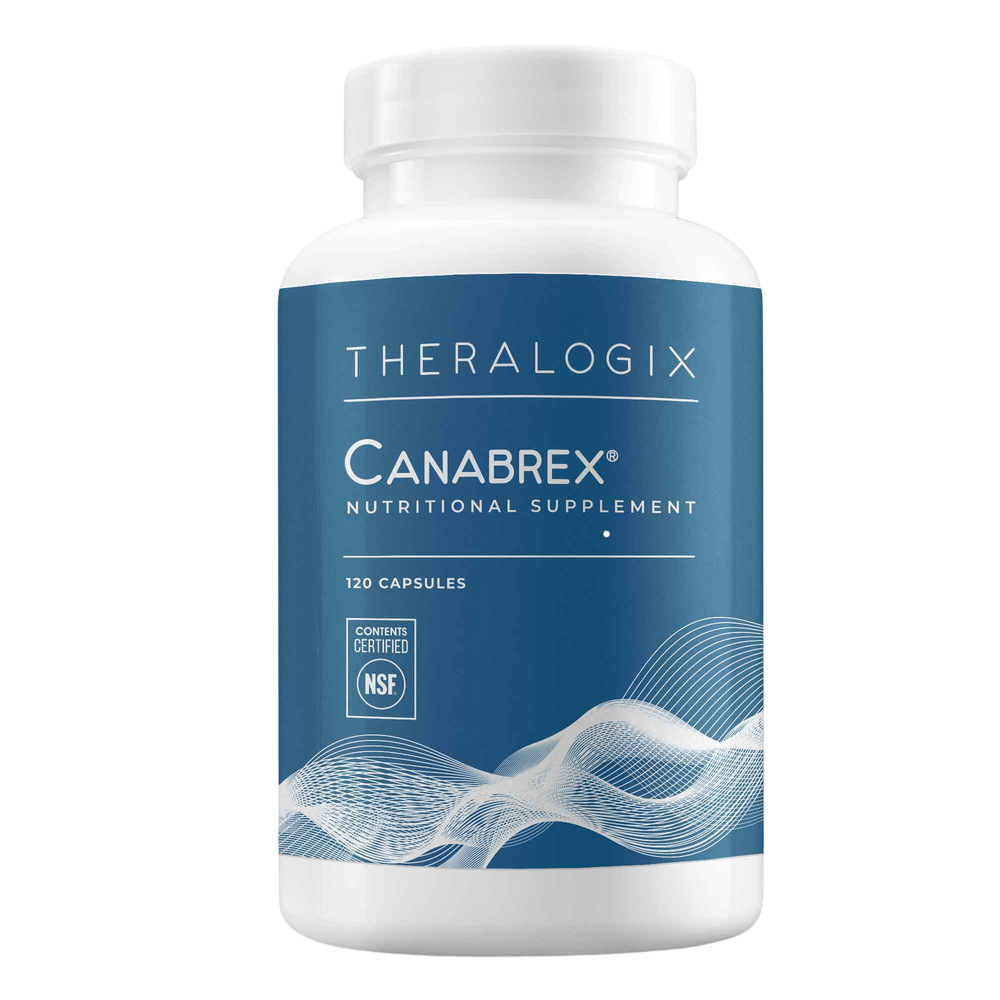
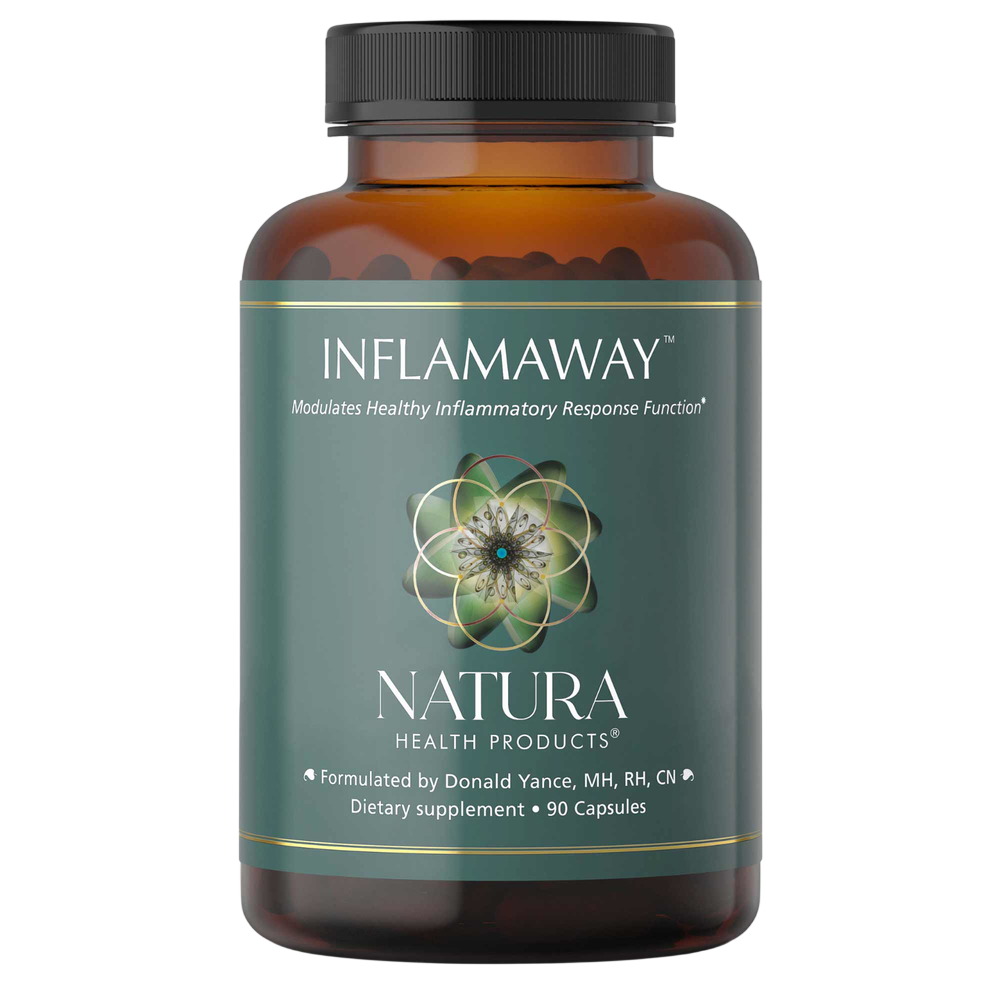
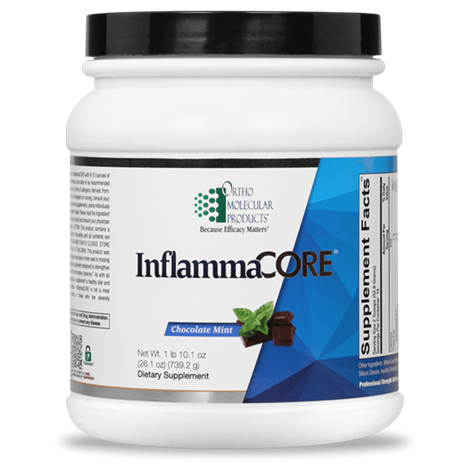
Anti-inflammatory formulas combine omega-3s, curcumin, boswellia, and quercetin.
Our vetting standard
Every inflammation support formula here clears the same bar.
- Clinically studied, effective doses
- Bioavailable, well-absorbed forms
- Practitioner-grade, trusted brands
- Third-party tested for identity and potency
See if it's actually working
hs-CRP is the primary readout, but draw it when you are well: any recent infection or hard training block will swamp the supplement effect.
Inflammation Support FAQs
What's in an inflammation support formula?
Common evidence-based ingredients: omega-3 fatty acids, curcumin, boswellia, quercetin, ginger, resveratrol, and proteolytic enzymes. They target different inflammatory pathways (COX, LOX, NF-κB, NLRP3).
When does it make sense to take these?
People with chronic joint pain, post-exercise recovery needs, autoimmune conditions, or elevated inflammatory markers (hs-CRP, ESR) often see benefit. Acute infections aren't the place for these — that's when controlled inflammation is doing its job.
Are there interactions with NSAIDs or blood thinners?
Yes. Many anti-inflammatory supplements (fish oil, curcumin, ginger, garlic) have mild antiplatelet effects. If you take warfarin, aspirin, or other blood thinners, talk to a clinician before stacking these.
Curcumin vs. NSAIDs — which is better for chronic inflammation?
For chronic conditions like osteoarthritis, well-formulated curcumin (Meriva, BCM-95, Theracurmin) at therapeutic doses matched ibuprofen for pain reduction in head-to-head trials, with fewer GI side effects. NSAIDs work faster for acute pain. For long-term use, curcumin is often a safer choice.
What's the best inflammation marker to track?
hs-CRP (high-sensitivity C-reactive protein) is the most accessible. Optimal is below 1 mg/L; anything above 3 mg/L signals elevated inflammation. ESR, fibrinogen, and homocysteine add information. Track every 3 months when adjusting your protocol.
How long until inflammation supplements show effects?
Subjective markers (joint stiffness, fatigue) often improve in 2–4 weeks. Lab markers (hs-CRP) shift over 8–12 weeks. Omega-3s peak in cell membranes around 4 months. Plan a 3-month trial before evaluating effectiveness.
What foods reduce inflammation?
Fatty fish (salmon, sardines), olive oil, leafy greens, berries, nuts, fermented foods, green tea, turmeric, ginger, and dark chocolate. The Mediterranean diet has the strongest evidence for lowering inflammatory markers. Cut ultra-processed foods and seed oils for the largest gain.
Will these supplements blunt exercise gains?
Possibly, if taken peri-workout in high doses. Some research suggests very high antioxidant doses can blunt training adaptations. Take inflammation supplements away from workouts (e.g., morning if you train at night), and use them in periods of higher inflammation rather than constantly.
Are inflammation supplements safe during pregnancy?
Omega-3s yes — recommended, in fact. Curcumin, boswellia, and many herbal anti-inflammatories aren't well-studied in pregnancy and most clinicians advise avoiding them. Ginger is fine in food amounts. When in doubt, prioritize diet over supplements while pregnant.