 Instalab
Inositol
Inositol (myo- and D-chiro) supports insulin sensitivity, ovulation, and mood.
Our vetting standard
Every inositol formula here clears the same bar.
- Clinically studied, effective doses
- Bioavailable, well-absorbed forms
- Practitioner-grade, trusted brands
- Third-party tested for identity and potency
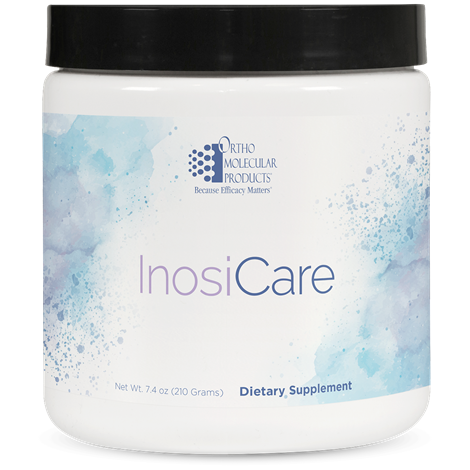
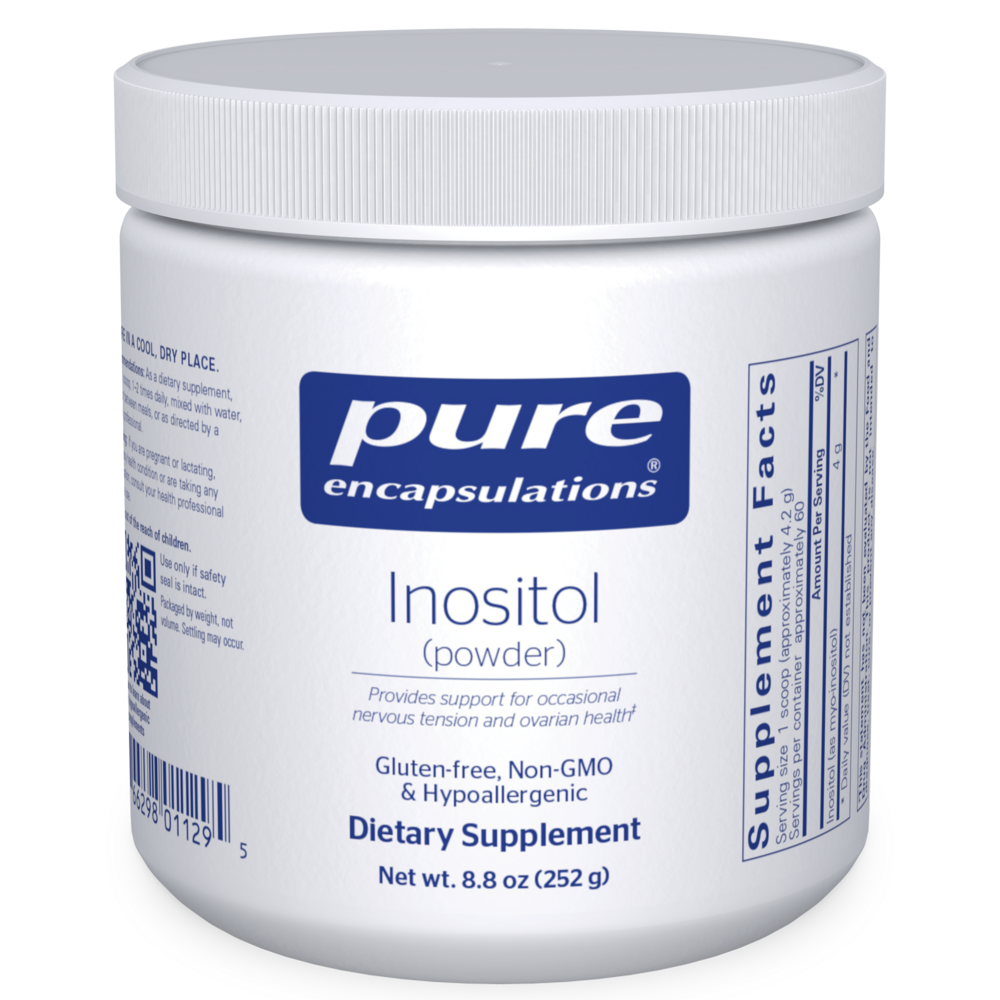
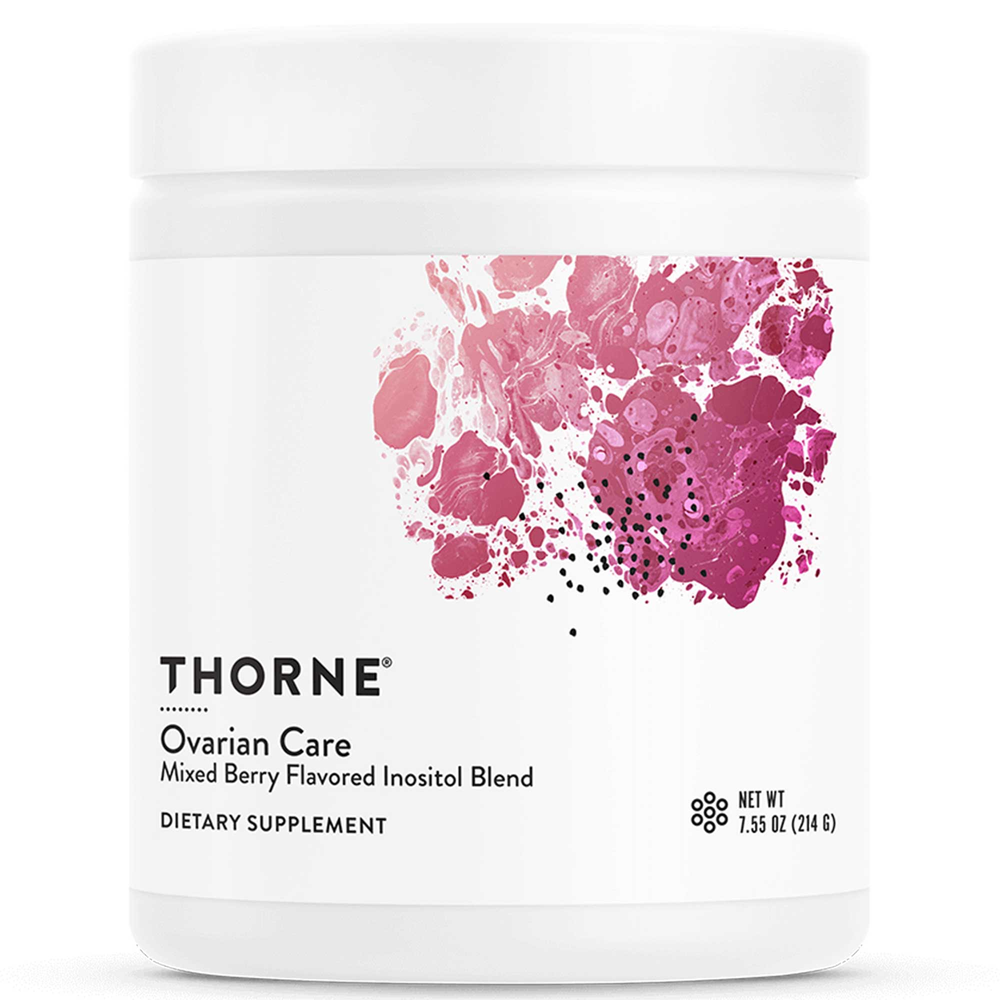
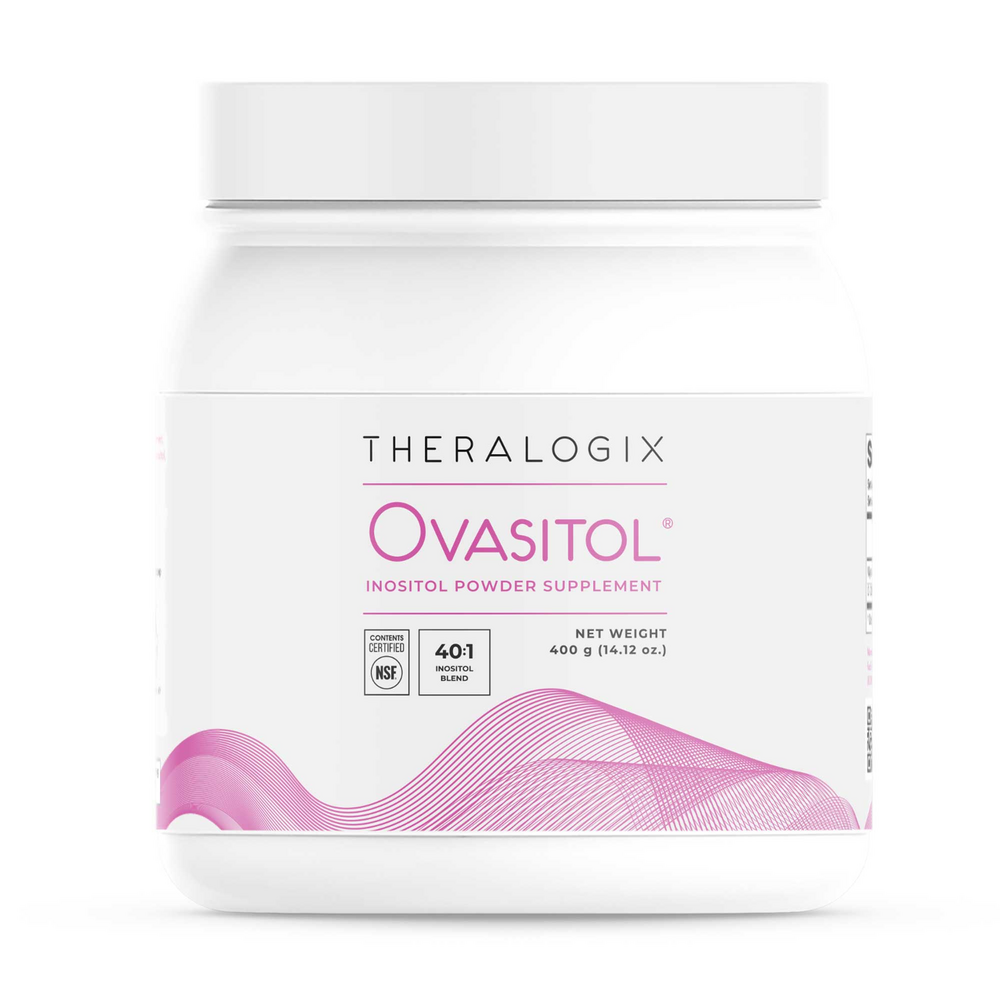
See if it's actually working
In PCOS the win shows up as lower fasting insulin and lower free testosterone with SHBG rising, often before cycles regularize.
Inositol FAQs
What does inositol do?
Inositol is a sugar-like molecule that acts as a second messenger for insulin and FSH signaling. It's most studied for PCOS (improving ovulation, insulin sensitivity, and androgens), and has supporting data for anxiety, OCD, and metabolic health.
Myo-inositol or D-chiro — which one?
For PCOS, the studied ratio is 40:1 myo-inositol to D-chiro-inositol, mimicking healthy plasma ratios. Most evidence-based products use this ratio. For mood applications, myo-inositol alone is typical.
How much inositol should I take?
4 g/day of myo-inositol (or 4 g + 100 mg D-chiro for PCOS) split into two doses. Higher doses (12–18 g) are used for mood-related applications. Effects on PCOS markers typically appear within 3 months.
Will inositol help with fertility?
Yes, for PCOS-related infertility. Trials show myo-inositol restores ovulation in 60–70% of women with PCOS over 3–6 months, often outperforming or matching metformin with fewer side effects. It also improves egg quality in IVF cycles.
Inositol vs. metformin — which is better for PCOS?
Several head-to-head trials show comparable effects on insulin resistance, androgens, and ovulation, with inositol better tolerated (no GI side effects). Some clinicians use both. Metformin remains first-line for diabetes prevention; inositol is preferred for fertility-focused PCOS treatment.
Does inositol help with anxiety?
At higher doses (12–18 g/day), inositol has shown effects comparable to SSRIs for panic disorder and OCD in small trials. Effects build over 4–6 weeks. Lower doses (2–4 g) are not as well-studied for mood but are sometimes used as an adjunct to other anxiety supports.
What foods contain inositol?
Citrus fruits (especially cantaloupe and oranges), beans, nuts, whole grains (especially bran), and seeds. A typical diet provides about 1 g/day. Therapeutic doses (4 g+) are practically only achievable through supplementation.
How long until inositol works for PCOS?
Cycle regularity often improves within 3 months. Insulin and androgen markers typically shift over 3–6 months. Hair, acne, and weight changes can take 6+ months. Track menstrual cycles, energy, and labs every 3 months to evaluate.
Is inositol safe during pregnancy?
Yes — myo-inositol has been studied as a preventive for gestational diabetes and is considered safe at typical doses (2–4 g/day). It's often continued through pregnancy in women who used it for PCOS-related conception. Confirm with your OB.