 Instalab
Iron
Iron supplements correct deficiency to support energy, oxygen delivery, and exercise output.
Our vetting standard
Every iron formula here clears the same bar.
- Clinically studied, effective doses
- Bioavailable, well-absorbed forms
- Practitioner-grade, trusted brands
- Third-party tested for identity and potency
See if it's actually working
Ferritin is the storage marker that should climb; hemoglobin usually corrects first, so a normal hemoglobin with a low ferritin means you are not finished.
Iron FAQs
Should I take iron without testing?
No. Iron supplementation without deficiency can cause harm — iron is a pro-oxidant when stored excessively. Test ferritin (and ideally serum iron, TIBC, transferrin saturation) before starting. Treat only confirmed low ferritin or anemia.
Which form of iron is best tolerated?
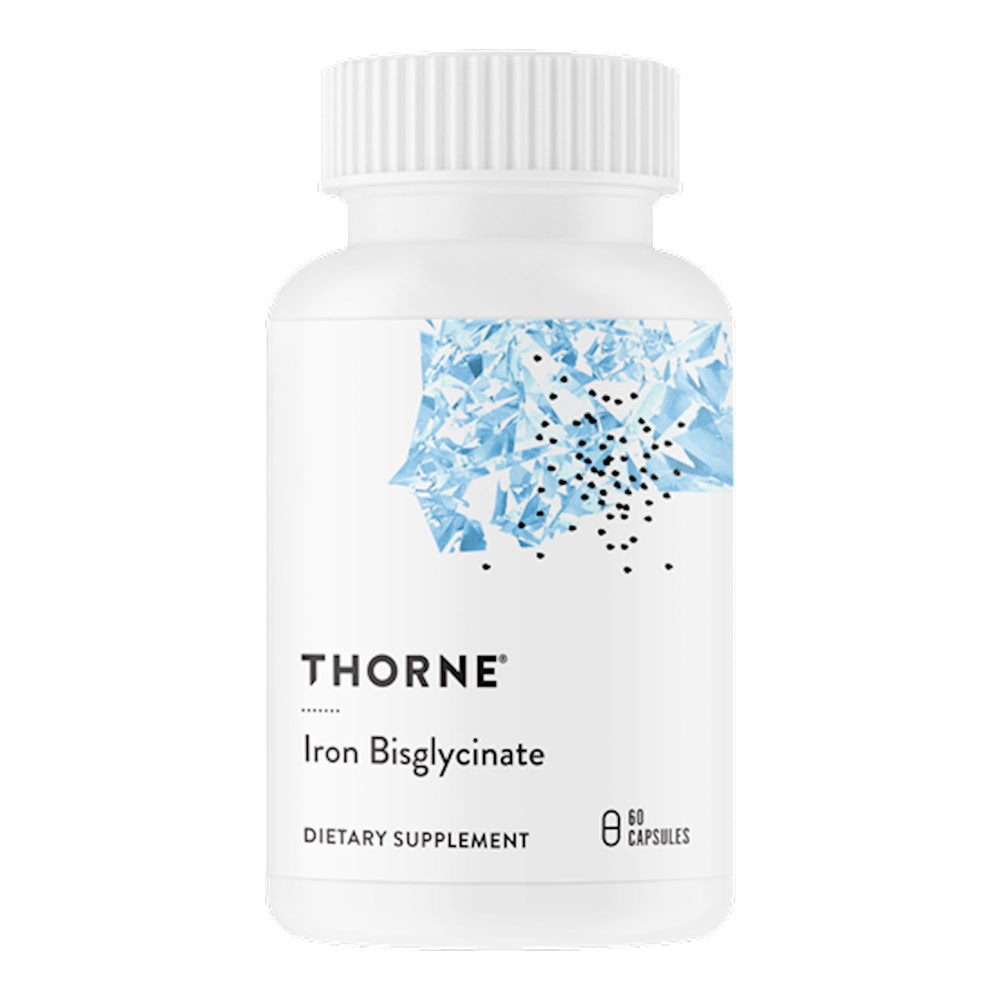
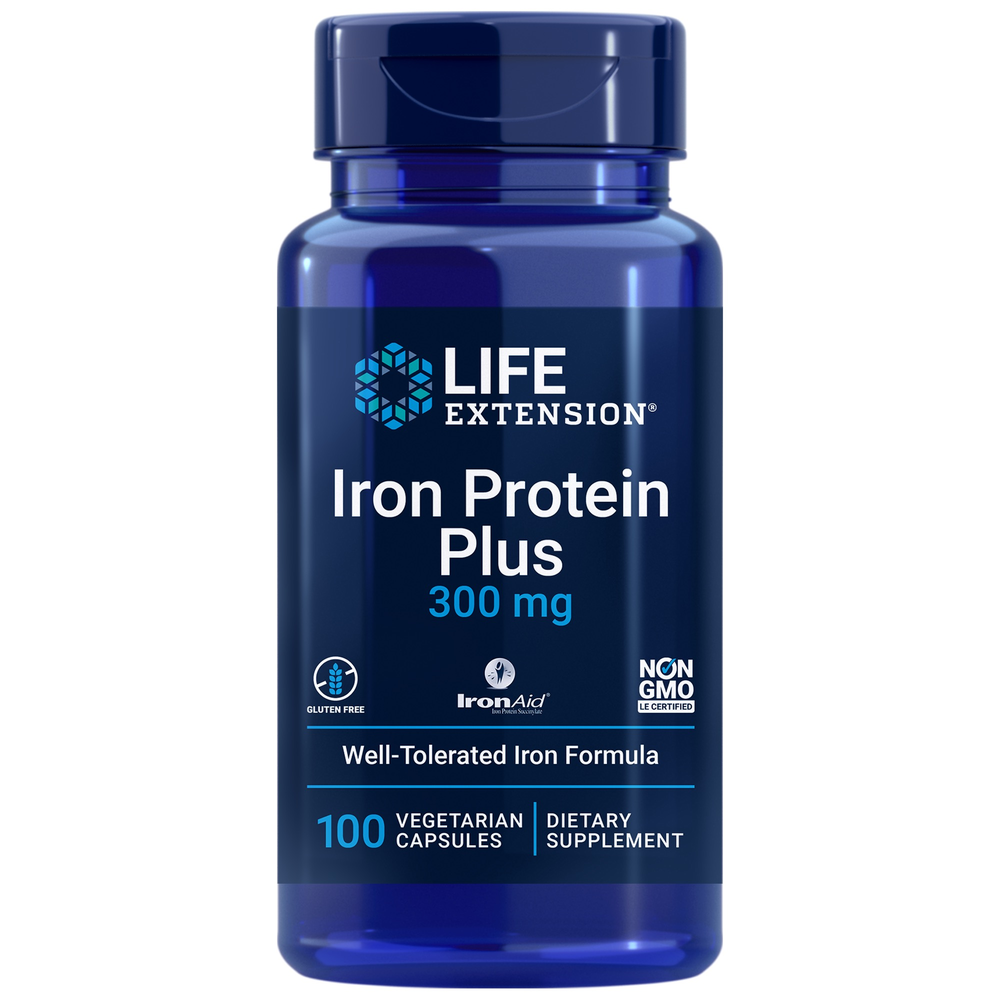
Ferrous bisglycinate (chelated iron) tends to cause less constipation and GI upset than ferrous sulfate. Heme iron polypeptide and iron protein succinylate are also gentler options. Liquid forms work well for those who can't tolerate capsules.
How should I take iron for best absorption?
With vitamin C (or food rich in it) on an empty stomach, away from coffee, tea, dairy, calcium, and zinc. Every-other-day dosing may absorb better than daily dosing because hepcidin (an absorption regulator) rises after each dose.
What's the difference between iron deficiency and anemia?
Iron deficiency starts as low ferritin (depleted stores) — a person can have symptoms (fatigue, hair loss, restless legs) before hemoglobin drops. Iron deficiency anemia is the later stage where hemoglobin falls. Treating low ferritin early prevents anemia.
What ferritin level is optimal?
Lab 'normal' starts at 15 ng/mL but symptoms often persist below 50–70 ng/mL, especially for hair loss, restless legs, and fatigue. Many functional clinicians target 70–100 ng/mL for women with deficiency symptoms. Above 200 ng/mL warrants checking for hemochromatosis or inflammation.
How long until iron supplements work?
Energy improves in 2–4 weeks. Hemoglobin rises 1 g/dL per month with adequate dosing. Ferritin restoration takes 3–6 months. Don't stop at the first sign of feeling better — refilling stores is what prevents recurrence.
Why does iron cause constipation, and how do I prevent it?
Unabsorbed iron irritates the gut and slows transit. Switching to ferrous bisglycinate, lower doses (40–60 mg elemental), every-other-day dosing, or liquid forms reduces side effects. Adequate water, fiber, and magnesium also help.
Can I take iron during pregnancy?
Yes — pregnancy raises iron needs from 18 to 27 mg/day, and many prenatal vitamins include this amount. Test ferritin in early pregnancy. Iron deficiency in pregnancy increases risk of preterm birth, postpartum depression, and developmental issues.
Can men take iron?
Generally no, unless deficient. Men don't menstruate and accumulate iron over time. Most multivitamins for men omit iron deliberately. If a man has anemia or low ferritin, the cause should be investigated (often GI bleeding) before just supplementing.
Are there foods that boost iron levels?
Heme sources (red meat, liver, sardines, oysters) absorb 2–3x better than non-heme (spinach, lentils, fortified cereals). Vitamin C-rich foods boost non-heme absorption by 2–4x. Avoid coffee, tea, and calcium-rich foods at the same meal as iron-rich foods.