 Instalab
Joint Support
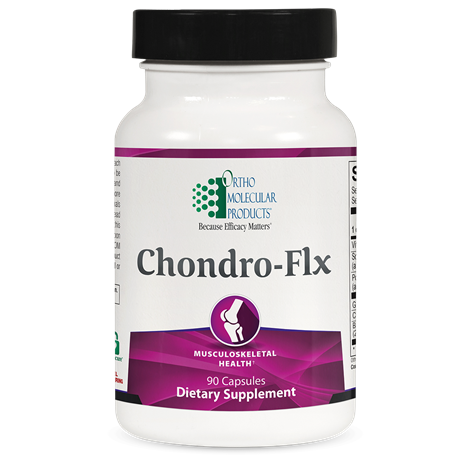
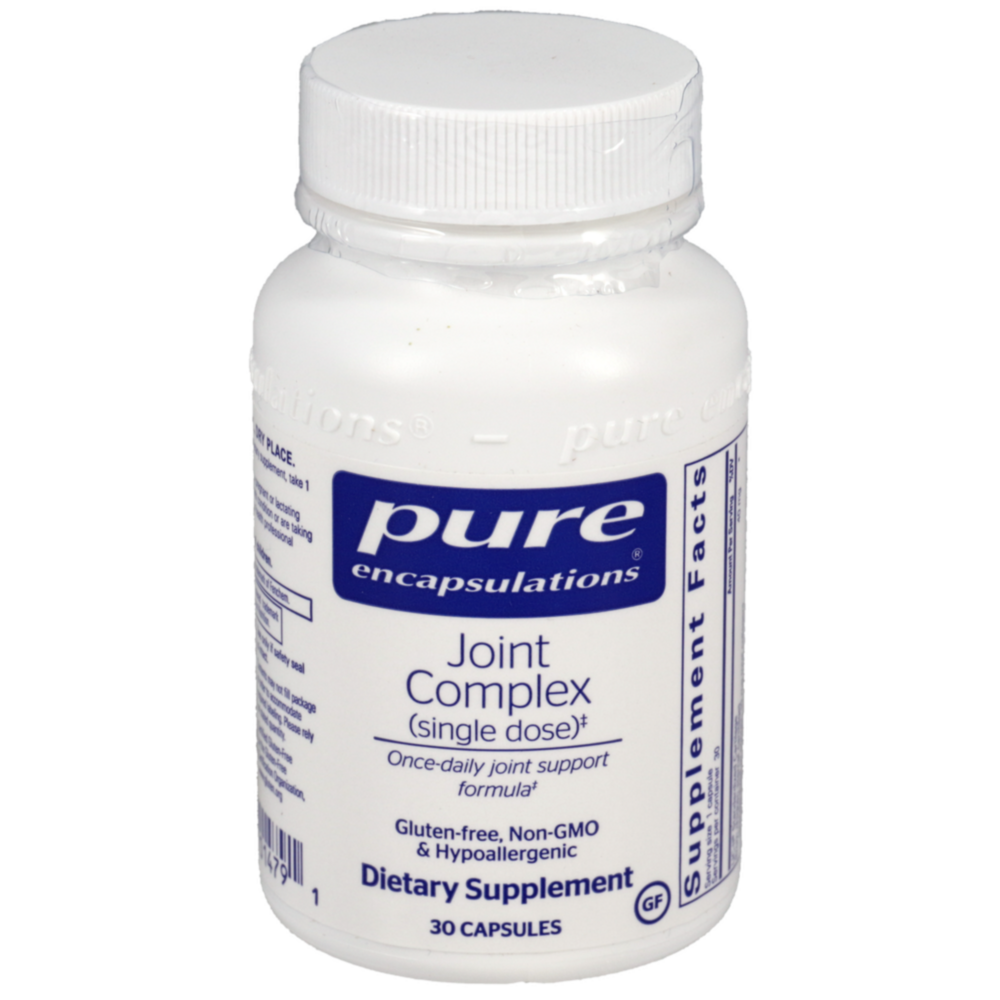
Joint support formulas combine glucosamine, chondroitin, MSM, and collagen for cartilage and mobility.
Our vetting standard
Every joint support formula here clears the same bar.
- Clinically studied, effective doses
- Bioavailable, well-absorbed forms
- Practitioner-grade, trusted brands
- Third-party tested for identity and potency
See if it's actually working
Pain, stiffness and range of motion are the real endpoints at six months; these markers exist to catch an inflammatory or gout driver being missed.
Joint Support FAQs
What's in a comprehensive joint formula?
Glucosamine and chondroitin support cartilage matrix, MSM provides sulfur for connective tissue, hyaluronic acid lubricates joints, type II collagen modulates joint immunity, and curcumin or boswellia reduce inflammation. Multi-ingredient products often outperform single agents.
How long until joint supplements work?
8–12 weeks of daily use is typical for noticeable change. They support the underlying cartilage and inflammatory environment, not acute pain like an NSAID. Track symptoms over months, not days.
Are there contraindications?
Glucosamine is derived from shellfish in many products (allergy concern). Chondroitin can mildly thin blood. Talk to a clinician before combining with blood thinners, and choose vegetarian glucosamine if shellfish-allergic.
Type II collagen vs. collagen peptides — what's the difference?
Type II collagen (especially undenatured/UC-II) modulates joint immunity through the gut and works at low doses (40 mg/day) for arthritis pain. Collagen peptides (10–15 g/day) are hydrolyzed and used for skin, bone, and connective tissue support. They serve different purposes — both are useful for joints.
Will joint supplements help if I have arthritis?
For mild-to-moderate osteoarthritis, yes — multi-ingredient formulas show modest pain reduction and slowed progression in many trials. For rheumatoid arthritis (autoimmune), supplements help less — disease-modifying drugs do most of the work. Curcumin and omega-3s do offer some adjunct support for RA.
Joint supplements vs. NSAIDs — which is better?
NSAIDs (ibuprofen, naproxen) work fast for acute pain but carry GI, kidney, and cardiovascular risks with long-term use. Joint supplements work slowly but are safer long-term. Many people use NSAIDs for flares and supplements for daily maintenance, reducing total NSAID dependence.
Does hyaluronic acid actually help joints when taken orally?
Yes, modestly. Trials show oral hyaluronic acid (80–200 mg/day) reduces knee OA pain over 8–12 weeks. It doesn't lubricate joints directly when ingested but signals fibroblasts to produce more endogenous HA. Injectable HA into the joint has stronger effects.
What lifestyle factors help joints most?
Strength training (especially around affected joints), maintaining a healthy weight (each lb of weight loss reduces 4 lb of force on knees), low-impact cardio, and movement throughout the day. Diet with adequate protein, omega-3s, and antioxidants outweighs most single supplements.
Are joint supplements safe long-term?
Yes. Glucosamine, chondroitin, MSM, and collagen all have decades of safety data at typical doses. They're often taken for years without issue. Re-evaluate every 6–12 months: if you've had no benefit by then, the formula likely isn't working for you.
Are joint supplements safe during pregnancy?
Glucosamine and chondroitin lack pregnancy safety data — most clinicians advise stopping during pregnancy. Collagen peptides and MSM are likely fine but not extensively studied. Stick to provider-approved options like omega-3s and clinician-guided pain management while pregnant.