 Instalab
L-Arginine
L-arginine is a nitric oxide precursor that supports circulation and exercise performance.
Our vetting standard
Every l-arginine formula here clears the same bar.
- Clinically studied, effective doses
- Bioavailable, well-absorbed forms
- Practitioner-grade, trusted brands
- Third-party tested for identity and potency
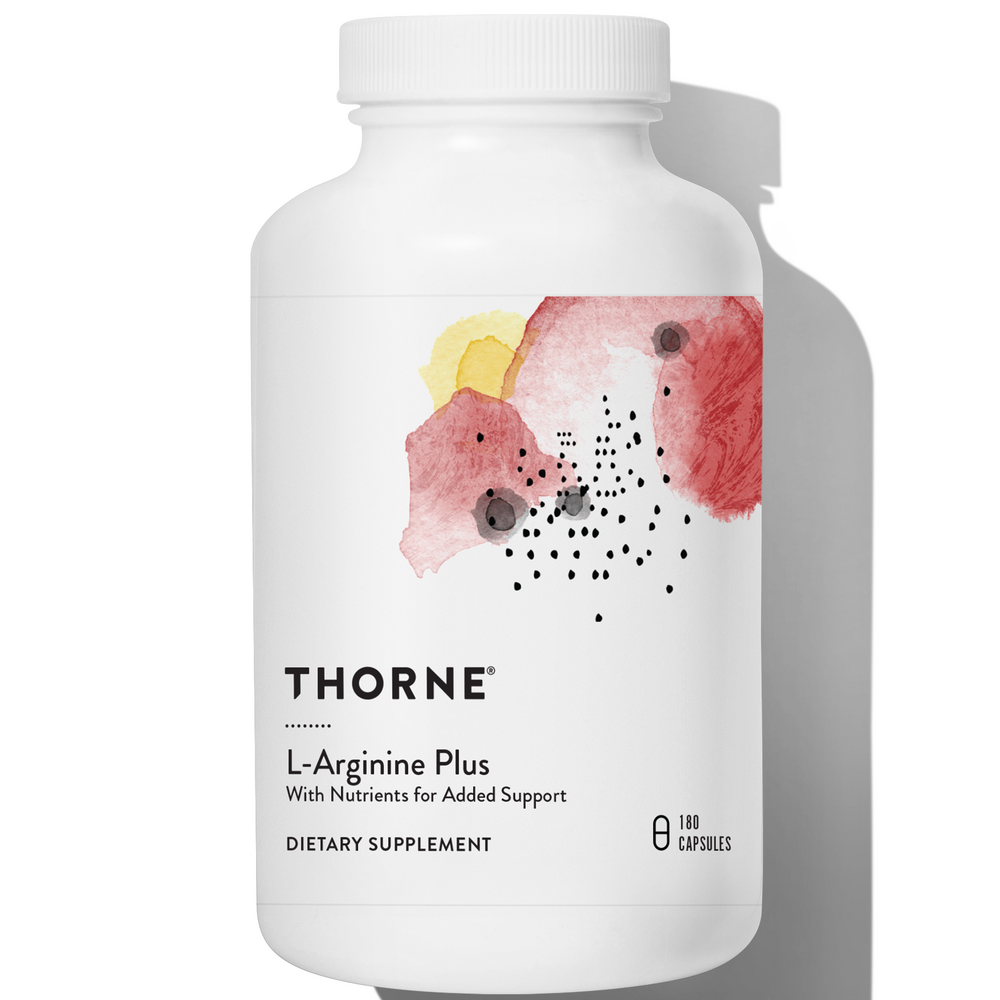
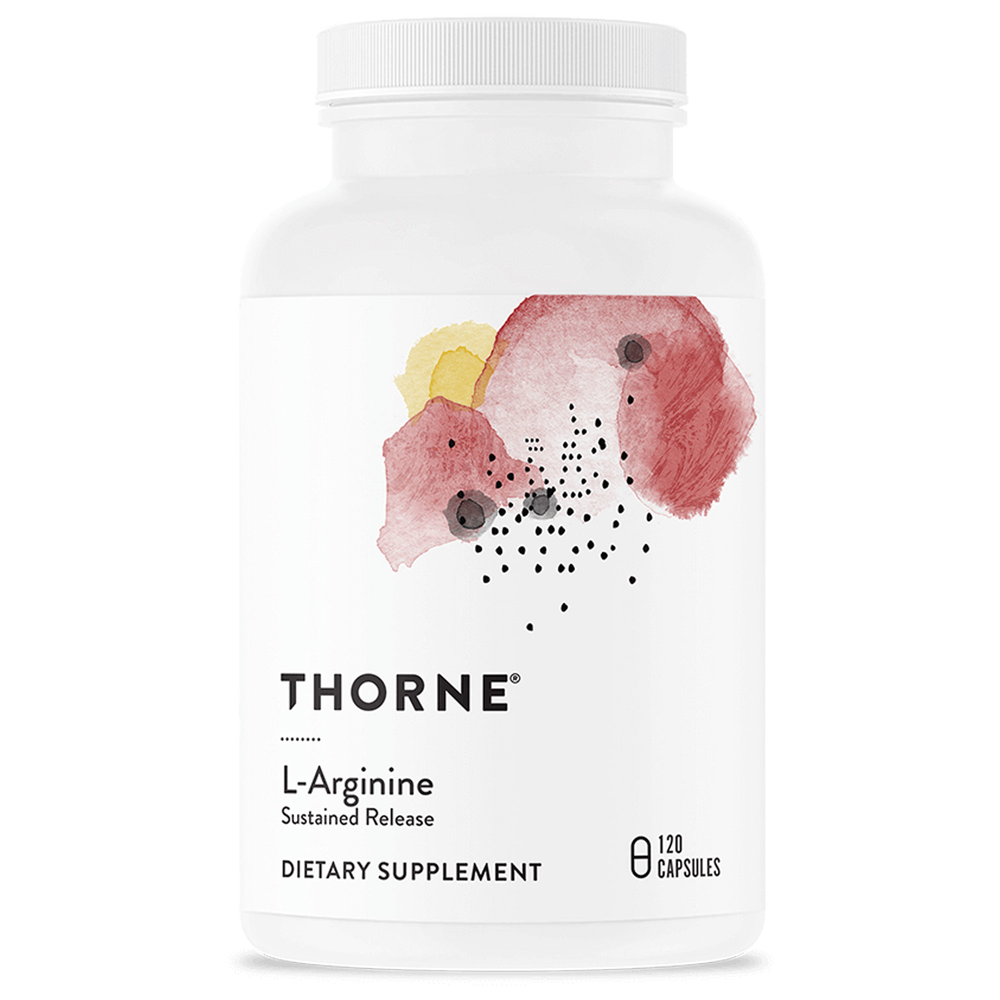
See if it's actually working
ADMA is the marker that explains whether arginine can work for you at all, since it is the competitor that blocks nitric oxide production.
L-Arginine FAQs
What does L-arginine do?
L-arginine is converted to nitric oxide, which dilates blood vessels and improves circulation. It's used for cardiovascular health, exercise pump and performance, and erectile function. L-citrulline often outperforms it because it raises arginine levels more reliably.
L-arginine or L-citrulline?
L-citrulline raises plasma arginine more effectively than arginine itself because it bypasses gut metabolism. For nitric oxide and pump effects, citrulline malate (6–8 g) is often preferred. Arginine still has uses, especially for circulation and growth hormone support.
How much L-arginine should I take?
3–6 g/day for cardiovascular support, up to 9 g for performance. Take 30–60 minutes before exercise on an empty stomach. Higher doses may cause GI upset.
Does L-arginine help with erectile dysfunction?
Modestly. Studies show 3–5 g/day improves mild ED in some men, especially when combined with pycnogenol. It's less reliable than PDE5 inhibitors (sildenafil) but may be a starting point for mild cases or for those wanting non-prescription options.
Will L-arginine improve my workout pump?
Possibly, but L-citrulline (6–8 g) usually does this better. L-arginine has poor bioavailability — most is metabolized in the gut before reaching the bloodstream. If pump is your goal, switch to citrulline malate.
What foods are high in arginine?
Turkey, chicken, pork, pumpkin seeds, soybeans, peanuts, dairy products, lentils, and chickpeas. Most omnivorous diets provide 4–6 g/day of arginine, which is why dietary deficiency is rare in healthy adults.
Can L-arginine trigger cold sores?
Yes. Arginine fuels herpes simplex virus replication, while lysine inhibits it. People prone to cold sores or genital herpes outbreaks should avoid high-dose arginine, or balance it with lysine (1–3 g/day).
Are there safety concerns with L-arginine?
Avoid after a heart attack — one trial found increased mortality with arginine post-MI. Be cautious with anti-hypertensives or PDE5 inhibitors (additive blood pressure drop). High doses can cause GI upset, headaches, or worsen asthma in some people.
Is L-arginine safe during pregnancy?
L-arginine has been studied in pregnancy for preeclampsia prevention and shows some benefit at clinician-supervised doses. Self-supplementation isn't generally recommended without an OB or maternal-fetal medicine specialist guiding the dose.