 Instalab
L-Carnitine
L-carnitine shuttles fatty acids into mitochondria for energy production.
Our vetting standard
Every l-carnitine formula here clears the same bar.
- Clinically studied, effective doses
- Bioavailable, well-absorbed forms
- Practitioner-grade, trusted brands
- Third-party tested for identity and potency
See if it's actually working
Free carnitine rising confirms repletion; gut bacteria also convert carnitine to TMAO, but that association has no established monitoring threshold, so it is a caution about long high-dose use rather than a retest.
L-Carnitine FAQs
What does L-carnitine do?
L-carnitine transports long-chain fatty acids into mitochondria where they're burned for energy. It supports exercise performance, recovery, fertility (especially in men), and may have benefits for cognition (acetyl-L-carnitine form) and heart health.
Which form should I take?
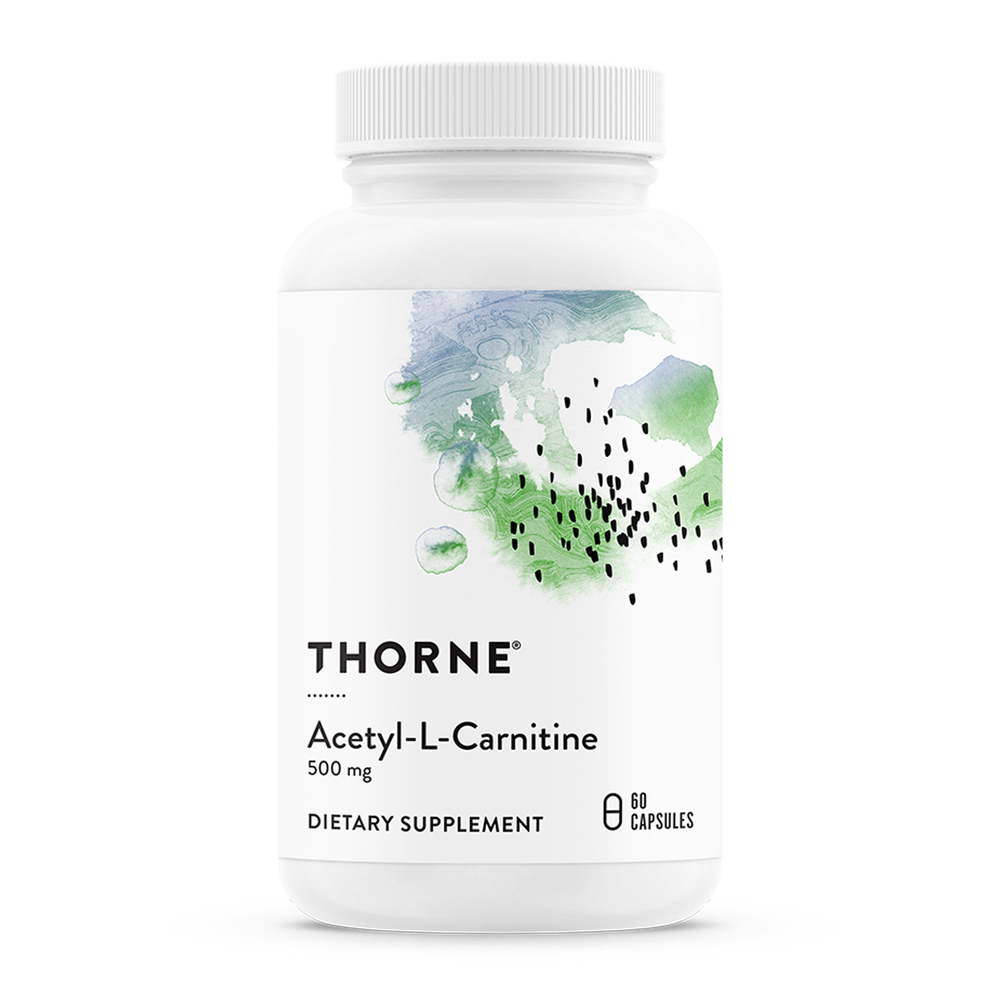
L-carnitine tartrate for exercise/recovery (1–2 g/day). Acetyl-L-carnitine (ALCAR) for brain support, neuropathy, and cognitive aging (500–2,000 mg/day). Propionyl-L-carnitine for circulation and heart support.
Are there safety concerns with L-carnitine?
Some studies have raised concern about TMAO (a metabolite linked to cardiovascular disease) production in high meat eaters who supplement carnitine. The clinical relevance is debated. People with kidney disease should consult a clinician.
Does L-carnitine help with weight loss?
Modestly. Meta-analyses show about 2–3 lb of additional fat loss over 8–12 weeks compared to placebo, with effects more pronounced in older or overweight populations and during exercise programs. It's a small lever, not a primary tool.
Will L-carnitine improve fertility?
In men, yes. Trials show 2–3 g/day for 3–6 months improves sperm count, motility, and morphology, especially when combined with acetyl-L-carnitine. For women, it has supporting data for egg quality during IVF, particularly in PCOS or older women.
Vegetarians and L-carnitine — should I supplement?
Vegetarians and vegans have lower carnitine stores (since meat is the main dietary source), but the body synthesizes carnitine from lysine and methionine. Some evidence suggests modest supplementation (500 mg–1 g) may benefit vegetarian athletes, but it's not strictly necessary for health.
When should I take L-carnitine?
With a carbohydrate-containing meal — insulin enhances muscle carnitine uptake. ALCAR for cognitive uses can be taken on an empty stomach. For exercise, take 60 minutes before a workout. Daily dosing is more effective than acute pre-workout for muscle saturation.
What foods contain L-carnitine?
Beef, lamb, pork, chicken, fish, and dairy. Beef has the most (~80 mg per 4 oz). Plant foods have negligible amounts. Most omnivores get 60–180 mg/day from food, well below typical supplemental doses (1,000–3,000 mg).
Are there side effects from L-carnitine?
At high doses, fishy body odor (from intestinal bacteria producing trimethylamine), GI upset, and rarely seizures in susceptible people. Carnitine can lower thyroid hormone activity at high doses — monitor TSH if you have thyroid disease. The TMAO concern is debated for healthy users.
Is L-carnitine safe during pregnancy?
Limited data on supplementation in healthy pregnancy. It's used clinically for specific maternal-fetal indications under specialist care. Most healthy pregnant women get adequate carnitine from diet and don't need to supplement without provider guidance.